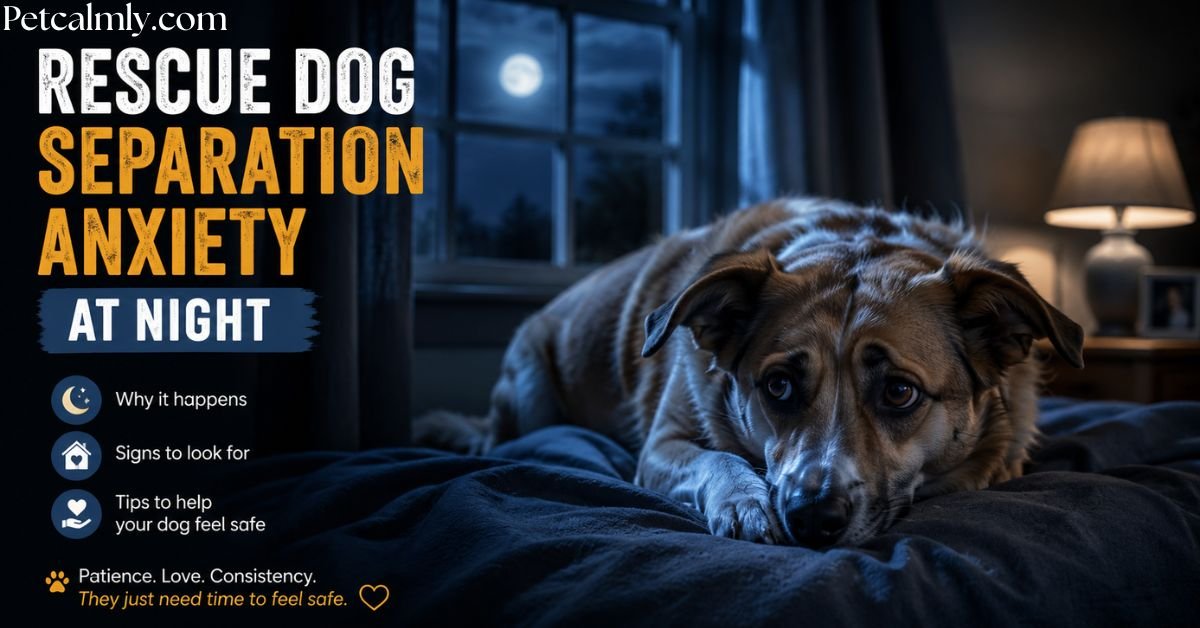
Short direct answer
If your older dog is pacing, wandering, or restlessly walking around at night, it’s usually caused by one or more of these issues: pain from arthritis or other conditions, changes in sleep patterns with age, cognitive dysfunction (canine dementia), urinary incontinence or increased bathroom needs, medication side effects, or anxiety. While some nighttime restlessness is normal in senior dogs, persistent pacing especially when it suddenly starts or increases warrants a veterinary checkup to rule out pain, infection, or neurological changes
Understanding Senior Dog Behavior
Aging in dogs brings about a host of transformations that can influence their daily routines, including sleep. Senior dog pacing at night isn’t always a sign of a serious problem, but it’s often a symptom of underlying changes. As dogs grow older, their metabolism slows, senses may dull, and cognitive functions can decline, leading to behaviors that seem out of character.
Normal Aging vs. Abnormal Restlessness
It’s important to distinguish between typical senior dog behavior and signs that warrant attention. For instance, an old dog might naturally wake up more frequently due to a weaker bladder or slower digestion. However, if your elderly dog is wandering aimlessly, appearing disoriented, or pacing in circles at night, this could indicate something more. Normal behaviors include brief wake-ups for water or a quick stretch, while abnormal ones involve persistent movement that prevents rest. Observing patterns like whether the pacing happens every night or only occasionally can help pinpoint the issue.

Keywords like “senior dog restless at night” often lead pet owners to forums and vet advice pages, highlighting how widespread this concern is. According to veterinary experts, up to 60% of senior dogs experience some form of sleep disturbance, making it a top query in pet health searches.
The Impact on Your Dog’s Health
Prolonged nighttime wandering can lead to exhaustion, increased stress, and even accidents in the home. For the owner, it means interrupted sleep and worry. Addressing “why my old dog paces at night” early can prevent escalation, improving overall health outcomes for your pet.
Common Causes of Nighttime Pacing in Old Dogs
There are several reasons why your old dog might be walking around at night. These range from medical conditions to behavioral factors. Let’s break them down to help you identify what’s affecting your pet.
Canine Cognitive Dysfunction Syndrome (CDS)
Often compared to Alzheimer’s in humans, Canine Cognitive Dysfunction (CDS) is a leading cause of restlessness in senior dogs. This brain-related condition affects memory, learning, and awareness, leading to confusion especially at night. Symptoms include disorientation, altered sleep-wake cycles, and aimless wandering. If your dog seems lost in familiar surroundings or stares blankly while pacing, CDS could be the culprit.
Studies show that CDS impacts about 14-35% of dogs over 8 years old, with larger breeds potentially showing signs earlier. The exact cause isn’t fully understood, but it involves brain plaque buildup and reduced neurotransmitter function. Nighttime exacerbation happens because the darkness amplifies confusion, making your old dog feel unsettled.
Pain and Discomfort from Arthritis or Other Ailments
Pain is a silent but common trigger for elderly dog pacing at night. Conditions like arthritis, hip dysplasia, or joint degeneration make lying down uncomfortable, prompting your dog to move around in search of relief. Senior dogs with chronic pain might pace to alleviate pressure on sore areas or due to restlessness from discomfort.
Other painful issues include dental problems, gastrointestinal upset, or even tumors. If your dog whimpers, limps, or favors certain positions during the day, nighttime walking could be an extension of daytime pain. Veterinary data indicates that over 80% of dogs over 10 have some form of arthritis, directly linking it to sleep disturbances.
Urinary or Digestive Issues
As dogs age, their bladder control weakens, leading to more frequent urination needs. An old dog walking around at night might simply need to go outside more often due to conditions like incontinence, urinary tract infections (UTIs), or kidney disease. Similarly, digestive problems such as constipation or inflammatory bowel disease can cause discomfort that disrupts sleep.
If pacing is accompanied by accidents indoors or straining behaviors, these issues are likely. Increased water intake from medications or diabetes can also contribute, creating a cycle of nighttime activity.
Sensory Impairments: Vision and Hearing Loss
Loss of senses is another factor in senior dog wandering at night. Diminished vision (e.g., from cataracts) or hearing can make the dark, quiet night feel disorienting. Your dog might pace to navigate or because they can’t settle without clear sensory cues.
Breeds prone to eye issues, like Poodles or Cocker Spaniels, are more affected. This sensory decline can heighten anxiety, turning a simple night into a confusing ordeal.
Anxiety and Stress in Elderly Dogs
Anxiety isn’t just for young pups; senior dogs can develop or worsen separation anxiety, fear of noises, or stress from changes in routine. If your household has recent changes like a new pet or moved furniture this could trigger nighttime restlessness. Thunderstorms, fireworks, or even household sounds amplified at night might cause pacing.
Behavioral experts note that anxiety-related pacing often involves panting, whining, or seeking out the owner. For old dogs, this can stem from cognitive decline or simply the fear of being alone in the dark.
Medication Side Effects
Certain medications for heart conditions, pain, or other age-related issues can have side effects like insomnia or increased activity. Steroids, for example, might cause restlessness. If your dog’s pacing started after a new prescription, consult your vet about adjustments.
Environmental Factors Affecting Sleep
Sometimes, the cause is external. A too-hot or too-cold room, uncomfortable bedding, or noises from outside can prompt walking. Old dogs are more sensitive to temperature changes and may pace to find a better spot.
When to Consult a Veterinarian
If your old dog’s nighttime walking persists for more than a few nights or is accompanied by other symptoms like lethargy, appetite loss, or aggression, it’s time to see a vet. Early intervention can rule out serious conditions and provide tailored advice. Don’t wait prompt action can significantly improve outcomes.

Diagnostic Steps for Restless Senior Dogs
Vets typically start with a physical exam, blood tests, and urinalysis to check for underlying issues. Imaging like X-rays or ultrasounds might follow for joint or organ problems. For CDS, behavioral questionnaires help diagnose.
Keeping a journal of your dog’s pacing episodes timing, duration, and associated behaviors can aid diagnosis.

Treatment and Management Options
Once the cause is identified, treatment varies. Here’s how to manage common issues.
Medical Treatments for Underlying Conditions
For CDS, medications like selegiline can improve brain function and reduce symptoms. Pain relievers such as NSAIDs or joint supplements (glucosamine) help with arthritis. Antibiotics treat UTIs, while hormone therapies address incontinence.
In severe cases, anti-anxiety meds or CBD products (vet-approved) can calm nighttime restlessness.
Lifestyle Changes to Improve Sleep
Adjust your dog’s routine: Increase daytime exercise to tire them out, but keep it gentle for seniors. Establish a consistent bedtime with calming activities like a short walk or massage.
Diet plays a role switch to senior formulas with antioxidants for brain health. Ensure easy access to water and potty breaks without full wake-ups.
Home Remedies and Tips for Nighttime Peace
Create a cozy sleep environment: Use orthopedic beds, nightlights for visibility, and white noise machines to drown out disturbances. Pheromone diffusers like Adaptil can reduce anxiety.
Natural remedies include herbal supplements (chamomile or valerian, under vet guidance) or acupuncture for pain relief. Gradually introduce changes to avoid stressing your dog further.
Preventing Nighttime Restlessness in Old Dogs
Prevention starts with regular vet check-ups, a balanced diet, and mental stimulation. Toys, puzzles, and short training sessions keep the mind sharp. Maintain a stable routine to minimize anxiety triggers.
Monitoring weight and joint health early can prevent pain-related pacing. For breeds prone to CDS, early antioxidant-rich diets may delay onset.

Frequently Asked Questions
1. Is nighttime pacing in old dogs always a sign of dementia?
No, while CDS is common, pacing can stem from pain, urinary issues, or anxiety. A vet evaluation is essential to determine the exact cause.
2. How can I tell if my old dog’s walking at night is due to pain?
Look for signs like limping, reluctance to lie down, or whining. If pacing eases after pain meds or rest, discomfort is likely.
3. What home adjustments can help my senior dog sleep better?
Provide a comfortable bed, use nightlights, ensure easy outdoor access, and maintain a quiet, cool room. Consistent routines also help.
4. Can diet affect my old dog’s nighttime behavior?
Yes, senior diets with omega-3s and antioxidants support brain and joint health, potentially reducing restlessness. Consult your vet for recommendations.
5. When should I worry about my elderly dog’s wandering?
If it lasts over a week, involves disorientation, or includes other symptoms like vomiting or seizures, seek veterinary care immediately.
6. Are there natural remedies for restless senior dogs at night?
Options include calming herbs, pheromone collars, or CBD treats (vet-approved). Combined with exercise and routine, they can be effective.
More Information About Pets, Please Visit Our Website: Professional Dog Grooming Techniques
How to Brush Dog Teeth When They Refuse
Best Dog Food for Small Breeds with Sensitive Stomachs
Conclusion
In summary, if you’re wondering “why is my old dog walking around at night,” the answers often lie in age-related changes like CDS, pain, or sensory issues. By observing your dog’s behavior, consulting a vet, and implementing targeted solutions from medical treatments to simple home tweaks you can help restore restful nights. Remember, your senior dog deserves comfort in their golden years, and addressing this promptly shows your commitment to their well-being. With patience and the right approach, many owners see significant improvements, leading to happier, healthier pets. If symptoms persist, always prioritize professional advice to ensure nothing is overlooked.