Short direct answer
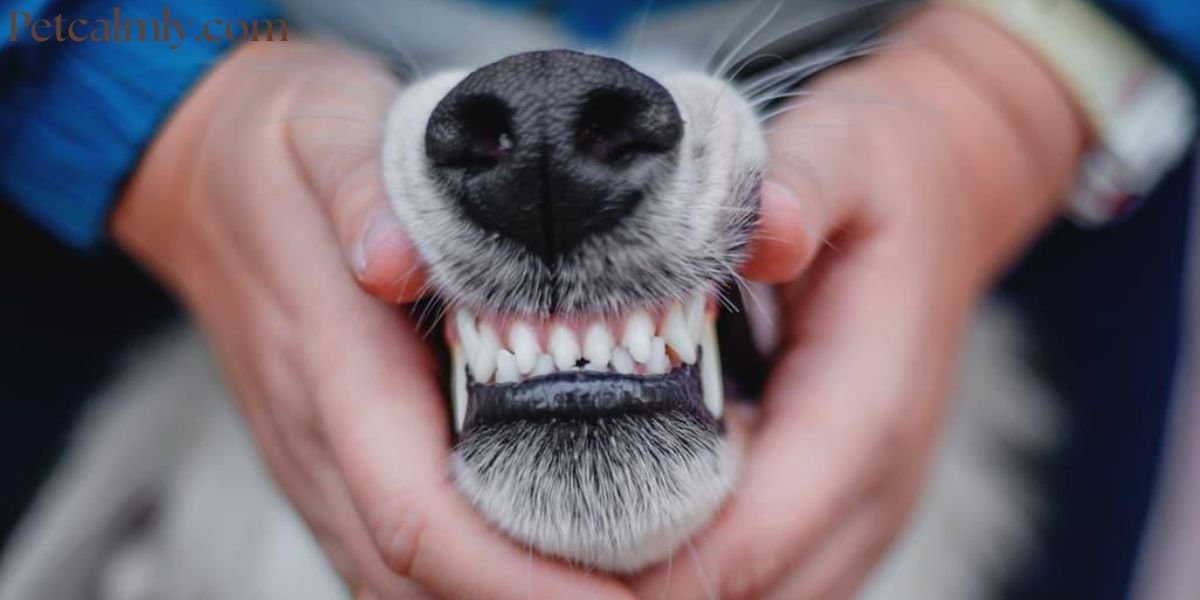
Keeping your dog’s teeth healthy is simple with consistent care. The most effective way is to brush your dog’s teeth daily or at least 3–4 times a week using dog-specific toothpaste and a toothbrush. Combine this with dental chews, a proper diet, and regular vet checkups to prevent plaque, tartar, and gum disease. This routine can help your dog avoid pain, infections, and even tooth loss.
Why Dog Dental Health Matters More Than You Think
Imagine your dog trying to enjoy a favorite chew toy or meal, but sharp pain shoots through their mouth every time they bite down. That’s the reality for many dogs with poor dental care. Dental issues affect up to 80% of dogs by age two, often starting silently with plaque buildup.
Bad teeth don’t just cause bad breath they lead to serious problems like infections that spread to the heart, kidneys, or liver. As a pet parent, taking care of your dog’s teeth shows real love and prevents expensive vet bills later.
Small breeds like Yorkies or larger power chewers face higher risks, but every dog benefits from good habits started early.

What Causes Poor Dental Health in Dogs?
Plaque is the main culprit. It’s a sticky film of bacteria that forms on teeth after eating. If not removed, plaque hardens into tartar (calculus) within days, irritating gums and causing inflammation.
Common causes include:
- Lack of brushing or cleaning routines
- Diets high in soft foods or carbs that stick to teeth
- Chewing on hard objects like rocks, antlers, or ice cubes, leading to fractures
- Genetics—small breeds often have crowded teeth where food traps easily
- Age—older dogs see more wear, tartar, and gum recession
- Retained puppy teeth or misaligned bites
Bacteria from the mouth can enter the bloodstream, affecting organs far from the jaw.
Signs Your Dog Has Dental Problems
Watch for these red flags many dogs hide pain well.
Bad breath (halitosis) is often the first clue. It might smell fishy or rotten.
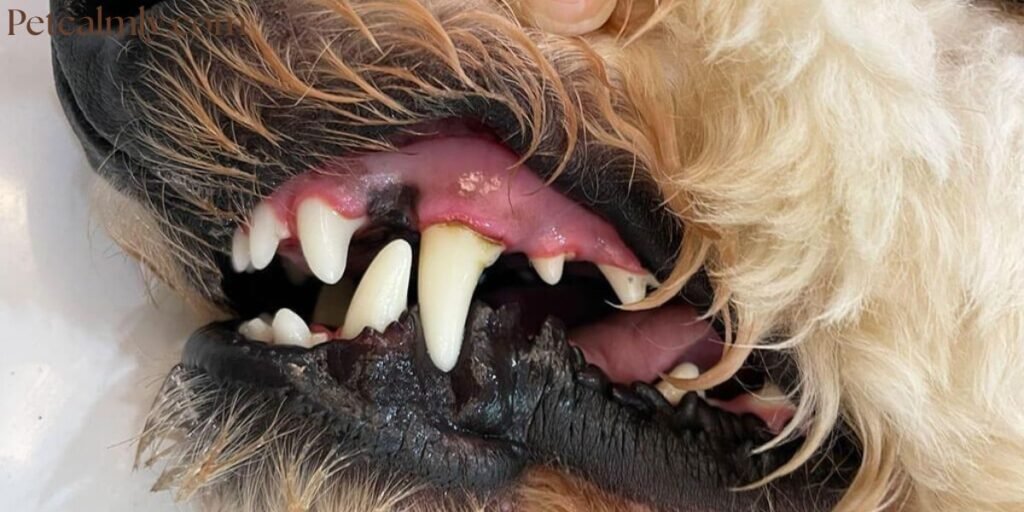
Look inside the mouth: yellow or brown tartar on teeth, red/swollen gums, or bleeding when touched.
Your dog may paw at their mouth, drool more, or drop food while eating. They might chew only on one side or avoid hard kibble.
Other signs: loose/broken teeth, facial swelling, reduced appetite, or reluctance to play with toys.
If you spot any, don’t wait—early action saves teeth.
When Should You Be Concerned?
Be concerned right away if you notice:
- Persistent bad breath that doesn’t improve
- Visible tartar buildup or discolored teeth
- Bleeding gums or blood in drool
- Swelling around the jaw or face
- Difficulty eating, weight loss, or refusal to eat for over a day
- Loose, broken, or wobbly teeth
- Excessive drooling, pawing at the mouth, or head shaking
These point to gingivitis, periodontal disease, fractures, or abscesses. Untreated, they cause chronic pain and systemic issues.
Schedule a vet visit immediately. Annual dental exams catch problems early, even if your dog seems fine.
For puppies or seniors, check more often pups may have retained baby teeth, while older dogs face bone loss.
What Should Pet Owners Do? Actionable Steps for Healthy Dog Teeth
Start small and build habits. Here’s how to keep dog teeth healthy at home.
Brush Regularly – The Gold Standard
Brushing removes plaque before it turns to tartar. Aim for daily, but 3–4 times weekly helps a lot.
Use enzymatic dog toothpaste (never human—xylitol is toxic). Flavors like peanut butter or chicken make it fun.
Choose a soft dog toothbrush, finger brush, or soft cloth.
Steps to brush:
- Let your dog taste the toothpaste first—reward with praise.
- Gently lift lips to expose teeth.
- Brush outer surfaces in small circles or back-and-forth, focusing on gum line.
- Start with front teeth, then sides—inside is bonus if tolerated.
- Keep sessions short (30–60 seconds) and positive.
For reluctant dogs, start by touching the mouth daily, then add paste on your finger.
Offer Dental Chews and Toys
Approved chews (look for VOHC seal) reduce tartar through mechanical action and enzymes.
Options include Greenies, Virbac C.E.T. VeggieDent, or ProDen PlaqueOff bites.
Give one daily, sized right for your dog supervise to prevent choking.
Textured toys or rawhide alternatives scrape teeth gently.
Avoid very hard items like antlers—they fracture teeth.
Choose Dental-Friendly Foods
Dry kibble helps scrub teeth—some formulas coat kibble to fight plaque.
Add crunch veggies like carrots or apples as treats (in moderation).
Avoid sticky human foods or sugary scraps.
Water additives or dental powders sprinkle on food for extra protection.
Schedule Professional Cleanings
Home care prevents, but vets remove deep tartar under anesthesia.
Most dogs need cleanings yearly or every 1–2 years more for high-risk breeds.
Exams include X-rays to check roots and bone.
Other Helpful Tools
Dental wipes for quick cleanups.
Oral gels or sprays for on-the-go care.
Consult your vet for personalized picks.
Consistency beats perfection—mix methods for best results.
More Information About Pets, Please Visit Our Website: How to Keep Dog Teeth Healthy Without Brushing
Conclusion
Healthy dog teeth mean less pain, better eating, and fewer vet emergencies. Brush regularly, use VOHC-approved chews, feed wisely, and visit the vet for checkups.
Start today even a few minutes of care makes a big difference. Your dog relies on you for comfort, so give them a pain-free mouth and brighter days ahead.
With these steps, you’ll notice fresher breath, stronger chewing, and a more playful pup. Your efforts pay off in years of good health.
Frequently Asked Questions
How often should I brush my dog’s teeth?
Brush daily for the best results, but at least 3–4 times a week prevents most buildup. Use dog toothpaste and make it positive with treats—your dog may even look forward to it.
Are dental treats really effective for dog teeth?
Yes, VOHC-approved ones like Greenies or Virbac reduce tartar through chewing action and ingredients. Give them daily as supplements to brushing, but supervise and choose the right size.
What if my dog won’t let me brush their teeth?
Start slow: let them lick toothpaste, touch their mouth gently, then use a finger brush. Try wipes, water additives, or dental diets as backups. Patience and rewards help most dogs accept it over time.
Can bad breath in dogs be normal?
No—mild odor is okay, but strong or fishy breath signals plaque or disease. Check for other signs and see a vet if it persists despite home care.
How much does a professional dog dental cleaning cost?
Costs vary by location and dog size, often $300–$800 including anesthesia and extras. It’s worth it to prevent bigger issues—ask your vet for estimates.
Do certain breeds need extra dental attention?
Yes—small breeds (like Chihuahuas or Pugs) get crowded teeth and more plaque. Brachycephalic or flat-faced dogs may struggle too. Larger breeds risk fractures from hard chews. Tailor care to your dog’s breed and age.