Dehydration in cats is a serious condition that can sneak up on pet owners, often going unnoticed until it becomes severe. As a cat parent, understanding the signs of dehydration in cats is crucial for maintaining your feline friend’s health. Cats are particularly prone to dehydration because they have a low thirst drive, stemming from their desert-dwelling ancestors who got most of their moisture from prey. In modern homes, this can lead to issues if they’re not getting enough fluids through their diet or water bowl. This article dives deep into cat dehydration symptoms, causes, how to check for them, treatment options, and prevention strategies. By recognizing early warning signs like dry gums or lethargy, you can act quickly to prevent complications. Whether you’re dealing with a picky eater or a senior cat, knowing how to tell if your cat is dehydrated could save their life.
Dehydration occurs when a cat’s body loses more fluids than it takes in, disrupting the balance of electrolytes essential for bodily functions. Even mild dehydration can affect organs like the kidneys and heart, while severe cases can lead to shock or organ failure. According to veterinary experts, signs of dehydration in cats often overlap with other illnesses, making it vital to monitor your pet closely. In this comprehensive guide, we’ll cover everything from subtle cat dehydration symptoms to actionable steps for hydration. If you’re searching for “what are the signs of dehydration in cats,” you’ve come to the right place for reliable, vet-backed information.
Understanding Dehydration in Cats
What Is Dehydration and Why Does It Happen?
Dehydration in cats isn’t just about not drinking enough water it’s a systemic issue where fluid loss outpaces intake. Cats need a delicate balance of water and electrolytes like sodium, potassium, and calcium to keep their muscles, nerves, and organs functioning properly. When this balance is off, cells can’t operate efficiently, leading to symptoms that range from mild tiredness to life-threatening collapse.
Cats are uniquely susceptible because their evolutionary background means they don’t feel thirsty as readily as dogs or humans. In the wild, they relied on moisture-rich food, but domestic cats on dry kibble diets may not compensate by drinking more. Factors like age play a role too: kittens and senior cats dehydrate faster due to immature or declining kidney function. Environmental conditions, such as hot weather or dry indoor air from heating systems, can exacerbate the problem by increasing evaporation through breathing and panting.
How Common Is Dehydration in Cats?
Dehydration is more common than you might think, especially in households where cats eat primarily dry food. Veterinary clinics report that up to 10-15% of feline visits involve some level of dehydration, often linked to underlying issues like kidney disease or diabetes. If your cat is vomiting, has diarrhea, or isn’t eating, dehydration can set in within hours. Recognizing dehydration signs early is key to avoiding emergency vet trips. Pet owners often search for “cat dehydration symptoms” after noticing subtle changes, like reduced playfulness, which could signal the start of trouble.
Causes of Dehydration in Cats
Understanding the root causes of dehydration in cats helps in prevention and early intervention. Dehydration doesn’t happen in isolation it’s usually triggered by a combination of factors that lead to excessive fluid loss or inadequate intake.
Common Everyday Causes
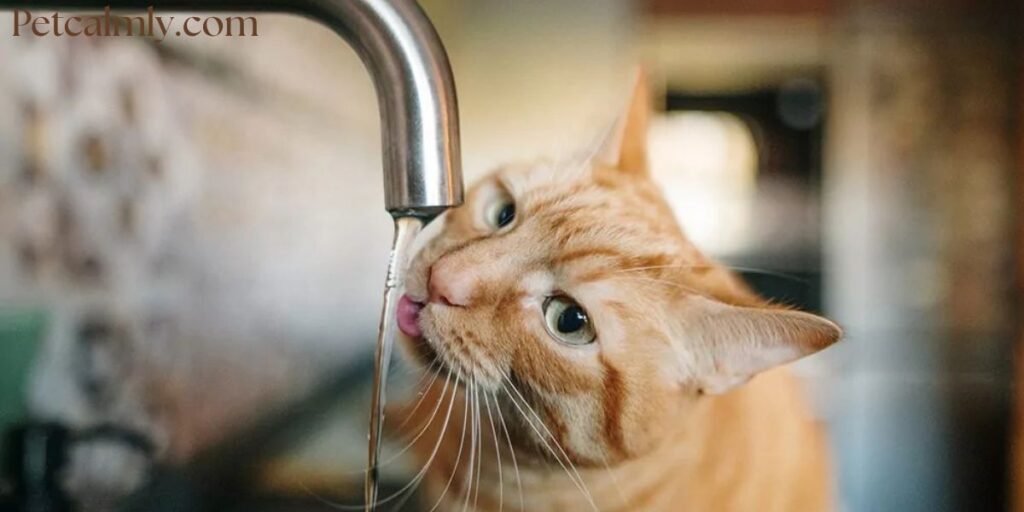
One of the most frequent culprits is simply not drinking enough water. Cats on dry food diets get little moisture from their meals, so they must rely on their water bowl. If the water is stale, dirty, or in a noisy location, your cat might avoid it. Hot summer months or dry winter air can increase fluid loss through respiration, making hydration harder to maintain.
Health-Related Causes
Illnesses are a major contributor to cat dehydration. Conditions like chronic kidney disease, diabetes, or hyperthyroidism cause increased urination, flushing out fluids faster than they can be replaced. Gastrointestinal issues such as vomiting or diarrhea lead to rapid dehydration, as fluids are lost through the digestive tract. Infections, fever, or even dental pain can make eating and drinking uncomfortable, indirectly causing dehydration.
Age and Lifestyle Factors
Kittens, seniors, and outdoor cats are at higher risk. Young cats have higher metabolic rates and may not drink consistently, while older ones might have reduced kidney efficiency. Outdoor explorers could face heat exposure or limited water access. Even stress from changes in routine, like moving or introducing a new pet, can suppress appetite and thirst, leading to signs of dehydration in cats over time.
By identifying these causes, you can tailor your cat’s environment and diet to minimize risks. For instance, switching to wet food can provide up to 80% of their daily fluid needs, reducing the chance of dehydration symptoms appearing.
Recognizing the Signs of Dehydration in Cats
Spotting the signs of dehydration in cats early can make all the difference. Cats are masters at hiding illness, so subtle changes in behavior or appearance might be your only clues. Here’s a breakdown of the most common cat dehydration symptoms, from mild to severe.
Early Signs to Watch For
In the initial stages, dehydration might show as lethargy or low energy. Your normally playful cat could seem listless, sleeping more and interacting less. Loss of appetite is another red flag if they’re turning up their nose at meals, they’re not getting the moisture from food either. Panting, which is unusual in cats unless they’re stressed or overheated, can indicate the body trying to cool down amid fluid imbalance.
Dry or tacky gums are a telltale sign. Gently lift your cat’s lip; healthy gums should be moist and slippery. If they’re sticky or dry, dehydration is likely. Pale gums or tongue can accompany this, as blood flow concentrates on vital organs.
Physical Tests for Dehydration
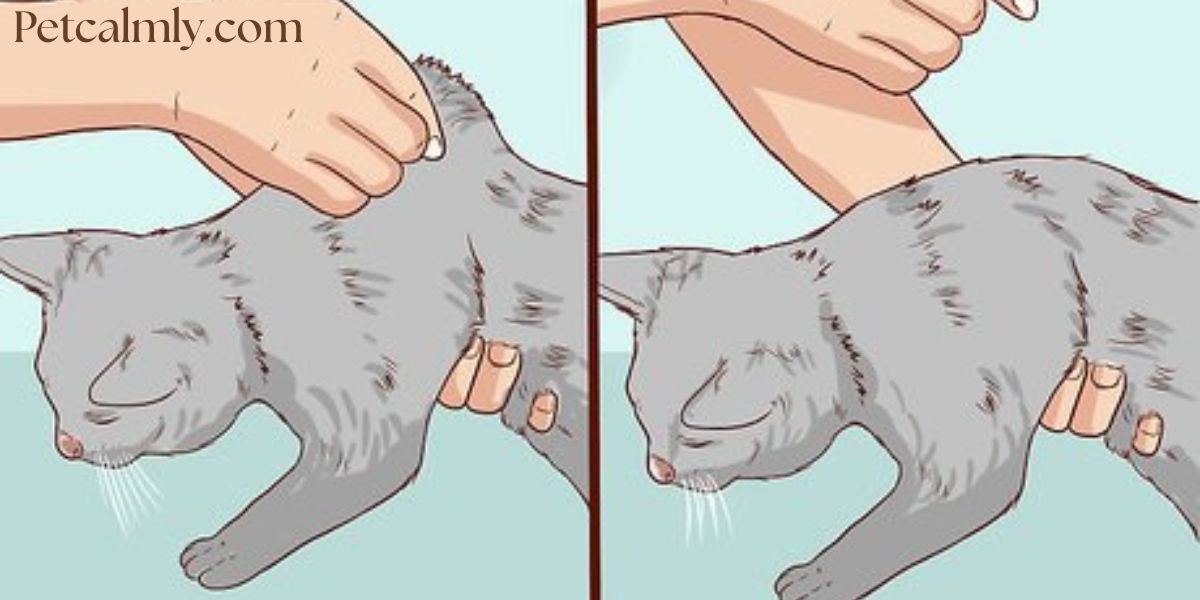
The skin tent test is a simple at-home check for signs of dehydration in cats. Gently pinch the skin between your cat’s shoulder blades and release it. In a hydrated cat, it snaps back immediately. If it returns slowly or stays tented, fluids are low. Note: This test is less reliable in overweight, elderly, or very thin cats due to natural skin elasticity variations.
Sunken eyes are a more visible symptom, giving your cat a hollow, dull look. This happens as fat pads behind the eyes shrink from fluid loss. Weakness or unsteadiness might follow, with some cats collapsing in severe cases.
Severe Symptoms Requiring Immediate Attention
Advanced dehydration signs include reduced urination or dark, concentrated urine, indicating kidney strain. Constipation with hard, pebble-like stools is common, as the body pulls water from the intestines. An increased heart rate, detectable by feeling the chest, signals the heart working harder to circulate thickened blood. If you notice any of these, seek vet care right away delaying can lead to organ damage.
Remember, these symptoms can mimic other conditions, so professional diagnosis is essential. Searching for “how to tell if cat is dehydrated” often leads pet owners to these tests, but they’re just starting points.
How to Diagnose Dehydration in Cats at Home and at the Vet
At-Home Checks
Beyond the skin tent and gum tests, monitor your cat’s water intake. A 10-pound cat needs about 8 ounces daily. Weigh their food and water bowls to track consumption. Check litter box habits fewer clumps or darker urine are warning signs of dehydration in cats.
Veterinary Diagnosis
Vets use blood tests to measure packed cell volume (PCV), which rises in dehydrated cats as blood thickens. Urine specific gravity tests assess concentration, while electrolyte panels identify imbalances. A full physical exam rules out underlying causes like infections or organ disease. Early vet intervention based on observed cat dehydration symptoms can prevent escalation.
Treatment for Dehydration in Cats
Treating dehydration in cats requires prompt action, but home remedies alone aren’t enough for moderate to severe cases.
Immediate Home Care
Encourage drinking with fresh water, low-sodium broth, or tuna juice (in water, not oil). Wet food boosts fluid intake. Avoid forcing water orally it risks aspiration pneumonia.
Veterinary Treatments
For mild dehydration, vets administer subcutaneous fluids under the skin, often as an outpatient procedure. Severe cases need hospitalization with IV fluids to restore balance quickly. Treatment addresses the cause, like antibiotics for infections or diet changes for kidney issues. Recovery can take days, with follow-up monitoring essential.
Costs vary, but expect $100-500 for initial care, more for hospitalization. Always prioritize vet advice over DIY solutions when signs of dehydration in cats appear.
Prevention Tips for Dehydration in Cats
Preventing dehydration is easier than treating it. Incorporate these strategies to keep your cat hydrated.
Diet and Water Access
Switch to wet food or mix it with dry kibble for added moisture. Provide multiple water sources fountains mimic running water, appealing to picky drinkers. Clean bowls daily to avoid bacteria.
Environmental Adjustments
Keep your home cool and humidified. For outdoor cats, ensure shaded water access. Monitor seniors and kittens closely, as they’re more vulnerable.
Routine Monitoring
Weigh your cat weekly; sudden loss could indicate dehydration. Schedule annual vet check-ups to catch predisposing conditions early. By focusing on prevention, you reduce the risk of ever seeing cat dehydration symptoms.
Frequently Asked Questions
1. What are the most common signs of dehydration in cats?
The top signs include dry or tacky gums, sunken eyes, lethargy, loss of skin elasticity, and reduced appetite. Early detection through tests like the skin tent can help.
2. How can I tell if my cat is dehydrated using the skin test?
Gently pinch the skin on their shoulder blades. If it doesn’t snap back quickly, your cat may be dehydrated. This is one of the easiest ways to check cat dehydration symptoms at home.
3. Why do cats get dehydrated so easily?
Cats have a low thirst drive and often eat dry food, which lacks moisture. Illnesses like diarrhea or kidney disease accelerate fluid loss, leading to signs of dehydration in cats.
4. Can I treat dehydration in cats at home?
For mild cases, offer wet food or broth, but always consult a vet. Severe dehydration requires professional fluids to avoid complications.
5. How much water should my cat drink daily?
A general rule is 4 ounces per 5 pounds of body weight. For a 10-pound cat, that’s about 8 ounces. Monitor to prevent dehydration symptoms.
6. Are certain cats more prone to dehydration?
Yes, kittens, seniors, and those with chronic illnesses like diabetes are at higher risk. Outdoor cats in hot climates also face greater chances of showing signs of dehydration in cats.
More Information About Pets, Please Visit Our Website: Petcalmly.com
Do Cats Remember Their Siblings When They Die?
Conclusion
In summary, recognizing the signs of dehydration in cats such as lethargy, dry gums, sunken eyes, and poor skin elasticity is essential for every cat owner. By understanding causes like illness or inadequate water intake, and implementing prevention measures like wet food diets and fresh water fountains, you can safeguard your pet’s health. Don’t hesitate to consult a veterinarian if you suspect dehydration; early action can prevent serious issues. Staying informed about cat dehydration symptoms ensures your furry companion stays happy, healthy, and hydrated. Always prioritize their well-being for a long, vibrant life together.