Short direct answer
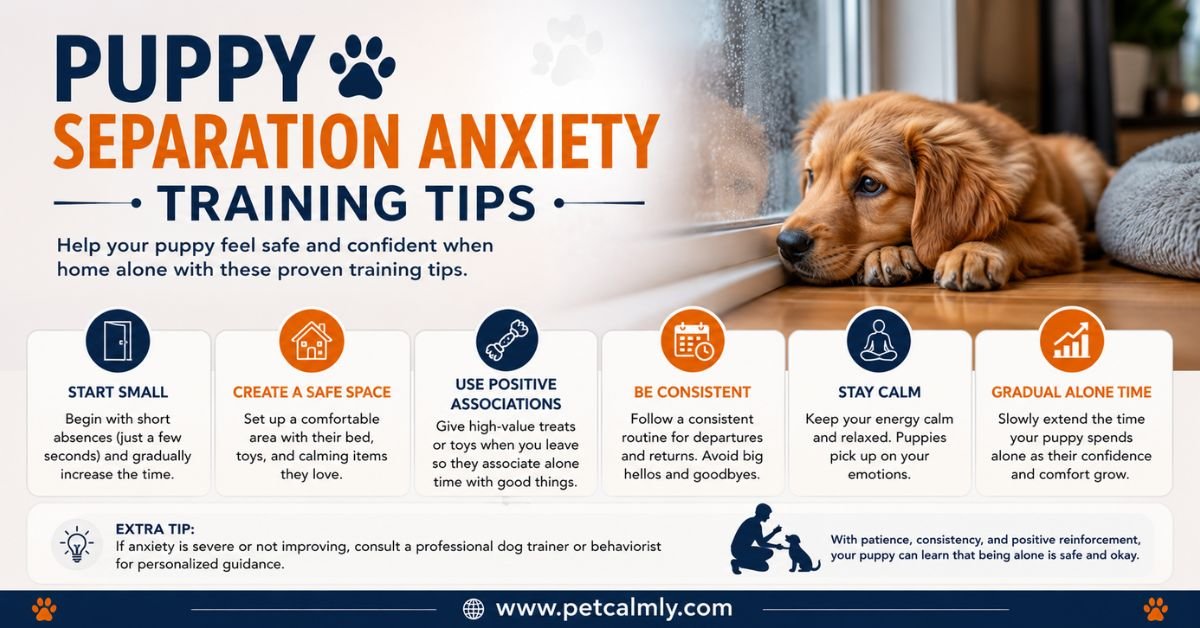
Small dog obedience training is straightforward and highly effective when you use positive reinforcement, short sessions, and consistent cues. Focus on basic commands like sit, stay, come, and loose-leash walking, while treating your tiny companion like a full dog not a baby. With patience and the right approach, even the smallest breeds become well-mannered, confident pets that are a joy to live with.
Why Small Dog Obedience Training Matters for Every Owner
Owning a small breed like a Chihuahua, Yorkshire Terrier, Pomeranian, or Shih Tzu brings immense joy. These dogs fit perfectly into apartments, travel easily, and form incredibly close bonds with their families. Yet many owners discover that without proper guidance, these little ones develop habits that cause frustration endless barking at the doorbell, refusing to come when called, or acting like tiny tyrants on the leash.
The truth is, small dogs need obedience training just as much as larger breeds. Training builds confidence, prevents “small dog syndrome,” and keeps everyone safe. A well-trained small dog walks calmly beside you instead of pulling or darting into traffic. It greets visitors politely rather than nipping ankles. Most importantly, training strengthens the trust between you and your pet, turning everyday life into a smoother, happier experience.
Many people assume tiny dogs don’t require much structure because they’re cute and portable. In reality, skipping obedience work often leads to behavioral challenges that grow over time. Early, positive small dog obedience training helps your pup understand boundaries while feeling secure in a world that can feel overwhelming due to its size.
7 Common Challenges in Training Small Breeds
Small dogs face unique hurdles during obedience work. Their size makes some issues more noticeable, while their bold personalities can add stubbornness.
One frequent problem is small dog syndrome where owners unintentionally encourage bossy or fearful behaviors by constantly picking the dog up when it barks or acts out. This teaches the dog that aggression or anxiety gets rewarded with elevation and attention. Over time, the pup may become reactive toward other dogs, strangers, or even family members.
Excessive barking ranks high on the list too. Small breeds often feel the need to alert their “pack” to every sound because they perceive themselves as vulnerable. Without training, this natural watchdog instinct turns into nonstop noise that stresses both the dog and the household.
Potty training can take longer with tiny dogs. Their small bladders mean more frequent needs, and owners sometimes miss subtle signals. Accidents happen more easily, leading to frustration if routines aren’t rock-solid.
Leash reactivity and poor recall present another set of issues. A small dog that darts away or pulls can quickly end up in danger. Many owners struggle because bending down constantly to deliver rewards or corrections feels awkward, leading to inconsistent training.
Socialization gaps also appear common. Some small dogs grow fearful or snappy around larger dogs simply because they lacked safe, gradual introductions as puppies. Without proper exposure, they learn to use barking or lunging as defense mechanisms.
Physical fragility adds complexity. You must protect tiny joints and bones during training, avoiding harsh corrections or overly long sessions that could cause injury or burnout.
Understanding the Root Causes Behind These Behaviors
Most obedience problems in small dogs stem from three main factors: lack of clear communication, unintentional reinforcement of unwanted habits, and insufficient mental and physical outlets.
Dogs thrive on consistency. When family members use different words or tones for the same command, confusion follows. A small dog might ignore “come” one day because yesterday it heard “here, sweetie” instead.
Human body language plays a big role too. Towering over a tiny dog can feel intimidating. Many owners lean forward or use big gestures, which small breeds interpret as threats rather than guidance.
Boredom fuels many issues. Small dogs have sharp minds despite their size. Without daily training games or enrichment, they invent their own entertainment chewing shoes, barking at shadows, or demanding constant lap time.
Fear or insecurity often underlies reactivity. Because small dogs are closer to the ground, everyday sights like passing feet, loud vacuums, or big dogs can feel overwhelming. Without tools to cope, they default to defensive behaviors.
Genetics and breed traits contribute as well. Terriers tend to be feisty and independent, while toy breeds may lean toward alertness and attachment. Recognizing these tendencies helps tailor your small dog obedience training approach without labeling the dog as “difficult.”
7 Signs Your Small Dog Needs More Focused Obedience Work
Watch for these everyday clues that indicate training could improve your life together:
- Your dog barks nonstop at doorbells, visitors, or other animals.
- It refuses to come when called, especially outdoors.
- Leash walks turn into tug-of-war sessions or sudden zooming.
- The dog jumps on guests or nips at heels during play.
- Potty accidents continue well past puppyhood despite regular outings.
- Your pup growls or snaps when you try to move it from furniture or pick it up.
- It shows fear trembling, hiding, or excessive panting in new situations.
These signs don’t mean your dog is “bad.” They simply show that clear communication and positive habits haven’t been fully established yet. Addressing them early through small dog obedience training prevents bigger issues later.
Real-Life Examples of Small Dog Training Success
Consider Max, a feisty 4-pound Chihuahua mix who barked at every neighbor and refused to walk on leash. His owner started with 5-minute daily sessions using pea-sized treats. Within two weeks, Max learned “quiet” and began offering calm sits for rewards instead of frantic yapping. Leash training followed using a comfortable harness and high-value rewards placed on a spoon to avoid constant bending. Today Max enjoys relaxed neighborhood strolls.
Or take Luna, a Pomeranian who developed “small dog syndrome” after being carried everywhere as a puppy. Her family stopped picking her up during reactive moments and instead taught an “off” cue combined with a designated mat for settling. They practiced doorway manners so Luna waited politely instead of bolting. The change in her confidence was remarkable she now greets visitors with wags rather than warning growls.
These stories highlight a key point: small dog obedience training works when you stay patient, consistent, and focused on positive reinforcement.
When Should You Be Concerned?
Most small dog behavior issues respond well to dedicated home training. However, certain situations call for extra support to protect your pet’s well-being and safety.
Seek professional guidance if aggression escalates growling, snapping, or biting that seems unprovoked or intense. Even small dogs can cause injury, especially to children or elderly family members. Persistent fear responses, such as hiding for hours or panicking during storms, also warrant attention, as they may signal deeper anxiety.
If potty training shows no progress after consistent effort, or if your dog suddenly starts having accidents after being reliable, a vet visit comes first. Medical issues like urinary tract infections can mimic behavioral problems.
Excessive destructiveness, separation anxiety that causes self-harm or nonstop vocalization, or reactivity that makes walks impossible are all red flags. When behaviors affect your dog’s quality of life or your ability to enjoy time together, don’t hesitate to consult a certified positive-reinforcement trainer or veterinary behaviorist.
Early intervention almost always leads to better outcomes. A good professional can observe your specific dynamic and create a tailored plan that feels manageable for busy owners.
What Should Pet Owners Do? Step-by-Step Action Plan for Small Dog Obedience Training
Start today with these practical, dog-friendly steps. Keep every interaction positive your tiny friend wants to please you when shown how.
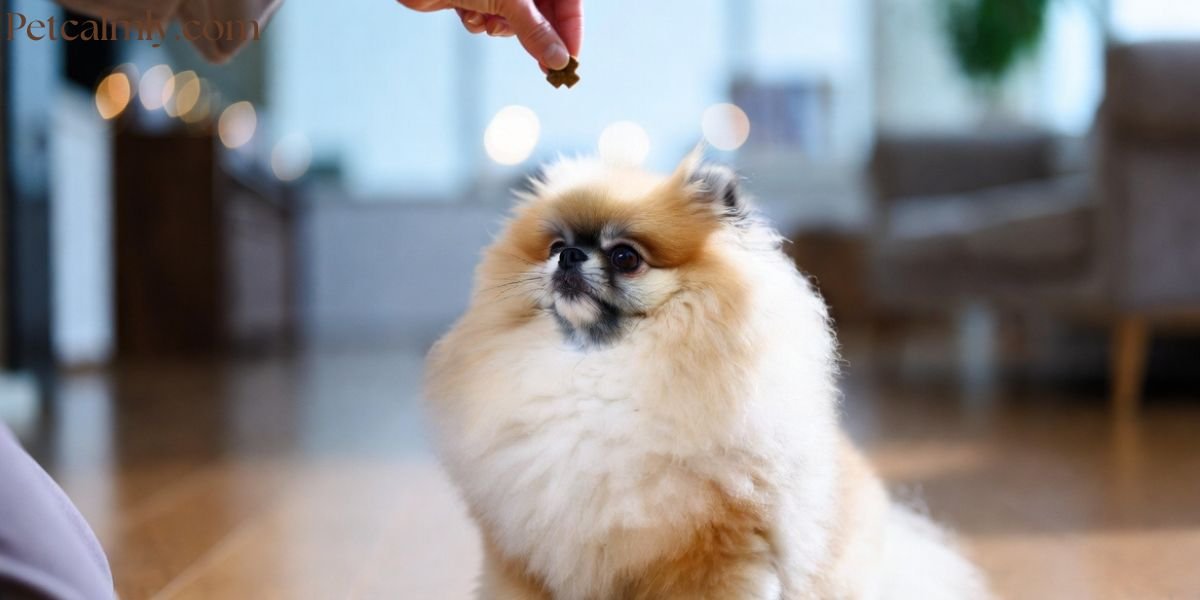
1. Set Up for Success Choose a quiet space with few distractions. Gather tiny, soft treats (pea-sized or smaller to avoid overfeeding). Use a clicker if you like, or simply mark good behavior with a cheerful “yes!” Use a well-fitted harness for leash work rather than a collar that could strain the neck.
2. Master the Basics with Short, Fun Sessions Limit sessions to 5–10 minutes, several times daily. Small dogs have short attention spans, so ending on a high note keeps them eager for more.
- Sit: Hold a treat above the nose and move it slightly back. As the head tilts up, the bottom naturally drops. Mark and reward. Practice before meals or playtime.
- Stay: Start with one second, gradually increasing duration and distance. Use a hand signal (palm facing the dog) for clarity.
- Come (Recall): Practice indoors first on a long line. Call happily, reward generously when your dog arrives, and never punish for coming late. Make it a game run backward while calling to build excitement.
- Down: Lure from a sit position by moving the treat toward the floor between the front paws. Reward small progress at first.
3. Teach Loose-Leash Walking Use high-value rewards delivered at nose level via a spoon or by having your dog place front paws on your leg. Stop walking the moment the leash tightens. Reward when it’s slack. Practice in low-distraction areas before heading outside.
4. Address Common Issues Proactively For barking, teach a “quiet” cue by rewarding moments of silence after an alert bark. For jumping, turn away and only give attention when all four paws are on the floor. Redirect nipping with a toy and praise calm play.
5. Build Socialization and Confidence Expose your small dog gradually to new people, sounds, and friendly dogs in controlled settings. Puppy classes designed for small breeds offer safe practice. Never force interactions let your dog choose to approach at its own pace.
6. Incorporate Enrichment and Routine Mental stimulation prevents boredom-driven mischief. Use puzzle toys, scatter feeding, or short training games that involve sniffing and problem-solving. Stick to a predictable daily schedule for meals, potty breaks, and training.
7. Avoid These Common Mistakes Never pick your dog up to “rescue” it from unwanted behavior—this reinforces the issue. Avoid yelling or physical corrections; they damage trust and increase fear. Don’t use tiny dogs as constant lap warmers without earning the privilege through calm behavior first. Inconsistency across family members confuses the dog agree on cues and rules together.
Tips for Long-Term Success Vary rewards to keep motivation high rotate between treats, praise, toys, and play. Gradually increase difficulty by adding distractions or distance. Track progress in a simple notebook to stay motivated. Celebrate small wins; every reliable “sit” builds toward a reliably obedient companion.
Many owners find that training becomes a bonding ritual rather than a chore. Sitting on the floor or using a raised platform makes sessions comfortable for both of you. Some trainers recommend practicing on a sturdy chair or couch so your small dog can see cues clearly without you looming overhead.
Building a Lifelong Positive Relationship Through Training
Consistent small dog obedience training does more than teach commands. It creates a shared language that reduces stress for everyone. Your dog learns it can trust you to guide it through a big world. You gain a pet that feels secure and eager to cooperate.
Remember that progress isn’t always linear. Some days your pup will shine; others may feel slower. Stay patient and adjust as needed. If one method isn’t clicking, try a different reward or break the skill into even smaller steps.
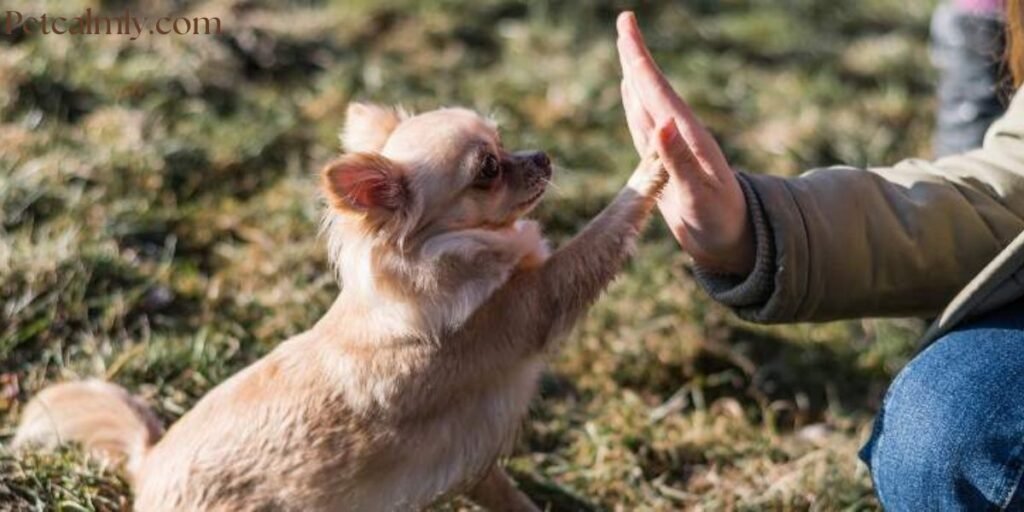
Many small-breed owners eventually expand into fun tricks like spin, high-five, or chin rest. These build focus and provide excellent mental exercise. Advanced activities such as agility (scaled for tiny legs) or scent work can channel energy beautifully.
Conclusion
Effective small dog obedience training boils down to kindness, consistency, and respect for your dog’s size and personality. Start with the basics using positive reinforcement, keep sessions short and upbeat, and treat your tiny companion like the capable dog it is. Address challenges early, seek help when needed, and celebrate every step forward.
With dedication, your small breed can become a polite, confident, and happy member of the family whether navigating busy sidewalks or relaxing calmly at home. The time you invest now pays off for years in better behavior, stronger bonding, and fewer frustrations. Your little dog is ready and willing to learn. Give it the guidance it deserves, and enjoy the wonderful companion that emerges.
More Information About Pets, Please Visit Our Website: Why Is My Dog Suddenly Scared of My Other Dog?
New Puppy Crying at Night: Stop It Fast! (2026)
Frequently Asked Questions
1: How long does it take to train a small dog basic obedience?
Most small breeds pick up core commands like sit, stay, and come within a few weeks of consistent daily practice. Full reliability, especially with distractions, may take 2–6 months depending on the dog’s age, personality, and your consistency. Patience and short sessions speed things up.
2: Are small dogs harder to train than large breeds?
Not inherently. Small dogs can be just as trainable, but they often need adjustments for size such as using tiny treats, raised surfaces for practice, and extra care during leash work. The main difference comes from owners treating them more like babies than dogs, which can slow progress.
3: What is the best age to start small dog obedience training?
Begin as soon as your puppy comes home, ideally at 8–12 weeks old. Early socialization and basic manners prevent many common issues. Adult small dogs can learn successfully too consistency matters more than age.
4: Should I use treats for small dog training, and how many?
Yes, positive reinforcement with treats works wonderfully. Use very small, low-calorie pieces to avoid weight gain. Combine with praise and play so your dog stays motivated even when treats are phased out later.
5: How do I stop my small dog from barking excessively during training?
Teach a “quiet” command by rewarding calm moments after an alert bark. Provide enough mental and physical exercise to reduce boredom. Address underlying triggers like fear or attention-seeking through consistent routines and desensitization.
6: When is it time to hire a professional trainer for my small dog?
Consider professional help if aggression, severe fear, or persistent issues like poor recall don’t improve after several weeks of dedicated effort. Also seek guidance for safety concerns or if behaviors affect your dog’s happiness or your daily life. A force-free trainer experienced with small breeds can make a big difference.