Short direct answer
The early signs of rabies in humans often mimic a mild flu-like illness and include fever, headache, general weakness or discomfort, and unusual sensations like tingling, prickling, itching, pain, or burning at the site of the bite or scratch. These initial symptoms typically appear after an incubation period of weeks to months (usually 1-3 months) and last a few days before progressing to more severe neurological issues. Recognizing them quickly is critical because rabies is almost always fatal once full symptoms develop, but prompt medical care after exposure can prevent it entirely.
As a pet owner, this topic hits close to home. Rabies is a viral disease that spreads primarily through the saliva of infected animals most often via bites from dogs, cats, bats, raccoons, or other wildlife. While rare in vaccinated pets in many places, stray or unvaccinated animals pose real risks, especially in regions where rabies circulates in wildlife or domestic dogs. Understanding the early signs in humans helps you act fast if a bite occurs, protecting yourself, your family, and potentially saving a life. Rabies prevention starts with vigilance around pets and wildlife.
How Rabies Spreads to Humans and Why Early Detection Matters
Rabies virus travels from the bite wound along nerves to the brain, causing inflammation (encephalitis). The virus comes from infected mammals dogs account for most global human cases, but in places like the US, bats are a leading source.
The incubation period varies widely from as short as a few days to over a year depending on bite location (closer to the head means faster progression), wound severity, viral load, and individual factors like age.
During this time, no symptoms show, but the virus is active. That’s why immediate action after any potential exposure is essential post-exposure prophylaxis (PEP) works only before symptoms start.
Early signs appear in the prodromal phase, the first stage after incubation. This phase lasts 2-10 days and signals the virus reaching the central nervous system. Missing these subtle clues delays life-saving care.
The Earliest Symptoms: What to Watch For
The very first clues are often nonspecific and easy to dismiss as a common cold or stress.
- Flu-like feelings: Fever (usually low-grade), headache, fatigue, and malaise make many people think it’s just a virus going around.
- Unusual sensations at the exposure site: Tingling, prickling, itching, burning, numbness, or pain around the bite or scratch area stands out as a rabies hallmark. This paresthesia happens because the virus affects local nerves early.
- Other mild complaints: Nausea, vomiting, sore throat, cough, muscle aches, or loss of appetite may join in.
These early signs of rabies in humans resemble many illnesses, but the combination especially odd feelings at the wound raises red flags.
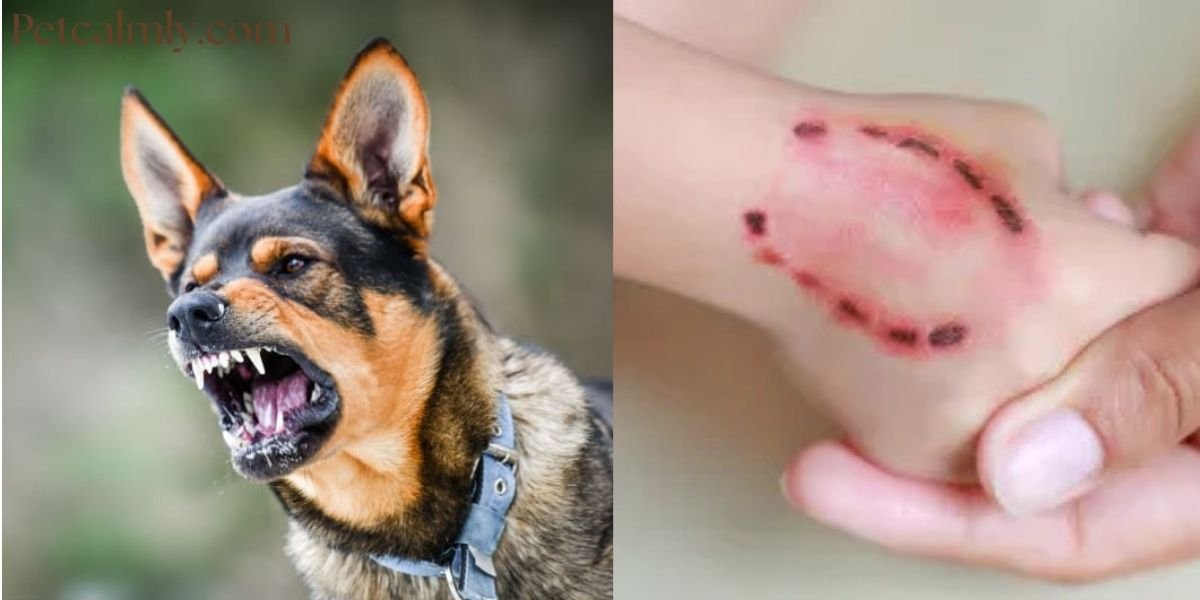
Imagine a person bitten by a stray dog on the hand. Weeks later, they feel run-down with a headache and fever. Then, an itchy, burning sensation starts at the old bite mark. They might scratch it absentmindedly, thinking it’s healing oddly. This is the prodromal phase still time for help if recognized.
In contrast, flu doesn’t typically cause localized nerve sensations at an old injury site.

Progression: From Early Signs to Severe Stages
If untreated, symptoms worsen quickly often within days to two weeks of the first signs.
The disease splits into two main forms:
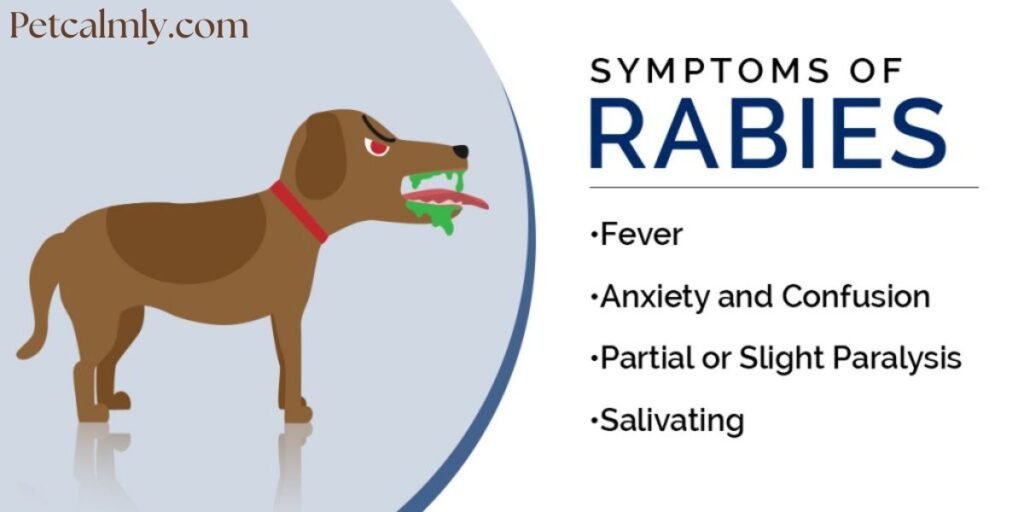
- Furious rabies (most common, about 80% of cases): Hyperactivity, extreme agitation, confusion, anxiety, insomnia, hallucinations, and bizarre behavior emerge. Classic signs include hydrophobia (fear of water painful throat spasms when trying to drink, even seeing water triggers panic) and aerophobia (fear of drafts). Excessive salivation (“foaming at the mouth”) occurs from swallowing difficulty.
- Paralytic rabies (about 20%): Muscle weakness starts near the bite, spreading to paralysis, coma, without much agitation.
Both end in coma and death, usually from respiratory or heart failure, within days of severe symptoms.
Real-life tip: A child playing near a bat might get a tiny unnoticed bite. Weeks pass, then flu symptoms hit, followed by arm tingling where the bite was. Parents dismiss it until agitation sets in too late without early PEP.
When Should You Be Concerned?
Be concerned immediately after any potential rabies exposure don’t wait for symptoms.
Seek urgent medical help if:
- An animal bites, scratches, or licks broken skin/mucous membranes (eyes, mouth).
- The animal acts strangely aggressive, foaming, paralyzed or can’t be found for testing.
- It’s a high-risk animal like a bat (even tiny contact counts, as bites are small).
- You have unexplained early signs like those above, especially with recent animal contact.
Concern level rises with wound location (head/neck fastest), deep bites, or in areas with high rabies rates.
Never ignore a bat in your home even if no bite seen as they can bite sleeping people unnoticed.
If symptoms appear, rabies is nearly 100% fatal. But before symptoms? PEP is highly effective don’t hesitate.
What Should Pet Owners Do? Actionable Steps
Prevention beats treatment. Here’s a clear plan:
- Vaccinate pets: Keep dogs, cats, and ferrets up-to-date on rabies shots it’s the law in most places and protects your family.
- Avoid wildlife contact: Teach kids not to approach wild animals. Secure trash to avoid attracting raccoons or foxes.
- After a bite or scratch:
- Wash the wound immediately with soap and water for 15 minutes reduces risk dramatically.
- Seek medical care right away. Doctors assess need for PEP: rabies vaccine series plus immunoglobulin if high-risk.
- Report to animal control observe or test the animal if possible.
- Monitor for signs: If exposed, watch for early signs of rabies in humans during the incubation window, but act on exposure, not symptoms.
- Travel smart: In high-risk countries, avoid stray dogs; get pre-travel vaccines if needed.
Quick scenario: Your dog nips a neighbor during play. Clean the wound, see a doctor for evaluation, and quarantine the dog (usually 10 days) to confirm no rabies. This prevents unnecessary worry or missed care.
More Information About Pets, Please Visit Our Website: How to Keep Dog Skin Healthy
Conclusion
Early signs of rabies in humans fever, headache, weakness, and especially tingling or pain at the bite site are subtle but crucial warnings. They appear after a variable incubation period, often mimicking flu, but lead to fatal encephalitis if ignored.
As pet lovers, we owe it to our families and communities to prioritize vaccination, avoid risky contacts, and treat every suspicious animal encounter seriously. Rabies is preventable prompt wound care and PEP save lives.
Stay informed, keep pets protected, and never delay medical advice after exposure. Knowledge and quick action turn a scary disease into something we can control.
FAQs
How long after a bite do early signs of rabies appear in humans?
Usually 1-3 months, but it ranges from days to over a year. Factors like bite location affect timing head bites progress faster.
Can rabies symptoms start with just a headache and fever?
Yes, the earliest phase often feels like flu: fever, headache, tiredness. But look for unusual prickling at the wound too that’s a key clue.
Is hydrophobia an early sign of rabies?
No, fear of water usually comes later, in the acute neurologic phase. Early signs are milder, like flu symptoms and site sensations.
Do all rabies cases show the same early symptoms?
Not exactly most have flu-like feelings and wound tingling, but some vary slightly. Paralytic form may focus more on weakness early.
What if I was bitten by a vaccinated pet?
Low risk, but still wash the wound and consult a doctor. Vaccinated pets rarely carry rabies, but evaluation ensures safety.
Is rabies treatable once early signs appear?
Unfortunately, no once symptoms start, it’s almost always fatal. That’s why prevention after exposure is urgent, before any signs show.