Short direct answer
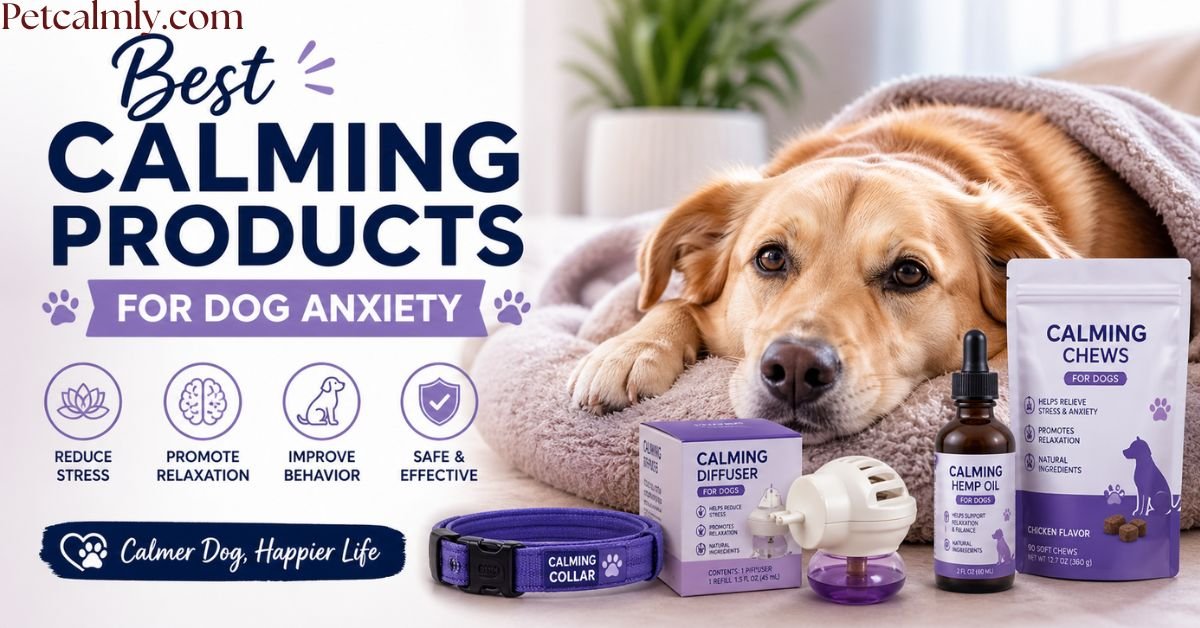
The best calming collar for dogs is usually one that safely releases calming pheromones and fits your dog’s specific anxiety triggers, age, and lifestyle. For many pet owners, pheromone-based collars are the most practical option because they provide continuous support for dogs dealing with separation anxiety, travel stress, loud noises, or adjustment to new environments.
While calming collars are not a cure for severe anxiety, they can be a helpful part of a broader behavior management plan that includes training, routine, exercise, and environmental enrichment.
If your dog struggles with mild to moderate stress, a quality calming collar may help them feel more relaxed and comfortable throughout the day.
Best Calming Collar for Dogs: Complete Buyer’s Guide for Anxious Pets
Watching your dog pace around the house, bark excessively, tremble during thunderstorms, or panic when left alone can be heartbreaking. Many owners search for solutions that are gentle, easy to use, and safe for everyday support.
That is exactly why calming collars have become increasingly popular.
These collars are designed to provide ongoing comfort without requiring daily treats, medications, or complicated routines. Some dogs show noticeable improvement, while others may need additional behavioral support.
The challenge is figuring out which calming collar is worth trying and whether it fits your dog’s particular situation.
In this guide, you’ll learn:
- How calming collars work
- Which dogs benefit most
- What features matter when choosing one
- Common mistakes owners make
- Safety considerations
- When anxiety requires veterinary attention
- How to maximize results naturally
By the end, you’ll have a much clearer understanding of whether a calming collar is the right choice for your dog.
What Is a Calming Collar for Dogs?
Quick Answer
A calming collar is a wearable product designed to reduce stress and anxiety in dogs through calming ingredients, most commonly dog-appeasing pheromones.
Unlike regular collars, calming collars slowly release soothing substances around your dog’s nose and face throughout the day.
The goal is to help your dog feel safer and more relaxed in stressful situations.
Common reasons owners use calming collars include:
- Separation anxiety
- Thunderstorm fear
- Firework anxiety
- Travel stress
- New home adjustment
- Multi-pet household tension
- Veterinary visit stress
- General nervous behavior
Many dogs experience occasional anxiety, especially during major life changes or unfamiliar situations.
How Do Calming Collars Work?
Most calming collars work by releasing synthetic versions of natural calming pheromones.
These pheromones mimic signals produced by mother dogs when nursing puppies. Puppies instinctively associate these scents with safety, comfort, and security.
Even adult dogs can respond positively to these signals.
When worn continuously, the collar releases small amounts of pheromones that spread through your dog’s body heat.
The dog inhales the scent and may experience:
- Reduced nervousness
- Improved relaxation
- Less pacing
- Reduced whining
- Better adjustment to stressful environments
Some collars use additional ingredients such as:
- Lavender
- Chamomile
- Essential oil blends
However, pheromone-based collars generally have the strongest research support compared to herbal alternatives.
Do Calming Collars Actually Work?
In Short
Yes, calming collars can help some dogs, but results vary significantly.
Dogs with mild or situational anxiety often benefit the most.
Examples include:
- Moving to a new home
- Traveling
- Introducing a new pet
- Temporary separation stress
- Noise sensitivity
However, severe anxiety disorders usually require a more comprehensive treatment plan.
A calming collar should be viewed as a supportive tool rather than a standalone cure.
Think of it like lowering your dog’s stress level slightly, making it easier for them to learn, adapt, and cope.
Signs Your Dog May Benefit from a Calming Collar
Many owners don’t realize that anxiety can appear in subtle ways.
Your dog may benefit from a calming collar if you notice:
Physical Signs
- Trembling
- Excessive panting
- Restlessness
- Dilated pupils
- Drooling
- Shaking
Behavioral Signs
- Pacing
- Clinginess
- Destructive chewing
- Excessive barking
- Hiding
- Whining
Environmental Triggers
- Fireworks
- Thunderstorms
- Car rides
- Boarding facilities
- Visitors
- New environments
The more predictable the trigger, the easier it is to evaluate whether the collar helps.
Types of Calming Collars
Not all calming collars are created equally.
Pheromone Collars
These are the most commonly recommended.
Pros:
- Drug-free
- Widely available
- Continuous support
- Suitable for most dogs
Cons:
- May not help severe anxiety
- Effectiveness varies
Herbal Calming Collars
These collars may contain:
- Lavender
- Chamomile
- Valerian
- Natural oils
Pros:
- Natural ingredients
- Pleasant scent
Cons:
- Scientific evidence is limited
- Some dogs dislike strong fragrances
Combination Calming Collars
Some products combine pheromones with botanical ingredients.
Pros:
- Multiple calming approaches
Cons:
- Can be more expensive
- Some dogs may be sensitive to fragrances
What Makes the Best Calming Collar for Dogs?
Choosing the right product involves more than reading a few reviews.
Here are the most important factors.
Safety First
The collar should:
- Be non-toxic
- Use dog-safe ingredients
- Have clear manufacturer instructions
- Be suitable for your dog’s age and size
Avoid products that make unrealistic claims.
No collar can instantly cure anxiety.
Duration of Effectiveness
Most quality collars last between 30 and 60 days.
Longer-lasting collars often provide better value.
Check:
- Replacement schedule
- Activity limitations
- Water resistance
Proper Fit
A poorly fitted collar may reduce effectiveness.
You should be able to fit two fingers comfortably between the collar and your dog’s neck.
Too loose:
- Reduced pheromone exposure
Too tight:
- Discomfort
- Skin irritation
Water Resistance
Dogs that swim frequently may wear through collars faster.
Read manufacturer recommendations regarding:
- Bathing
- Swimming
- Heavy rain
Best Situations for Using a Calming Collar
Calming collars tend to work best when anxiety is linked to specific situations.
Examples include:
New Puppy Adjustment
Young puppies face numerous stressors:
- New home
- New family
- New routines
A calming collar may help ease the transition.
Separation Anxiety Support
For dogs that become distressed when owners leave, a calming collar may reduce baseline stress.
However, training remains essential.
Noise Anxiety
Thunderstorms and fireworks commonly trigger fear.
A calming collar may provide additional comfort when combined with:
- White noise
- Safe hiding spaces
- Desensitization training
Travel Stress
Many dogs struggle with:
- Car rides
- Air travel
- Hotel stays
The continuous calming effect may help some dogs remain more relaxed.
5 Common Mistakes Dog Owners Make
Calming collars often fail because of unrealistic expectations.
1: Expecting Instant Results
Some dogs require several days before showing improvement.
Patience matters.
2: Ignoring Training
A collar cannot teach coping skills.
Behavior modification remains important.
3: Using the Wrong Size
An oversized collar may not work effectively.
Always follow sizing guidelines.
4: Replacing It Too Late
Expired collars lose effectiveness.
Keep track of replacement dates.
5: Overlooking Medical Causes
Pain, illness, and discomfort can mimic anxiety.
Behavioral changes should not automatically be blamed on stress.
Calming Collar vs Other Anxiety Solutions
| Option | Best For | Pros | Cons |
|---|---|---|---|
| Calming Collar | Mild anxiety | Easy, continuous support | Not a complete solution |
| Calming Treats | Temporary stress | Convenient | Effects vary |
| Training | Long-term improvement | Addresses root causes | Requires consistency |
| Environmental Management | Situational anxiety | Very effective | Needs planning |
| Prescription Medication | Severe anxiety | Stronger support | Requires veterinary guidance |
The most successful approach often combines multiple strategies.
Daily Routine to Maximize Results
If you’re using a calming collar, support it with healthy habits.
Morning
- Exercise before long periods alone
- Provide mental enrichment
- Maintain consistent routines
Midday
- Interactive toys
- Puzzle feeders
- Safe chew items
Evening
- Calm activities
- Predictable schedule
- Comfortable sleeping area
Dogs generally handle stress better when daily life feels predictable.
Dog Breeds That May Be More Anxiety-Prone
Any dog can develop anxiety.
However, some breeds may be more sensitive due to temperament and genetics.
Examples include:
- Border Collies
- Australian Shepherds
- German Shepherds
- Vizslas
- Cocker Spaniels
- Labrador Retrievers
- Toy breeds
This doesn’t mean every dog of these breeds will be anxious.
Individual personality matters more than breed alone.
Puppies vs Adult Dogs: Does It Matter?
Yes.
Puppies
Puppies are constantly encountering new experiences.
Calming collars may help during:
- Socialization
- Crate training
- Transition periods
Adult Dogs
Adult dogs often develop anxiety because of:
- Environmental changes
- Loss of routine
- Previous negative experiences
The underlying cause should always be addressed.
What to Avoid When Using a Calming Collar
Do not rely exclusively on a collar while ignoring obvious stress triggers.
Avoid:
- Punishing fearful behavior
- Forcing exposure to scary situations
- Inconsistent routines
- Excessive isolation
- Using multiple calming products without guidance
Fear-based behavior responds best to patience and gradual confidence-building.
When Should You Worry?
Some signs suggest anxiety may be severe enough to require professional help.
Contact your veterinarian if your dog shows:
- Self-injury
- Panic attacks
- Aggression caused by fear
- Extreme destruction
- Refusal to eat
- Continuous distress
- Sudden behavioral changes
These signs may indicate medical issues or significant anxiety disorders.
Early intervention usually leads to better outcomes.
What Should Pet Owners Do?
If you’re considering a calming collar, follow these steps:
- Identify your dog’s triggers.
- Choose a properly fitted collar.
- Use it consistently.
- Track behavioral changes.
- Support with exercise and enrichment.
- Introduce behavior training.
- Consult your veterinarian if symptoms persist.
The goal is not simply to suppress behavior.
The goal is helping your dog feel safer and more confident.
Helpful Checklist Before Buying a Calming Collar
✔ Appropriate size for your dog
✔ Pheromone-based formula preferred
✔ Good safety reputation
✔ Clear replacement schedule
✔ Suitable for your dog’s lifestyle
✔ Positive user feedback
✔ Realistic expectations
✔ Plan to combine with training
Internal Resources You May Also Find Helpful
To build a complete anxiety-management plan, consider exploring:
- Dog separation anxiety training guides
- Best calming treats for dogs
- How to create a safe space for anxious pets
- Puppy socialization tips
- Natural ways to reduce dog stress
- Signs of chronic anxiety in dogs
These topics work together and often provide better results than any single product.
Conclusion
The best calming collar for dogs is one that matches your dog’s specific needs and is used as part of a broader anxiety-management strategy. For many dogs experiencing mild to moderate stress, pheromone collars offer a simple, drug-free way to provide ongoing comfort throughout the day.
While they are not miracle solutions, they can make stressful situations easier to handle and may help your dog feel more secure during challenging moments.
Pay attention to your dog’s triggers, maintain realistic expectations, and combine the collar with training, exercise, mental enrichment, and a predictable routine. If anxiety becomes severe or starts affecting your dog’s quality of life, don’t hesitate to seek veterinary guidance.
A calmer dog usually comes from a combination of support, understanding, and patience not from any single product alone.
More Information About Pets, Please Visit Our Website: Luxury Pet Grooming Products Reviews
Frequently Asked Questions
1: What is the best calming collar for dogs with separation anxiety?
Pheromone-based collars are generally the most popular option for separation anxiety. They may help lower stress levels, but training and gradual independence exercises remain essential.
2: How long does a calming collar take to work?
Some dogs show improvement within a few days, while others may take one to two weeks. Results depend on the dog’s temperament and anxiety severity.
3: Can puppies wear calming collars?
Many calming collars are designed for puppies, but always check the manufacturer’s age recommendations and safety instructions before use.
4: Are calming collars safe for everyday use?
Most quality pheromone collars are intended for continuous daily wear and are considered safe when used according to instructions.
5: Do calming collars help during fireworks and thunderstorms?
They can provide additional support during noise-triggered stress, especially when combined with a quiet safe space and positive coping strategies.
6: What if a calming collar doesn’t help my dog?
If you see little or no improvement after consistent use, consider consulting your veterinarian or a qualified behavior professional to explore additional anxiety-management options.