Short direct answer
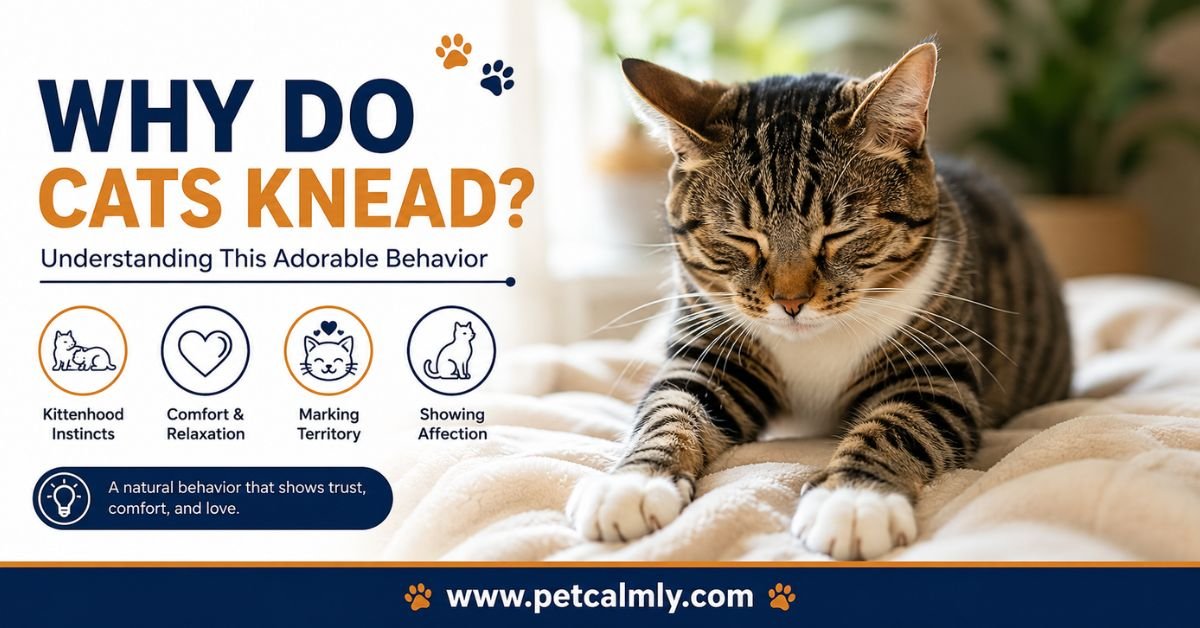
When cats knead, they’re pushing their paws rhythmically in and out against a soft surface usually your lap or a blanket. Kneading typically signals contentment and comfort, rooted in kitten nursing behavior, but it can also indicate marking territory, preparation for sleep, or even stress in certain contexts. Most kneading is perfectly normal and actually a positive sign that your cat feels safe and loved.
Introduction
If you’ve ever had a cat settle into your lap and start paddling their paws against you, you know that peculiar sensation rhythmic, sometimes with claws slightly extended, and oddly soothing to watch. That’s cat kneading, and it’s one of the most endearing (and sometimes slightly uncomfortable) behaviors cats display.
The question “why do cats knead?” comes up constantly in cat owner conversations, and for good reason. Unlike some cat behaviors that seem purely mysterious, kneading is deeply rooted in feline biology, emotion, and instinct. Understanding it helps you read your cat’s emotional state, strengthen your bond, and recognize when occasional kneading might signal something worth paying attention to.
This guide walks you through everything about cat kneading: what triggers it, what it really means, how it develops from kittenhood, and what to do if your cat’s kneading becomes excessive or painful for you.
Why Do Cats Knead? The Core Reasons Behind This Behavior
Comfort and Contentment (The Most Common Reason)
The most frequently observed reason cats knead is simple: they’re comfortable and happy. When your cat settles into your lap and starts kneading, they’re expressing deep contentment. You’ll often notice their eyes half-closing, purring intensifying, and body language becoming noticeably more relaxed.
This comfort-based kneading is rooted in early kitten development. When kittens nurse from their mothers, they naturally knead their mother’s belly with their front paws to stimulate milk flow. This behavior becomes deeply associated with safety, nutrition, and maternal comfort. Even as adult cats, the physical act of kneading recreates that sense of security and belonging.
Many cat behaviorists describe this as cats “rewinding” to their youngest, most vulnerable moments—not because anything is wrong, but because kneading literally feels like home to them. When your adult cat kneads your lap or a cozy blanket, they’re essentially telling you: “I feel as safe with you as I felt with my mother.”
Scent Marking and Territorial Behavior
Cats have scent glands in the paw pads of their front feet. Every time your cat kneads a surface your clothes, your lap, their favorite blanket, or a piece of furniture they’re leaving behind their scent. This isn’t about claiming you as territory in an aggressive way; it’s more subtle than that.
By kneading and scent-marking, your cat is creating a familiar olfactory environment. They’re mixing their scent with yours, essentially creating a shared identity space. It’s a way of saying, “This belongs to our family. This is safe territory.”
This is also why cats often knead items that already smell like you: your bed, your clothes while you’re wearing them, or blankets you’ve recently used. The combination of their scent and yours creates a deeply comforting sensory experience.
Preparation for Sleep or Relaxation
Before settling down for sleep, many cats will knead their chosen sleeping surface whether that’s their bed, a cushion, or your lap. Evolutionarily, wild cats knead down tall grass or other materials to create a comfortable, safe nest for sleeping. They’re instinctively “fluffing” and arranging their resting area.
In modern indoor cats, this instinct persists even though they don’t actually need to do this. The behavior remains hardwired in their nervous system, and engaging in it even on a soft couch cushion activates a relaxation response. It’s almost meditative for them.
Stress or Anxiety (Less Common, But Important to Recognize)
While the majority of kneading is associated with positive emotions, occasional kneading can also indicate stress or mild anxiety. Some cats knead when they’re nervous before a vet appointment, during times of household change, or when they’re seeking comfort during uncertainty.
The distinction is usually visible in the rest of their body language: stressed kneading might be accompanied by a tucked tail, flattened ears, or a tense posture, whereas contentment kneading typically involves a relaxed body, purring, and slow blinks. If your cat is kneading frequently but showing other signs of stress (hiding, reduced appetite, changes in litter box habits), it’s worth investigating whether something in their environment has shifted.
How Cat Kneading Develops: From Kitten to Adult
The Nursing Connection
Kneading behavior emerges very early in a kitten’s life. Newborn kittens begin kneading their mother within hours of birth, long before their eyes even open. This instinctive behavior helps stimulate milk production and creates bonding between mother and offspring.
The tactile sensation of kneading, combined with nursing, creates one of the most powerful associative memories in a kitten’s developing brain: that touch equals comfort, food, and safety. This imprint doesn’t fade with age; it actually persists throughout the cat’s entire life.
Even kittens orphaned early or hand-raised by humans often develop robust kneading behavior because the impulse is so deeply rooted in feline neurobiology. They’ll knead on bottle nipples, on their caregivers’ hands or laps, and later on soft surfaces around their environment.
Why Adult Cats Never Outgrow It
Unlike many kitten behaviors that fade with maturity (like intense play-fighting or climbing on everything in sight), kneading rarely decreases with age. Some cats knead frequently throughout their entire lives; others reserve it for special moments. The variation in frequency and context is partly individual personality, partly about their life experiences and current environment.
Cats with secure, nurturing relationships with their owners tend to knead more frequently. Rescue cats who’ve experienced trauma or instability might knead less often or only in very specific, safe contexts. Some indoor cats who spend considerable time with their owners develop elaborate kneading routines; outdoor cats with less frequent human interaction might knead less visibly.
This isn’t about “needing” to grow out of it it’s simply that kneading becomes integrated into the adult cat’s emotional vocabulary. It’s a language they speak when expressing comfort and trust.
What Different Kneading Patterns Actually Mean
Gentle Kneading with Retracted Claws
When your cat kneads with claws fully retracted and uses soft pressure, they’re in a deeply relaxed, content state. This is the ideal version of kneading for both cat and owner. They’re comfortable, their nervous system is calm, and they’re fully trusting of you.
This pattern indicates your cat feels completely safe and secure in that moment. It’s also the most pleasant version to experience—no discomfort, and it’s actually quite soothing to witness.
Energetic Kneading with Extended Claws
Some cats get so enthusiastic about kneading that they extend their claws rhythmically. This doesn’t mean they’re aggressive; it’s simply an amplified expression of contentment. They’re so caught up in the positive feelings that they’re not controlling their claws as carefully.
This type of kneading usually means your cat is experiencing heightened positive emotion—perhaps you just came home after being away, or you’re having an especially good bonding moment. The extended claws are more about enthusiasm than intent.
Of course, this pattern can be uncomfortable for owners, especially if your cat does this on bare legs or delicate skin. It doesn’t indicate anything wrong with your cat just that their enthusiasm exceeds caution.
Rapid-Fire, Intense Kneading
Some cats shift into high-speed kneading mode, cycling their paws quickly and sometimes appearing almost frantic. This is often seen in younger cats or cats in heightened emotional states. It can indicate excitement, anticipation (like waiting for dinner), or even mild stress.
If combined with other signs of agitation ears back, tail swishing, vocalization rapid kneading might suggest your cat is anxious about something. But in isolation, especially before feeding time or playtime, it’s usually just enthusiasm.
Kneading Primarily on Soft, Specific Materials
Some cats are extremely selective about where they knead. They might only knead blankets, never furniture; or they might knead exclusively on your lap when you’re wearing certain fabrics. This selectivity often comes down to texture and scent association.
A cat might knead specifically on blankets that smell like their mother, or blankets that you’ve designated as their “nest.” This targeted kneading is still comfort-seeking, but it’s more intentional and less frequent than cats who knead more opportunistically.
The Science Behind Feline Kneading: What Happens in Your Cat’s Body and Mind
Neurological Pathways and Memory
Kneading activates deep neural pathways in a cat’s brain that are forged in infancy. Brain imaging studies of feline behavior suggest that when cats engage in kneading, they’re accessing limbic system areas associated with emotional memory and comfort essentially, they’re experiencing the neurological equivalent of a warm memory.
The repetitive, rhythmic motion of kneading also has a calming effect on the cat’s central nervous system. Much like how humans find repetitive activities (knitting, walking, swimming) soothing, cats experience kneading as a self-soothing mechanism. It’s not just emotional comfort; it’s also physiological calm.
The Purring Connection
Cats who knead almost always purr simultaneously. The purr vocalization and the kneading motion together create a dual-channel comfort signal. The purr communicates contentment through sound while kneading communicates it through touch and scent marking.
Interestingly, some cats are more vocal than others about their kneading. Some purr loudly while they knead; others barely audible. The intensity of purring doesn’t necessarily correlate with the intensity of contentment—it’s often just individual personality.
Hormonal Shifts During Kneading
Kneading triggers the release of calming neurochemicals in cats, including endorphins and oxytocin (sometimes called the “bonding hormone” or “love hormone”). The same hormones that were present during nursing remain activated by the repetitive kneading motion decades later.
For cats that have experienced stress or trauma, kneading can serve as a genuine anxiety-reduction technique. The act of kneading literally changes their neurochemistry in positive ways. This is partly why anxious cats sometimes knead more intensely or more frequently they’re instinctively self-soothing.
4 Common Mistakes Cat Owners Make About Kneading
1: Assuming Kneading Means Your Cat is “Broken” or Overly Dependent
Some cat owners worry that frequent kneading in adult cats indicates the cat is emotionally immature, overly clingy, or has “issues.” This isn’t accurate. Kneading is a normal, healthy behavior in cats of all ages. A cat who kneads frequently is often a cat who feels secure in their environment and their relationship with you.
If anything, a cat who can knead comfortably is demonstrating emotional health. They feel safe enough to be vulnerable, trust enough to relax deeply, and have healthy attachment styles.
2: Punishing or Discouraging Kneading
Some owners, particularly those whose cats knead with extended claws, try to discourage or punish the behavior. This is counterproductive. Kneading serves important emotional and psychological functions for cats. Discouraging it creates unnecessary stress and can actually damage the trust between cat and owner.
If claw extension is the issue, better solutions exist: trimming your cat’s nails regularly, providing scratching posts to keep nails maintained, placing a blanket between your cat’s claws and your skin, or gently redirecting their paws to a blanket instead of your lap.
3: Misinterpreting Stress-Based Kneading as Simple Contentment
If your cat is kneading but also hiding, showing reduced appetite, or displaying other stress signals, it’s important not to dismiss the kneading as purely positive. Context matters. Your cat might be seeking comfort because something has triggered anxiety, not because they’re simply happy.
Observing the full picture of your cat’s behavior not just isolated actions gives you accurate insight into their emotional state.
4: Ignoring Changes in Kneading Patterns
Most cats maintain relatively consistent kneading habits. If your cat suddenly stops kneading when they previously did it regularly, or conversely, dramatically increases kneading frequency, it’s worth noting. These changes sometimes correlate with environmental changes, medical issues, or shifts in your cat’s emotional state.
This doesn’t mean you need to panic, but it’s information worth considering.
When Should You Be Concerned About Your Cat’s Kneading?
Excessive Kneading With Signs of Stress or Anxiety
If your cat is kneading constantly, to the point where it interferes with other activities, and this excessive kneading is accompanied by stress behaviors (excessive meowing, hiding, not eating well, over-grooming), it’s worth exploring potential stressors in their environment.
Look for recent changes: new pets, moving, construction noise, changes to your routine, or household tension. Cats are sensitive to these shifts, and while kneading is their comfort mechanism, excessive kneading combined with stress signals suggests they need additional support.
Environmental enrichment, interactive play, or creating dedicated safe spaces can help. If the behavior persists beyond a few weeks, a consultation with your veterinarian or a feline behavior specialist is reasonable.
Kneading Associated With Excessive Drooling or Dental Issues
Occasionally, kneading combined with excessive drooling, bad breath, or visible mouth discomfort suggests an underlying dental or oral health issue. Sometimes cats instinctively return to nursing-like behaviors (including kneading) when they’re experiencing mouth pain, as part of their attempt to self-soothe.
If you notice excessive drooling alongside kneading, or if your cat’s breath becomes noticeably foul, a veterinary dental exam is warranted.
Repetitive or Compulsive Kneading Without Normal Behavior Variation
Very rarely, compulsive kneading where a cat kneads obsessively and repetitively, almost mechanically, without engagement with their environment can indicate neurological issues or severe anxiety. Healthy kneading is part of a varied behavioral repertoire; compulsive repetition that seems divorced from normal cat activities is different.
This is unusual, but if you observe this pattern, veterinary evaluation is recommended to rule out underlying health or neurological concerns.
Kneading With Signs of Physical Injury or Pain
If your cat limps, flinches, or shows pain responses while or after kneading, this might indicate joint issues, arthritis, or paw pain. Even though kneading typically feels good to cats, if they’re experiencing discomfort, continuing to knead might worsen the issue.
Any visible pain response during kneading warrants a veterinary assessment.
Practical Guide: How to Respond to Your Cat’s Kneading
Encouraging Healthy Kneading (When It’s Comfortable)
If you enjoy your cat’s kneading and your cat’s claws aren’t an issue, you can gently encourage this bonding behavior by:
- Creating a designated kneading zone: Drape a specific blanket or cushion across your lap when you’re sitting, signaling that this is the appropriate place for kneading.
- Using positive reinforcement: Offer treats or extra affection when your cat settles down and kneads gently.
- Providing soft textures: Keep cozy blankets and cushions available—some cats have texture preferences and will seek out their favorite surfaces for kneading.
- Maintaining a calm environment: Kneading happens most freely when cats feel relaxed. Stress reduction benefits everyone involved.
Managing Claw-Related Discomfort
If your cat kneads but extends their claws uncomfortably:
- Regular nail trims: Keep your cat’s nails trimmed short (every 2-3 weeks for most cats). Shorter nails cause less discomfort during kneading and scratching.
- Use a barrier: Place a thick blanket, pillow, or folded towel between your cat’s paws and your skin during kneading sessions.
- Offer alternative kneading surfaces: Position blankets or cushions that your cat can knead instead of your lap. Some cats will transfer their kneading to these surfaces if they’re positioned right.
- Redirect gently: If your cat extends claws painfully, don’t punish instead, gently lift their paws and place them on a blanket. Reward them for kneading the blanket instead.
Responding to Stress-Related Kneading
If you suspect your cat’s kneading relates to anxiety or stress:
- Identify and address stressors: Look for recent changes in household routine, environment, or social dynamics. Can you eliminate or reduce the trigger?
- Provide enrichment: Increase environmental enrichment with climbing structures, window perches, interactive toys, and play sessions to build confidence and reduce anxiety.
- Create safe spaces: Ensure your cat has quiet areas where they can retreat and feel secure.
- Maintain routine: Cats thrive with predictability. Consistent feeding times, play sessions, and attention help reduce baseline anxiety.
- Consider pheromone support: Products like Feliway (synthetic feline calming pheromones) can help reduce anxiety in some cats.
If stress-related behaviors persist beyond 2-3 weeks or interfere with your cat’s quality of life, consult your veterinarian or a certified cat behavior consultant.
Understanding Your Cat’s Individual Kneading Style
Why Some Cats Knead Frequently (and Others Don’t)
Individual variation in kneading frequency depends on several factors: early kitten experiences, current living situation, personality type, and relationship history with humans.
Cats who were weaned gradually and had extended nursing time often knead more frequently as adults. Cats with secure, nurturing relationships with their owners tend to knead more openly. First-generation indoor cats, or cats who came from nurturing home environments, typically knead more than rescue cats with trauma histories (though many rescue cats do eventually develop kneading behavior as they heal and trust their new environment).
Some cats are simply less physically expressive in general; they might show affection through other behaviors (head-bumping, slow blinks, proximity-seeking) more than through kneading. This is completely normal.
Breed Differences in Kneading Behavior
While all cats are capable of kneading, some breeds seem more inclined toward it. Siamese and other vocal, people-oriented breeds often knead more conspicuously and frequently. Ragdoll cats, bred specifically for docile temperament and human companionship, tend to be prolific kneaders.
However, individual personality usually outweighs breed tendencies. You’ll find some aloof Ragdolls and some extraordinarily affectionate, kneading-loving tabby cats.
Age-Related Patterns in Kneading
Kittens knead with vigor and frequency, especially during nursing and shortly after weaning. Adolescent cats (6-12 months) might seem to abandon kneading temporarily as they get caught up in play and exploration. Adult cats often settle into consistent kneading patterns—some daily, some occasional, some situational (before sleep, during specific stress, or when their owner comes home).
Senior cats sometimes increase kneading, possibly because increased comfort-seeking helps with age-related anxiety or physical discomfort. Others maintain their lifelong patterns without much change.
The Emotional Bond Between Kneading and Trust
Kneading is fundamentally a trust behavior. Your cat is choosing to recreate their most vulnerable moment (nursing infancy) in your presence. They’re telling you that you’ve created an environment safe enough to access that deep comfort.
This is why kneading is often described as the cat’s ultimate compliment. It’s not the most dramatic show of affection that might be a cat greeting you at the door or following you from room to room. But it’s perhaps the most intimate.
When your cat settles into your lap, closes their eyes, purrs, and gently kneads, they’re in a physiologically calm state with their guard completely down. They trust you with their vulnerability. This kind of trust develops over time, through consistent care, safety, gentle handling, and the absence of punishment or sudden shocks.
Not every cat will knead their owner; some show affection through different behaviors entirely. But for cats who do knead, it’s a profound indicator that your relationship is built on genuine trust.
More Information About Pets, Please Visit Our Website: Can Cats Eat Eggs?
Can Cats Eat Tuna?
Why Does My Cat Smell So Good to Me?
Frequently Asked Questions
1: Is my cat kneading normal, or is something wrong?
A: Kneading is completely normal behavior in healthy cats of all ages. In fact, it usually indicates your cat feels safe and content. The only reason to be concerned is if kneading suddenly changes in frequency or intensity, or if it’s accompanied by stress signals or signs of physical discomfort. If your cat has never kneaded and you’re wondering why, that’s just normal individual variation—some cats simply don’t express affection this way.
2: Why does my cat knead only at certain times?
A: Cats often have specific “kneading moments”—usually before sleep, during very relaxed periods, or when you first get home from work. Some cats knead primarily on specific textures or surfaces. This selectivity is normal and often relates to the cat’s current emotional state (winding down for sleep) or environmental context (certain blankets that smell like mom).
3: My cat kneads so hard with their claws that it hurts. How do I stop it?
A: Don’t try to stop kneading itself; instead, manage the claw issue. Trim your cat’s nails every 2-3 weeks, place a barrier (blanket or pillow) between your skin and their paws, or gently redirect them to knead a blanket instead of your lap. You can reward this redirection with treats or extra attention.
4: Can adult cats stop kneading?
A: Cats rarely lose the ability to knead, but they might knead less frequently as they age or if their living situation changes. Some rescue cats who had limited early socialization start kneading only after months or years of living in a nurturing home. If your cat used to knead but suddenly stopped, it’s worth considering whether environmental stress might be the cause.
5: Does excessive kneading mean my cat has separation anxiety?
A: Not necessarily. While some anxious cats do knead more, most cats who knead frequently are simply content and trusting. Separation anxiety usually involves other behaviors: excessive vocalization when you leave, destructive behavior, or elimination issues. Excessive kneading combined with these signs might suggest anxiety, but kneading alone isn’t a diagnostic indicator.
6: Is it weird that my cat kneads the air while sitting on my lap?
A: Not at all some cats do an adorable version of kneading where they “paddle” their paws in the air, not actually pressing down. This is still the same comfort behavior; they’re just using a gentler version that doesn’t involve their claws. Some cats do this when they’re especially happy but trying to be gentle with you.
Conclusion
Cat kneading is far more than a quirky behavior it’s your cat speaking a language deeply rooted in their earliest memories, current emotional state, and their trust in you. Understanding why your cat kneads helps you appreciate these moments for what they truly are: your cat choosing to be vulnerable and comfortable in your presence.
Most kneading is healthy, normal, and worth celebrating. It’s one of the beautiful ways cats communicate their affection, even if it’s sometimes accompanied by uncomfortable claws. By understanding the causes of kneading, recognizing what different patterns mean, and responding with gentle guidance rather than punishment, you’re deepening your bond with your cat.
Every time your cat settles into your lap, closes their eyes, and begins that rhythmic padding motion, remember: you’re witnessing trust in action. You’ve created a space safe enough for your cat to feel like a contented kitten again. That’s something worth cherishing.