Short direct answer
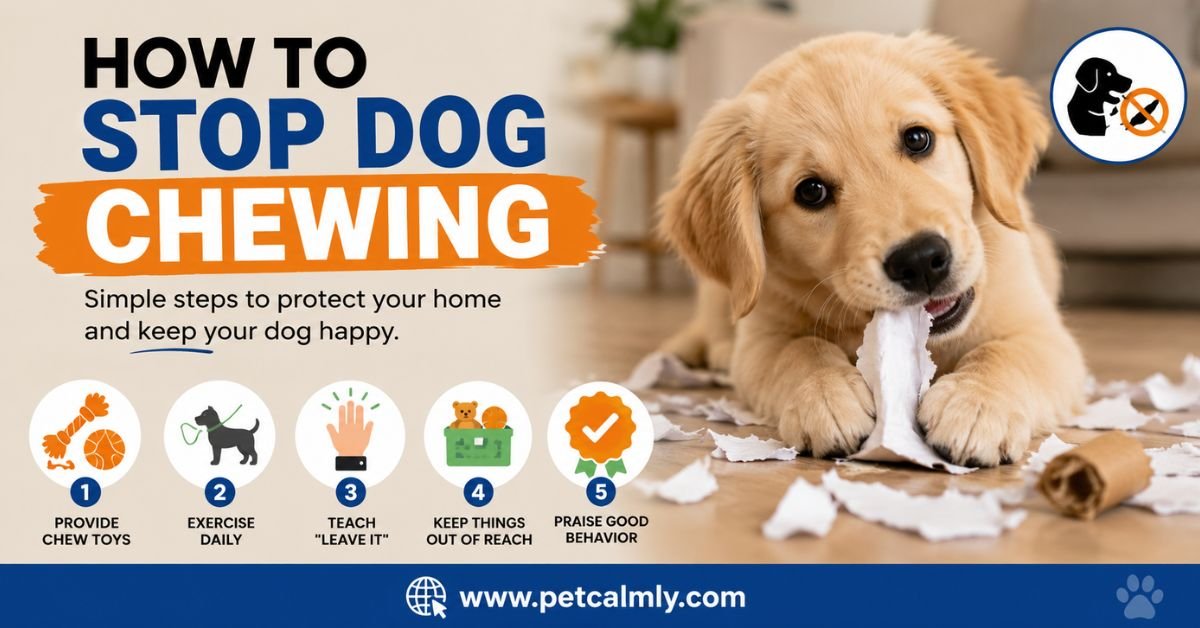
To stop a dog from chewing, first figure out why they’re doing it teething, boredom, anxiety, or plain curiosity all call for different fixes. Then remove access to off-limits items, provide appropriate chew toys that actually satisfy the urge, redirect the behavior the moment it starts, and give your dog enough physical and mental exercise that chewing stops being their only outlet. Puppies usually improve within a few months as adult teeth come in; adult dogs typically need 2–6 weeks of consistent redirection before the habit fades.
Why Your Dog Won’t Stop Chewing (And Why That’s Actually Normal)
If you’re reading this with a ruined shoe in one hand and a very unbothered dog staring back at you, take a breath. You haven’t failed. Chewing is one of the most normal things a dog can do it’s just landed on the wrong object.
Dogs don’t chew out of spite, and they’re not trying to punish you for leaving them alone. That’s a very human way of reading the situation, but it doesn’t match how dogs actually experience the world. Chewing is a physical need, a stress release, a way of exploring, and sometimes just something to do with an idle mouth. Understanding why your dog is chewing is the fastest route to actually stopping it, because a bored dog and an anxious dog need completely different solutions.
Here’s what’s usually going on:
- Puppies (8 weeks–7 months): Teething discomfort drives most chewing. New teeth pushing through gums genuinely hurt, and chewing relieves that pressure — similar to a teething baby gnawing on a cold ring.
- Adolescent dogs (6 months–2 years): This is often the peak chewing window. Adult teeth have settled in, but energy levels are high, impulse control is still developing, and boredom chewing becomes common.
- Adult dogs: Chewing at this stage is more often linked to boredom, insufficient exercise, separation anxiety, or a habit that was never fully corrected earlier on.
- Senior dogs: Chewing can increase again due to anxiety, cognitive changes, or dental discomfort — worth mentioning to your vet if it appears suddenly.
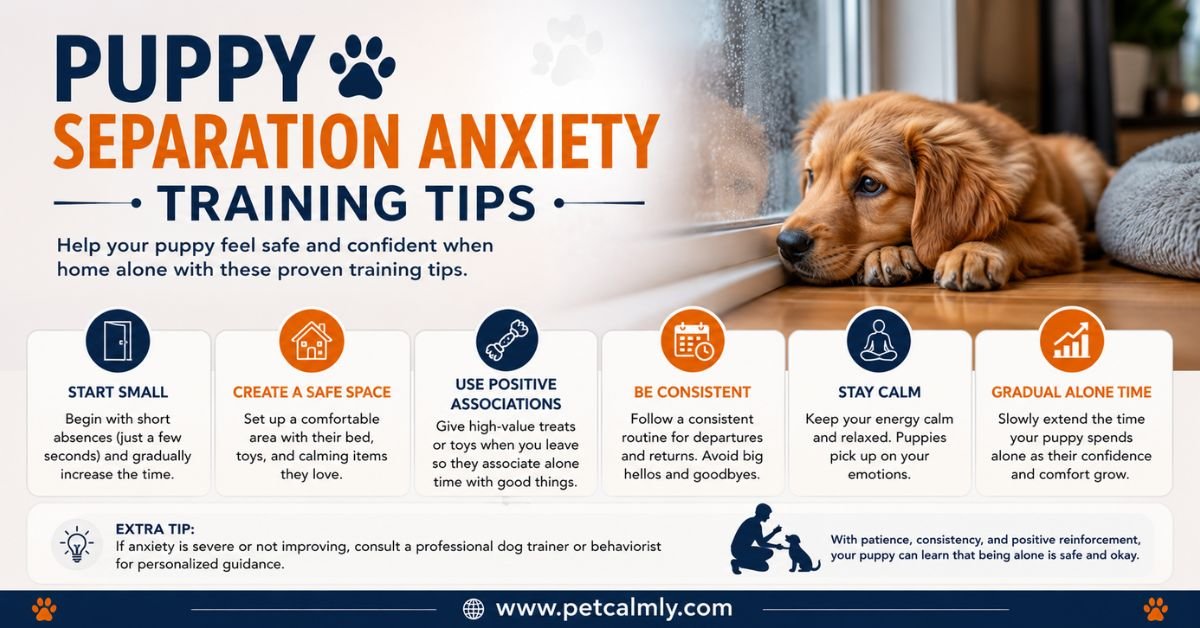
A dog that chews the moment you leave the house, chews mostly around doors and windows, or shows signs of distress (panting, drooling, pacing) before you leave is likely dealing with separation-related anxiety, not boredom — and that distinction matters for how you respond.
What Normal Chewing Looks Like vs. When It’s a Problem
Not all chewing needs to be corrected some of it needs to be redirected. Chewing itself isn’t the enemy; chewing on your favorite boots is.
Normal, healthy chewing includes:
- Working on an appropriate chew toy for 10–30 minutes
- Occasional interest in new objects out of curiosity
- Teething-related chewing in puppies under 7 months
Chewing that signals a deeper issue includes:
- Destructive chewing focused specifically on exit points (doors, window sills, crates)
- Chewing that leads to bleeding gums, broken teeth, or swallowed material
- Chewing paired with whining, pacing, or excessive drooling
- Sudden onset of chewing in a dog that never used to do it
If your dog is swallowing pieces of what they chew, or you notice vomiting, drooling, or reluctance to eat afterward, that’s a situation for your veterinarian, not a training article. Ingested material can cause intestinal blockages, which are a genuine emergency.
The Real Reasons Dogs Chew Things They Shouldn’t
Most training advice stops at “give them a toy,” but that only works if you’ve matched the right toy to the right cause. Here’s a closer look at what’s actually driving the behavior.
Teething and Oral Discomfort
Puppies lose their baby teeth between 3–6 months old, and the process is uncomfortable. Chewing on textured, cool, or slightly resistant objects soothes inflamed gums the same way a cold compress helps a sore muscle.
Boredom and Under-Stimulation
Dogs that don’t get enough physical exercise or mental engagement will often create their own entertainment — and a table leg or a phone charger is a very available option. This is especially common in working breeds (Border Collies, Labradors, German Shepherds) that were bred for jobs and now spend most of the day with nothing to do.
Separation Anxiety
For some dogs, chewing is a coping mechanism for stress, not a lack of manners. It tends to happen within the first 30 minutes after you leave and is concentrated around exits — doors, windowsills, or anything that smells strongly of you.
Attention-Seeking
If chewing on the wrong item reliably gets your attention (even negative attention, like yelling), some dogs learn that it works. A dog that watches you while chewing something forbidden is often testing for a reaction.
Curiosity and Exploration
Dogs experience the world largely through their mouths, especially early in life. New textures, smells, and objects naturally invite investigation — this is closer to a toddler picking things up than a behavioral problem.
Nutritional or Medical Factors
Less commonly, chewing on non-food items (drywall, fabric, dirt) can point to a condition called pica, which sometimes has an underlying medical or nutritional cause. If your dog is chewing and swallowing non-food items repeatedly, this is worth a vet visit rather than a training fix.
How to Stop a Puppy From Chewing
Puppy chewing responds best to management plus redirection trying to stop it through punishment alone tends to backfire and can make a puppy hide the behavior rather than change it.
- Puppy-proof your space. Move shoes, cords, and small objects out of reach. This isn’t giving up it’s removing temptation while your puppy is still learning what’s acceptable.
- Offer a chew toy before you see a problem. Keep 2–3 appropriate chew toys in every room your puppy spends time in, so one is always within reach.
- Redirect, don’t just say “no.” When you catch your puppy chewing something wrong, calmly swap it for an approved toy. Praise the moment they engage with the toy instead.
- Try frozen textures for teething relief. A slightly damp washcloth, twisted and frozen, gives real relief to sore gums (always supervise so it doesn’t shred).
- Use an exercise pen or crate when unsupervised. This isn’t a punishment it’s a safe space that prevents accidental chewing on something dangerous while you’re not watching.
- Be patient with the timeline. Most puppies significantly improve by 7–8 months as their adult teeth finish coming in and impulse control develops.
How to Stop an Adult Dog From Chewing
If your dog is past the teething stage and still chewing destructively, the cause is more likely boredom, anxiety, or an unbroken habit. The approach shifts slightly.
- Audit their daily exercise. Many chewing problems disappear with more physical activity. A tired dog is a calmer dog — this is one of the most consistent patterns trainers see across breeds.
- Add mental enrichment, not just walks. Puzzle feeders, snuffle mats, and short training sessions tire out a dog’s brain in a way that walking alone doesn’t.
- Rotate chew toys weekly. Dogs lose interest in the same toy sitting out day after day. Keeping a rotation of 4–5 toys and swapping them keeps novelty alive.
- Identify anxiety triggers. If chewing happens only when you leave, start with short absences (a few minutes) and build up gradually, rather than jumping straight to a full workday alone.
- Avoid punishment after the fact. If you find the damage after it happened, correcting your dog at that point teaches nothing — dogs don’t connect punishment to something they did minutes or hours earlier.
- Reinforce calm, appropriate chewing. When you see your dog chewing the right thing, quietly acknowledge it. Positive reinforcement is more effective long-term than correcting mistakes.
Choosing the Right Chew Toy (This Matters More Than People Think)
A huge number of “my dog won’t stop chewing the couch” situations come down to one thing: the toys on offer just aren’t satisfying enough. Dogs have preferences, just like people do, and matching the toy to your dog’s chewing style makes a real difference.
| Chewing Style | Best Toy Type | Avoid |
|---|---|---|
| Aggressive chewers (destroy toys fast) | Reinforced rubber (like Kong Extreme), nylon bones | Soft plush toys, thin rope |
| Light/occasional chewers | Plush toys, soft rubber, rope toys | N/A — most toys work |
| Teething puppies | Frozen washcloths, soft rubber teething rings | Hard bones (can crack young teeth) |
| Anxious chewers | Treat-stuffed puzzle toys, long-lasting chews | Toys that run out quickly |
A general safety note: avoid cooked bones (they splinter), rawhide for dogs who swallow large chunks, and anything small enough to become a choking hazard. When in doubt about a specific chew product, your vet or a reputable source like the AVMA can offer current safety guidance.
Common Mistakes That Make Chewing Worse
- Punishing after the fact. Dogs live in the moment a scolding 20 minutes later just creates confusion or fear, not understanding.
- Giving old shoes as chew toys. This teaches a dog that shoes in general are fair game, since they can’t tell the difference between “old sneaker” and “the ones you wore today.”
- Inconsistent rules among household members. If one person allows couch-chewing and another doesn’t, the dog gets mixed signals and the behavior takes longer to resolve.
- Assuming it will “just stop.” Left unaddressed, chewing habits often get reinforced rather than fade, especially if the underlying cause (boredom, anxiety) hasn’t been dealt with.
- Overcorrecting with sprays or aversives alone. Bitter-apple sprays can help as one tool, but relying on them without addressing the root cause tends to produce short-term results at best.
When Should You Worry? Signs That Need a Vet, Not Just Training
Most chewing is a training and management issue but a few signs point to something that needs veterinary attention:
- Sudden, out-of-character chewing in an adult or senior dog
- Chewing on non-food items like rocks, fabric, or drywall (possible pica)
- Bleeding gums, loose teeth, or visible tooth damage
- Signs of gastrointestinal distress after chewing (vomiting, not eating, lethargy)
- Chewing accompanied by intense anxiety symptoms (panting, drooling, destructive behavior only when alone)
According to the Merck Veterinary Manual, destructive chewing tied to separation anxiety is a recognized behavioral condition that can benefit from a structured behavior modification plan, and in more severe cases, veterinary or veterinary behaviorist involvement. This isn’t a sign you’ve done something wrong some dogs simply need more support than toys and training alone can provide.
What Pet Owners Should Do Today: A Simple Action Checklist
If you only take five things away from this article, make it these:
- Identify your dog’s likely reason for chewing (age, timing, and triggers are your best clues)
- Remove or block access to the 2–3 items being chewed most
- Introduce 3–4 chew toys matched to your dog’s chewing style
- Increase physical and mental exercise for one week and track any change
- Watch for anxiety patterns tied specifically to your absence
Small, consistent changes tend to outperform dramatic ones. Most owners see meaningful improvement within 2–3 weeks of applying even a few of these steps consistently.
A Realistic Example
A common scenario trainers see: a Labrador puppy chews the corner of a kitchen cabinet every evening around 6 PM. The owner assumes it’s “just puppy behavior.” Looking closer, the timing lines up with the household’s dinner prep the puppy is alone, unstimulated, and the kitchen smells interesting. The fix wasn’t more scolding; it was giving the puppy a stuffed puzzle toy during that exact window. The chewing stopped within days, not because the puppy “learned a lesson,” but because the actual need engagement during a boring, high-smell period was finally met.
This is usually how chewing resolves: not through a single correction, but through matching the fix to the real cause.
Conclusion
Chewing can feel personal when it’s your favorite pair of shoes on the floor in pieces, but it’s rarely about defiance. It’s a dog communicating a need for relief, stimulation, comfort, or connection in the only language they have. Once you identify what’s actually driving it, the fix is usually more about consistency than intensity.
Give it a few weeks of the right toys, the right redirection, and a bit more enrichment, and most chewing habits fade well before they become a lasting problem. If it doesn’t, or if you’re seeing signs of anxiety or a medical issue, that’s exactly the point to loop in your vet or a certified trainer not a sign that you’ve missed something obvious.
More Information About Pets, Please Visit Our Website: How to Stop Puppy Biting
When One Dog Dies Does the Other Grieve
Why Does My Dog Bark At Strangers On Walks
Frequently Asked Questions
1: How do I stop my dog from chewing everything?
Start by identifying the cause teething, boredom, or anxiety then remove access to tempting items, offer appropriate chew toys, and increase exercise and mental stimulation. Consistency matters more than any single trick.
2: At what age do puppies stop chewing?
Most puppies significantly reduce destructive chewing by 7–8 months, once their adult teeth are fully in. Some breeds, especially high-energy ones, may continue occasional chewing into adolescence if boredom isn’t addressed.
3: Why does my dog only chew things when I’m not home?
This pattern often points to separation-related anxiety rather than boredom. Chewing that’s concentrated around doors, windows, or items that smell like you is a common sign worth discussing with your vet or a trainer.
4: Is it normal for adult dogs to still chew?
Yes chewing is a natural behavior at any age. The goal isn’t to eliminate chewing entirely, but to direct it toward appropriate toys instead of furniture or household items.
5: Should I punish my dog for chewing the wrong thing?
No. Punishment after the fact doesn’t connect to the behavior in a dog’s mind and can create anxiety rather than understanding. Redirecting to an appropriate toy and reinforcing good choices works far better long-term.
6: Can diet affect chewing behavior?
In most cases, no chewing is behavioral, not nutritional. However, if your dog is chewing and swallowing non-food items repeatedly (a condition called pica), it’s worth ruling out underlying medical or nutritional causes with your veterinarian.