Heavy metal chains and stiff, bulky buckles can distract sensitive dogs and tangle delicate neck fur before a walk or training session even begins. When your goal is calm, relaxed communication on the leash, lightweight gear makes an immediate difference in how comfortably your dog moves beside you. Choosing a well-fitted flat nylon slip collar provides subtle, responsive cues while keeping pressure gentle and evenly distributed around your dog’s neck.
Why Soft Flat Nylon Makes Leash Communication Calmer and Lighter
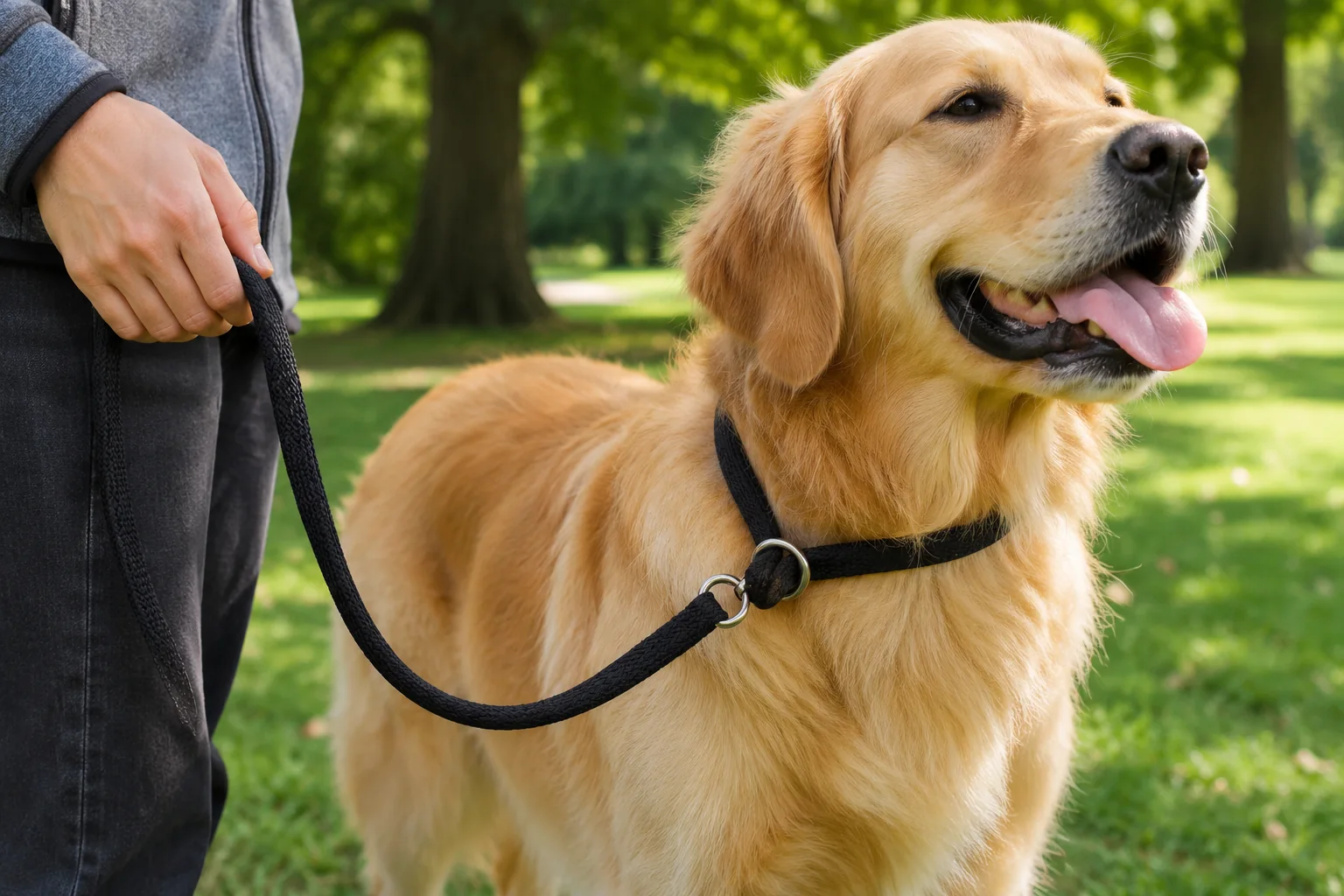
A slip collar works through a simple loop-and-ring design that sits high on the neck just behind the ears, allowing handlers to give quiet, low-force directional cues. Because dogs respond best to clear, consistent feedback rather than constant pulling, the weight and texture of the collar material play a major role in keeping your dog relaxed.
Guidance from the American Kennel Club emphasizes calm, steady leash communication and properly fitted gear to build confident walking habits. Choosing a well-crafted nylon slip collar for dogs made from soft, tightly woven flat nylon rope gives handlers responsive feedback while remaining gentle on sensitive neck fur and skin. Paired with smooth chrome-plated rings, flat nylon glides cleanly without sticking or creating sudden jerks.
“When a collar is light enough that a dog barely notices it on a loose leash, training shifts from physical resistance to calm, cooperative movement.”
How to Pick the Right Collar Thickness, Length, and Color
Selecting the right dimensions keeps a slip collar from feeling too thin on a large breed or overly bulky on a toy or miniature dog. Measuring around the widest part of your dog’s head and ears, then adding two to three inches, gives you the ideal total collar length so the loop slides over the head smoothly without excess slack.
| Dog Size & Coat Type | Recommended Thickness | Typical Length Range | Best Fit Notes |
| Toy & Small Breeds (Chihuahua, Papillon, Toy Poodle) | 3/16 in (5 mm) | 12 in to 18 in | Ultra-light profile prevents neck strain on petite builds |
| Medium Breeds (Cocker Spaniel, Whippet, Border Collie) | 0.25 in (7 mm) | 18 in to 26 in | Balanced flexibility and strength for daily walks or ring work |
| Large & Sporting Breeds (Golden Retriever, Labrador, Boxer) | 5/16 in (9 mm) | 26 in to 36 in | Wider flat surface spreads gentle pressure across muscular necks |
Color choice also adds practical value, especially for grooming-conscious owners and conformation handlers. Classic neutral tones such as Black, White, Beige, and Brown blend naturally into your dog’s coat, creating a clean, uninterrupted neckline while keeping your gear coordinated.
Safe, Low-Stress Habits for Using a Slip Collar
Even the softest collar depends on calm, attentive handling to keep your dog comfortable. Position statements from the American Veterinary Society of Animal Behavior encourage humane, low-stress handling methods that prioritize clear communication and avoid harsh corrections.
Follow four simple habits every time you use a slip collar:
- Check the Loop Orientation: Form the letter “P” when facing your dog so the live ring glides freely and releases slack the instant your hand relaxes.
- Keep the Leash Loose: Use light, brief finger cues followed by immediate slack rather than holding steady tension on the line.
- Verify Two-Finger Clearance: When resting loosely on the neck, at least two fingers should slide comfortably beneath the nylon strap.
- Remove When Unsupervised: Take the slip collar off as soon as your walk or ring session ends so the loop cannot snag on crate doors, branches, or playmates.
Keeping Every Walk Relaxed, Comfortable, and Connected
Calm leash manners start with gear that respects your dog’s comfort and keeps communication clear. By pairing a lightweight, properly sized flat nylon slip collar with patient, loose-leash handling, you help your dog stay focused, relaxed, and confident whether you are practicing in the park or stepping into the show ring.
Taking a minute to measure your dog’s head circumference and match the rope width to their build is a simple step toward smoother, stress-free outings together.