In today’s world of pet care, dog gut health has become a hot topic among pet owners searching for ways to enhance their furry friends’ overall well-being. If you’re wondering how to improve dog gut health naturally, you’re not alone. A healthy gut microbiome in dogs plays a crucial role in digestion, immune function, nutrient absorption, and even mood regulation. Poor gut health can lead to issues like diarrhea, allergies, and chronic inflammation, but the good news is that natural remedies for dog gut problems can make a significant difference without relying on harsh medications.
This comprehensive guide explores practical, evidence-based strategies to boost your dog’s digestive system using everyday foods, supplements, and lifestyle changes. By focusing on natural ways to support dog digestion, you’ll help your pup thrive. Whether you’re dealing with a sensitive stomach or just want to prevent future problems, these tips on improving canine gut microbiome will provide the information you need.
Understanding Dog Gut Health
Before diving into how to enhance dog gut naturally, it’s essential to grasp what gut health means for your pet.
What is the Dog Gut Microbiome?
The dog gut microbiome refers to the trillions of bacteria, viruses, fungi, and other microorganisms living in your dog’s gastrointestinal tract. This complex ecosystem helps break down food, produce essential vitamins, and protect against harmful pathogens. A balanced microbiome supports strong immunity up to 70% of a dog’s immune system resides in the gut and aids in preventing diseases like inflammatory bowel disease (IBD) and obesity. Factors like diet, antibiotics, and stress can disrupt this balance, leading to dysbiosis, where bad bacteria outnumber the good ones.
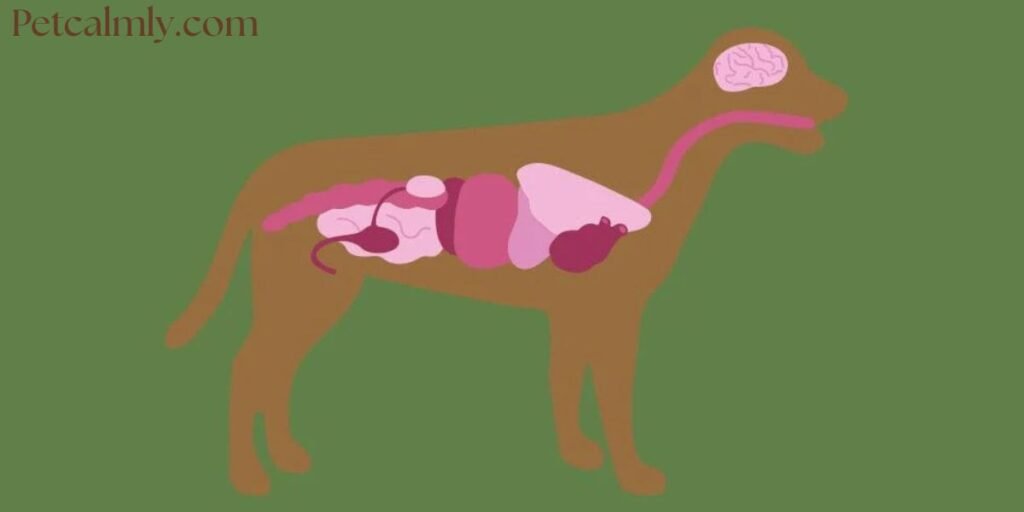
Natural dog gut health improvement starts with nurturing this microbiome through diet and environment. For instance, exposure to outdoor microbes during walks can diversify the gut flora, mimicking how wild canines maintain their health.
Signs of Poor Gut Health in Dogs
Recognizing symptoms of poor dog digestion is key to addressing issues early. Common signs include:
- Frequent diarrhea or loose stools
- Vomiting or regurgitation
- Excessive gas and bloating
- Constipation or straining during bowel movements
- Bad breath (halitosis)
- Itchy skin, allergies, or recurrent ear infections
- Unexplained weight loss or gain
- Lethargy, fatigue, or changes in appetite
- Behavioral shifts like anxiety or depression
If your dog shows these signs, it could indicate an imbalanced gut. Chronic issues might stem from food intolerances, infections, or even environmental toxins. Always consult a veterinarian to rule out serious conditions, but natural approaches can often restore balance.
Natural Ways to Improve Your Dog’s Gut Health
Improving dog gut health naturally involves simple, holistic steps that focus on diet, supplements, and lifestyle. These methods are backed by veterinary insights and can be implemented at home with care.
Optimize Your Dog’s Diet for Better Digestion
One of the most effective natural remedies for dog gut issues is revamping their diet. A species-appropriate, nutrient-dense diet fuels beneficial bacteria and reduces inflammation.
Switch to a high-protein, low-carbohydrate diet with at least 50% protein on a dry matter basis. Avoid processed kibble high in carbs like corn, rice, or potatoes, which can cause dysbiosis and leaky gut. Instead, opt for whole foods: lean meats like turkey, chicken, or whitefish; eggs for easy digestion; and omega-3-rich fish like salmon to soothe inflammation.
Incorporate fiber-rich vegetables and fruits as natural prebiotics. Foods like sweet potatoes, pumpkin, carrots, broccoli, leafy greens (collards, kale), berries, apples, and bananas provide soluble and insoluble fibers that regulate digestion and feed good bacteria. Start with small amounts about 7% vegetables in meals to avoid upset, and lightly cook or puree them for better absorption.
Consider transitioning to a raw or fresh diet, which preserves natural enzymes and nutrients. Even adding raw toppers to kibble can improve gut diversity. Rotate proteins to prevent intolerances and ensure a broad nutrient profile.
Incorporate Probiotics and Prebiotics
Probiotics for dogs are live beneficial bacteria that restore gut balance, especially after antibiotics or illness. They improve digestion, boost immunity, and reduce symptoms like diarrhea.
Choose dog-specific probiotics with strains like Lactobacillus, Bifidobacterium, Saccharomyces boulardii, or Bacilli. Sources include supplements, plain unsweetened yogurt, kefir (goat’s milk is gentler), or fermented foods like low-salt sauerkraut and tempeh. Administer 1-3 tablespoons of kefir daily based on your dog’s size.
Prebiotics are nondigestible fibers that nourish probiotics, such as inulin from chicory root, FOS, or pectin from apples. Combine them for synergy prebiotics help probiotics thrive, producing postbiotics like short-chain fatty acids that support the gut lining.
Postbiotics from fermented foods offer direct benefits without live bacteria, making them ideal for sensitive dogs. Always introduce gradually to prevent gas or bloating.
Add Superfoods and Natural Supplements
Superfoods can supercharge natural dog digestive health. Bone broth, rich in collagen and glutamine, heals the gut lining and improves hydration simmer bones for 24 hours and serve as a topper.
Slippery elm bark acts as a natural laxative and soothes irritation; mix ¼ teaspoon powder per 10 pounds of body weight with water. Apple cider vinegar (diluted, 1 teaspoon per 20 pounds) balances pH and aids digestion.
Mushrooms like shiitake, reishi, and turkey tail provide beta-glucans for immune support and antioxidants. Flaxseed or chia seeds offer omega-3s and fiber; grind them fresh.
Green tripe (unbleached) is a probiotic powerhouse from ruminant stomachs. Psyllium husks or moor mud can clear toxins, but use under vet guidance.
Ensure Proper Hydration
Dehydration hampers gut function, leading to constipation and poor microbial diversity. Dogs need about one ounce of water per pound of body weight daily.
Encourage drinking by providing fresh, clean water always. High-moisture foods like raw diets or bone broth boost intake. Add flavors like a splash of goat’s milk or raw honey (sparingly) to entice picky drinkers. Portable bowls on walks help during hot weather or exercise.
Promote Regular Exercise and Outdoor Time
Exercise isn’t just for fitness it’s a natural way to enhance dog gut microbiome through microbial exposure. Regular walks in nature allow dogs to interact with dirt, plants, and other animals, introducing beneficial bacteria.
Aim for 30-60 minutes of daily activity, like playing fetch or hiking. This reduces stress hormones that disrupt gut balance and improves motility for better digestion.
Manage Stress Levels
The gut-brain axis means stress affects digestion. Signs include whining, pacing, or hiding. Create a calm environment with consistent routines, a quiet space, and affection.
Use natural calming aids like essential oils (lavender, diluted), classical music, or compression shirts. Exercise and playtime build resilience. If stress persists, consult a vet for holistic options.
Advanced Options: Testing and Transplants
For persistent issues, consider microbiome testing via stool kits to identify imbalances and tailor solutions. Fecal microbiota transplants (FMT) from healthy donors can reseed the gut, showing quick improvements in appetite and stool quality.
When to Consult a Veterinarian
While natural methods are powerful, see a vet if symptoms like blood in stool, severe vomiting, or weight loss occur. They can diagnose underlying issues and ensure safe integration of remedies.
Frequently Asked Questions
1. What are the first signs of poor gut health in dogs?
Early indicators include diarrhea, gas, bad breath, and skin allergies. Monitoring stool consistency and energy levels can help catch issues early.
2. Can I give my dog human probiotics?
It’s not recommended, as human strains may not suit dogs. Opt for canine-specific probiotics to ensure safety and efficacy.
3. How long does it take to see improvements in dog gut health?
With consistent changes, you might notice better digestion in 1-2 weeks, but full microbiome restoration can take 4-6 weeks or longer.
4. Are there any foods I should avoid for my dog’s gut?
Steer clear of high-carb processed foods, artificial additives, and toxic items like chocolate, grapes, or onions. Dairy can cause issues in lactose-intolerant dogs.
5. Is bone broth safe for all dogs?
Yes, when homemade without onions or salt, it’s beneficial. Start small to check for tolerances, especially in dogs with sensitivities.
6. How do I choose the best probiotic supplement for my dog?
Look for multi-strain formulas with high CFU counts (billions), prebiotics included, and vet-recommended brands. Check for third-party testing.
More Information About Pets, Please Visit Our Website: Petcalmly.com
What Dog Breed Has the Most Health Problems: (2026 Guide)
Conclusion
Improving dog gut health naturally is a rewarding journey that enhances your pet’s vitality and longevity. By focusing on a balanced diet rich in whole foods, incorporating probiotics and prebiotics, ensuring hydration, promoting exercise, and managing stress, you can foster a thriving microbiome. Remember, consistency is key make gradual changes and monitor progress.
These natural remedies for dog gut problems, drawn from expert veterinary advice, empower you to support your dog’s digestion without unnecessary interventions. If you’ve been searching for ways to boost canine gut health, start with one or two tips today. Your dog will thank you with wagging tails and boundless energy. Always prioritize quality nutrition and consult professionals for personalized guidance to keep your furry companion happy and healthy.