Short direct answer
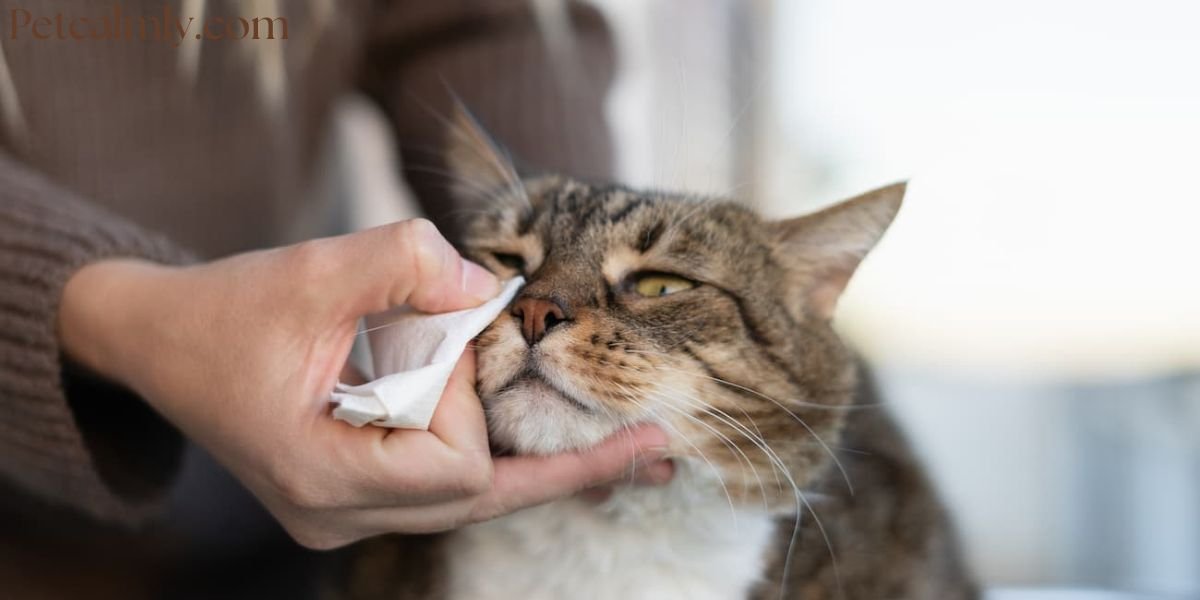
Cleaning your cat’s eyes at home is straightforward and gentle when you use the right method. Dampen a soft cotton pad or sterile gauze with cooled boiled water or vet-approved sterile saline. Wipe carefully from the inner corner outward, using a fresh pad for each eye. Do this once or twice daily for mild crust or discharge. Keep sessions short, stay calm, and reward your cat afterward. Stop immediately if your cat shows pain or distress, and contact your vet for colored, thick, or persistent discharge.
Many cat parents wake up to find small crusty bits in the corners of their cat’s bright eyes. It’s a common sight, especially in the morning, and often harmless. Yet it can leave light-colored fur stained or make your feline friend look a little uncomfortable. Knowing how to clean cat eyes at home properly helps maintain comfort, prevents minor issues from worsening, and lets you spot real problems early.
Cats rely heavily on their vision for hunting, playing, and navigating their world. Even small irritation can affect their mood and confidence. A quick, stress-free cleaning routine shows your love and care while keeping those sparkling eyes healthy. Many owners notice their cats become more relaxed during the process once it becomes a familiar, positive habit.
Why Eye Discharge Occurs in Cats
Tears play a vital role in protecting a cat’s eyes. They lubricate the surface, wash away tiny particles, and fight off bacteria. Sometimes tears overflow or mix with dust, pollen, or debris, drying into crusts around the inner corners.
Certain breeds face this more often. Flat-faced (brachycephalic) cats like Persians, Himalayans, Exotic Shorthairs, and British Shorthairs have shorter tear ducts and prominent eyes. Their facial structure makes normal drainage harder, so tears spill onto the face more easily. Long hairs around the eyes can also wick moisture and trap dirt, creating a cycle of buildup.
Everyday life adds to the mix. Dry indoor air from heaters or air conditioning, dusty floors, litter particles, or household smoke can irritate the eyes and increase tear production. Seasonal allergies to pollen, mold, or even certain foods sometimes trigger watery eyes and mild discharge.
Viral infections are another frequent culprit. Feline herpesvirus (FHV-1) and calicivirus often cause clear or slightly sticky discharge, especially in kittens or cats from shelters and multi-cat homes. These viruses can flare up during stress or illness, leading to temporary conjunctivitis.
Bacterial infections may develop secondarily if the eye area stays moist and uncleaned. In rare cases, blocked tear ducts, foreign objects, corneal scratches, or anatomical issues like entropion (in-turned eyelids) contribute to ongoing problems.
Kittens commonly show discharge in their first weeks as their eyes fully open and adjust to the world. Gentle daily care during this stage supports healthy development.
One owner in a warm, dusty climate noticed her young Siamese developing daily clear crust after play sessions near open windows. Consistent gentle cleaning with saline resolved the minor issue within a week, and her cat returned to her usual playful self.
Recognizing Normal vs. Concerning Eye Signs
Mild eye discharge is part of many cats’ daily lives. Common normal signs include:
- Small amounts of clear or light brown crust in the inner corners, especially after sleep
- Occasional watery eyes that leave faint damp trails on the fur
- Slight redness around the eyelids without swelling or pain
- Normal blinking that increases slightly in bright light or dusty rooms
These signs usually respond well to simple home cleaning and don’t affect your cat’s behavior or appetite.
Pay close attention to how your cat acts. A relaxed cat who leans into gentle pets near the face is typically fine. If they start pawing at their eyes more often, rubbing their face on carpets, squinting frequently, or avoiding bright rooms, something may need closer attention.
When Should You Be Concerned? Red Flags to Watch For
Home cleaning works beautifully for everyday buildup, but some changes require prompt veterinary care to protect your cat’s vision and comfort.
Contact your vet right away if you see:
- Thick, yellow, green, or pus-like discharge (often a sign of bacterial infection)
- Significant redness, swelling, or cloudiness in one or both eyes
- Constant squinting, excessive blinking, or keeping one eye partially closed
- Bloody streaks, foul odor, or a sudden increase in discharge volume
- Discharge that continues or worsens despite two days of gentle cleaning
- Accompanying symptoms like sneezing, coughing, lethargy, loss of appetite, or hiding
These can point to conjunctivitis, corneal ulcers, upper respiratory infections, blocked tear ducts, dry eye (keratoconjunctivitis sicca), uveitis, or even more serious conditions. Eye problems can progress quickly in cats, sometimes threatening sight within hours if untreated.
Never try to diagnose or treat severe symptoms with home methods alone. A veterinarian can perform a full eye exam, fluorescein staining to check for ulcers, and prescribe appropriate antibiotic or antiviral drops or ointments when needed.
Early action often means simpler treatment and faster recovery. Trust your instincts if something feels different about your cat’s eyes or behavior, it’s always safer to get professional advice.
Essential Supplies for Safe At-Home Eye Cleaning
Before you begin, gather these simple, safe items:
- Soft cotton pads, sterile gauze, or lint-free microfiber cloths (avoid fluffy cotton balls that shed fibers)
- Cooled boiled water or sterile saline solution designed for eyes
- A clean towel for gentle restraint if your cat is energetic
- High-value treats or a favorite toy for positive reinforcement
- Optional: Vet-recommended pet eye wipes or gentle tear stain remover (always confirm with your vet)
Wash your hands thoroughly with soap and warm water before every session. This basic step prevents introducing new bacteria to your cat’s sensitive eye area.
Sterile saline is often preferred because it closely matches the natural pH of tears and is gentle even with frequent use. Plain cooled boiled water serves as an excellent, inexpensive alternative for routine maintenance. Avoid tap water, which may contain chlorine or minerals that irritate delicate tissues.
Steer clear of human eye drops, milk, undiluted essential oils, hydrogen peroxide, alcohol, or any product not clearly labeled safe for pets. Even popular home suggestions like cooled chamomile tea should only be used after discussing with your veterinarian, as they can sometimes cause more irritation.
Detailed Step-by-Step Guide: How to Clean Cat Eyes at Home
Here’s a calm, effective routine that most cats learn to tolerate quickly. The entire process usually takes under two minutes once you’re both comfortable.
- Set the Scene for Success Pick a quiet, well-lit spot where your cat feels secure perhaps on your lap, a soft bed, or a non-slip table covered with a towel. Offer a small treat first to create a positive association. If your cat tends to wiggle, gently wrap them in a towel “burrito style,” leaving just the head free. Many owners find this reduces stress for both parties.
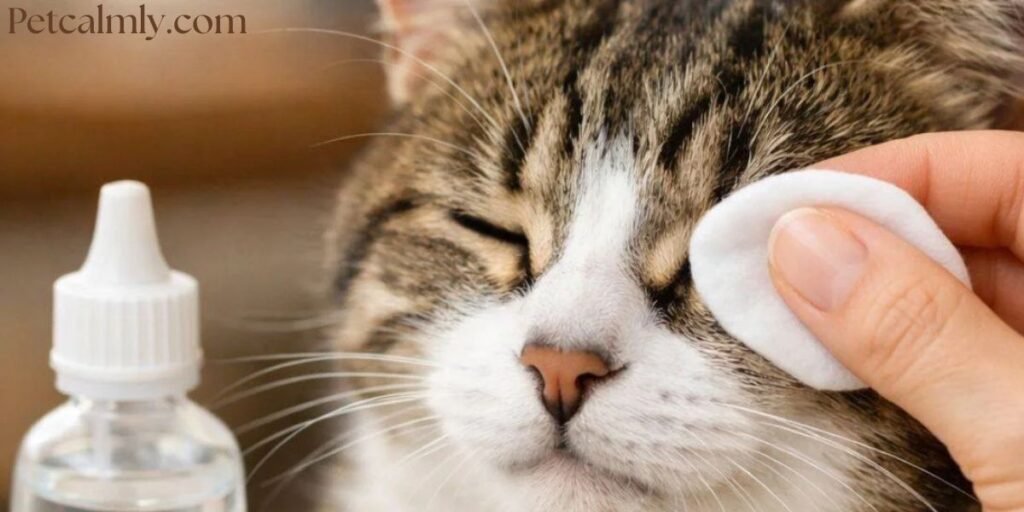
- Prepare Your Cleaning Solution Boil water and let it cool to a comfortable lukewarm temperature (test on your inner wrist). Or use ready-to-use sterile saline. Dampen a fresh cotton pad or gauze—moist but not dripping wet.
- Position Your Cat Gently Hold your cat securely yet softly. Use one hand to support their chin or gently tilt the head slightly upward if needed. Speak in a soothing voice and move slowly to avoid startling them.
- Clean One Eye at a Time Start at the inner corner near the nose and wipe gently outward toward the outer edge of the eye. Follow the natural direction of the fur with very light pressure—like softly wiping a child’s cheek. Never rub back and forth, press hard, or touch the eyeball itself, as this can cause pain or injury.
- Switch to a Fresh Pad for the Second Eye Always use a new pad for the other eye. This prevents spreading any debris or potential bacteria between eyes.
- Pat Dry if Necessary Gently blot the area with a soft, dry tissue or clean cloth to remove excess moisture. This helps prevent dampness from causing further irritation or matted fur.
- End on a Positive Note Release your cat calmly, offer praise in a soft voice, and immediately give a treat or short play session. Positive reinforcement helps your cat view eye cleaning as a normal, rewarding part of life rather than something to resist.
Start with very brief sessions if your cat is new to handling. Over time, most cats relax and even sit patiently once they realize it’s quick and gentle.
Advanced Tips for Making Eye Cleaning Stress-Free and Effective
Different cats have different personalities. Some sit like statues while others need extra patience. Here are practical strategies that experienced cat owners and vets recommend:
- Time sessions when your cat is naturally relaxed—after meals, during evening wind-down, or right after play when they’re tired but content.
- Keep the first few attempts extremely short (10–20 seconds per eye) and gradually build duration.
- Use the same calm tone, location, and sequence every time so your cat learns what to expect.
- For flat-faced breeds, daily or twice-daily wiping often becomes part of regular grooming, much like brushing their coat or trimming nails.
- If long facial fur traps discharge, carefully trim it with blunt-tipped scissors or ask a professional groomer for help—never pull or cut too close to the skin.
Think of eye cleaning like daily dental care for humans. A consistent short habit prevents bigger, more uncomfortable problems down the road.
For particularly resistant cats, try slightly warming the solution or switching to pre-moistened veterinary eye wipes formulated for sensitive skin. Some owners succeed by incorporating cleaning into existing grooming routines when the cat is already calm and purring.
Avoiding Common Mistakes When Cleaning Cat Eyes
Even well-meaning owners sometimes make small errors that reduce effectiveness or cause unnecessary discomfort. Here are the most frequent pitfalls to avoid:
- Using the same pad for both eyes, which can transfer bacteria or debris.
- Wiping in the wrong direction (toward the nose instead of outward), pushing material deeper into the tear duct area.
- Applying too much pressure or accidentally touching the cornea.
- Relying on unboiled tap water or household products that irritate delicate tissues.
- Continuing cleaning if the cat shows clear signs of pain, stress, or aggression—always pause and try again later or seek vet guidance.
- Depending solely on home care for colored, thick, or worsening discharge instead of getting a professional evaluation.
Another common oversight is forgetting the reward. Cats learn through association. Ending every session with something pleasant turns a potential chore into a tolerable (or even neutral) experience.
Long-Term Prevention Strategies for Healthy Cat Eyes
Prevention complements regular cleaning and reduces how often you need to intervene.
Maintain a clean living environment by vacuuming frequently, using HEPA air purifiers if allergies are suspected, and choosing low-dust cat litter. Avoid smoking near your cat or using strong chemical cleaners in enclosed spaces.
Support overall immune health with a balanced, high-quality diet. Stress management also matters provide plenty of vertical space, scratching posts, and safe hiding spots, especially in multi-cat households where viruses spread more easily.
Schedule regular veterinary wellness exams. Your vet can check tear production, look for early signs of anatomical issues, and recommend breed-specific care routines.
For cats prone to tear staining, consistent gentle cleaning minimizes unsightly brown marks on light fur while keeping the skin underneath healthy and dry.
What Responsible Pet Owners Should Do Right Now
Begin today with the supplies you probably already have in your home. Choose a calm moment, follow the gentle outward-wiping technique, and observe how your cat responds over the next few days.
Keep a simple mental or written note of changes in discharge color, amount, frequency, or your cat’s behavior. Share these observations during vet visits veterinarians greatly value attentive owners who notice subtle shifts.
You know your cat better than anyone. If the eyes stay clear and comfortable with routine care, you’ve established a helpful habit. If anything seems off, professional help is only a phone call away.
More Information About Pets, Please Visit Our Website: How to Introduce New Cat to Home
How Long Do Cats Remember Their Siblings?
Conclusion
Mastering how to clean cat eyes at home equips you with a valuable, practical skill that supports your cat’s daily comfort and long-term eye health. Gentle, consistent care removes crust, reduces staining, prevents minor irritation from escalating, and strengthens the trusting bond between you and your feline companion.
Combine this routine with sharp observation, a clean environment, proper nutrition, and timely veterinary visits for the best possible outcomes. Most cats adjust beautifully to short, loving cleaning sessions and reward their owners with bright, clear eyes and contented purrs.
Your dedication matters. A cat with healthy, comfortable eyes enjoys play, exploration, and affection more fully. Keep providing that thoughtful care your efforts make a real difference in your cat’s quality of life every single day.
Frequently Asked Questions
1: Can I use baby wipes or regular human eye drops on my cat’s eyes?
It’s best to avoid them. Baby wipes often contain fragrances, preservatives, or chemicals that irritate a cat’s sensitive eyes. Human eye drops may include ingredients unsafe for pets. Stick with cooled boiled water, sterile saline, or products specifically recommended by your veterinarian.
2: How frequently should I clean my cat’s eyes?
For cats with occasional mild crust, once daily or every other day is usually sufficient. Flat-faced breeds or those prone to tearing may benefit from daily gentle wiping. Adjust based on your individual cat’s needs and reduce frequency if eyes remain consistently clear.
3: Why does my cat have persistent brown tear stains even after cleaning?
Light brown or reddish stains often come from porphyrins naturally present in tears. Regular gentle cleaning helps minimize buildup, but some cats—especially light-colored or brachycephalic breeds—may always show faint staining. If stains suddenly worsen or the skin underneath becomes irritated, consult your vet to rule out allergies or other issues.
4: My cat hates having their eyes cleaned—what can I do?
Patience and positive reinforcement are key. Keep sessions extremely short at first, use high-value treats, and try cleaning when your cat is relaxed after eating or playing. Some owners gently towel-wrap their cat for better control. If resistance persists or your cat seems painful, stop and speak with your veterinarian—they can demonstrate techniques or check for underlying discomfort.
5: Does eye discharge always mean my cat has an infection?
Not necessarily. Clear or light crust is often normal or due to minor irritants, allergies, or breed-related tearing. However, thick yellow, green, or pus-like discharge combined with redness or squinting can indicate infection or inflammation. When in doubt, especially if symptoms last more than a day or two, have your vet examine your cat for proper diagnosis and treatment.
6: Are there any truly natural or home remedies safe for cleaning cat eyes?
The safest options remain cooled boiled water or sterile saline. Some owners explore very weak, cooled chamomile tea for its mild soothing properties, but only after getting approval from their veterinarian, as reactions vary. Avoid unproven remedies like tea bags, milk, or essential oils, which can cause more harm than good. When in doubt, professional veterinary guidance is always the wisest choice.