Short direct answer
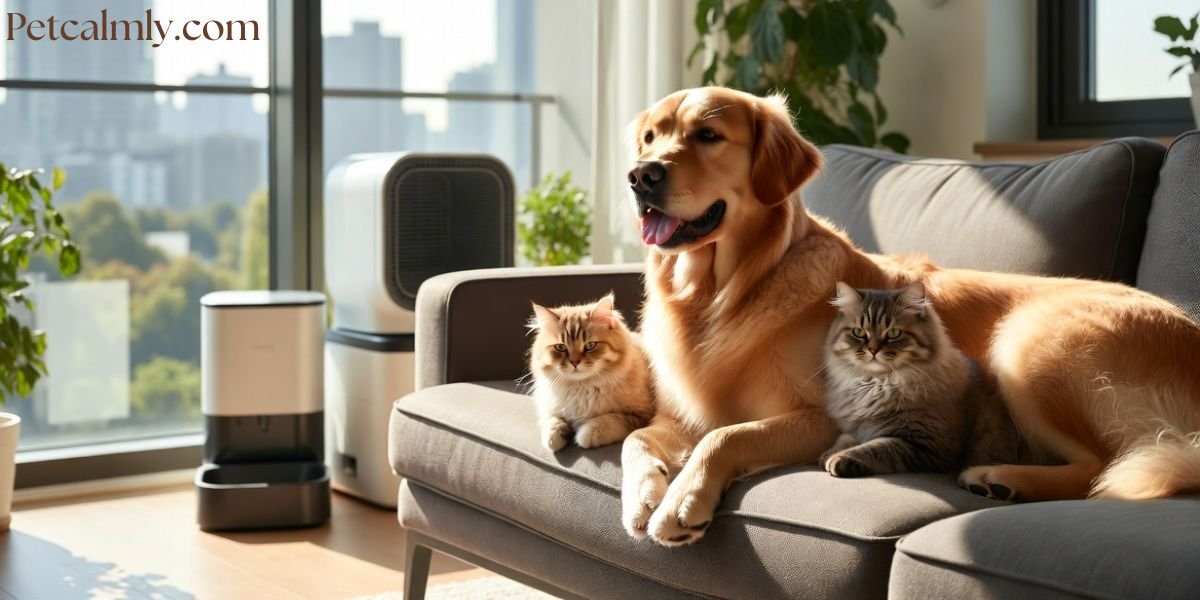
Living in an apartment with pets is entirely possible and rewarding in 2026. Focus on creating a dedicated pet zone, providing daily exercise and mental stimulation, managing noise and odors, and using smart tech for monitoring. With consistent routines, vertical space for cats, and neighbor-friendly habits, your dog, cat, or small pet can thrive happily in small spaces.
Why Apartment Pet Care Matters More Than Ever in 2026
Urban living continues to grow, and many pet parents choose apartments for convenience, location, or affordability. Yet small spaces bring unique challenges: limited room to run, shared walls that amplify sounds, and no backyard for quick potty breaks.
Pets feel these constraints too. A bored dog might bark at hallway noises, while a cat without vertical outlets could scratch furniture or become stressed. The good news? Modern solutions make apartment living better than ever. Smart feeders, activity trackers, self-cleaning litter boxes, and compact enrichment tools help busy owners keep pets healthy and content.
Caring for pets in apartments strengthens your bond. It teaches responsibility, encourages creativity with space, and ensures your furry friend stays safe and stimulated. Whether you have an energetic Labrador mix or a laid-back senior cat, these smart pet care tips for apartment living in 2026 will help you build a comfortable home for everyone.
Key Challenges of Pet Care in Apartment Settings
Apartment life limits floor space, so pets often spend more time indoors. This can lead to pent-up energy, especially in active breeds. Dogs may develop barking habits from hearing elevators or neighbors, while cats might express frustration through inappropriate scratching.
Noise travels easily through thin walls. What seems like normal play to you could disturb others. Odors from litter boxes or wet dog fur also build up faster in compact areas without good ventilation.
Limited natural light and fresh air affect mood and health. Pets might gain weight from less movement or show signs of anxiety when left alone during long workdays. Understanding these issues helps you prevent problems before they start.
Many owners worry about damaging rental property scratched floors, stained carpets, or lingering smells that affect security deposits. Planning ahead with protective mats, regular grooming, and odor control keeps both your home and landlord happy.
Creating a Pet-Friendly Zone in Limited Space
Start by designating a specific area for your pet. Even in a studio, a cozy corner with a bed, water bowl, and favorite toys gives them security. For dogs, place a soft rug near a window for natural light. Cats benefit hugely from vertical space.
Install wall-mounted shelves, a tall cat tree, or floating perches. These let cats climb, observe, and feel safe without taking up floor room. Use multi-functional furniture like ottomans with storage for toys or an elevated dog bed that doubles as a side table.
Choose quiet, compact items. In 2026, many brands offer slim puzzle feeders, collapsible tunnels, and modular scratching posts designed for small homes. Rotate toys every week to keep interest high a simple cardboard box can become a thrilling hideout for a curious kitten.
Keep the zone away from high-traffic areas to reduce stress. Add white noise from a fan or app to mask hallway sounds. This small setup helps pets relax and reduces unwanted behaviors like excessive vocalizing.
Exercise and Mental Stimulation for Apartment Pets
Physical activity remains essential, even without a yard. For dogs, aim for multiple short walks daily instead of one long outing. Morning and evening strolls provide sniffing opportunities that tire the mind as much as the body.
Indoor games work wonders in bad weather. Try hallway fetch with soft toys, tug-of-war in the living room, or scatter feeding with kibble hidden around the apartment. Puzzle toys and snuffle mats engage natural foraging instincts and prevent boredom.
Cats need play that mimics hunting. Wand toys, laser pointers (used sparingly to avoid frustration), and interactive balls keep them moving. Window perches let them watch birds or street activity excellent mental exercise.
In 2026, smart pet tech adds convenience. Activity trackers on collars monitor steps and alert you if your pet seems less active than usual. Automatic laser toys or treat-dispensing cameras let you check in and play remotely during the day.
Consider breed needs. High-energy terriers might need extra indoor agility setups, like low hurdles made from cushions. Calm breeds like Bulldogs adapt easier but still require gentle daily movement to stay fit.
Noise Management and Being a Good Neighbor
Excessive barking or meowing tops complaints in apartments. Address root causes: boredom, anxiety, or external triggers like doorbells and sirens.
Train a “quiet” cue with positive reinforcement. Reward calm behavior and redirect attention with toys. For dogs reactive to hallway noise, desensitize gradually by playing recorded sounds at low volume while offering treats.
Use environmental aids. Calming pheromone diffusers, anxiety wraps, or background music designed for pets can soothe nerves. Self-cleaning litter boxes in 2026 operate quietly, reducing scooping noise that might disturb neighbors.
Pick up after your pet immediately on walks and avoid letting dogs roam common areas unleashed. Polite elevator manners sitting calmly and ignoring others make shared spaces pleasant for everyone.
Building good relationships with neighbors helps. A friendly note or small treat basket during holidays shows consideration and often leads to more understanding if occasional noises occur.
Grooming, Hygiene, and Odor Control in Small Spaces
Regular grooming prevents excess fur from spreading. Brush dogs and cats several times weekly — this bonding time also lets you check skin and coat health.
Bathe pets only as needed to avoid drying their skin. In apartments, quick-drying shampoos and portable grooming vacuums make the process easier and contain mess.
Litter box maintenance is critical for cats. Scoop daily and use odor-absorbing litters. Covered boxes or enclosed furniture hide the setup while containing smells. Wash bedding weekly and use washable rugs under food and water areas.
For dogs, clean paws after walks to avoid tracking dirt. Air purifiers with HEPA filters designed for pet dander help improve air quality. Baking soda sprinkled on carpets (then vacuumed) tackles lingering odors naturally.
Dental care matters too. Brush teeth regularly or offer vet-approved chews to prevent bad breath that fills small rooms quickly.
Nutrition and Feeding Routines for Apartment Pets
Portion control prevents weight gain common in less active apartment pets. Measure meals accurately and adjust based on activity level and age.
Use slow feeder bowls or puzzle toys to make mealtime last longer and reduce gulping. This aids digestion and provides mental stimulation.
Fresh water is non-negotiable. Automatic fountains encourage drinking, especially for cats who prefer moving water. In 2026, many smart feeders dispense meals on schedule and track intake via apps perfect for consistent routines when your schedule varies.
Choose high-quality food suited to your pet’s needs. Consult your vet for personalized recommendations, particularly for seniors or pets with joint concerns from limited space.
Treats should make up no more than 10% of daily calories. Use them for training and enrichment rather than free-feeding.
Health Monitoring and Preventive Care
Regular vet visits catch issues early. In apartments, pets face higher exposure to other animals in elevators or parks, so stay current on vaccinations and parasite prevention.
Watch for subtle changes: decreased appetite, altered litter habits, or less playfulness. Smart collars in 2026 track heart rate, activity, and sleep patterns, sending alerts to your phone for potential concerns.
Dental disease, obesity, and joint stress appear more often in indoor pets. Annual check-ups, weight monitoring, and mobility support (like ramps for older dogs) keep them comfortable.
Spay/neuter helps reduce marking behaviors that cause odors. For multi-pet homes, ensure enough resources to prevent competition over space or food.
Smart Pet Care Tips for Apartment Living in 2026
Technology transforms small-space living. Smart cameras with two-way audio let you check on pets and speak calmly if they seem anxious.
Automatic feeders and water dispensers maintain routines during long days. Self-cleaning litter boxes with quiet operation and odor control suit busy cat owners perfectly.
Wearable trackers monitor health metrics and suggest adjustments. AI-powered toys adapt play sessions to your pet’s energy levels.
Choose compact, quiet devices to avoid adding noise. Many new models in 2026 integrate with home assistants for seamless control.
Combine tech with hands-on care. Gadgets support you but never replace daily interaction and love.
When Should You Be Concerned?
Pay attention if your pet shows sudden behavior changes. Excessive barking, hiding, destructive chewing, or litter accidents beyond normal adjustment periods signal stress or health issues.
Weight gain or loss, lethargy, vomiting, or changes in water intake warrant a vet visit. In apartments, isolation can worsen separation anxiety signs include pacing, whining, or panting when you prepare to leave.
Persistent scratching at doors or windows, or aggression toward visitors, may indicate inadequate stimulation or socialization. For cats, eliminating outside the box often points to stress, medical problems, or dirty litter.
If neighbors complain or your landlord mentions issues, address them promptly. Untreated problems can escalate and affect your housing.
Trust your instincts. When something feels off, consult a vet or certified behaviorist early. Early intervention prevents bigger challenges in confined spaces.
What Should Pet Owners Do? Actionable Steps
- Assess and Prepare Your Space — Measure areas and plan zones before bringing a pet home. Add protective floor covers and vertical elements.
- Establish Consistent Routines — Set fixed times for feeding, walks/play, and bedtime. Pets feel secure with predictability.
- Prioritize Exercise and Enrichment — Commit to daily physical and mental activities. Mix indoor games with outdoor outings.
- Train Key Behaviors — Teach quiet commands, polite greetings, and crate or carrier comfort. Positive methods work best.
- Maintain Cleanliness — Clean daily, groom regularly, and use odor-control products. Stay proactive with hair and mess.
- Leverage Technology Wisely — Invest in helpful gadgets like trackers or cameras, but balance with real interaction.
- Schedule Regular Health Checks — Book annual vet visits and monitor at home with apps or journals.
- Build Community Support — Find local dog walkers, pet sitters, or apartment pet groups for backup.
Start small. Pick two or three changes and build habits gradually for lasting success.
Conclusion
Smart pet care tips for apartment living in 2026 revolve around thoughtful planning, consistent routines, creative use of space, and modern tools that ease daily demands. By focusing on your pet’s physical, mental, and emotional needs, you create a harmonious home despite limited square footage.
Remember, happy pets make better neighbors and stronger family members. Stay attentive, adapt as your pet ages, and enjoy the unique closeness that small-space living often brings. With love, preparation, and these practical strategies, you and your pet can enjoy a fulfilling life in your apartment for years to come.
Consult your veterinarian for advice tailored to your specific pet. Every animal is unique, and professional guidance ensures the best outcomes.
More Information About Pets, Please Visit Our Website: How to Take Good Care of Pets
How Often Should I Clean Guinea Pig Cage?
Frequently Asked Questions
1: Can any dog or cat breed live happily in an apartment?
Many breeds adapt well, but energy level and noise tendency matter more than size. Calm, lower-energy dogs or independent cats usually thrive with proper exercise and enrichment. Research your pet’s needs and provide daily stimulation regardless of breed.
2: How do I control pet odors effectively in a small apartment?
Scoop litter daily, wash bedding weekly, and use HEPA air purifiers. Choose quality odor-neutralizing litters and groom pets regularly. Vacuum frequently and consider washable rugs under pet areas for easy cleaning.
3: What are the best ways to exercise a dog without a backyard?
Multiple short daily walks, indoor fetch or tug games, and puzzle toys work well. Visit nearby parks or use doggy daycare occasionally. In 2026, activity trackers help ensure your dog meets movement goals.
4: Is smart pet technology worth it for apartment owners?
Yes, tools like cameras, automatic feeders, and quiet self-cleaning litter boxes save time and reduce stress. They provide peace of mind when you’re away and help maintain routines in busy urban schedules.
5: How can I stop my pet from disturbing neighbors?
Train quiet commands, provide enough mental and physical activity, and use white noise to mask triggers. Address barking or scratching early through positive reinforcement or calming aids. Being considerate builds goodwill with those around you.
6: What should I do if my apartment pet shows signs of anxiety or boredom?
Increase interactive play, add enrichment like snuffle mats or vertical spaces, and consider calming products. Stick to a predictable schedule and monitor with smart devices. If issues persist, seek advice from a vet or behavior professional promptly.