Short direct answer
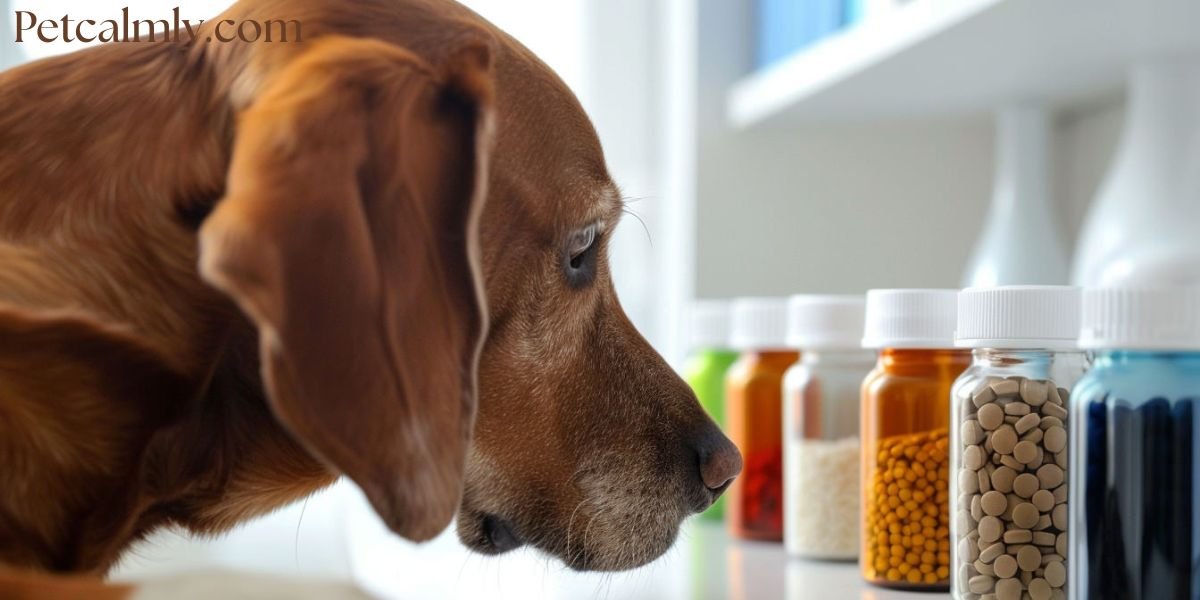
Yes, you can give your dog human probiotics, as they are generally safe and unlikely to cause harm in small doses. However, they often lack the specific bacterial strains dogs need for optimal gut health, making them less effective. For better results, choose dog-formulated probiotics, check for harmful additives like xylitol, and consult your vet to ensure they suit your dog’s needs.
Many pet owners in the USA worry about their dog’s tummy troubles, especially during stress, diet changes, or after antibiotics. Probiotics can support a healthy gut microbiome, which plays a key role in digestion, immunity, and even mood. Understanding if human versions work helps you make smart choices for your furry friend’s well-being without guessing.
What Are Probiotics and How Do They Work in Dogs?
Probiotics are live beneficial bacteria that help balance the gut microbiome. In dogs, they promote healthy digestion by crowding out harmful bacteria and aiding nutrient absorption.
Dogs’ guts host trillions of microbes that break down food, produce vitamins, and fight infections. When unbalanced due to illness, poor diet, or meds these microbes cause issues like loose stools.

The Role of Gut Bacteria in Canine Health
A dog’s gut bacteria influence more than digestion. They support the immune system, which is mostly in the gut, and even affect behavior. For example, an imbalanced microbiome might lead to anxiety in high-energy breeds like Labs during travel.
Real-life example: A rescue dog with chronic diarrhea improved after probiotics restored gut balance, allowing better nutrient uptake and more playful energy.
Benefits of Probiotics for Dogs
Probiotics offer practical perks for everyday pet life. They help with common issues like upset stomachs from table scraps or seasonal allergies.
Studies show they reduce gut inflammation and enhance overall health, especially in older dogs or those with sensitivities.
Improving Digestion and Reducing Diarrhea
Probiotics firm up stools and ease diarrhea from food changes or infections. Strains like Bifidobacterium animalis shorten recovery time.
For instance, if your dog raids the trash and gets runny poop, probiotics can calm the gut faster than waiting it out.
Boosting the Immune System
A healthy gut microbiome strengthens defenses against viruses and bacteria. Probiotics increase antibody production, helping dogs fight off kennel cough or urinary infections.
In multi-pet homes, this means fewer vet visits during flu season.
Supporting Skin and Coat Health
Gut issues often show on the skin. Probiotics reduce itchiness and improve coat shine by lowering inflammation.
Owners of allergy-prone breeds like Bulldogs report less scratching after consistent use.
Helping with Allergies and Anxiety
Probiotics modulate immune responses to allergens, easing symptoms like watery eyes. They also influence brain-gut connections, reducing stress behaviors.
A nervous pup during fireworks might calm down with regular probiotics, avoiding destructive chewing.
Can Dogs Take Human Probiotics?
Human probiotics aren’t toxic to dogs, but they’re not ideal. Dogs have shorter digestive tracts and different bacterial needs, so human strains may pass through without sticking.
Always scan labels for dog-safe ingredients no artificial sweeteners that could poison pets.
Differences Between Human and Dog Probiotics
Human versions target our longer intestines with strains like Lactobacillus acidophilus. Dog-specific ones use canine-friendly bacteria like Enterococcus faecium for better colonization.
Example: A human probiotic might help mildly, but a vet-recommended dog one resolves issues quicker in breeds like German Shepherds with sensitive stomachs.

Potential Risks and Side Effects
Mild side effects include temporary gas, bloating, or softer stools as the gut adjusts. Rare cases involve allergies, showing as itching.
If it contains xylitol (common in chewables), it can cause low blood sugar or liver failure call your vet immediately if ingested.
Overdosing might worsen diarrhea, so start low and monitor.
When Should You Be Concerned?
Watch for ongoing gut problems that signal deeper issues. Early intervention prevents complications like dehydration.
If symptoms persist beyond a few days, it could indicate infections, parasites, or chronic conditions like IBD.
Signs of Gut Imbalance in Your Dog
Common red flags: Chronic diarrhea or constipation, excessive gas with foul odor, vomiting after meals, unexplained weight loss, or bad breath that brushing doesn’t fix.
Behavioral signs include lethargy, hiding, or sudden aggression from discomfort. Skin problems like hot spots or dull fur often link back to gut woes.
Real example: A dog pacing at night with noisy guts turned out to have microbiome imbalance from antibiotics, fixed with targeted care.
What Should Pet Owners Do?
Take simple steps to support your dog’s gut. Focus on prevention and safe integration into daily routines.
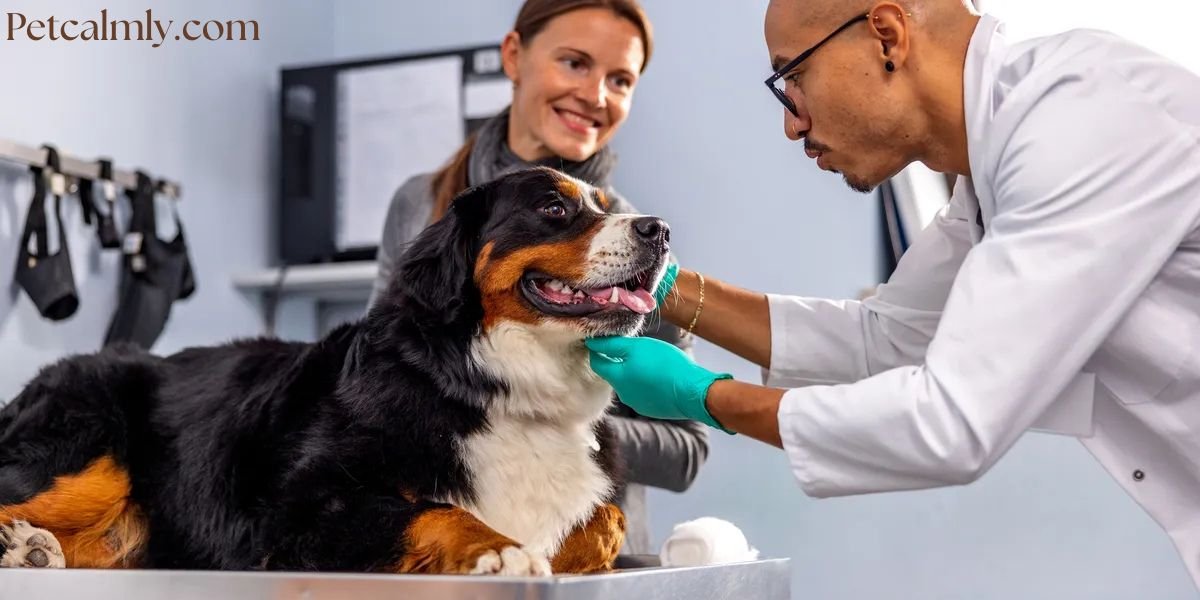
Always prioritize vet advice, especially for puppies, seniors, or dogs with health conditions.
Choosing the Right Probiotic for Your Dog
Look for products with 1-10 billion CFUs and strains like Bifidobacterium bifidum or Bacillus coagulans. Top picks include Purina FortiFlora or Nutramax Proviable vet-approved and easy to find at pet stores.
Avoid generics; check for third-party testing to ensure live bacteria.
How to Administer Probiotics Safely
Mix powder into food or give chews as treats. Start with half-dose for a week to avoid upset.
For picky eaters, hide in peanut butter. Give consistently, like after meals, for best absorption.
When to See a Vet
Head to the clinic if symptoms like bloody stools or severe vomiting appear. Vets can test for underlying causes and prescribe tailored probiotics.
In emergencies, like after eating toxic foods, don’t wait probiotics aren’t a cure-all.
More Information About Pets, Please Visit Our Website: How to Keep Ants Out of Pet Food Bowls
What Are the Signs of Kidney Disease in Cats?
Conclusion
Supporting your dog’s gut with the right probiotics can transform their health, from steadier digestion to brighter moods. While human versions are a safe pinch-hit, dog-specific ones deliver real benefits. Chat with your vet to customize for your pet’s life stage and needs. Your dog deserves a happy, balanced belly for more tail-wagging adventures.
Frequently Asked Questions
Are probiotics good for dogs with allergies?
Yes, probiotics can ease allergy symptoms by balancing the immune system and reducing inflammation. Strains like Lactobacillus help with itchy skin or ear infections. Start slowly and track improvements over 4-6 weeks.
What are natural probiotic foods for dogs?
Plain yogurt (unsweetened, low-fat), kefir, or fermented veggies like sauerkraut offer natural probiotics. Give small amounts, like a teaspoon per 10 pounds of body weight, to avoid dairy sensitivities in some dogs.
How long do probiotics take to work in dogs?
Most dogs show better digestion in 2-4 days for acute issues like diarrhea. Full benefits, like improved immunity, may take 2-4 weeks of daily use. Consistency is key for lasting results.
Can puppies have probiotics?
Puppies can benefit from probiotics for weaning stress or tummy upsets, but use vet-recommended, low-dose formulas. Avoid adult human versions; start with puppy-specific chews to support growing immune systems.
What if my dog has diarrhea after starting probiotics?
This is often temporary as the gut adjusts reduce the dose and monitor. If it lasts over 48 hours or worsens, stop and see a vet, as it could signal an unsuitable strain or hidden issue.
Are there probiotics for dogs with sensitive stomachs?
Yes, look for hypoallergenic options with single strains like Saccharomyces boulardii, which soothes irritation without dairy. Products like Honest Paws Pre+ Probiotics work well for breeds prone to food sensitivities.