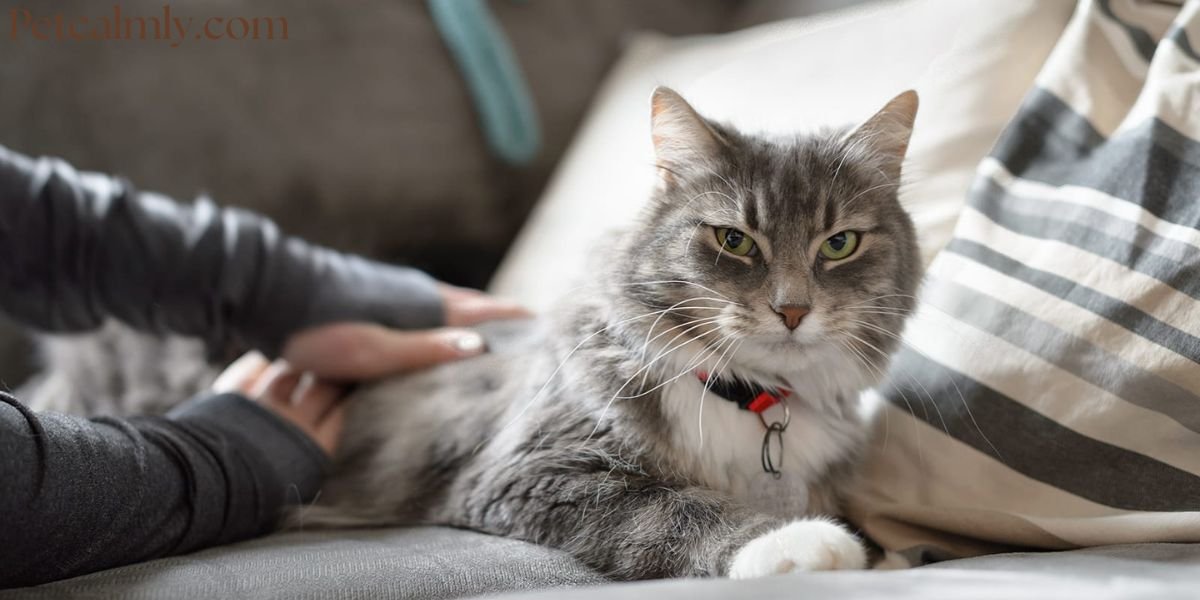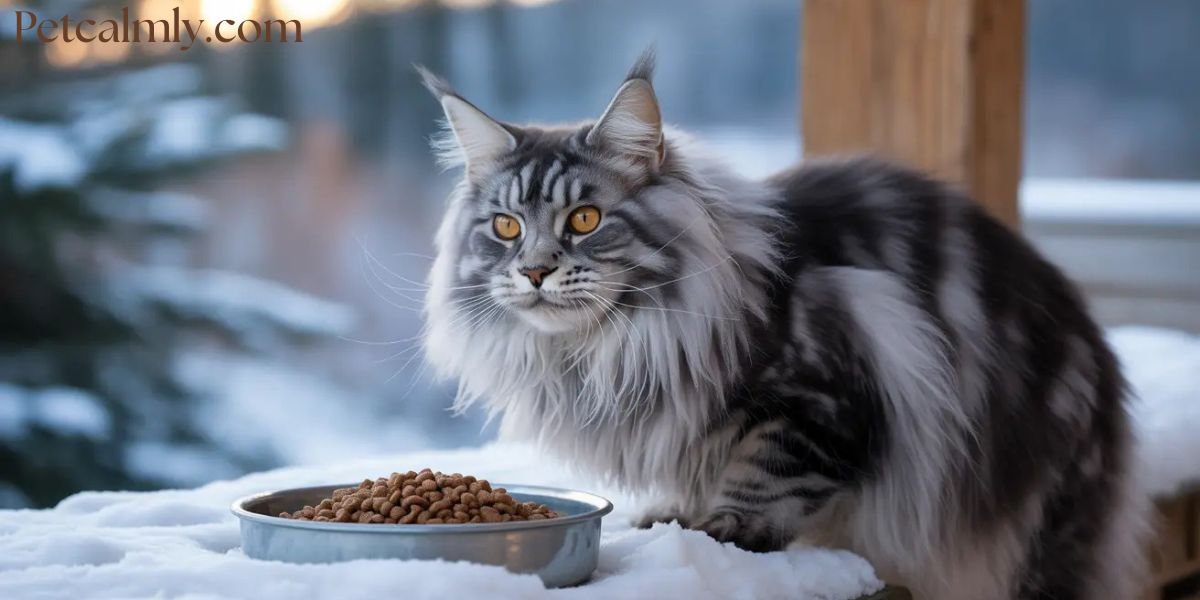
Yes, cats typically need more food in winter. Research shows they consume about 15% more calories to maintain body temperature and generate heat in colder weather. This holds true for both indoor and outdoor cats, though outdoor ones may require even more. Always monitor your cat’s weight and consult a vet before making big changes to avoid overfeeding.
As winter sets in across the USA, many cat owners notice their pets begging for extra kibble or wet food. This isn’t just your imagination it’s a natural response to the season. Keeping your cat well-fed during cold months helps them stay warm, active, and healthy, reducing risks like weight loss or lethargy. In this guide, we’ll cover everything you need to know about winter cat nutrition, so you can support your furry companion without guesswork.
Why Do Cats Need More Food in Winter?
Cats are warm-blooded animals, meaning they must use energy from food to keep their body temperature steady at around 100–102°F. When temperatures drop, their bodies work harder, burning more calories. This increased energy demand is why many cats show a bigger appetite from late fall through early spring.
Metabolic Changes Due to Cold Weather
In winter, a cat’s metabolism ramps up to produce heat. A study of domestic cats found they eat more during October to February, aligning with cooler outdoor and indoor temps. For example, if your cat usually eats 200 calories a day, they might need 230–260 in winter. This isn’t about “comfort eating” it’s biology helping them stay insulated.
Outdoor cats face harsher conditions, like wind or snow, so they burn even more energy foraging or huddling. Indoor cats in drafty homes or those near windows might feel a slight chill, triggering the same response.
Reduced Activity Levels and Boredom
Many cats become less playful in winter due to shorter days and colder weather. They might nap more to conserve energy, but this can lead to boredom-induced eating. Think of your cat lounging by the heater all day they’re not burning calories through zoomies, yet their body still craves fuel for warmth.
For instance, a normally active tabby might start meowing at the food bowl more often, not because they’re truly hungry, but to fill the downtime. This is common in apartments where outdoor access is limited.

Instinctual Behaviors from Wild Ancestors
Cats descend from desert-dwelling wildcats, but they’ve adapted to seasons. In the wild, prey is scarcer in winter, so ancestors bulked up in fall. Domestic cats retain this instinct, eating more to build fat reserves for “survival.” Even pampered house cats might paw at empty bowls more insistently as days shorten.
Real-life example: Owners in snowy states like Minnesota often report their cats gaining a pound or two over winter, which sheds naturally in spring if not overdone.
Factors Influencing Appetite: Age, Breed, and Health
Not all cats need the same increase. Kittens and seniors may require more to support growth or weakened immune systems. Breeds like Maine Coons with thick fur handle cold better but still eat extra for maintenance.
Health issues amplify this. A cat with arthritis might move less, leading to boredom eating, while one with hyperthyroidism could eat ravenously year-round. Always factor in your cat’s unique profile.
Signs Your Cat Needs More Food in Winter
Watch for clear indicators that your cat’s hunger is genuine. Increased meowing around mealtime, finishing portions faster, or scavenging scraps are common signs. They might also seem more restless or seek warm spots obsessively.
Physical cues include a dull coat, slight weight loss despite eating normally, or shivering though rare in healthy cats. For outdoor cats, check for thinner body condition after cold nights.
Example: If your indoor Siamese starts waking you at 5 AM for food, it could signal winter needs, not just mischief.
Indoor vs. Outdoor Cats: Different Needs
Outdoor cats definitely need more food in winter up to 2–3 times their usual amount in extreme cold to fuel constant movement and warmth. Provide sheltered feeding stations with dry food that won’t freeze.
Indoor cats in heated homes might only need a 10–15% bump, as they’re shielded from elements. But lower light levels can still trigger seasonal appetite shifts. Adjust based on your home’s thermostat aim for 68–72°F to minimize extra demands.

Potential Concerns and Risks
Overfeeding is a big risk, leading to obesity, diabetes, or joint strain issues affecting 60% of US cats. Underfeeding can cause weight loss, weakened immunity, or behavioral problems like aggression.
Other worries: Poor-quality food might not provide enough nutrients, or sudden diet changes could upset digestion. Winter dehydration is sneaky too, as cats drink less but need hydration for metabolism.
When Should You Be Concerned?
Be alert if your cat’s appetite spikes dramatically eating double portions could signal illness like diabetes or parasites, not just winter. Sudden weight loss despite more food warrants a vet visit, as it might indicate thyroid issues or dental pain.
Excessive lethargy, vomiting after meals, or refusing food altogether are red flags. Kittens under 6 months or seniors over 10 are more vulnerable monitor them closely. If your cat shivers indoors or hides excessively, check for drafts or health problems.
In emergencies, like prolonged cold exposure for outdoor cats, seek immediate care to prevent hypothermia.
What Should Pet Owners Do?
Start by weighing your cat monthly use a baby scale or vet visits. Increase portions gradually by 10–15%, focusing on high-protein, balanced meals to satisfy without empty calories.
Switch to wet food for hydration, or add warm water to kibble. Provide puzzle feeders to combat boredom eating. Keep water fresh and unfrozen for outdoor cats.
Consult your vet for personalized advice, especially if your cat has conditions. In cold states, consider fur-trimming for long-haired breeds to reduce matting, but never shave them fully.
Simple tips: Schedule playtime to boost activity, use heated beds to ease energy demands, and track intake with apps like PetManager.
More Information About Pets, Please Visit Our Website: What Are the Signs of Dehydration in Cats?
Do Cats Remember Their Siblings When They Die?
Conclusion
Winter brings unique nutritional needs for cats, often requiring a modest increase in food to support warmth and health. By understanding the reasons from metabolism to instincts and watching for signs, you can keep your cat thriving without risks. Remember, every cat is different, so prioritize regular vet checkups. With these steps, you’ll ensure your feline friend enjoys a cozy, nourished season, strengthening your bond as a caring owner.
Frequently Asked Questions
1: Do indoor cats need more food in winter?
Yes, even indoor cats may eat 10–15% more due to subtle temperature drops or seasonal light changes affecting metabolism. Heated homes help, but monitor weight and adjust portions if they show hunger signs.
2: How much more food should cats get in cold weather?
Aim for a 15% increase based on studies, like adding an extra tablespoon of kibble daily. Calculate using your cat’s weight and food label guidelines, then tweak per vet advice.
3: Why do cats sleep more in winter?
Shorter days and cooler temps prompt more rest to conserve energy. It’s normal unless paired with appetite loss or unusual behavior, which could need a checkup.
4: Do cats eat less food in summer?
Often yes, consuming about 15% less as they need fewer calories for warmth in hot weather. Reduce portions to prevent weight gain during warmer months.
5: What if my cat is overweight should I still feed more in winter?
No, stick to maintenance levels or consult a vet for a weight-management plan. Focus on exercise and low-calorie treats to meet needs without excess.
6: Is it okay to feed feral cats more in winter?
Absolutely offer 2–3 times more dry food in sheltered spots to help them stay warm. Mix with kitten formula for calories, and provide fresh water to prevent freezing.