When pet owners experience the heartbreaking loss of a feline family member, one common question arises: do cats remember their siblings when they die? This query taps into the deeper aspects of feline behavior, cat memory, and animal grief. Cats, often seen as independent creatures, form complex social bonds, especially with littermates or long-term companions. Understanding whether cats mourn deceased siblings involves exploring feline cognition, emotional responses, and observable behaviors. In this comprehensive article, we’ll delve into the science and anecdotes behind cat sibling relationships, signs of mourning in cats, and how to support a grieving pet. By examining expert insights and real-life examples, we aim to provide clarity on this poignant topic, helping cat owners navigate pet loss with empathy and knowledge.
Understanding Feline Memory and Recognition
To answer the core question do cats remember their siblings when they die we first need to understand how feline memory works. Cats possess both short-term and long-term memory, though their cognitive processes differ from humans. Short-term memory in cats lasts about 16 hours, allowing them to recall recent events like where they hid a toy or the location of their food bowl. Long-term memory, however, can persist for years, particularly for significant relationships or experiences.
Feline recognition primarily relies on scent, which is far more acute in cats than in humans. A cat’s sense of smell is about 14 times stronger, thanks to over 200 million olfactory receptors. This means cats identify siblings and other familiars through pheromones and individual scents rather than visual cues alone. Studies on animal memory suggest that cats can retain memories of companions if they shared a strong bond during their early developmental stages, typically the first 8-12 weeks of life. If separated early, this recognition may fade, but for cats raised together into adulthood, the memory can endure.
In the context of death, cats may not comprehend the concept of mortality as humans do. Instead, they notice the absence of a familiar scent, routine, or presence. This leads to behaviors that resemble mourning, raising the question of whether they’re truly remembering their deceased sibling or simply reacting to environmental changes. Experts in veterinary behavior note that while cats don’t “grieve” in a human sense, they exhibit stress responses to loss, which can mimic remembrance.
Related keywords like “cat memory span” and “feline scent recognition” highlight how these elements interplay. For instance, if a cat sibling dies, the surviving cat might search for the lost companion by sniffing areas where they once played or slept, indicating a form of olfactory memory recall.
The Bond Between Cat Siblings
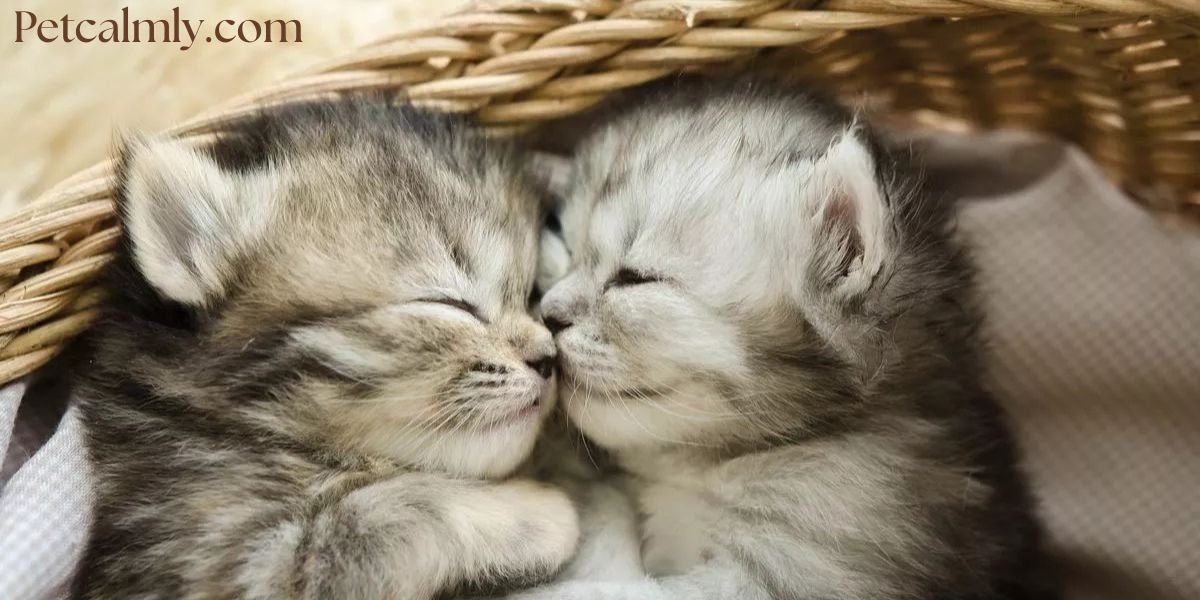
Cat sibling bonds form early in life, during the socialization period when kittens learn from their mother and littermates. These relationships can be profound, especially in multi-cat households where siblings cohabitate long-term. Siblings often groom each other, share sleeping spaces, and engage in mutual play, fostering a sense of security and companionship.
Do cats remember these bonds after separation or death? Evidence from cat behaviorists suggests yes, particularly if the siblings were closely bonded. For example, littermates separated after several months may recognize each other upon reunion through scent and behavior patterns. However, if separation occurs before 8 months, the familial recognition diminishes, and they treat each other as unrelated cats. This is crucial when considering death: a sudden loss disrupts the bond, potentially triggering a memory-based response.

In terms of NLP-related terms, “cat sibling relationships” and “feline social bonds” emphasize the emotional depth. Anecdotal evidence abounds; many owners report that surviving siblings become more affectionate or vocal after a loss, as if compensating for the missing connection. This bond isn’t just instinctual it’s reinforced by daily interactions, making the death of a sibling a significant event in a cat’s life.
Factors influencing bond strength include age, environment, and individual personality. Indoor cats with limited external stimuli may form tighter sibling ties, while outdoor cats might have looser associations. Understanding these dynamics helps explain why some cats seem to “remember” their deceased siblings more vividly than others.
Do Cats Grieve the Loss of Siblings?
One of the most debated aspects of the keyword “do cats remember their siblings when they die” is whether cats actually grieve. Grief in animals, or animal mourning, is a topic of ongoing research in veterinary science. While cats don’t experience grief identically to humans lacking the abstract understanding of death they do show behavioral changes indicative of distress and loss.
Signs of feline grief include increased vocalization, such as meowing more frequently, which might be a call for the missing sibling. Other indicators are withdrawal from social interactions, hiding, or even aggression toward other household pets. Appetite changes are common; a grieving cat might eat less or refuse food altogether, leading to weight loss if not addressed. These behaviors suggest that cats are processing the absence, which ties back to memory of the sibling.

Do cats sense death without seeing the body? There’s no scientific evidence for metaphysical sensing, but they detect changes in routine and scent. For instance, if a sibling dies away from home, the surviving cat may not “know” about the death but will notice the permanent absence, leading to adjustment periods that resemble mourning.
Pet loss experts recommend observing these signs closely. In one study on companion animal grief, over 70% of cats showed altered behavior after losing a housemate, supporting the idea that they remember and miss siblings. Incorporating terms like “cat mourning behaviors” and “feline emotional responses” aids in SEO while providing valuable insights for readers searching for validation of their observations.
Signs That Your Cat Remembers or Misses a Deceased Sibling
Identifying if your cat remembers a deceased sibling involves watching for specific behaviors. Searching behavior is a key sign: your cat might roam the house, sniffing corners or beds where the sibling used to rest, as if looking for them. This is linked to scent memory, a core component of feline cognition.
Lethargy and depression-like symptoms, such as excessive sleeping or lack of interest in play, are also common. Cats that once played chase with their sibling might stare at toys or avoid them altogether. Vocal changes, like more frequent yowling at night, can indicate distress from the loss.
Physical signs include grooming changes either over-grooming due to stress or neglecting self-care. In severe cases, this can lead to health issues like urinary tract problems from stress. Owners often share stories of cats lying on the deceased sibling’s favorite spot, suggesting a form of remembrance.
Using NLP keywords such as “signs of cat grief” and “behaviors after pet loss” ensures the content aligns with common searches. If these signs persist beyond a few weeks, consulting a vet is advisable to rule out underlying health issues.
How Long Does a Cat’s Memory Last for Deceased Siblings?
The duration of a cat’s memory for a deceased sibling varies, but research indicates it can last from weeks to several months. Cats may grieve actively for up to six months, with behaviors gradually subsiding as they adapt to the new normal. Long-term memory might retain the sibling’s scent or habits indefinitely, but the emotional impact diminishes over time.
Factors like the strength of the bond play a role. Closely bonded siblings, such as those who grew up together, may take longer to adjust. Age matters too; older cats might grieve more intensely due to established routines, while kittens adapt faster.
In terms of “cat memory duration,” studies on feline cognition show that associative memories (linked to positive or negative experiences) last longer. For example, a cat might avoid a room where the sibling passed away, indicating lasting recall. Monitoring your cat’s progress and providing enrichment can help shorten the grieving period.
Helping Your Cat Cope with the Loss of a Sibling
Supporting a grieving cat is essential for their well-being. Maintain routines to provide stability feed at the same times, keep play sessions consistent, and avoid major changes like rearranging furniture. Introduce pheromone diffusers, like Feliway, to reduce stress through synthetic calming scents.
Extra attention helps; spend more time petting or playing to fill the companionship void. If appropriate, consider adopting a new cat, but wait until the grieving period subsides to avoid overwhelming your pet. Natural remedies, such as catnip or herbal supplements, can aid relaxation, but consult a vet first.
For severe grief, behavioral therapy or medication might be needed. Terms like “helping cats grieve” and “pet bereavement support” are key for readers seeking practical advice. Sharing stories from communities, like owners who used interactive toys to distract their cats, can offer relatable tips.
Expert Insights and Studies on Cat Memory and Grief
Veterinary experts and animal behaviorists provide valuable perspectives. Dr. Jackson Galaxy, a renowned cat behaviorist, affirms that cats experience grief, especially from bonded losses. Studies from organizations like the ASPCA highlight behavioral changes in 65% of cats after a companion’s death.
Anecdotes from platforms like Reddit and X (formerly Twitter) echo these findings, with users describing cats mourning for months. Research in journals like Applied Animal Behaviour Science explores feline emotions, suggesting grief is an adaptive response.
Incorporating “expert opinions on cat grief” ensures credibility. While more studies are needed, current evidence supports that cats do remember and react to sibling loss.
Frequently Asked Questions
Do cats understand when their sibling dies?
Cats don’t grasp death conceptually but notice absence through changes in scent and routine, leading to behaviors that resemble understanding loss.
How can I tell if my cat is grieving a deceased sibling?
Look for signs like lethargy, appetite loss, searching, or increased vocalization. These indicate your cat is adjusting to the absence.
Do cats remember siblings after long separation?
If bonded early, cats may recognize siblings via scent even after years, though memory fades with time and lack of contact.
How long do cats grieve for a sibling?
Grief can last up to six months, but most cats adapt within weeks to months with proper support.
Should I show my cat the body of a deceased sibling?
It can help some cats understand the absence, reducing searching behavior, but it’s not always necessary or recommended.
Can adopting a new kitten help a cat grieving a sibling?
Yes, but introduce slowly after the initial grieving period to avoid stress. Ensure personalities match for a smooth transition.
More Information About Pets, Please Visit Our Website: Petcalmly.com
Earth Rated Dog Bath Products for Sensitive Skin: Ultimate Guide
Conclusion
In exploring “do cats remember their siblings when they die,” we’ve uncovered that while cats may not remember in a human-like narrative sense, their behaviors strongly suggest recognition and mourning through scent, routine disruption, and emotional responses. From understanding feline memory to providing coping strategies, this knowledge empowers cat owners to support their pets during tough times. Remember, every cat is unique observe closely and seek veterinary advice if needed. By fostering empathy for feline grief, we honor the deep bonds our cats form, ensuring they feel secure even after loss. If you’re dealing with pet bereavement, know that time and love are powerful healers.