Short direct answer
Cats remember their siblings mainly through shared scents and early social bonds formed in the first few months of life. Most veterinary experts and studies suggest that this recognition lasts from several months up to about 1–2 years after separation, especially if littermates stayed together until 12 weeks or longer. After that, memories often fade as individual body odors change due to diet, environment, neutering, and aging. While some cats show subtle recognition even years later in rare cases, most treat separated siblings like unfamiliar cats cautious at best, aggressive at worst.
This topic resonates with many cat owners who adopt kittens and wonder about their past family ties. We humanize our pets, imagining they long for littermates the way we miss brothers or sisters. In reality, feline memory works differently practical, scent-driven, and tied to survival rather than emotional nostalgia. Knowing the facts helps owners provide the best support during transitions.
How Feline Memory Works for Social Bonds
Cats have impressive memories, especially for scents and associations linked to safety or food. The hippocampus in their brain handles episodic and spatial recall, similar to humans but more focused on immediate utility.
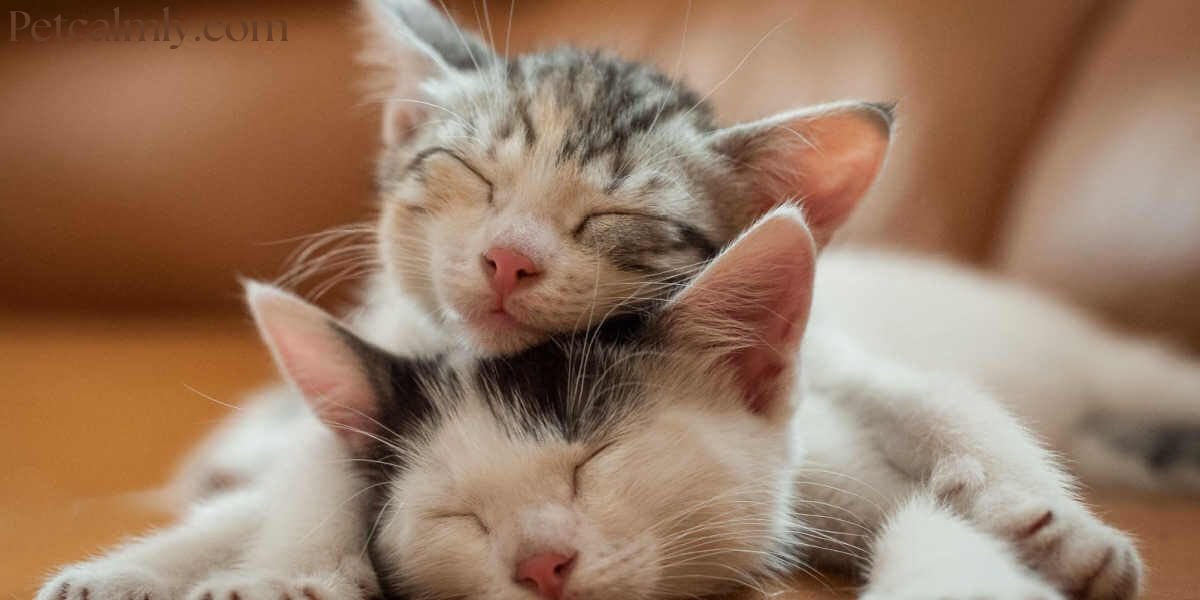
Kittens build sibling memories during the critical socialization window (2–12 weeks). They share the queen’s (mother’s) scent plus a colony odor from close quarters. Play-fighting, mutual grooming, and sleeping in piles create positive links.
Research on cat cognition shows they retain scent-based memories longer than visual ones. For instance, kittens prefer their mother’s scent over strangers’ even after months apart, with recognition lasting up to a year in some tests. Similar principles apply to siblings familiar smells trigger calmer responses.
Short-term memory lasts hours to days (like remembering hidden food), while long-term associative memory can persist years for important figures like owners or bonded companions. Sibling recall falls in between, stronger with prolonged early contact.

Key Factors Affecting Sibling Memory Duration
Memory length varies widely based on these elements:
- Early time together: Kittens adopted at 8 weeks (after basic weaning) retain sibling cues longer than those separated at 4–6 weeks. Staying with littermates until 6–12 months strengthens bonds dramatically.
- Separation duration: Weeks or months apart allow easier recognition. Over 1–2 years, most scent memory fades. Anecdotes show rare reunions after 5 years with positive reactions, but these are exceptions.
- Scent changes: Neutering, new diets, or different homes alter pheromones quickly. A once-familiar sibling may smell “foreign,” triggering territorial responses.
- Personality and bonding strength: Closely bonded pairs (e.g., those who groomed each other constantly) show better recall. Solitary or less interactive kittens forget faster.
- Individual experiences: Cats with enriched lives (lots of human interaction) shift focus to current family, diluting old memories.
Picture two brothers separated at 10 weeks. After 18 months, one sniffs the other’s old toy. A faint familiarity might spark curiosity, but full joyful reunion is unlikely more like cautious tolerance.
Observable Signs of Sibling Recognition
Reunions or scent exposure reveal clues:
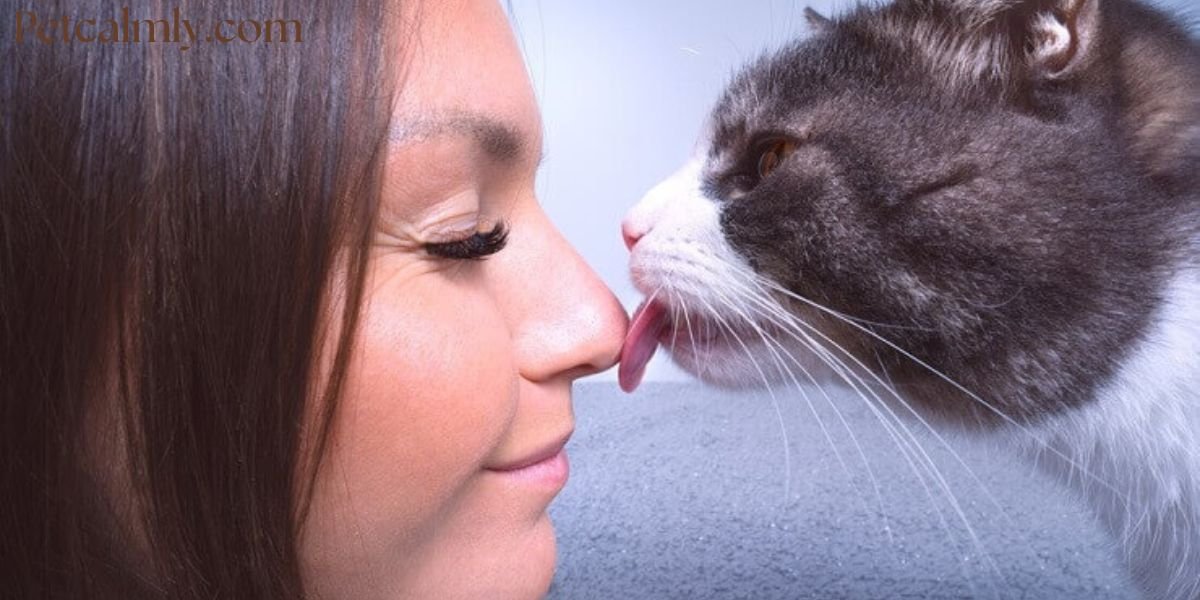
- Positive signals: Slow blinks, cheek rubbing, relaxed ears/tail, or tentative grooming attempts.
- Neutral to mild interest: Prolonged sniffing without fear or aggression.
- No recognition: Hissing, swatting, hiding, or complete indifference.
In one real-life story, two sisters separated for a year met again. They hissed initially but settled into peaceful coexistence within days suggesting faint remnants rather than strong bonds.
Bonded adult siblings separated later (e.g., after a year together) may show clearer signs of missing each other, like searching behaviors or temporary appetite loss.
Do Cats Actually Miss Their Siblings?
Cats experience adjustment stress after leaving littermates, but it’s rarely deep emotional grief. Signs include:
- Increased vocalization or hiding in the first 1–2 weeks.
- Temporary reduced eating or play.
- Clinginess to new owners.
These fade as routines stabilize and new bonds form. Kittens adapt quickly often within days with proper care.
Unlike pack animals like dogs, cats descend from solitary hunters. Wild colonies are loose and flexible, so lifelong sibling attachments aren’t vital. They prioritize current resources and safety over past family.
Adult cats losing long-term companions (including siblings) might grieve longer up to months with subdued behavior. But “missing” is more about disrupted routine than sentimental longing.

The Science Behind Cat Memory and Scent Recognition
Veterinary behavior sources note cats remember familiar cats (including siblings) via pheromones for “a year or more.” One study on mother-kitten scent preference showed strong responses at 6 months and 1 year post-separation.
General cat memory research indicates long-term retention for significant experiences up to years for owners or trauma. Social memories tie closely to olfaction; cats have about 200 million scent receptors (vs. humans’ 5–6 million).
No large-scale sibling-specific studies exist, but extrapolating from related research (e.g., scent discrimination in colonies), recognition peaks early and declines gradually.
Anecdotes vary: Some owners reunite siblings after years with instant affection; most report stranger-like interactions. Factors like age at reunion and introduction method influence outcomes.
When Should Pet Owners Be Concerned About Separation Effects?
Normal adjustment lasts 1–4 weeks. Seek help if:
- Lethargy, hiding, or food refusal persists beyond a month.
- Excessive meowing, destructive scratching, or inappropriate elimination.
- Signs of illness (vomiting, diarrhea) alongside behavior changes stress can worsen health.
- Aggression during attempted sibling reunions forced meetings risk fights.
Always consult a vet first to exclude medical issues. Behaviorists recommend pheromone therapy or environmental tweaks before assuming pure emotional distress.
Practical Steps Pet Owners Can Take
Help your cat thrive post-separation with these evidence-based tips:
- Enrich the environment: Puzzle feeders, climbing trees, and interactive toys replace sibling play. Daily 15–20 minute play sessions reduce stress.
- Stick to routines: Consistent meal times, litter cleaning, and affection schedules provide security.
- Use calming aids: Feliway diffusers mimic maternal pheromones, easing transitions.
- Consider companionship: If loneliness persists, adopt a compatible cat (bonded pairs often work best). Introduce slowly scent swapping first, then supervised meetings.
- For reunions: Swap bedding or toys weeks ahead to refresh scents. Use neutral spaces and positive reinforcement (treats during calm interactions).
- Monitor and adjust: Track behavior in a journal. Patience is key some cats need months to fully settle.
These steps support any cat, whether sibling memories linger or not.
More Information About Pets, Please Visit Our Website: Do Cats Understand Siblings
Conclusion
Cats hold sibling memories primarily through early scents and bonds, typically for months to 1–2 years, though fading is common as life changes intervene. They don’t experience human-style missing but adjust through adaptation and new attachments.
Focus on being their secure, loving constant. Provide stimulation, routine, and patience your presence becomes their primary “family.” Many cats form deep bonds with owners or new feline friends that rival or exceed early litter ties.
Cherish your cat’s independence and quirks. With thoughtful care, they’ll lead happy, fulfilled lives regardless of distant kittenhood memories.
Frequently Asked Questions
1: How long can cats remember the scent of their siblings?
Typically up to 1–2 years, based on scent studies and expert observations. Recognition is strongest in the first year and weakens as odors change.
2: Will separated kitten siblings recognize each other after years?
Rarely with strong affection. Most act like strangers due to altered scents, though some anecdotes show tolerance or mild interest after 3–5 years.
3: Do cats grieve or miss littermates long-term?
Short-term adjustment is common (weeks), but true grief is rare. They adapt to new homes faster than we expect, focusing on current bonds.
4: Is it better to adopt sibling cats together?
Often yes especially bonded pairs for built-in companionship and play. Check shelter advice, as personalities matter to avoid future conflicts.
5: Can my cat form new “sibling-like” bonds with unrelated cats?
Yes, many do through shared time, grooming, and play. Slow introductions and positive experiences build strong friendships.
6: What if reunited siblings fight immediately?
Common reaction, separate them, reintroduce gradually with scent swapping and treats. Most calm over days/weeks; consult a behaviorist if aggression persists.