
Short direct answer
Training a dog to stay alone comfortably usually takes 4 to 8 weeks with daily practice. Puppies often learn faster, in 2 to 4 weeks if you start early. Adult dogs with anxiety might need 2 to 3 months. Progress depends on your dog’s age, breed, and consistency in gradual steps to avoid stress.
Leaving your dog alone is a common need for busy pet owners in the USA, whether you’re heading to work, running errands, or just stepping out. But without proper training, it can lead to separation anxiety, causing destructive chewing, barking, or even health issues like stress-related illnesses. Teaching this skill early builds your dog’s confidence, prevents bad habits, and gives you peace of mind knowing they’re safe and calm at home.
Understanding Separation Anxiety in Dogs
Separation anxiety happens when dogs feel panicked about being left alone. It’s not just misbehavior it’s a real emotional response that can affect any dog, from rescues to family pets.
Common Causes of Separation Anxiety
Dogs are pack animals by nature, so sudden alone time feels unnatural. Puppies separated too early from their litter might struggle more. Changes like moving homes, losing a family member, or switching routines can trigger it. For example, a dog used to remote work during the pandemic might panic when owners return to offices. Breeds like Labs or Velcro dogs (those that follow you everywhere) are prone due to their attachment styles.
Signs Your Dog Can’t Handle Being Alone
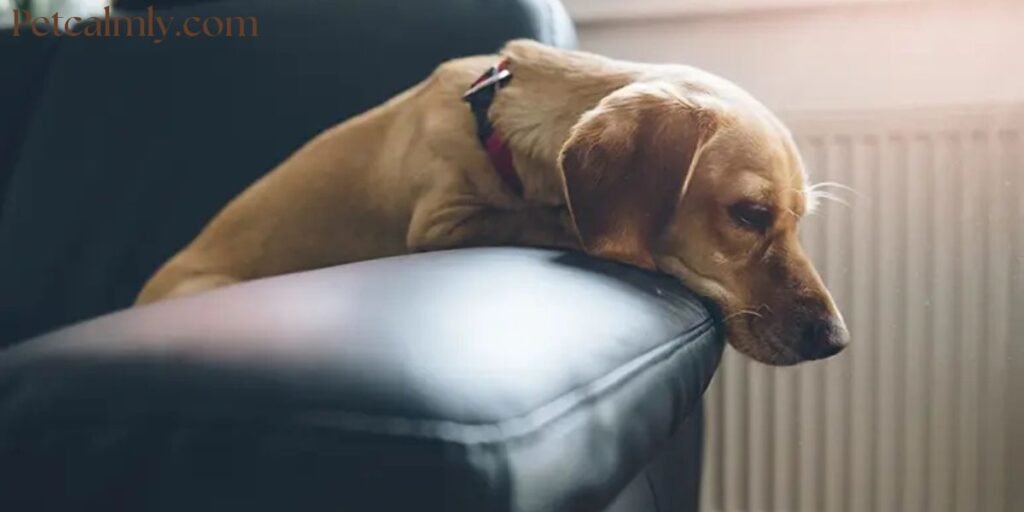
Watch for barking or howling that neighbors report starting right after you leave. Destructive behaviors like chewed furniture or scratched doors are red flags. Other signs include pacing, drooling, or accidents indoors despite being house-trained. In severe cases, dogs might try to escape, injuring themselves on windows or crates. Real-life example: A Golden Retriever owner noticed shredded couch cushions only when away, signaling anxiety, not boredom.
Behaviors and Concerns During Training
During early training, expect some whining it’s normal as they adjust. But if it escalates to trembling or refusal to eat, slow down. Concerns include over-attachment, where dogs shadow you constantly, or rebound anxiety after a bad experience like a loud storm while alone. Address these early to avoid long-term issues like depression or aggression.
Factors That Affect How Long Training Takes
Every dog is unique, so training timelines vary. Knowing these factors helps set realistic goals and tailor your approach.
Age of the Dog
Puppies under 13 weeks adapt quickest since they’re in their socialization window. Start with seconds alone, building to minutes in days. Adult dogs take longer up to months if they’ve never been trained. Senior dogs might need extra patience due to health changes like hearing loss amplifying fears.
Breed and Temperament
High-energy breeds like Border Collies or anxious ones like Chihuahuas may need more time. Calm breeds, such as Greyhounds, often learn faster. Temperament plays a role: Shy rescues from shelters could require 8-12 weeks, while outgoing family dogs might be ready in 4.
Past Experiences and Environment
Traumatic pasts, like abandonment, extend training to 3 months or more. A noisy urban apartment in a city like New York might heighten fears compared to a quiet suburban home. Consistent household routines speed things up; irregular schedules slow progress.
Step-by-Step Guide to Training Your Dog to Be Alone
This practical guide uses desensitization gradual exposure to alone time paired with positives. Always go at your dog’s pace to build trust.
Prepare a Safe, Comfortable Space
Set up a crate or pen in a quiet room. Make it cozy with bedding, water, and toys. Feed meals there to create happy associations. For example, place a stuffed Kong toy inside only during alone time. Puppy-proof the area: Remove cords or small objects to prevent accidents.
Start with Very Short Absences
Begin with 5-10 seconds. Put your dog in the space with a treat, step out, and return before they fuss. Praise calmly: “Good stay!” Repeat 3-4 times daily. If they whine, wait for quiet, then return no scolding. Over 2-3 days, extend to 1-2 minutes.
Gradually Increase Alone Time
Once they’re calm for minutes, add pre-departure cues like grabbing keys without leaving. Build to 5 minutes, then 10, over a week. Vary times: Sometimes 2 minutes, sometimes 15, to avoid patterns. By week 2, aim for 30 minutes; week 4, an hour. Use a camera app to monitor remotely return if distress starts.
Use Positive Reinforcement and Tools
Reward quiet behavior with treats upon return. Tools like puzzle feeders keep them busy. White noise machines mask outside sounds. For tech-savvy owners, treat-dispensing cameras let you praise from afar. Example: A Beagle owner used a Furbo camera to toss treats, cutting training time by weeks.
Common Challenges and Fixes
If progress stalls, backtrack to shorter times. For destructive dogs, add exercise before sessions a 20-minute walk tires them out. Avoid punishment; it worsens fear. If your dog panics in crates, try a baby-gated room instead.
When Should You Be Concerned?
Be alert if training hits roadblocks. Concern arises if your dog shows extreme distress like self-injury attempts, refusal to eat for days, or anxiety symptoms persisting after 4 weeks of consistent effort. Puppies crying briefly is normal, but adults vomiting from stress isn’t. Health issues like thyroid problems can mimic anxiety see a vet to rule them out. If behaviors worsen, like aggression when you prepare to leave, it’s time for professional help to ensure safety.
What Should Pet Owners Do?
Take action with these simple, effective tips. First, commit to daily sessions consistency is key. Exercise your dog morning and evening to burn energy. Provide mental stimulation: Hide treats around the house before leaving. For working owners, hire a midday walker via apps like Rover. If anxiety is severe, consult a certified trainer or vet behaviorist they might suggest calming aids like Adaptil collars. Track progress in a journal: Note times and reactions to adjust. Remember, patience pays off rushing causes setbacks.
More Information About Pets, Please Visit Our Website: How to Stop Your Puppy From Biting Your Hands Fast
How Long Do Dogs Stay Stuck Together After Mating
Conclusion
Training your dog to be alone takes time but rewards you with a happier, more independent pet. By starting gradual, watching for signs, and using positive methods, you’ll prevent anxiety and build a strong bond. Every dog learns at their own pace, so celebrate small wins. If issues persist, seek expert advice your furry friend deserves a stress-free life. With these steps, you’ll both enjoy more freedom without worry.
Frequently Asked Questions
1: How long can I safely leave my dog alone each day?
Adult dogs shouldn’t exceed 4-6 hours alone to avoid bladder issues or boredom. Puppies need breaks every 2-3 hours. Always provide water and a potty area for longer stretches.
2: At what age can puppies start alone training?
Begin around 8-10 weeks, once settled in your home. Early exposure before 13 weeks makes it easier, starting with seconds in a safe spot.
3: What if my dog destroys things when left alone?
This often stems from boredom or anxiety. Increase exercise, use chew-proof toys, and crate train. If it continues, a behaviorist can help identify triggers.
4: Can separation anxiety be cured completely?
Yes, with consistent desensitization, most dogs improve fully. Severe cases might need meds from a vet, but training resolves it for 80-90% of pets.
5: Should I use a crate for alone time?
Crates work well if introduced positively, offering security. But if your dog hates it, opt for a gated room. Never use as punishment.
6: How do I know if my dog has outgrown separation anxiety?
When they relax quickly after you leave, no destruction occurs, and they greet you calmly not frantically. Test with 2-4 hour absences to confirm.