Short direct answer
Most dogs will act weird for 24 to 48 hours after grooming as they adjust to the stress, new smells, and changed coat feel. Sensitive or first-time groomed pups might take up to a week to settle. If symptoms persist beyond 48 hours or include pain signs, consult your vet promptly.
Why This Matters for Pet Owners
As a dog parent, seeing your furry friend act off after a grooming session can be worrying it’s like they’re not themselves. Grooming keeps them healthy and clean, but the experience can temporarily disrupt their routine. Understanding why helps you provide comfort and spot real issues early, ensuring your dog’s well-being without unnecessary stress.
( 6 Reasons Why Dogs Act Weird After Grooming )
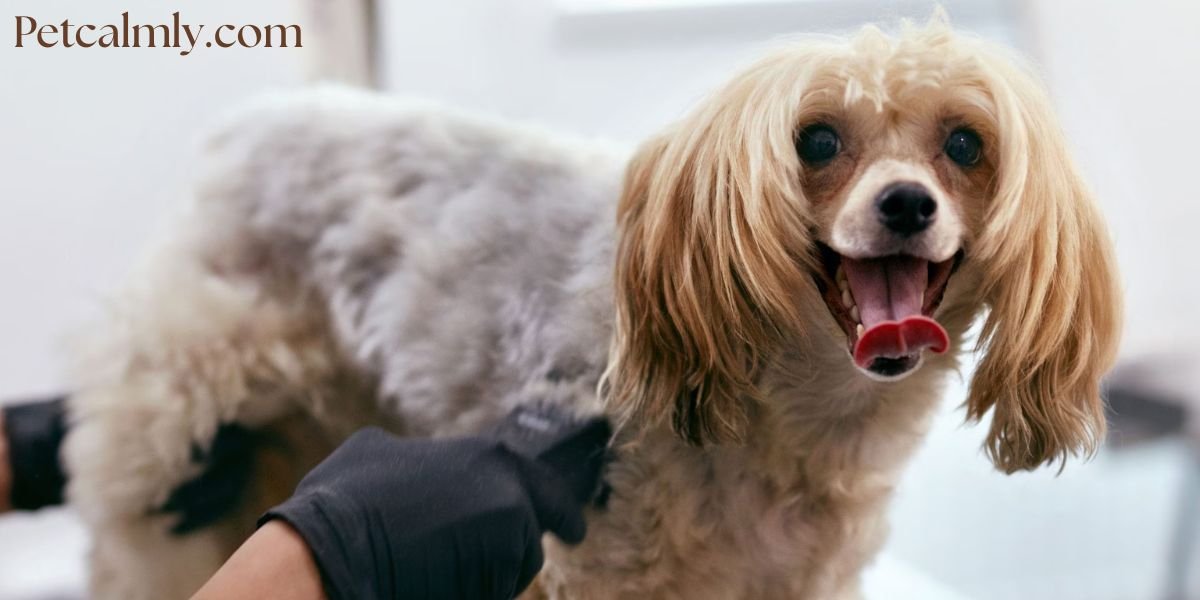
Dogs aren’t just getting a spa day; grooming involves handling, noises, and changes that can unsettle them. Here’s a breakdown of the main causes, based on real pet experiences.
1: Stress from the Grooming Process
Grooming salons are full of unfamiliar sounds like clippers buzzing and dryers blowing, plus being handled by strangers. This spikes anxiety, especially for shy dogs or those new to it. For example, a rescue pup might hide under the bed post-groom because the whole ordeal felt overwhelming, mimicking separation anxiety.
2: Changes in Coat and Skin Sensation
A fresh trim exposes skin that was insulated by fur, making your dog feel vulnerable or chilly. If shaved close, they might itch or rub against furniture as nerve endings adjust. Think of it like wearing a scratchy sweater uncomfortable at first. Breeds like Poodles or Shih Tzus often show this after a short cut, acting fidgety for a day.
3: New Scents from Products
Shampoos, conditioners, and sprays introduce strong smells that overpower your dog’s familiar scent. They might roll on the carpet or avoid you, trying to “reclaim” their identity. A Lab mix might sniff excessively or seem depressed because the floral shampoo masks their natural odor, confusing pack dynamics at home.
4: Fatigue or Overstimulation
The session can exhaust them physically standing still, baths, and brushing tire out even energetic breeds. Hyper dogs like Jack Russells might crash hard afterward, sleeping more or acting lethargic. If sedated (rare but possible for anxious pups), grogginess lingers like a human hangover.
5: Possible Skin Irritation or Allergies
Clippers can nick skin or cause razor burn, leading to scratching. Allergic reactions to grooming products show as redness or hives. A Golden Retriever might paw at their ears if an ear cleaner irritated them, turning a routine groom into discomfort that lasts days.
6: Behavioral or Emotional Response
Some dogs feel “embarrassed” by their new look, avoiding eye contact or slinking around. This is more common in long-haired breeds after a shave. Real-life case: A Cocker Spaniel refused walks for two days, acting subdued because the shorter coat changed how they moved.
Signs and Behaviors to Watch For
Post-groom weirdness shows in various ways knowing them helps you respond calmly.
Hiding or Withdrawing
Your dog might tuck tail and retreat to a crate or under furniture, signaling overwhelm. This often peaks right after pickup and fades as they relax at home.
Shaking or Trembling
Common in small breeds like Chihuahuas, this could be from cold, stress, or adrenaline. If it’s just legs, it might be muscle fatigue from standing during grooming.
Lethargy and Sleepiness
They may nap excessively or ignore playtime. A usually bouncy Beagle might lounge all day, recovering from the energy drain.
Hyperactivity or Zoomies
Conversely, some release pent-up stress by zooming around. Border Collies might dart wildly, burning off grooming jitters.
Excessive Licking or Scratching
This points to itchiness from products or cuts. Monitor for hot spots raw areas from over-licking.
Loss of Appetite or Mood Changes
Skipping meals or seeming grumpy? It’s temporary stress, but track if it lasts.
Real example: A vet client reported their Husky acting “depressed” post-groom tail down, no wags for 36 hours until familiar routines kicked in.
When Should You Be Concerned?
Most weird behavior is normal and short-lived, but red flags mean vet time. Call if symptoms last over 48 hours, or you see yelping, limping, swelling, or bleeding these suggest injury or infection. Persistent shaking could indicate pain or hypothermia in short-coated dogs. If your pup vomits, has diarrhea, or seems disoriented, it might be an allergic reaction. Always err on caution; a quick checkup builds trust and prevents bigger issues. For USA owners, resources like ASPCA Poison Control (888-426-4435) are handy for product concerns.
What Should Pet Owners Do?
You’re the best comfort source here’s practical steps to help your dog bounce back.
Provide a Calm Environment
Bring them home to quiet space with familiar blankets and toys. Avoid loud activities; let them decompress naturally.
Offer Comfort and Affection
Gentle pets, treats, and praise reassure them. If they hide, don’t force interaction sit nearby and talk softly.
Monitor and Hydrate
Watch for changes; ensure fresh water and easy meals. A bland diet like rice and chicken helps if appetite dips.
Use Familiar Scents
Rub a towel on yourself and let them sniff it, restoring “pack” smell. Avoid baths soon after to prevent more stress.
Gradual Reintroduction
Short walks or play sessions rebuild confidence. For repeat grooms, choose gentle groomers or try at-home sessions.
Prevent Future Issues
Acclimate pups early with positive visits. Ask groomers about hypoallergenic products and no-sedation policies.
These tips work for most; if your dog’s sensitive, consult a trainer for desensitization.
More Information About Pets, Please Visit Our Website: How Long to Train a Dog to Be Alone? Real Timeline (2026)
How to Stop Your Puppy From Biting Your Hands Fast
Conclusion
Grooming is essential for your dog’s health, but temporary weird behavior is common as they adjust usually resolving in 1-2 days. By understanding causes like stress or sensory changes, you can offer targeted comfort and know when to seek help. Prioritize your pup’s comfort, choose reputable groomers, and enjoy the fresh, happy dog that emerges. If concerns arise, your vet’s a call away happy tails ahead!
Frequently Asked Questions
1: Why is my dog shaking after grooming?
Shaking often stems from stress, cold exposure after a trim, or muscle fatigue. It typically stops within hours; warm them with a blanket and monitor for pain.
2: Can grooming cause my dog to be lethargic?
Yes, the process tires them out physically and mentally. Expect extra sleep for a day offer quiet rest and light meals to aid recovery.
3: How do I calm my dog after a bad grooming experience?
Give space, use soothing tones, and provide favorite toys. Positive reinforcement like treats helps rebuild trust for future sessions.
4: Is it normal for dogs to itch after being groomed?
Mild itching from new products or clipper irritation is common and fades in 24 hours. If severe, rinse gently and check for allergies.
5: Why does my dog hide after coming home from the groomer?
Hiding signals overwhelm from the unfamiliar environment. Let them emerge on their own; familiar scents and routines speed up adjustment.
6: What if my dog refuses to eat post-grooming?
Stress can curb appetite temporarily try hand-feeding or warming food. If it lasts over a day, vet check for underlying issues like nausea.