In this detailed guide, we’ll explore why dogs resist teeth brushing, how to prepare properly, a step-by-step approach to making the process easier, alternatives if brushing isn’t feasible, and when it’s time to consult a vet. Whether your dog is a puppy just starting out or an older rescue with trust issues, these tips are designed to help you succeed without force or frustration. Let’s dive in and turn teeth brushing into a positive experience for both you and your pup.
Why Is Brushing Your Dog’s Teeth Important?
Before we tackle the refusal issue, it’s crucial to understand the stakes. Dogs, like humans, are prone to dental problems. According to veterinary experts, by the age of three, over 80% of dogs show signs of periodontal disease. Regular brushing helps remove plaque before it hardens into tartar, reducing the need for expensive professional cleanings under anesthesia, which can cost $500 to $1,000 or more.
Brushing isn’t just about fresh breath it’s preventive care. Plaque harbors bacteria that can enter the bloodstream, leading to systemic health issues. For breeds prone to dental problems, like small dogs (e.g., Chihuahuas, Pomeranians) or brachycephalic breeds (e.g., Bulldogs, Pugs), consistent oral care is even more vital. If your dog refuses brushing, ignoring it could result in painful tooth loss or abscesses. But don’t worry; we’ll cover gentle methods to make it work.
Related searches like “dog dental care tips” or “preventing dog gum disease” often lead here because brushing is the gold standard for at-home care. Aim to brush 2-3 times a week for optimal results, but even once a week is better than nothing.
Understanding Why Your Dog Might Refuse Teeth Brushing
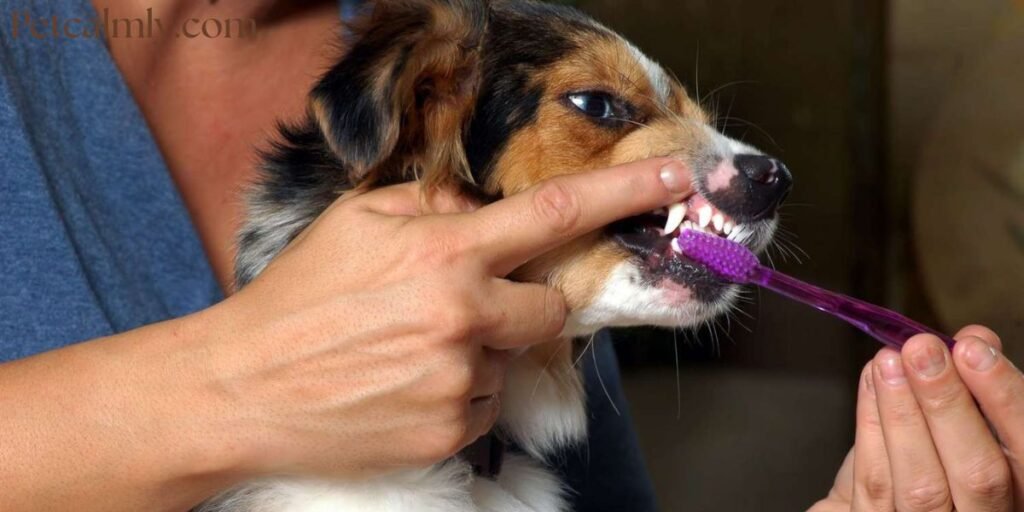
Dogs aren’t being difficult on purpose when they refuse teeth brushing they’re reacting based on instinct or past experiences. Common reasons include:
- Fear or Anxiety: If previous attempts involved forcing their mouth open, they associate brushing with stress. Puppies might not be used to mouth handling, while rescues could have trauma.
- Discomfort: Sensitive gums, existing dental pain, or an unfamiliar taste/texture can cause resistance. Human toothpaste is a no-go because it contains fluoride and xylitol, which are toxic to dogs.
- Lack of Training: Dogs need gradual introduction. Jumping straight to a toothbrush without building trust leads to snapping, growling, or hiding.
- Breed or Age Factors: Older dogs with arthritis might find the position uncomfortable, or high-energy breeds like Terriers may see it as playtime gone wrong.
Recognizing these triggers is key. For instance, if your dog pulls away or shows whale eyes (wide-eyed fear), it’s a sign to slow down. Patience is your best tool here rushing can make refusal worse over time.
Preparing to Brush Your Dog’s Teeth
Success starts with the right setup. Rushing into brushing without preparation is a recipe for failure, especially if your dog refuses.
Choosing the Right Tools
Invest in dog-specific supplies to make the process appealing and safe:
- Dog Toothpaste: Opt for enzymatic formulas that break down plaque without foaming. Flavors like poultry, beef, or peanut butter can entice picky eaters. Brands like Virbac CET or Petrodex are vet-recommended. Avoid human products at all costs xylitol can cause life-threatening low blood sugar.
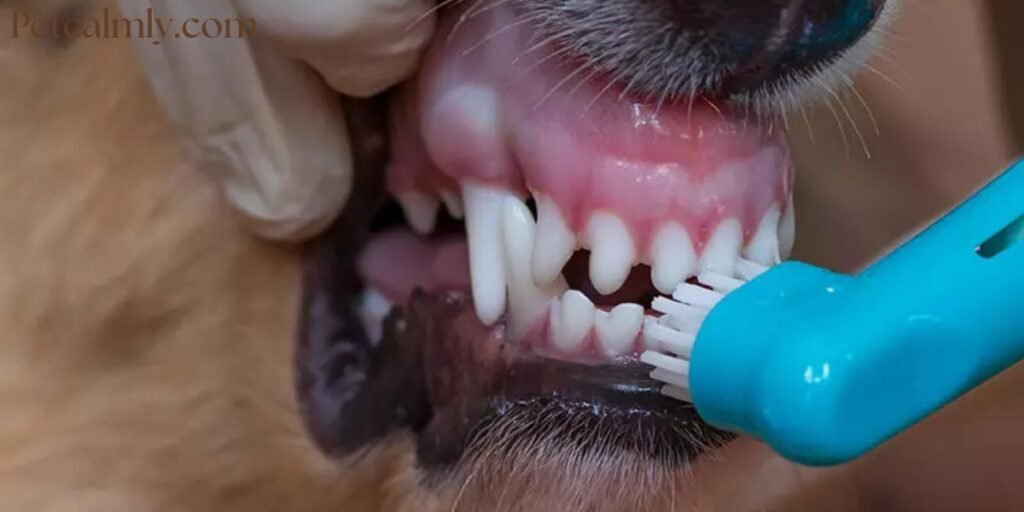
- Toothbrush: Start with a finger brush (a soft silicone sleeve that fits over your finger) for less intimidation. Graduate to a dual-headed dog toothbrush with soft bristles angled for canine mouths. For tiny dogs, a child’s soft toothbrush works in a pinch, but pet versions are ideal.
- Alternatives for Starters: Gauze pads or a clean washcloth wrapped around your finger can serve as a gentle intro. Some owners use dental wipes for a no-brush option.
Stock up on high-value treats like small pieces of chicken or cheese to reward progress. Choose a quiet time when your dog is relaxed, perhaps after a walk, to minimize resistance.
Creating a Positive Environment
Set the stage for success:
- Timing: Brush after meals or playtime when your dog is calm but not sleepy.
- Location: Use a non-slip mat in a familiar spot like the living room to prevent slips that could scare them.
- Your Mindset: Stay calm and upbeat. Dogs sense frustration, which amplifies refusal.
By preparing thoughtfully, you’re addressing half the battle in “how to brush dog teeth when they refuse.”
Step-by-Step Guide to Acclimating Your Dog to Teeth Brushing
The key to brushing a refusing dog is desensitization breaking it into tiny, rewarding steps. This could take days or weeks, but consistency pays off. Never force; if they pull away, stop and try again later.
Step 1: Build Mouth-Handling Tolerance
Start without tools:
- Pet your dog’s head and gently massage their lips and cheeks for 5-10 seconds. Reward with a treat and praise.
- Gradually slip a finger under their lip to touch the gums. Dip your finger in low-sodium broth or coconut oil to make it tasty.
- Do this daily, increasing time as they relax. Goal: Comfortable mouth exploration without resistance.
This step alone can transform a refuser into a willing participant.
Step 2: Introduce Toothpaste
Once mouth handling is okay:
- Let your dog lick a pea-sized amount of toothpaste off your finger. Praise enthusiastically.
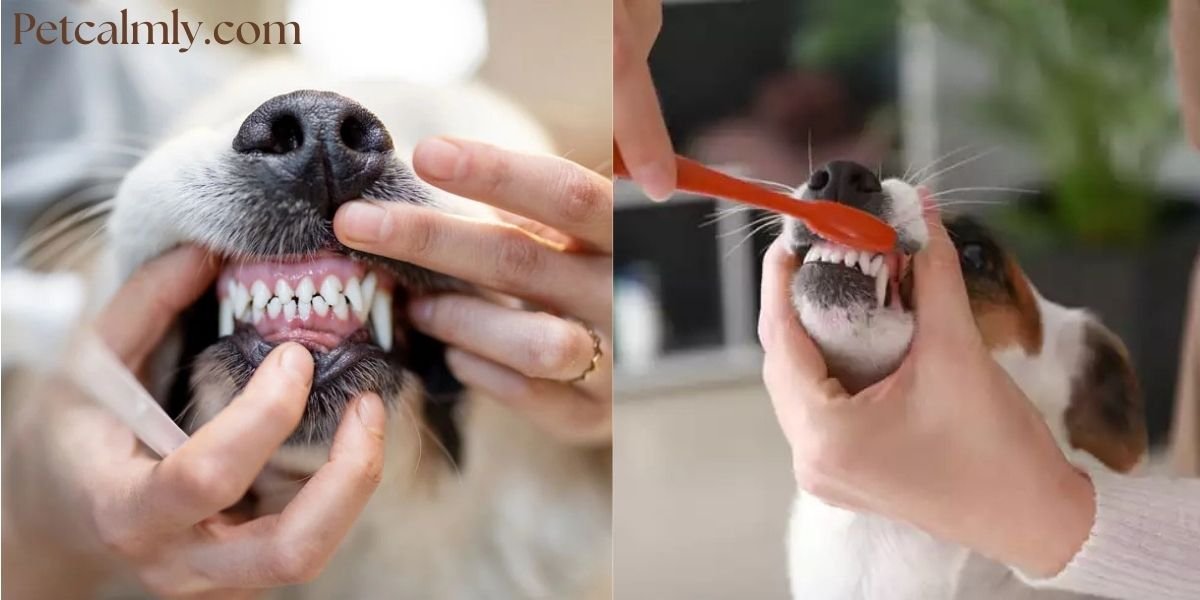
- Rub a small amount on their outer teeth and gums using your finger. Keep sessions under 30 seconds.
- If they refuse, mix toothpaste with their favorite food or use a flavored one they love.
Repeat until they’re excited about the taste.
Step 3: Bring in the Brush
Ease into actual brushing:
- Let them sniff and lick the empty brush. Reward.
- Add toothpaste to the brush and touch it to one or two teeth. Treat immediately.
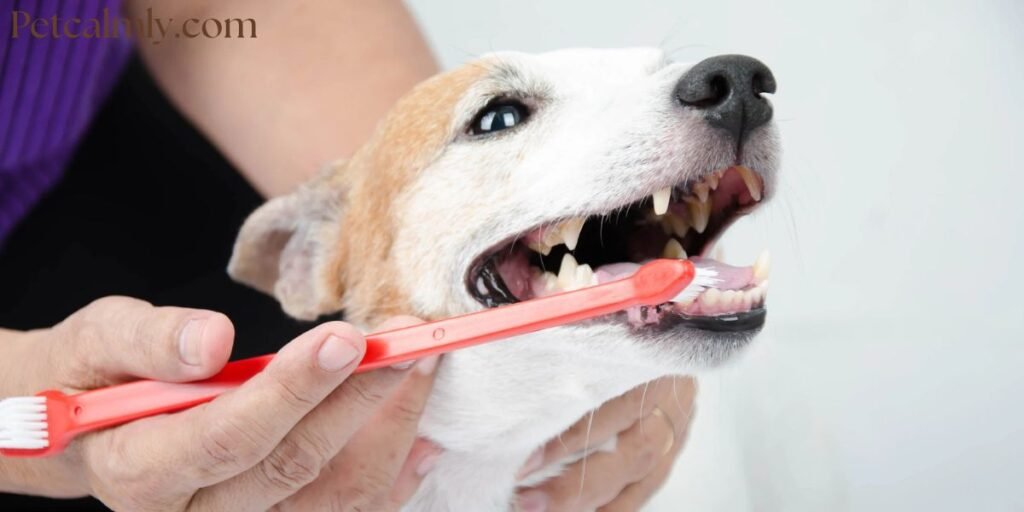
- Work up to brushing the outer surfaces of all teeth in short bursts. Focus on canines and molars where plaque builds most.
- Use circular motions gently no scrubbing needed; the enzymes do the work.
If refusal persists, intersperse with finger rubbing.
Step 4: Full Brushing Sessions
Aim for 1-2 minutes per side. Lift lips gently; no need to open the jaw wide. Always end on a positive note with play or cuddles.
Tips for Stubborn Dogs:
- Use two people: One distracts with treats while the other brushes.
- Wrap in a towel for security (like a “purrito” for cats, but adapted).
- Train a “brush” command by associating it with rewards.
Remember, it’s okay if you only brush the outsides tongues clean the insides naturally.
Techniques for Brushing a Reluctant Dog’s Teeth
If basic steps aren’t enough, try these advanced techniques:
- Positive Reinforcement Training: Use clicker training. Click and treat for each small success, like allowing the brush near their mouth.
- Game-ify It: Turn brushing into play. Some vets suggest approaching it as a fun activity rather than a chore.
- Distraction Methods: Offer a frozen Kong with peanut butter while brushing.
- Flavor Experiments: Test multiple toothpastes; some dogs prefer minty, others meaty.
- Professional Demo: Visit a vet for a hands-on lesson.
For extremely reluctant dogs, start with just booping the brush on one tooth and build from there.
Alternatives to Traditional Teeth Brushing
If your dog absolutely refuses brushing despite efforts, don’t despair. These vet-approved options can maintain dental health:
- Dental Chews and Toys: Products like Greenies or Whimzees scrape plaque as they chew. Look for VOHC (Veterinary Oral Health Council) seals for efficacy.
- Water Additives: Add plaque-fighting solutions like TropiClean to their water bowl. Easy and passive.
- Raw Bones or Antlers: Supervised raw marrow bones naturally clean teeth, but avoid cooked bones that splinter.
- Dental Diets: Prescription kibble with abrasive textures helps reduce tartar.
- Professional Cleanings: Annual vet check-ups catch issues early.
- Sprays and Gels: Apply directly to gums for enzyme action without brushing.
These aren’t replacements but complements, especially for refusers.
When to Seek Professional Help
If refusal is accompanied by symptoms like bleeding gums, excessive drooling, pawing at the mouth, or bad breath that persists, see a vet immediately. They might need a cleaning or treatment for underlying pain, which could be causing the resistance. Vets can also recommend sedatives for extreme cases or demonstrate techniques.
Regular check-ups every 6-12 months are ideal, especially for seniors or small breeds.
Frequently Asked Questions
Can I Use Human Toothpaste on My Dog?
Noit’s toxic. Always use pet-safe options.
How Often Should I Brush My Dog’s Teeth?
2-3 times a week is ideal, but start slow.
What If My Dog Bites During Brushing?
Stop and consult a trainer; never punish.
Are There Natural Ways to Clean Dog Teeth?
Yes, like coconut oil rubs or herbal chews, but combine with brushing.
How Long Does It Take to Train a Refusing Dog?
It varies 1-4 weeks with daily practice.
More Information About Pets, Please Visit Our Website: Petcalmly.com
Conclusion
Mastering how to brush your dog’s teeth when they refuse takes time, but the rewards healthier gums, fewer vet bills, and a happier pup are worth it. By starting slow, using positive methods, and exploring alternatives, you’ll build trust and make dental care routine. Remember, consistency and patience are key. If challenges persist, professional advice ensures you’re on the right track. Your dog’s smile (and health) will thank you!