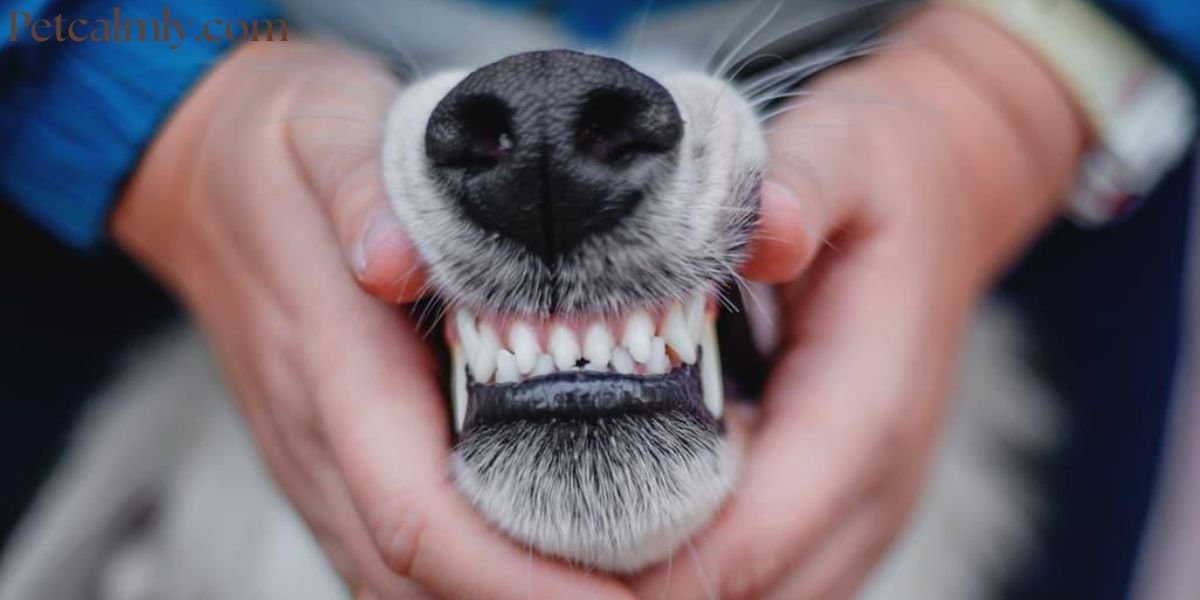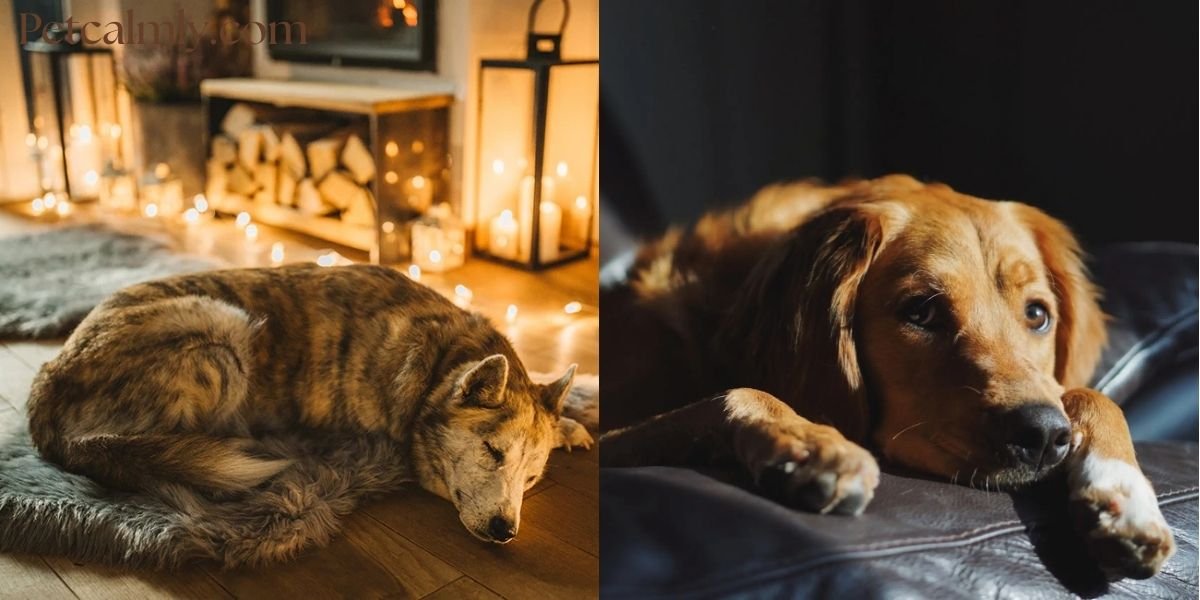
Dog anxiety at night is a common issue that affects many pet owners, leading to restless evenings for both you and your furry friend. If you’ve ever been woken up by your dog’s whining, pacing, or barking in the middle of the night, you’re not alone. Nighttime dog anxiety can stem from various factors, including separation anxiety, environmental changes, or even underlying health problems. Understanding how to calm an anxious dog at night is essential for improving your pet’s well-being and ensuring everyone in the household gets a good night’s rest. ( How to Calm Dog Anxiety at Night)
In this comprehensive guide, we’ll explore the causes of dog anxiety at night, recognize the signs, and provide practical tips on calming dogs with anxiety. Whether your pup is a young puppy experiencing separation anxiety at night or a senior dog dealing with restlessness, these strategies are designed to help. We’ll cover everything from establishing a bedtime routine to using natural remedies and tools like pheromone diffusers and anxiety wraps. By implementing these methods, you can help your dog feel more secure and relaxed when the lights go out.
Remember, every dog is unique, so what works for one might need tweaking for another. If your dog’s nighttime anxiety persists, consulting a veterinarian is crucial to rule out medical issues. Let’s dive into how you can transform those anxious nights into serene slumbers for your beloved companion.

Senior Dog Anxiety at Night
Understanding Dog Anxiety at Night
Before addressing how to calm dog anxiety at night, it’s important to understand what triggers this behavior. Dog nighttime anxiety isn’t just random; it often has identifiable roots that, once addressed, can lead to significant improvements.
Common Causes of Nighttime Dog Anxiety
Several factors can contribute to your dog’s anxiety at night. One primary cause is separation anxiety, where dogs become distressed when left alone, especially in a dark, quiet house. This is common in puppies or rescue dogs who haven’t adjusted to their new environment. Another culprit is noise sensitivity; sounds like thunderstorms, fireworks, or even distant traffic can heighten anxiety levels.
For older dogs, senior dog anxiety at night might be linked to cognitive dysfunction syndrome (CDS), similar to dementia in humans, causing confusion and restlessness. Physical discomfort from conditions like arthritis or urinary issues can also make nights uncomfortable, leading to pacing or whining. Lack of sufficient exercise during the day often results in pent-up energy that manifests as anxiety when it’s time to wind down. Environmental changes, such as moving to a new home or changes in household routines, can exacerbate these issues. Additionally, some breeds are more prone to anxiety due to genetics, like herding breeds that thrive on constant activity.
Understanding these causes is the first step in calming an anxious dog. By identifying the specific trigger for your pet, you can tailor your approach more effectively.
Signs and Symptoms of Dog Anxiety at Night
Recognizing the signs of dog anxiety at night is key to intervening early. Common indicators include excessive panting, even when it’s not hot, which signals stress. Pacing back and forth, inability to settle in one spot, or whining and barking without apparent reason are telltale signs. Some dogs may tremble, hide under furniture, or seek constant reassurance by jumping on your bed.
In severe cases, destructive behaviors like chewing furniture or scratching doors might occur. For puppies, crying at night due to separation from littermates is normal but can persist if not addressed. Senior dogs might exhibit disorientation, staring blankly, or increased vocalization. If your dog wakes you multiple times or seems restless throughout the night, these could be symptoms of underlying anxiety. Monitoring these behaviors helps you gauge the severity and decide when professional help is needed.
Preparing Your Dog for a Peaceful Night
Preparation during the day sets the stage for calming dog anxiety at night. By focusing on routine and stimulation, you can help your dog expend energy and feel secure as bedtime approaches.
Establishing a Bedtime Routine
A consistent bedtime routine is one of the most effective ways to calm dogs with anxiety at night. Dogs thrive on predictability, which reduces stress and signals that it’s time to relax. Start by dimming lights an hour before bed to mimic natural sunset. Include a short, calm walk to allow for bathroom breaks and light exercise.
Follow this with quiet activities like gentle petting or puzzle toys to wind down mentally. Avoid high-energy play close to bedtime, as it can rev up your dog instead of calming them. Feeding should end at least an hour before sleep to prevent digestive discomfort. Finally, guide your dog to their sleeping area with a command like “bedtime” to reinforce the routine. Over time, this structure helps alleviate nighttime dog anxiety by creating a sense of safety and normalcy.
Providing Exercise and Mental Stimulation
A tired dog is often a calm dog. Ensuring your pet gets ample physical and mental exercise during the day is crucial for reducing anxiety at night. Aim for at least 30-60 minutes of walks, playtime, or training sessions, depending on your dog’s age and breed.
Mental stimulation through interactive toys, obedience training, or scent games can tire out their brain, preventing boredom-induced anxiety. For example, hide treats around the house for a scavenger hunt. This not only burns energy but also builds confidence. If your dog is crated at night, incorporate crate training during the day to make it a positive space. By exhausting your dog appropriately, you’ll notice fewer instances of restlessness when night falls.
Calming Techniques and Tools for Anxious Dogs
Once the foundation is set, incorporate specific techniques and tools to directly address how to calm an anxious dog at night. These methods range from environmental tweaks to specialized products.
Environmental Adjustments for Better Sleep
Creating a soothing environment can significantly ease dog anxiety at night. Use white noise machines or calming music playlists designed for dogs to drown out startling sounds like traffic or storms. Apps with relaxing tunes can provide a consistent auditory backdrop.
Pheromone diffusers, which release synthetic versions of calming dog pheromones, are another excellent tool. Plug one in near your dog’s bed to promote relaxation. Keep the room cool and dark, perhaps with blackout curtains, to mimic a den-like atmosphere. Essential oils like lavender (dog-safe varieties) in a diffuser can also help, but always consult a vet first to avoid toxicity.
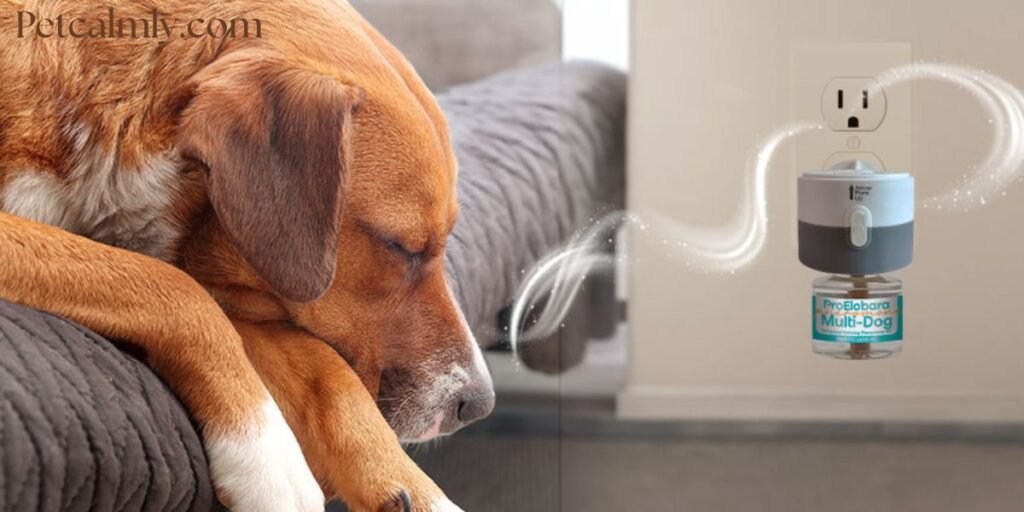
Dog Pheromone Calming Diffuser Kit, Calming Diffuser ...
Using Anxiety Wraps and Comfort Items
Anxiety wraps, such as the Thundershirt, apply gentle pressure to your dog’s body, similar to swaddling a baby, which can have a calming effect. These are particularly useful for noise-phobic dogs or those with separation anxiety at night.
Dog pajamas or cozy blankets can provide similar comfort by making your pet feel secure. Place familiar items like a worn shirt with your scent in their bed to reduce feelings of isolation. For puppies, a stuffed toy with a heartbeat simulator can mimic littermates, easing transition anxiety.

How to Make a Dog Anxiety Wrap
Natural Remedies and Gentle Massages
Natural remedies offer gentle ways to calm dogs with anxiety. CBD treats or oils, derived from hemp, have shown promise in reducing stress without sedation always choose vet-approved products. Herbal supplements like chamomile or valerian root can be given as treats.
A pre-bedtime massage can work wonders. Gently stroke your dog’s face, ears, and back in slow, circular motions to release tension. This not only calms them but strengthens your bond. Combine with deep breathing exercises for yourself to create a tranquil vibe.
When to Seek Professional Help for Dog Anxiety
If home remedies don’t suffice, it’s time to seek expert advice. Persistent dog anxiety at night could indicate deeper issues like thyroid problems or pain. A vet can perform a check-up and recommend medications like anti-anxiety drugs or behavioral therapy.
Consider a professional trainer for severe separation anxiety. In cases of cognitive dysfunction, specialized diets or supplements might be prescribed. Don’t hesitate early intervention prevents escalation and improves quality of life.
Special Considerations for Senior Dogs with Nighttime Anxiety
Senior dog anxiety at night requires tailored approaches. Age-related changes like vision loss or joint pain can amplify anxiety. Provide orthopedic beds for comfort and nightlights to reduce disorientation.
Increase vet visits to monitor for CDS, and use medications like selegiline if needed. Gentle routines and extra affection help seniors feel secure.

More Information About Pets, Please Visit Our Website: Petcalmly.com
Conclusion
Calming dog anxiety at night takes patience and consistency, but with the right strategies, peaceful sleep is achievable. From routines to tools, these methods address the root causes effectively. Monitor progress and adjust as needed for your dog’s happiness.
Frequently Asked Questions
1. What causes dog anxiety at night?
Dog anxiety at night can be caused by separation issues, noise sensitivity, lack of exercise, or medical conditions like pain or cognitive dysfunction in seniors.
2. How can I tell if my dog has separation anxiety at night?
Signs include whining when left alone, destructive behavior, or excessive attachment during the day that worsens at bedtime.
3. Are there natural ways to calm an anxious dog without medication?
Yes, try exercise, pheromone diffusers, white noise, and massages. Supplements like CBD can also help, but consult your vet.
4. Is crate training effective for calming dogs at night?
Crate training provides a secure space that reduces anxiety, especially if introduced positively during the day.
5. What should I do if my senior dog is restless at night?
Address potential pain or CDS with vet-recommended treatments, comfortable bedding, and a consistent routine.
6. Can music really help calm dog anxiety at night?
Absolutely calming music or white noise masks scary sounds and promotes relaxation, as supported by various studies on pet behavior