Short direct answer
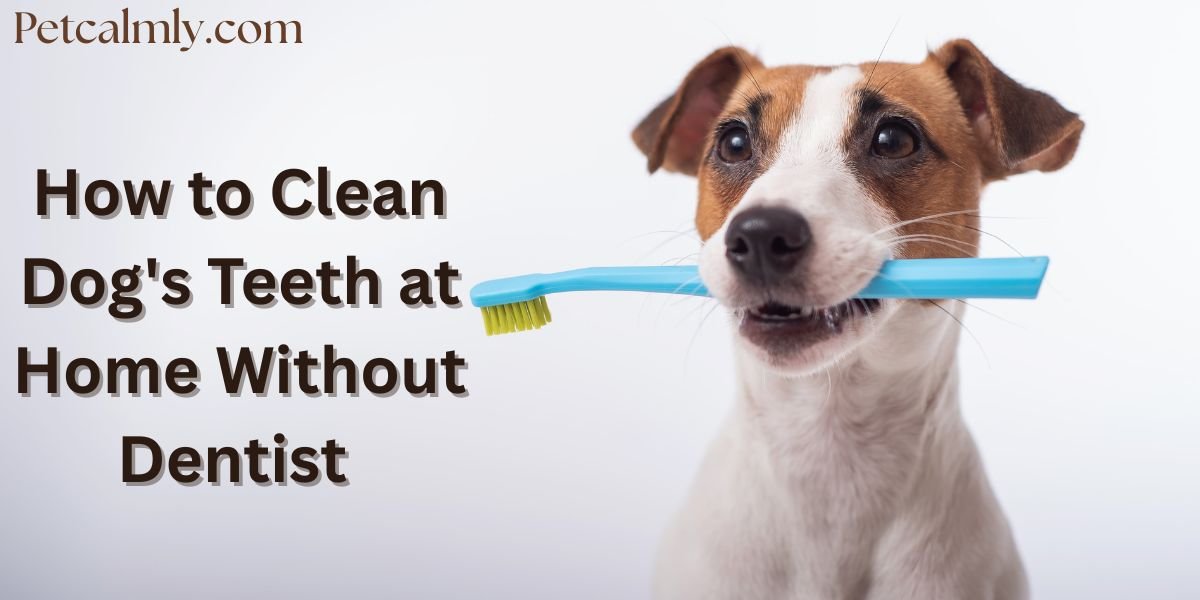
To clean your dog’s teeth at home without a dentist, start by brushing daily with a soft dog toothbrush and enzymatic toothpaste made for pets never use human products. Add dental chews, water additives, and chew toys to scrape plaque and freshen breath. These steps reduce tartar buildup and prevent issues, but see a vet if problems persist.
Keeping your dog’s teeth clean matters because poor dental health affects over 80% of dogs by age three. It leads to pain, bad breath, and serious issues like infections that spread to the heart or kidneys. As a pet owner, simple home care saves on vet bills and keeps your furry friend happy and healthy.
Dog Dental Health
Dogs can’t brush their own teeth, so plaque builds up fast from food and bacteria. Over time, this hardens into tartar, causing gum disease.
Common Dental Problems in Dogs
Periodontal disease is the top issue, starting with gingivitis inflamed gums from plaque. It progresses to tooth loss if ignored. Tartar buildup makes teeth yellow or brown. Broken teeth happen from chewing hard objects like rocks.
Bad breath (halitosis) often signals bacteria overload. Abscesses form under gums, causing swelling and pain. Small breeds like Chihuahuas face higher risks due to crowded teeth.
Signs of Poor Dental Health
Watch for bad breath that doesn’t improve with chews. Red, swollen, or bleeding gums mean inflammation. Drooling more than usual or pawing at the mouth shows discomfort.
Your dog might eat slower, drop food, or favor one side. Loose or missing teeth are red flags. In real life, a friend noticed her Lab’s bad breath during playtime it turned out to be early gum disease.
Causes of Dental Issues
Diet plays a big role soft, sticky foods promote plaque. Lack of chewing means less natural cleaning. Genetics matter too; brachycephalic breeds like Bulldogs have misaligned teeth.
Aging increases risks, as older dogs have weaker gums. Injuries from fights or accidents can chip teeth. Poor overall health, like diabetes, worsens dental problems.

6 Methods to Clean Your Dog’s Teeth at Home
You have several safe options beyond brushing. Mix them for best results. Always choose vet-approved products with the VOHC seal for proven effectiveness.
1: Brushing Your Dog’s Teeth
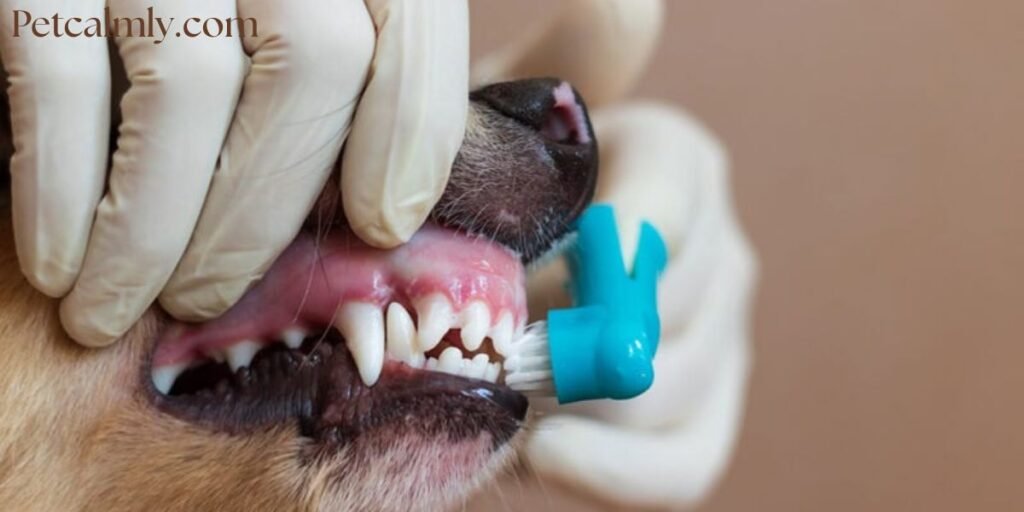
This is the gold standard for home care. Use enzymatic toothpaste it breaks down plaque with enzymes, no rinsing needed.
Get a soft-bristled dog toothbrush or finger brush for ease. Flavors like poultry make it appealing.
Start slow: Let your dog lick toothpaste off your finger first. Gradually lift lips and brush in circles for 30 seconds per side.
2: Using Dental Chews and Treats
Chews scrape teeth as your dog gnaws. Look for ones with anti-tartar ingredients like chlorophyll for breath.
Give one daily, sized for your dog’s breed too small risks choking. Examples: Greenies or Pedigree Dentastix work well for many owners.
Supervise to prevent gulping. In practice, my neighbor’s Golden Retriever loves chews after meals, keeping teeth cleaner between brushes.
3: Water Additives and Rinses
Add these to your dog’s water bowl they fight bacteria and reduce plaque without effort.
Pour the recommended amount daily. Brands like Oravet or TropiClean are popular and safe.
They’re great for dogs who hate brushing. One owner shared how it helped her senior dog’s breath without stress.
4: Dental Toys and Chew Items
Toys with ridges massage gums and remove debris. Rubber ones like Kong are durable.
Fill with toothpaste for extra cleaning. Avoid hard items like antlers they can crack teeth.
Rotate toys to keep interest. For example, a textured rope toy helped a client’s puppy during teething.
5: Dental Wipes and Sprays
Wipes are pre-moistened pads for quick rubs on teeth. Sprays target hard-to-reach spots.
Use wipes weekly if brushing isn’t daily. Arm & Hammer wipes are affordable and effective.
Sprays like Petrodex freshen breath fast. Ideal for travel or busy days.
6: Natural Remedies for Dog Dental Care
Coconut oil has antibacterial properties rub a small amount on gums weekly.
Add chopped parsley to food; it neutralizes odors. Grapefruit seed extract in water fights bacteria.
Raw bones (supervised) provide natural abrasion, but cook them to avoid splinters. Always check with your vet first.
These aren’t replacements but supplements. A real-life tip: Mixing parsley in kibble helped one dog’s mild plaque.
When Should You Be Concerned?
Don’t ignore ongoing bad breath it’s not normal. Swollen face or pus from gums signals infection.
If your dog yelps when eating or avoids hard food, pain is likely. Loose teeth or blood on toys mean urgent care.
Puppies with delayed teething or seniors with rapid decline need checks. In the USA, vets recommend annual exams; concerns warrant immediate visits to prevent complications.
What Should Pet Owners Do ?
Start a routine early puppies adapt faster. Brush 2-3 times weekly minimum, aiming for daily.
Introduce tools gradually: Reward with treats and praise to build positive associations.
Track progress: Note breath improvements or less plaque. Adjust based on your dog’s response.
Stock supplies: Keep toothpaste, chews, and additives on hand. Budget $20-50 monthly for basics.
Involve family: Teach kids safe handling. For multi-dog homes, separate sessions to avoid jealousy.
If your dog resists, try alternatives first. Persistence pays off many owners see results in weeks.
Consult your vet yearly for pro cleanings if needed. They can demo techniques during visits.
More Information About Pets, Please Visit Our Website: How to Brush Dog Teeth When They Refuse
Conclusion
Cleaning your dog’s teeth at home without a dentist is straightforward with consistent brushing, chews, and additives. It prevents pain and costly issues, letting your pet enjoy a longer, healthier life. Prioritize their comfort and watch for signs your caring efforts make all the difference. For personalized tips, chat with your local vet.
Frequently Asked Questions
1: Can I use baking soda to clean my dog’s teeth?
No, baking soda is abrasive and can upset your dog’s stomach if swallowed. Stick to enzymatic dog toothpaste for safe, effective cleaning. It breaks down plaque without harsh scrubbing.
2: How do I know if my dog’s teeth need professional cleaning?
Look for heavy tartar, persistent bad breath, or gum recession. Vets assess during checkups if home care isn’t enough, they may recommend anesthesia for deep cleaning.
3: Are rawhide chews good for dog’s dental health?
Rawhides can help scrape teeth but pose choking and digestion risks. Opt for digestible alternatives like bully sticks, and always supervise to ensure safety.
4: What foods naturally clean dog’s teeth?
Crunchy carrots or apples act as natural scrubbers. Kibble over wet food promotes chewing. Avoid sugary treats that worsen plaque.
5: How to clean a puppy’s teeth at home?
Start with finger rubbing and tasty toothpaste to build habits. Use soft toys and small chews. Puppies teethe around 3-6 months, so gentle care prevents issues.
6: Is apple cider vinegar safe for dog’s oral care?
Diluted apple cider vinegar in water can freshen breath mildly, but don’t overuse it may erode enamel. Consult your vet before trying, as it’s not a primary cleaner.