Short direct answer
To keep your dog’s skin healthy, focus on a balanced diet rich in proteins and essential fatty acids (like omega-3 and omega-6), regular gentle grooming to distribute natural oils, proper bathing with moisturizing shampoos only when needed, year-round parasite prevention, and plenty of fresh water for hydration. These steps strengthen the skin barrier, reduce dryness or irritation, and promote a shiny coat. Always consult your vet for personalized advice, especially if issues arise.
Why Dog Skin Health Matters So Much
Your dog’s skin is their largest organ it’s a protective barrier against infections, allergens, and the environment. When it’s healthy, it stays supple, clear, and free from issues like flaking or redness. A dull coat or itchy skin often signals something deeper, like poor nutrition or hidden allergies. Many pet parents notice problems only after excessive scratching starts, but preventing them early saves discomfort and vet visits. Think of it like human skincare: consistent care from the inside out makes all the difference.
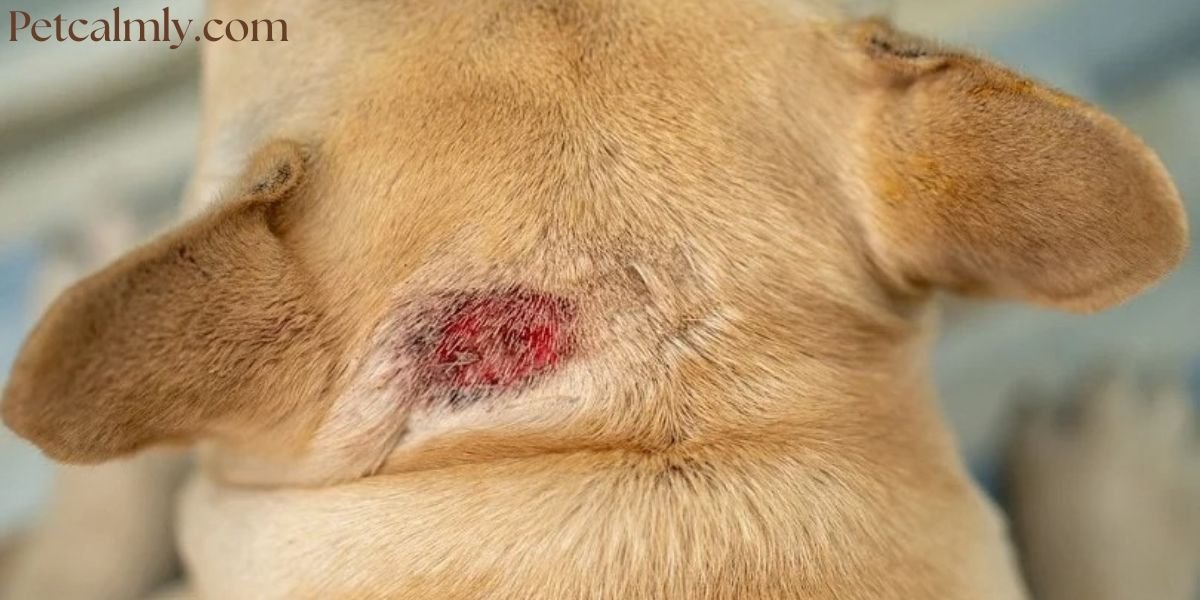
Healthy dog skin feels soft and elastic, with no cracks or excessive oil. The coat looks shiny and smooth, without bald spots, dandruff, or greasiness. Unhealthy signs include dryness, redness, bumps, odor, hair loss, or constant licking/scratching. Spotting these early lets you act before minor issues turn serious.
Common Causes of Dog Skin Problems
Dog skin troubles rarely happen randomly. Here are the top culprits:
Allergies top the list. Environmental triggers like pollen, dust mites, or grass cause itching and red patches. Food allergies (to proteins like chicken or grains) lead to similar symptoms, often with ear infections. Flea allergy dermatitis makes even one bite unbearable for sensitive dogs.
Parasites are another frequent offender. Fleas, ticks, and mites irritate skin, causing hot spots or mange. Fleas spread fast, and their bites trigger intense reactions in allergic pups.
Infections often follow other issues. Bacterial (pyoderma) creates pustules or scabs when skin barriers weaken. Yeast overgrowth (Malassezia) thrives in moist areas like paws or ears, leading to greasy, smelly skin.
Environmental factors play a role too. Dry winter air strips moisture, while harsh shampoos or over-bathing dry out skin. Poor nutrition lacking essential fats weakens the skin barrier over time.
Underlying health issues, such as thyroid problems or hormonal imbalances, sometimes show first on the skin with dull coats or hair loss.
Understanding the cause helps target prevention effectively.
Signs Your Dog’s Skin Needs Attention
Watch for these red flags during daily checks:
- Excessive scratching, licking, or chewing paws/ears
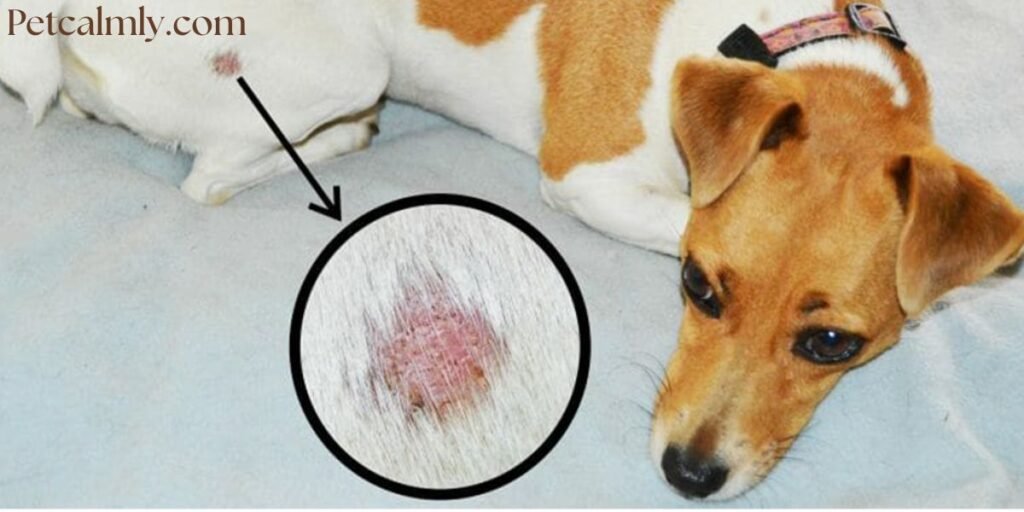
- Red, inflamed patches or hot spots
- Dry, flaky skin or dandruff-like flakes
- Greasy fur with a bad odor
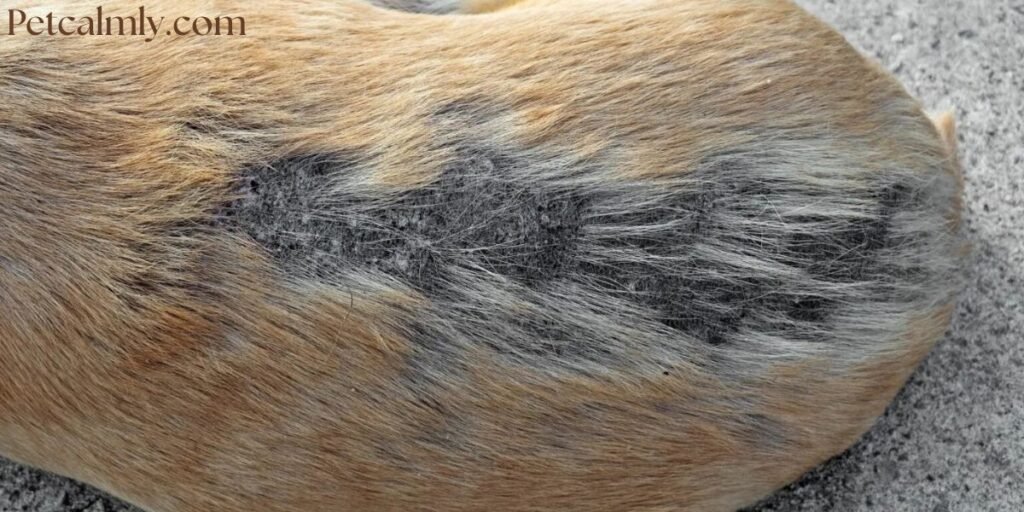
- Hair loss in patches or thinning coat
- Bumps, scabs, or sores that won’t heal
- Dull, brittle coat lacking shine
A quick example: Imagine your Labrador suddenly obsesses over his paws after walks. Red, swollen pads and constant licking point to environmental allergies or grass irritation. Catching it early means simple changes like wiping paws after outings prevent worse issues.
Regular belly rubs or playtime are perfect for spotting changes. Healthy skin bounces back when gently pinched unhealthy skin stays tented or feels rough.
When Should You Be Concerned?
Contact your vet right away if you see:
- Persistent itching that disrupts sleep or daily life
- Open sores, oozing, or spreading redness (infection risk)
- Sudden hair loss with scaly skin
- Foul-smelling skin or recurrent ear issues
- Lethargy, weight changes, or other systemic signs alongside skin problems
These could indicate serious conditions like autoimmune issues, severe allergies, or infections needing antibiotics/antifungals. Don’t wait for “it might clear up” early vet checks often resolve problems with simple treatments. Better safe than dealing with chronic discomfort.
What Pet Owners Should Do: Practical Steps for Healthy Dog Skin
Start with these actionable habits for lasting results.
Feed a nutrient-rich diet — Up to 35% of a dog’s protein goes toward skin and coat maintenance. Choose high-quality food with animal-based proteins, balanced omega-3 (from fish oil) and omega-6 fatty acids. These reduce inflammation, hydrate skin, and add shine. If allergies suspect, discuss elimination diets or hypoallergenic options with your vet. Add hydration—always provide fresh water to prevent dry skin from inside.
Groom regularly — Brush several times weekly (daily for long coats). This spreads natural oils, removes dead hair, and stimulates circulation. Pick the right tool: bristle brushes for short coats, undercoat rakes for double-coated breeds. Brushing catches issues early and prevents mats that trap dirt.
Bathe smartly — Over-bathing strips oils, so limit to every 4-8 weeks or when dirty. Use mild, moisturizing dog shampoos with vitamins E/B or oatmeal for soothing. For dry skin, try coconut oil topically (warm a bit in hands, apply sparingly). Avoid human products—they’re too harsh.
Prevent parasites — Use vet-recommended flea/tick preventives year-round. One flea can cause misery in allergic dogs. Check skin after outdoor time.
Support with extras — Consider omega supplements if diet lacks them (vet-approved). Exercise promotes oil production naturally. In dry seasons, use a humidifier indoors.
Mini scenario: Sarah’s Golden Retriever had flaky skin every winter. Switching to fish-oil-rich food, brushing more, and bathing less fixed it in weeks no meds needed.
Consistency beats intensity. These steps build resilience against common problems.
More Information About Pets, Please Visit Our Website: Senior Dog Anxiety at Night
Conclusion
Maintaining healthy dog skin comes down to balanced nutrition, smart grooming, parasite control, and watchful eyes. A shiny coat and itch-free skin mean your pup feels great inside and out. Start small check diet, add brushing routines, and monitor changes. Most issues stay minor with proactive care. Your dog relies on you for comfort, so these habits strengthen your bond while preventing bigger worries. If anything seems off, your vet is the best partner. Here’s to many happy, tail-wagging days ahead!
Frequently Asked Questions
What is the best food for dog skin health?
High-quality diets with omega-3/6 fatty acids, like those including fish or flaxseed, support skin hydration and reduce inflammation. Look for complete, balanced formulas your vet can suggest options based on breed and age.
How often should I bathe my dog to keep skin healthy?
Every 4-8 weeks is ideal for most dogs. Too frequent bathing dries skin; use moisturizing shampoos when you do. Active or dirty pups may need more, but always follow with good drying.
Can supplements help with my dog’s dry skin?
Yes, omega fatty acid or vitamin E supplements often improve coat shine and moisture. Always check with your vet first to avoid over-supplementing or interactions.
Why does my dog keep scratching even with no fleas?
Allergies (food, environmental, or contact) are common culprits. Other causes include yeast infections or dry air. A vet exam pinpoints the trigger for targeted relief.
Does brushing really make a difference for dog skin?
Absolutely it distributes oils, removes debris, and improves circulation. Regular brushing prevents dryness and lets you spot problems early.
What home remedies are safe for dog skin issues?
Coconut oil or oatmeal baths soothe mild dryness. Avoid unguided remedies for serious issues consult your vet to ensure safety and effectiveness.