Short direct answer
To restrict your cat’s activity after surgery, confine them to a small, quiet room or a spacious crate for 10-14 days. Remove access to high places like counters, beds, and cat trees by closing doors or using baby gates. Fit an e-collar to stop licking, supervise all movement, and avoid play that involves jumping or running to prevent reopening the incision.
Restricting your cat’s activity post-surgery is crucial for pet owners in the USA, where millions of cats undergo procedures like spaying or neutering each year. It helps prevent painful complications, speeds up healing, and keeps your furry friend safe during a vulnerable time. As a caring pet parent, following these steps shows your commitment to their well-being.
Why Restrict Cat Activity After Surgery?
Cats are natural athletes, but after surgery, their instincts to jump and play can cause harm. Restriction prevents strain on stitches, reduces swelling, and lowers infection risk.
For example, a simple spay can tear open if your cat leaps onto a windowsill too soon. This leads to emergency vet visits, which cost hundreds of dollars and cause unnecessary stress.
Common surgeries like dental work, tumor removal, or orthopedic fixes all require limited movement. Always follow your vet’s specific timeline, usually 7-14 days.
Common Behaviors and Concerns During Recovery
Post-surgery, cats may seem sleepy or wobbly from anesthesia for the first 24 hours. This is normal, but watch for excessive hiding or aggression, which could signal pain.
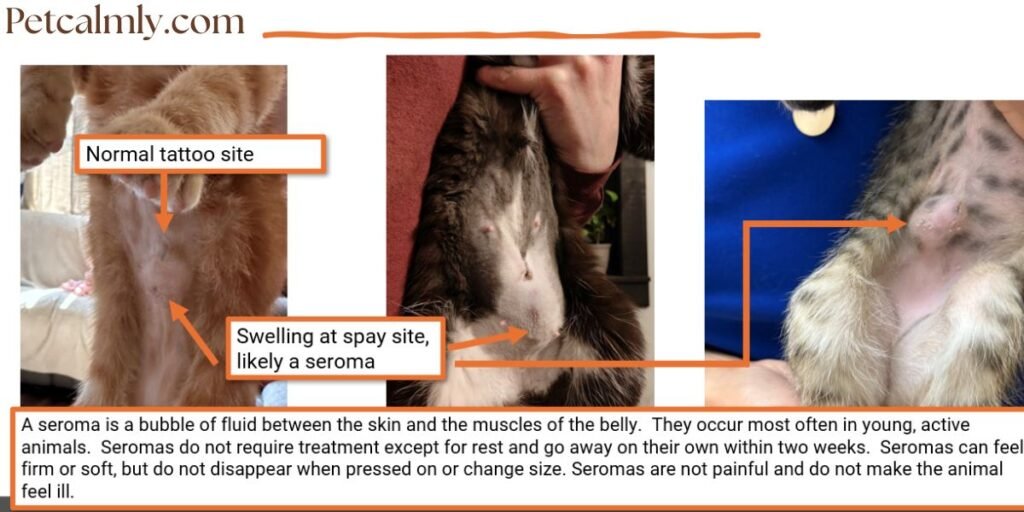
Overactive behaviors include trying to scratch at the incision or darting around. These stem from boredom or discomfort, not defiance. Address them quickly to avoid issues like seromas fluid pockets under the skin from too much motion.
Real-life concern: If your indoor cat usually climbs shelves, they might attempt it post-op, risking falls. Outdoor cats face even more dangers if let outside too early.
Setting Up a Safe Recovery Space
Create a cozy, low-stimulation area like a bathroom or spare room. Include a litter box, food, water, and a soft bed all within easy reach.
Use a large dog crate for stubborn cats. Cover it partially for privacy, and add familiar blankets for comfort. This setup limits jumping while allowing gentle movement
Stock puzzle toys or treat dispensers for mental engagement without physical strain. Keep the space quiet, away from kids or other pets.
Preventing Jumping and Climbing
Remove temptations: Lay cat trees on their side, cover scratching posts, and block access to counters with foil or double-sided tape.
Use baby gates to seal off rooms with high furniture. If your cat loves the bed, move the mattress to the floor temporarily.
Supervise free time closely. Gently redirect if they try to jump, and reward calm behavior with pets or treats.
Using Protective Gear Like E-Collars
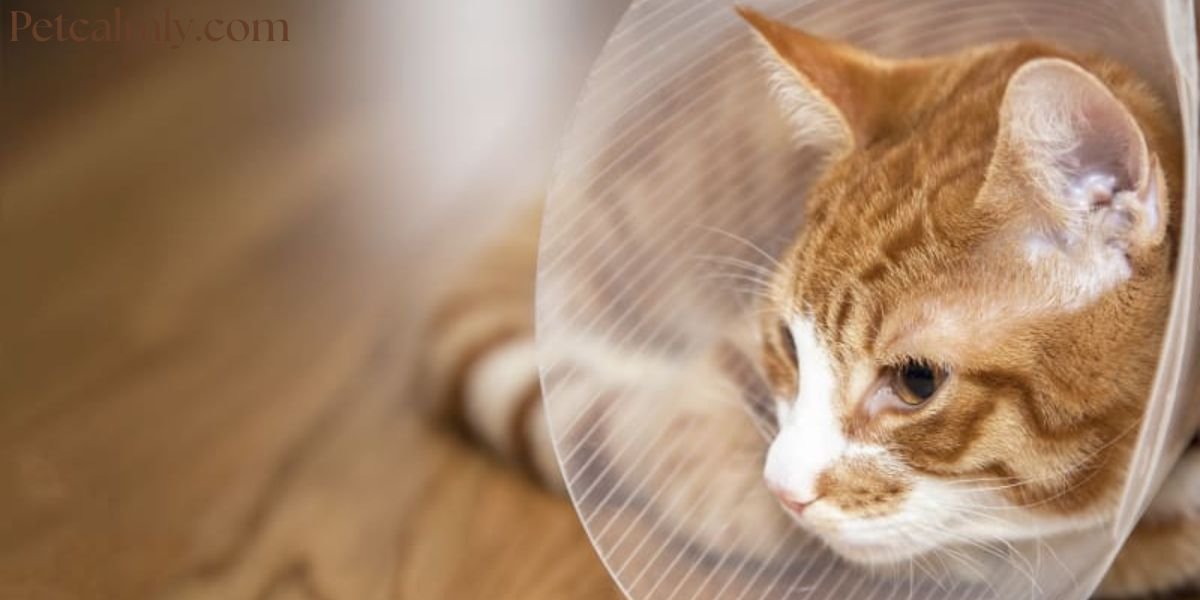
An Elizabethan collar (e-collar or cone) is essential to stop licking, which can introduce bacteria and dissolve stitches.
Choose a soft, comfortable version to ease your cat’s adjustment. Alternatives like recovery suits cover the incision without restricting vision.
Fit it snugly but not tight check daily for irritation. Most cats adapt in a day or two.

Monitoring Your Cat’s Recovery Progress
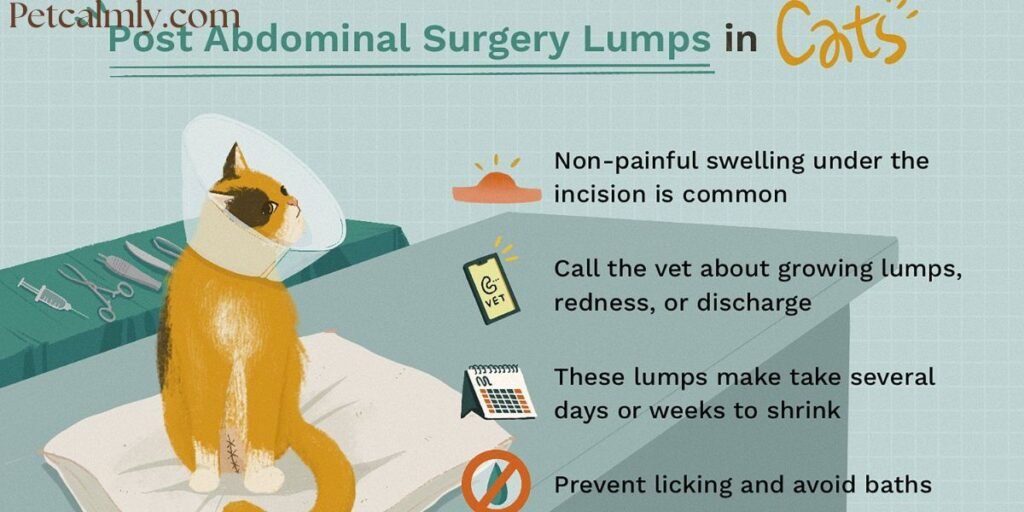
Check the incision twice daily for mild redness or bruising, which fades in days. Normal healing shows a dry, closed wound.
Track eating, drinking, and litter use. A slight appetite dip is okay initially, but persistent refusal needs vet attention.
Note energy levels: Gradual increase is good; sudden bursts suggest they’re ready for more space, but ease in slowly.
When Should You Be Concerned ?
Contact your vet right away if you see excessive swelling, pus, foul odors, or the incision opening these signal infection.
Other red flags: Pale gums, vomiting, lethargy beyond 48 hours, or pain signs like growling when touched. Don’t wait early intervention prevents serious issues.
Fever (over 103°F) or refusal to eat for more than a day also warrants a call. Trust your instincts as a pet owner.
What Should Pet Owners Do ?
Follow vet meds exactly pain relievers and antibiotics are key. Administer on schedule, even if your cat seems fine.
Provide a low-sided litter box to ease access. Use paper litter to avoid dust irritating the wound.
Gradually reintroduce activity after 10 days: Short play sessions first, then full freedom. Always supervise.
Keep follow-up appointments for stitch removal. Document changes with photos for your vet.
Offer extra affection: Gentle grooming or lap time builds trust and reduces stress.
More Information About Pets, Please Visit Our Website: How to Help Your Cat Adjust to a New Home: (Stress Free Guide 2026)
Conclusion
Restricting your cat’s activity after surgery ensures a smooth recovery and stronger bond. By setting up a safe space, preventing jumps, and watching for concerns, you’ll help them heal without setbacks. Remember, patience pays off your cat will be back to their playful self soon. If in doubt, call your vet; their health is worth it.
Frequently Asked Questions
1: How long does a cat need to rest after spay surgery?
Most cats require 10-14 days of restricted activity after spaying. This prevents internal strain. Start with confinement, then slowly allow more movement under supervision.
2: Can my cat climb stairs after surgery?
Avoid stairs for the first week to prevent pulling on incisions. Carry them if needed, or block access. By day 10, short stair use is usually okay if healing well.
3: What if my cat removes their e-collar?
Refit it securely and monitor closely. Use a recovery suit as backup. If they keep removing it, consult your vet for alternatives to avoid self-injury.
4: Is it normal for my cat to sleep a lot after surgery?
Yes, extra sleep is common due to anesthesia and pain meds. It should lessen in 2-3 days. If paired with no eating or weakness, see your vet promptly.
5: How do I keep my cat entertained during recovery?
Use low-energy toys like puzzle feeders or laser pointers without chasing. Spend time petting or talking to them. This keeps their mind active without physical risk.
6: When can my cat go outside after surgery?
Wait at least 14 days, or until your vet clears them. Outdoor risks like fights or dirt can cause infections. Keep them indoors longer if they’re energetic types.