The most effective way to stop your dog from jumping on guests uses positive reinforcement and management: teach a strong alternative like “sit” or “four paws on the floor,” completely ignore all jumping (no eye contact, words, or touch), and reward calm behavior instantly with treats and attention. Always manage arrivals with a leash, baby gate, or separate space to prevent the habit from repeating. Practice daily in short sessions, tire your dog with exercise beforehand, and stay consistent most dogs show clear progress in 2–4 weeks, with full reliability often in 1–3 months depending on age, breed, and consistency.
Why This Common Issue Frustrates So Many Dog Owners
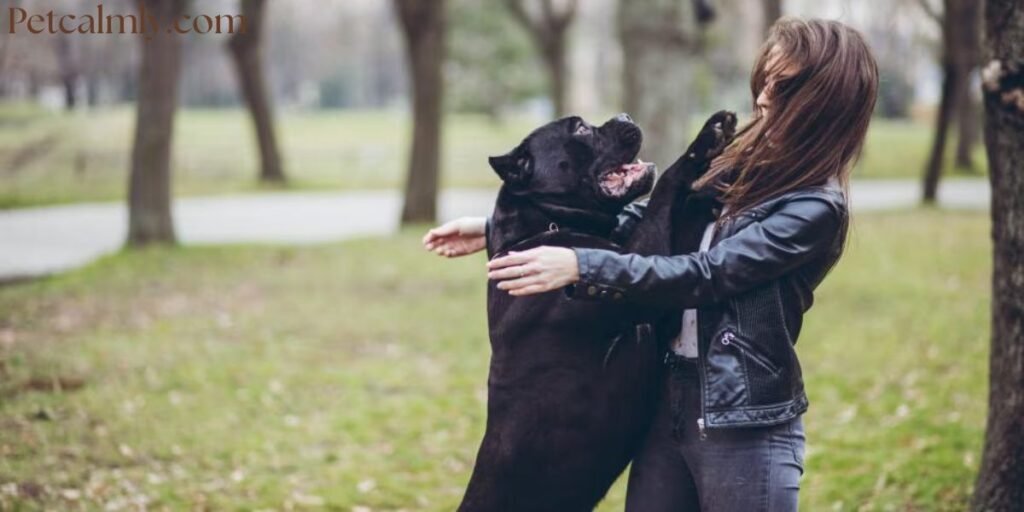
Picture this: You open the door to friends, and your excited dog launches like a furry rocket, paws on shoulders, tail whipping. Everyone laughs awkwardly at first, but soon it’s embarrassing, risky, or just plain annoying. Many owners feel guilty, wondering if their pup is “bad” or untrained.
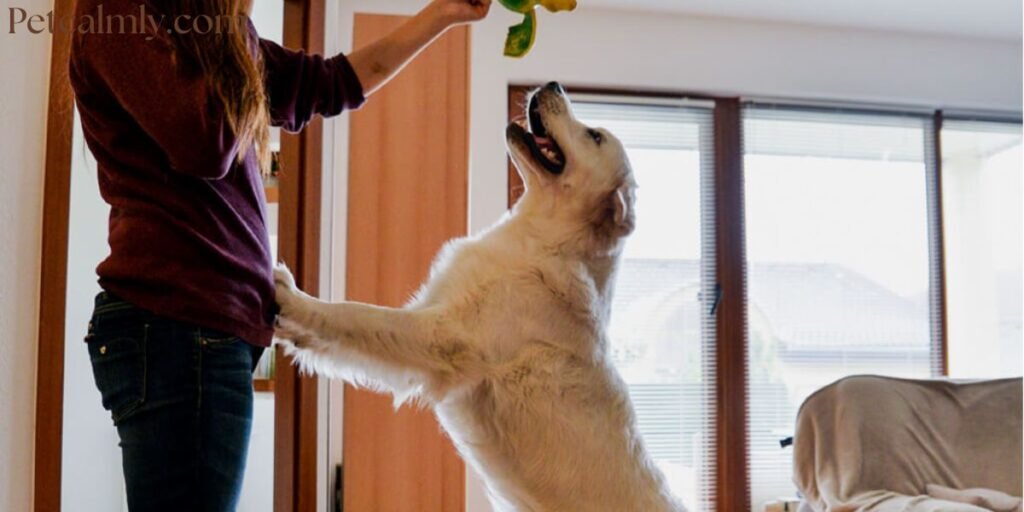
Jumping isn’t rudeness or dominance it’s a natural greeting rooted in canine instincts. Dogs lick faces to say hello in packs, so leaping brings them eye-to-eye with us taller humans. The real problem? It gets reinforced accidentally. A quick pet, eye contact, or even a shove feels rewarding to an overjoyed dog.
Left unchecked, this creates safety concerns tripping elderly visitors, scratching kids, or overwhelming strangers. It also stresses the dog, who misses out on calm, positive social time. Fixing it early builds confidence, better manners, and stronger trust between you and your companion.
Root Causes: What Really Drives Jumping Behavior
Understanding why helps you address it properly.
Excitement and arousal lead the pack. New smells, voices, and movement spike adrenaline. High-energy breeds like Labs, Border Collies, or young Goldens often jump hardest because they’re wired to engage enthusiastically.
Learned reinforcement keeps it going. If jumping ever earned attention even yelling or pushing it becomes a reliable way to get noticed. Puppies especially pick this up fast when owners coo and pick them up excitedly.
Attention-seeking fills gaps. Bored or under-exercised dogs use jumping as entertainment or to demand interaction.
Social instincts play in too. Dogs greet face-to-face like they do with packmates. Jumping bridges the height difference.
Lack of impulse control shows in young dogs or those without training foundations. Without tools to channel energy, excitement spills upward.
Anxiety or over-arousal can mix in for rescues or poorly socialized pups, turning greetings into frantic displays.
Spotting the trigger helps tailor your approach excitement needs calm-down tools, while attention-seekers need more enrichment.
Early Warning Signs: Catch Jumping Before It Happens
Prevention beats reaction. Watch these cues so you can redirect early:
- Tail wagging furiously, whole rear end moving
- High-pitched whining or excited yips
- Pacing, spinning, or quick approaches
- Forward-leaning body, ears perked
- Dilated pupils and rapid breathing
Real-life example: Your sister visits weekly. As her car pulls up, your Shepherd mix starts circling the entryway, ears alert. He whines once then boom, paws up as the door opens. That’s predictable excitement.
Another case: A small terrier mix jumps only on children because their eye level matches his face—turning greetings into playful (but scratchy) chaos.
Catching these precursors lets you cue “sit” or toss treats down before paws lift.
When Jumping Signals Something Deeper – Time to Worry
Most cases are pure enthusiasm, but monitor for escalation.
Concern arises if jumping includes:
- Growling, stiff body, or lip curling (possible fear-aggression)
- Hard staring or resource guarding during greetings
- Nipping or mouthing combined with leaps
Safety red flags:
- Large breeds (70+ lbs) risking falls for frail guests
- Frequent scratches on kids’ faces or arms
- Jumping on strangers aggressively in public
If training stalls despite consistency, check for:
- Insufficient exercise or mental stimulation
- Medical issues (thyroid problems, pain causing hyperactivity)
- Severe separation anxiety amplifying arrivals
See a vet first to rule out health, then a certified positive-reinforcement trainer or behaviorist for tough cases. Early intervention prevents bites or eroded trust.
Step-by-Step Action Plan: How to Train Polite Greetings
Positive methods work best focus on what TO do, not punishment.
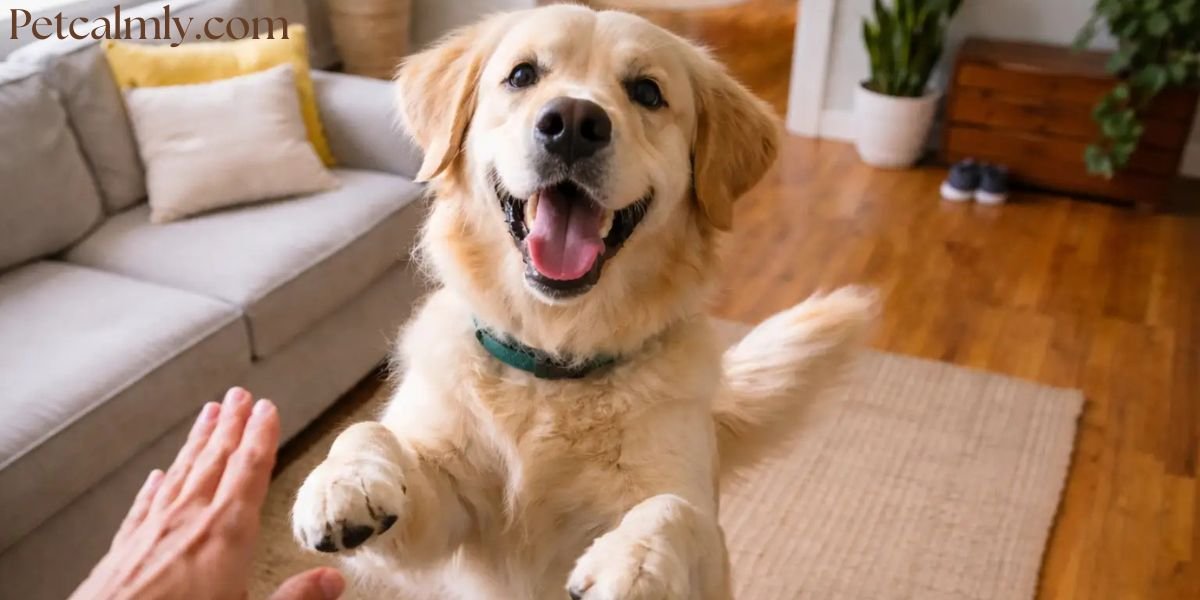
Prep phase: Build foundations Teach “sit” reliably in quiet rooms. Hold a treat at nose level, lure back until the rear drops. Say “yes!” (or click), reward. Practice 5–10 short sessions daily until 90% success.
Management first – Stop rehearsal Before any arrival:
- Clip a 4–6 ft leash (step on it for hands-free control).
- Use baby gates to block entry access.
- Crate or separate room for high-arousal dogs.
- Ask guests to text on arrival so you prepare.
This prevents practice of jumping, breaking the cycle.
Teach “four on the floor” Scatter treats on the ground as someone approaches. Reward sniffing and staying down. If paws rise, person turns 180 degrees away. Resume tossing treats only when all paws ground. Practice with family role-playing visitors.
Build “sit for greetings” Cue “sit” before any petting. No sit = person ignores or walks away. Reward heavily for duration start at 2 seconds, build to 10+. Use high-value rewards (chicken bits, cheese) for big distractions.
Leash pressure technique During greetings, stand on leash so jumping self-limits (gentle upward pressure without yanking). Reward instantly for sitting. Release pressure as reward.
Desensitize triggers Practice doorbell/knock sounds alone reward calm on a mat. Then role-play: family member leaves, returns, rings bell. Ask for sit, reward calm entry.
Add real guests gradually Start with calm friends who follow rules: ignore jumping, reward sit. Provide them treats to toss down. Increase energy level slowly excited visitors last.
Incorporate exercise & enrichment Tire your dog pre-arrival: 30–60 min walk, fetch, or puzzle toys. Use snuffle mats, lick mats, or scent games to burn mental energy. A fulfilled dog jumps less.
Instruct everyone Share a simple rule: “Ignore until sitting.” Demonstrate once. Consistency from all speeds results.
Track progress in a notebook note small wins like “held sit for 5 seconds today.” Adjust as needed.
Extra Techniques for Stubborn Cases
Place command for door greetings Teach “go to place” (mat/bed). Send dog there on doorbell. Reward staying until released. Guests greet only after calm.
Find it / scatter feeding Toss treats on floor saying “find it” as visitors enter. Redirects focus downward.
Hand targeting Teach nose to palm touch. Use as greeting alternative reward touch instead of jump.
Impulse control games Wait at doors for “okay,” or hold treats without releasing until calm. Builds self-control.
Mistakes That Slow Progress – And How to Fix Them
Inconsistency tops the list family allowing jumps “just once” resets training.
Punishment backfires: Kneeing, yelling, or paw-stepping often excites more or creates fear.
Poor timing: Rewarding after dog stands up confuses them.
Skipping management: Letting dog practice jumping reinforces it.
Rushing proofing: Jumping high-distraction guests too soon leads to failure.
Overlooking exercise: Pent-up energy makes calm impossible.
Fix by communicating rules clearly, using timers for sessions, and celebrating every step forward.
Advanced Tips for Long-Term Success
Vary rewards mix treats, play, praise to prevent treat dependence.
Proof in real life: Parks, walks, cafes where strangers approach.
For multi-dog homes: Train one at a time to avoid competition.
Puppies learn fastest start day one with no encouraged jumping.
Senior dogs benefit from gentler methods: lower treats, more praise.
If setbacks occur, drop back to easier steps never punish regression.
More Information About Pets, Please Visit Our Website: Why Is My Female Dog Shedding So Much
Conclusion
Stopping jumping means preventing rehearsal, teaching incompatible behaviors like sit or four on the floor, removing all rewards for jumping, and lavishing praise on calm choices. Combine management (leashes, gates), daily practice, exercise, and guest cooperation for fastest results.
Expect noticeable changes in 2–4 weeks with steady effort, full politeness in 1–3 months. Every dog varies young, eager pups often progress quickest, while energetic adults need more repetition.
Your patience creates a welcoming home where guests relax and your dog enjoys positive attention. If stuck, consult pros positive trainers transform even tough cases.
You’ve already taken the first step by reading this. Keep going; polite, happy greetings await!
Frequently Asked Questions
1: How long until my dog reliably stops jumping on guests?
Improvement often shows in 2–4 weeks of daily practice. Full reliability around visitors usually takes 1–3 months, faster with puppies and consistent effort from everyone.
2: Why does my dog jump more on some people than others?
High-energy or novel visitors trigger more excitement. Calm, familiar people get less. Teach all to require “sit” and reward only calm behavior uniformly.
3: Does ignoring jumping really work, or should I do more?
Ignoring removes the attention reward, but pairing it with teaching “sit” or scattering treats accelerates learning. Pure ignoring helps, but showing what to do works faster.
4: Can I use aversives like kneeing or shouting to stop jumping?
Avoid them they often increase arousal or cause fear. Positive reinforcement builds trust and lasting change without side effects.
5: What if my older dog has jumped for years can he still learn?
Yes older dogs respond well to consistent positive methods. Focus on management and high-value rewards; progress may take a bit longer but is very achievable.
6: My dog jumps even on leash any fixes?
Shorten leash or step on it for gentle self-correction. Reward sitting heavily. Start practice in low-excitement settings, build up gradually to real guests.