Grooming your dog isn’t just about making them look cute it’s an essential part of their overall health and well-being. Professional dog grooming techniques help prevent skin issues, reduce shedding, and keep your furry friend comfortable. Whether you’re a pet owner looking to master at-home canine grooming methods or aspiring to become an expert pet groomer, understanding these skills can make a world of difference. In this article, we’ll dive deep into step-by-step dog coat care, from basic brushing to advanced styling, ensuring you have all the tools and knowledge for effective Dog grooming essentia
Regular grooming sessions can detect early signs of health problems like lumps, parasites, or infections. Plus, it strengthens the bond between you and your dog, turning what could be a chore into quality time. According to experts, starting with a consistent routine is key to success in dog hair care. We’ll cover everything from preparing your pup to post-grooming tips, incorporating natural language processing keywords like canine hygiene practices and professional pet styling to help you search and learn more efficiently.
Essential Tools for Professional Dog Grooming
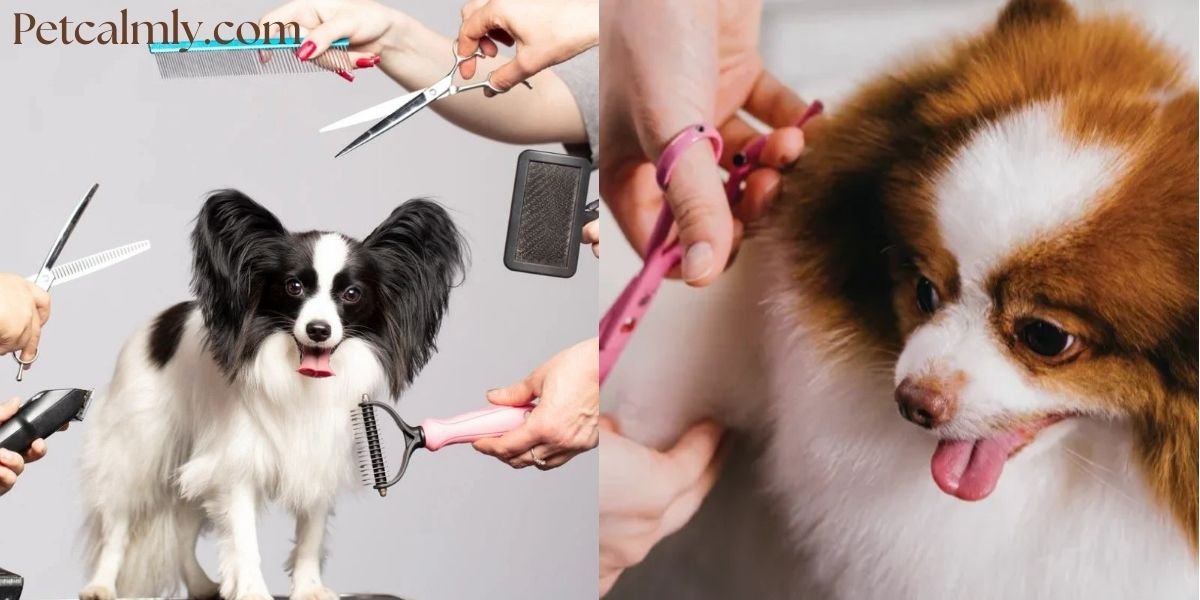
Before diving into techniques, gather the right equipment. Professional groomers rely on high-quality tools to achieve flawless results without causing stress or injury to the dog.
Start with brushes: A slicker brush is ideal for removing tangles in medium to long-haired breeds, while a bristle brush works best for short coats. Dematting combs help tackle stubborn knots, and rubber curry brushes are great for massaging the skin and distributing natural oils. Don’t forget combs for finishing touches, like a fine-tooth comb for flea detection.
Clippers and scissors are crucial for trimming. Cordless clippers with various blade sizes allow for precise cuts, especially for sanitary areas. Shears come in straight, curved, and thinning varieties for different styling needs. Nail clippers or grinders prevent overgrown nails, and styptic powder stops bleeding if you cut too close to the quick.
Other must-haves include ear cleaners, toothbrushes, dog-safe shampoo, conditioner, and high-velocity dryers for fluffing coats. Invest in a grooming table for stability and ergonomics it makes the process safer and easier on your back.
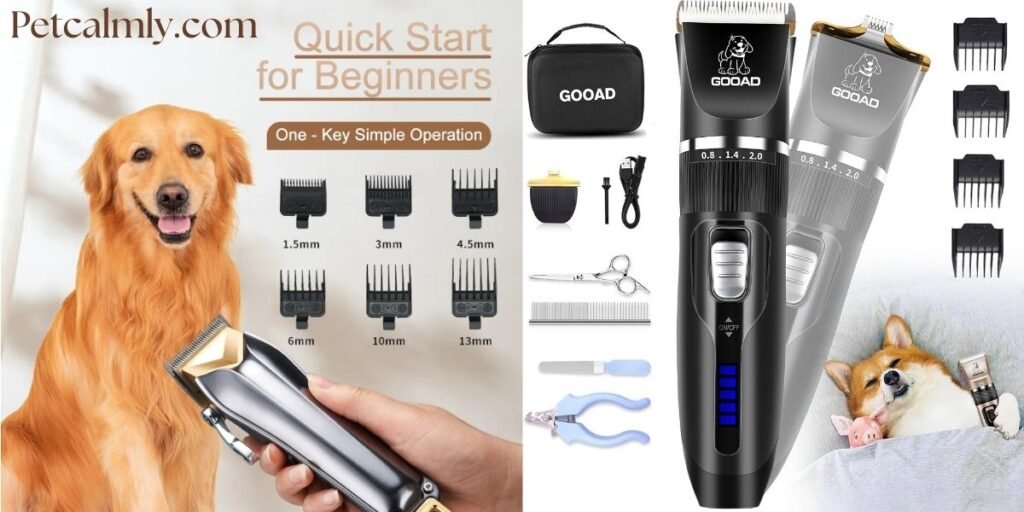
Gooad Dog Clippers Grooming Kit and Paw Trimmer …
Having these pet grooming tools on hand ensures you’re prepared for any breed, from fluffy Pomeranians to sleek Labradors.
Preparing Your Dog for Grooming
Preparation sets the tone for a successful session. Begin by acclimating your dog to handling from a young age. Touch their paws, ears, and mouth regularly to build trust. Use positive reinforcement like treats and praise to associate grooming with good experiences.
Choose a quiet, well-lit space free from distractions. Secure your dog on a non-slip surface or grooming table with a noose for safety, but never leave them unattended. Check for any skin issues, wounds, or parasites before starting address these with a vet if needed.
Exercise your dog beforehand to burn off energy, making them more relaxed. For nervous pups, introduce tools gradually: Let them sniff the brush or hear the clippers without using them. This canine desensitization technique reduces anxiety and makes future sessions smoother.
Finally, gather all supplies within reach to avoid interruptions. A calm, prepared dog leads to better results in professional pet styling.
Brushing and Detangling Techniques
Brushing is the foundation of dog coat care. It removes dirt, prevents mats, and promotes healthy skin by spreading natural oils. Frequency depends on the breed: Daily for long-haired dogs like Shih Tzus, weekly for short-haired ones like Beagles.
Use the line brushing method: Part the coat in sections and brush from skin to ends, working against the grain gently. Start at the back and move forward, paying attention to underarms, belly, and tail areas prone to tangles.
For detangling, apply a leave-in conditioner to mats. Use a dematting tool or fingers to separate knots carefully, avoiding pulling which can hurt. If mats are severe, clip them out rather than forcing a brush through.
Incorporate a slicker brush for finishing, followed by a comb to check for missed spots. Regular brushing not only keeps the coat shiny but also allows you to monitor for fleas or hot spots. This essential canine grooming method can transform a dull coat into a vibrant one.
Bathing Your Dog Like a Pro
Bathing removes buildup and keeps skin healthy, but overdoing it strips natural oils. Aim for every 4-6 weeks, or more for active dogs.
Brush thoroughly before bathing to remove loose hair and mats wet tangles are harder to fix. Use lukewarm water and a dog-specific shampoo; human products can irritate skin.
Wet the coat starting from the neck down, avoiding the head. Apply shampoo in sections, massaging deeply for 3-5 minutes. Rinse twice until water runs clear no residue! Follow with conditioner for detangling and shine.
For double-coated breeds like Huskies, focus on thorough rinsing to prevent soap buildup. Dry with a towel first, then a high-velocity dryer on low heat, brushing as you go for fluffiness.

Benefits of Professional Dog Grooming | Falls Road Animal Hospital …
Professional bathing techniques ensure your dog emerges clean, fresh, and mat-free.
Drying Methods for a Fluffy Finish
Proper drying is crucial for a professional look. Air drying can lead to mats, so use tools for best results.
Towel dry gently by squeezing, not rubbing, to avoid breakage. Then, employ a high-velocity dryer it blows water off without excessive heat. Start on low speed, holding it 6-12 inches away, and brush simultaneously for straightness.
For curly coats like Poodles, use a stand dryer while fluffing with a slicker brush. Ensure the coat is completely dry damp hair sticks together and looks unkempt.
In humid climates, add a dehumidifier to speed up the process. Drying not only enhances appearance but prevents skin infections from moisture.
Nail Trimming and Paw Care
Overgrown nails cause discomfort and affect gait. Trim every 3-4 weeks, or when they click on floors.
Hold the paw firmly but gently. Use clippers for quick cuts or a grinder for smoothing. Cut at a 45-degree angle, avoiding the quick the pink vein in light nails. For dark nails, trim small slivers until you see a gray oval.
If you nick the quick, apply styptic powder immediately. Follow with paw pad trimming: Clip hair between pads to prevent matting and slipping.
Moisturize pads with balm to prevent cracking. Regular paw care is a vital part of canine hygiene practices.
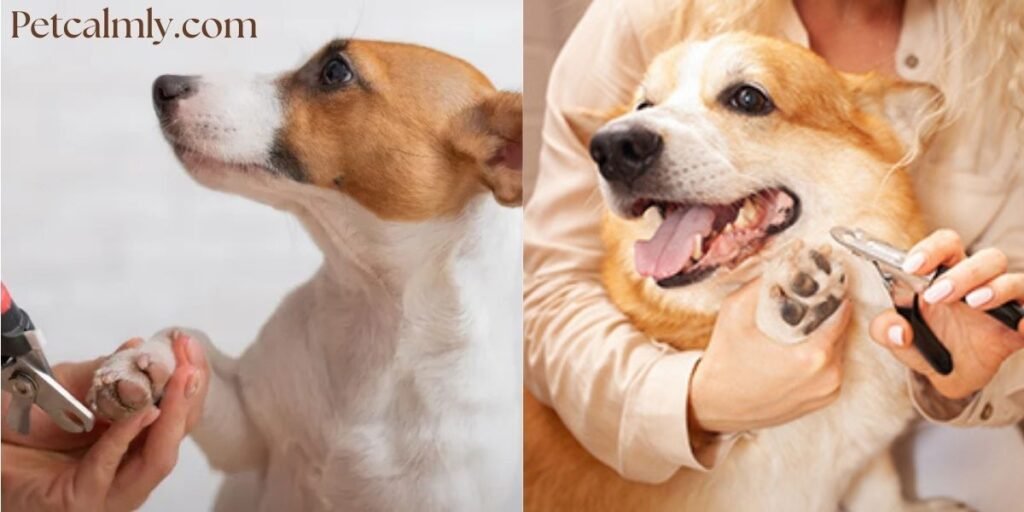
How to Make Trimming Your Dog’s Nails Easy and Safe
Ear Cleaning Techniques
Ears accumulate wax and debris, leading to infections if ignored. Clean weekly for floppy-eared breeds like Cocker Spaniels.
Lift the flap and inspect for redness or odor. Squirt dog ear cleaner inside, massage the base for 30 seconds, then let your dog shake. Wipe excess with cotton balls never use Q-tips deep in the canal.
Pluck excess hair if needed, using powder for grip. This prevents moisture buildup. Clean ears promote overall pet health.

How to Clean Dogs Ears: Safe and Natural Solutions
Dental Care for Dogs
Poor oral hygiene leads to gum disease by age four in many dogs. Brush teeth 2-3 times weekly with dog toothpaste never human varieties.
Use a finger brush or soft toothbrush. Apply paste and gently scrub gums and teeth, focusing on the back molars. Provide dental chews for daily maintenance
Regular dental care prevents bad breath and costly vet visits, enhancing your dog’s quality of life.
Hair Cutting and Styling
For breeds needing trims, like Yorkies, master clipping techniques. Prep with bathing and drying first.
Use guides for even lengths: Start with a longer blade and shorten as needed. Clip with the grain for smoothness. For faces, use scissors carefully around eyes.
Styles vary: Puppy cuts for low maintenance, breed-specific like the Lion cut for Pomeranians. Symmetry is key check from all angles.
Sanitary trims keep genital and belly areas clean. Professional styling elevates your dog’s appearance.

Dogs Before And After Their Haircuts ,
Dealing with Mats and Special Cases
Mats form in neglected coats, causing pain. Prevent with daily brushing; remove by splitting with fingers or tools.
For seniors or anxious dogs, go slow with breaks. Breeds like Doodles need extra attention to curls.
In hot weather, consider shorter cuts; in cold, keep longer for warmth. Tailor techniques to your dog’s needs.
Safety Tips and Common Mistakes to Avoid
Safety first: Never force a dog; use muzzles if aggressive. Watch for signs of stress like panting.
Common mistakes include skipping prep work, using dull tools, or bathing too often. Always rinse thoroughly and dry completely.
If unsure, consult a pro. Regular practice builds confidence in these professional dog grooming techniques.
More Information About Pets, Please Visit Our Website: Petcalmly.com
Conclusion
Mastering professional dog grooming techniques saves money, improves health, and deepens your bond. From brushing to styling, these canine grooming methods ensure your pet thrives.
If challenges arise, seek a certified groomer. With patience and the right approach, you’ll achieve salon-quality results at home. Your dog will thank you with wags and cuddles.