If you’ve ever noticed your furry friend obsessively licking their paws as the evening winds down, you’re not alone. Many dog owners search for answers to the question, “Why does my dog lick his paws at night?” This behavior can range from harmless grooming to a sign of underlying issues like allergies, injuries, or anxiety. Paw licking in dogs is a common habit, but when it happens excessively at night, it might disrupt their sleep and yours. In this comprehensive guide, we’ll explore the reasons behind nighttime paw licking, how to identify if it’s a problem, and practical steps to address it. By understanding dog paw licking behavior, you can help your pet feel more comfortable and prevent potential health complications.
Paw licking is a natural instinct for dogs. They use their tongues to clean themselves, explore their environment, and even self-soothe. However, if your dog is licking paws constantly at night, it could indicate itchiness, pain, or stress that’s more noticeable when the house quiets down. Let’s dive into the details to ensure you get the information you need based on this specific concern.
Top 7 Common Reasons Why Dogs Lick Their Paws at Night
Dogs lick their paws for various reasons, but nighttime episodes often stand out because distractions are minimal, allowing minor irritations to become focal points. Here are the most frequent causes, backed by veterinary insights and pet care experts.
1 : Normal Grooming and Bedtime Relaxation
One of the simplest explanations for why your dog licks his paws at night is that it’s part of their daily grooming routine. Just like how cats meticulously clean themselves, dogs use licking to remove dirt, debris, or even sweat from their paws after a day of activity. At night, as they settle in for bed, this behavior can intensify as a way to unwind.
This self-soothing action might stem from puppyhood memories. Puppies are licked by their mothers for cleanliness and comfort, and adult dogs may replicate this to relax before sleep. If the licking is brief and doesn’t cause redness or hair loss, it’s likely normal. For instance, some dogs develop a “bedtime ritual” where paw licking helps them transition into rest mode, similar to how humans might read a book before bed. However, if it persists for long periods, it could evolve into a habit worth monitoring.
2 : Allergies and Environmental Irritants
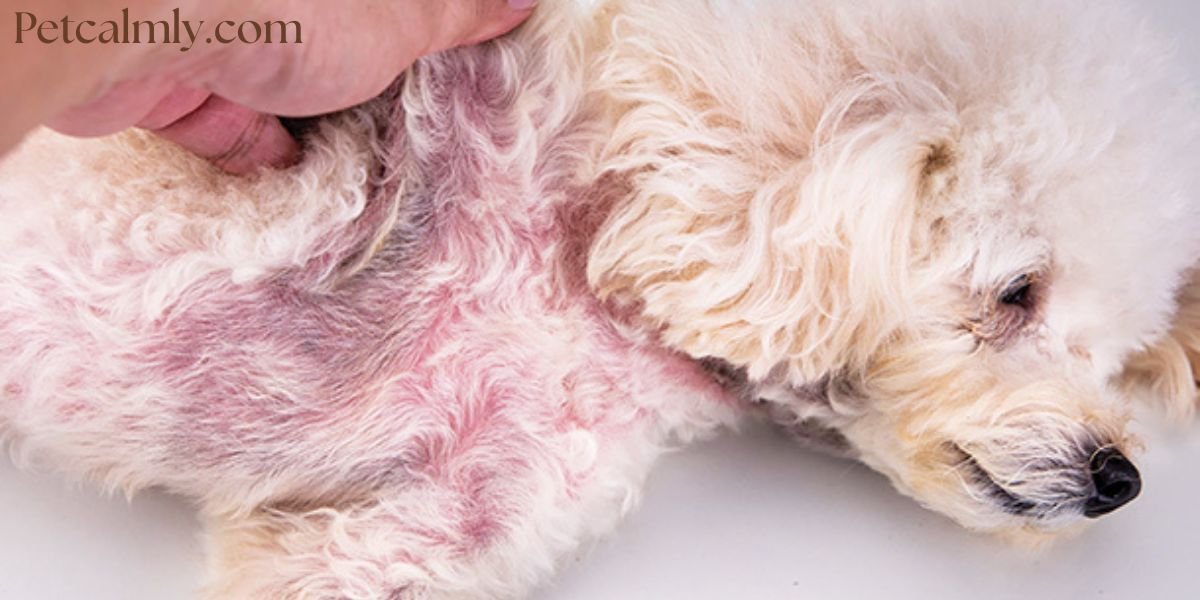
Allergies are a top culprit for excessive paw licking in dogs, especially at night when symptoms like itchiness peak without daytime distractions. Dogs can be allergic to pollen, grass, dust mites, mold, or even certain foods, leading to itchy paws that prompt constant licking for relief.
Environmental allergies, often seasonal, cause inflammation in the paw pads or between the toes. If your dog has been romping in the park or garden during the day, allergens like grass pollen might trigger a reaction that becomes unbearable at night. Food allergies, on the other hand, can manifest year-round, with proteins in commercial dog food being common triggers. Signs include red, swollen paws or secondary infections from prolonged moisture caused by saliva.
Contact dermatitis from household cleaners, fertilizers, or road salt can also irritate paws, making nighttime licking more pronounced. If you notice your dog licking paws after walks, wipe them down with a pet-safe cloth to remove irritants.

3 : Injuries, Pain, or Joint Issues
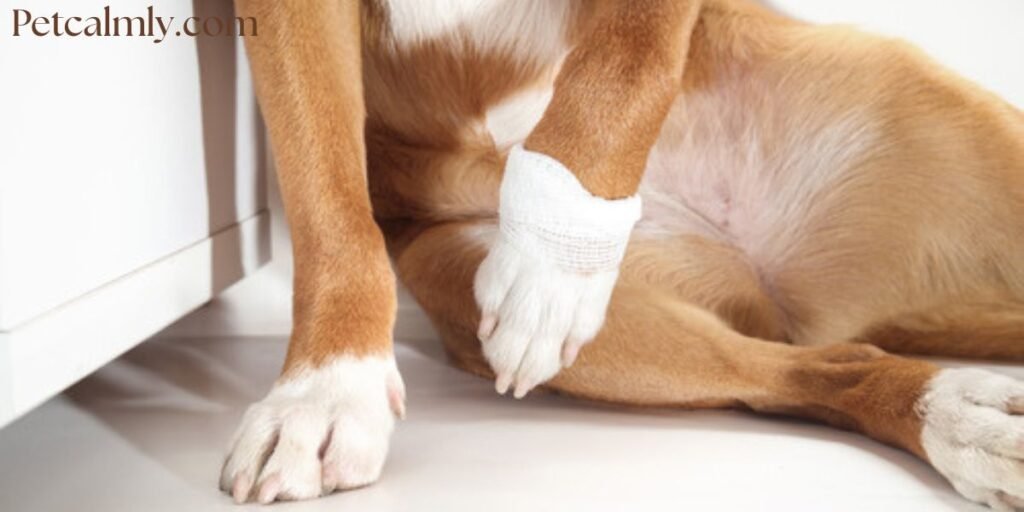
Pain or discomfort from an injury is another reason dogs lick their paws excessively. A small cut, splinter, thorn, or even a bruised pad from rough terrain can lead to focused licking as your dog tries to soothe the area. At night, when activity levels drop, this pain might feel more intense, prompting the behavior.
Chronic conditions like arthritis or joint pain can also cause paw licking. Older dogs or breeds prone to hip dysplasia might lick their paws to alleviate discomfort in connected areas. If the licking is accompanied by limping, swelling, or reluctance to walk, it’s essential to check for injuries. Inspect your dog’s paws regularly for foreign objects or signs of trauma, especially after outdoor adventures.
4 : Parasites and Infestations
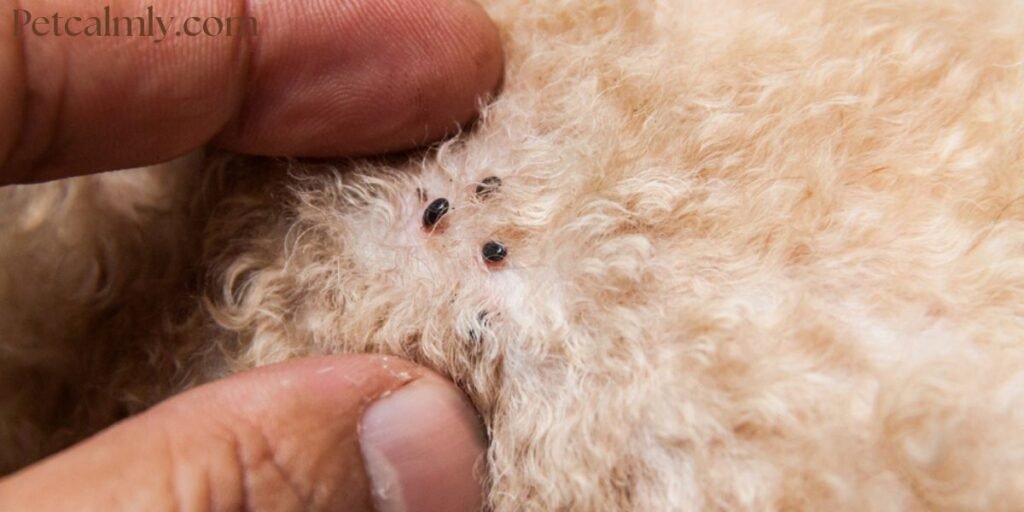
Parasites such as fleas, ticks, or mites can make your dog’s paws unbearably itchy, leading to nighttime licking marathons. Fleas often hide between toes or in paw fur, biting and causing irritation that worsens in quiet hours. Mange, caused by mites, can lead to scabby, inflamed skin that dogs lick compulsively.
Even if you don’t see visible parasites, their bites can trigger allergic reactions in sensitive dogs, amplifying the itch. Regular flea prevention is crucial, as these pests can infest your home and exacerbate the problem. If your dog shakes their head or scratches elsewhere, it might indicate a broader infestation.
5 : Skin Infections and Secondary Complications
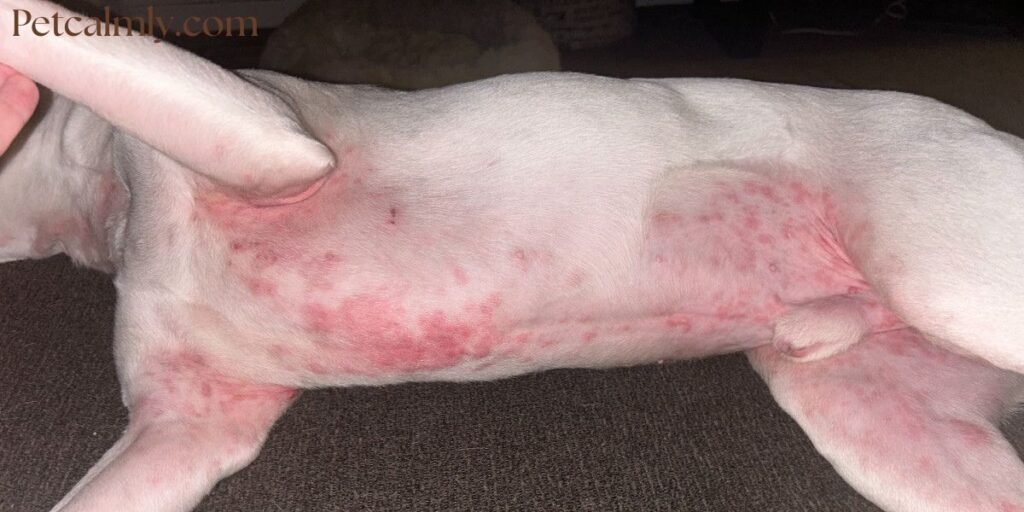
Constant licking can create a vicious cycle: saliva keeps the area moist, fostering bacterial or yeast infections. These infections cause redness, odor, and further itching, making your dog lick even more especially at night when they’re not distracted.
Yeast infections thrive in warm, damp environments, often resulting from allergies or injuries that weren’t addressed promptly. Bacterial infections might stem from small wounds that get contaminated. If left untreated, this can lead to hot spots or more severe dermatitis. Look for signs like hair loss, crusty skin, or a yeasty smell to differentiate this from simple grooming.
6 : Anxiety, Boredom, and Behavioral Factors
Behavioral issues play a significant role in why dogs lick paws at night. Anxiety, such as separation anxiety or stress from changes in routine, can manifest as obsessive licking. Dogs might use this as a coping mechanism, similar to how humans bite nails when nervous.
Boredom is another factor if your dog lacks mental stimulation during the day, they may resort to paw licking for entertainment, especially in the evening. Nighttime can amplify this if they’re left alone or in a quiet environment. Breeds with high energy, like Border Collies, are more prone to such habits if not exercised adequately.

7 : Other Health Concerns
Less common but serious issues include hormonal imbalances, like Cushing’s disease, which can cause skin changes leading to licking. Neurological problems or even tumors might prompt unusual behaviors. If paw licking is sudden and intense, rule out these with a vet visit.

When Should You Worry About Your Dog’s Paw Licking?
Not all paw licking is cause for alarm, but excessive behavior warrants attention. Watch for red flags like raw skin, bleeding, limping, or if the licking interrupts sleep. If it leads to hair loss, swelling, or a foul odor, it could indicate infection or allergy escalation.
Nighttime specificity might mean the issue is behavioral or that symptoms build up over the day. If licking persists despite distractions, or if your dog seems distressed, consult a vet. Early intervention prevents complications like lick granulomas thickened, scarred skin from chronic licking.
How to Stop Excessive Paw Licking at Night
Addressing paw licking requires identifying the root cause, but here are steps to manage and prevent it.
Home Remedies and Prevention Tips
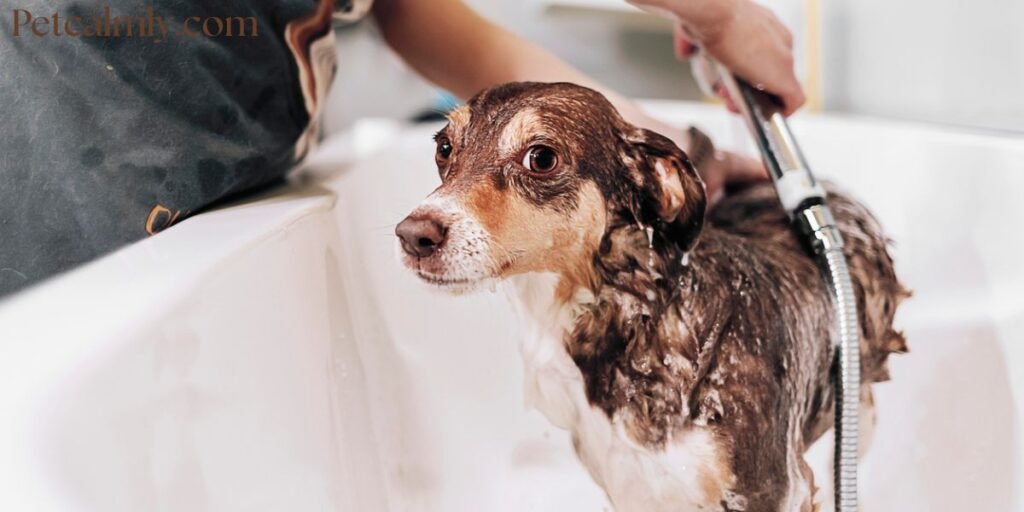
Start with basic hygiene: Clean your dog’s paws after walks using lukewarm water and a gentle, pet-safe shampoo. This removes allergens and irritants. For mild itchiness, apply a thin layer of coconut oil or aloe vera gel to soothe the skin but avoid if there’s an open wound.
To combat boredom or anxiety, increase daily exercise and mental stimulation. Puzzle toys, interactive games, or a bedtime routine with calming treats can redirect focus. Consider an Elizabethan collar (cone) temporarily to break the habit, but use it sparingly to avoid stress.
Diet plays a role too. Switch to hypoallergenic food if allergies are suspected, and incorporate omega-3 supplements for skin health. Flea preventatives like topical treatments or collars are essential in parasite-prone areas.
For nighttime relief, create a calming environment: Use white noise machines, pheromone diffusers, or a cozy bed to reduce anxiety triggers.
When to See a Veterinarian
If home remedies don’t help within a week, or if symptoms worsen, schedule a vet appointment. They might perform skin scrapes, allergy tests, or blood work to diagnose issues. Treatments could include antihistamines for allergies, antibiotics for infections, or behavioral therapy for anxiety.
In severe cases, prescription meds or specialized diets may be needed. Always follow professional advice to avoid masking symptoms.
Frequently Asked Questions
1. Is it normal for dogs to lick their paws at night?
Yes, occasional licking can be normal grooming or relaxation. However, if it’s excessive and causes skin damage, it might indicate allergies, injuries, or anxiety.
2. Why does my dog only lick his paws at night and not during the day?
Nighttime licking often occurs because distractions are low, making itchiness or boredom more apparent. It could also be a self-soothing ritual before sleep.
3. Can allergies cause my dog to lick paws excessively?
Absolutely. Environmental or food allergies lead to itchy paws, prompting licking for relief. Consult a vet for allergy testing if suspected.
4. How can I tell if my dog’s paw licking is due to pain?
Look for limping, swelling, or focused licking on one paw. Injuries like cuts or joint pain often cause this; inspect paws and seek vet care if needed.
5. What home remedies can stop my dog from licking paws at night?
Clean paws daily, use soothing balms, provide distractions like toys, and ensure regular exercise. Avoid over-the-counter meds without vet approval.
6. When should I take my dog to the vet for paw licking?
If licking causes redness, hair loss, odor, or persists despite interventions, see a vet promptly to rule out infections or serious conditions.
More Information About Pets, Please Visit Our Website: Petcalmly.com
Dog Pregnancy Symptoms Week 1: Early Signs
Conclusion
Understanding why your dog licks his paws at night is key to ensuring their well-being. From simple grooming habits to allergies, parasites, or anxiety, this behavior often signals a need for attention. By monitoring symptoms, implementing preventive measures, and seeking veterinary help when necessary, you can help your dog overcome excessive paw licking and enjoy peaceful nights. Remember, every dog is unique, so tailor solutions to your pet’s needs. With patience and care, you’ll address the root cause and keep your furry companion happy and healthy. If you’re dealing with this issue, start with a gentle paw check tonight it could make all the difference.