
If you’ve ever wondered, “why is my dog always hungry even after eating,” you’re not alone. Many pet owners notice their furry friends begging for more food shortly after mealtime, leading to concerns about their dog’s health and well-being. Constant hunger in dogs, also known as polyphagia, can stem from a variety of causes ranging from simple dietary issues to underlying medical conditions. This behavior might seem like your dog is just being greedy, but it often signals something more. In this comprehensive guide, we’ll explore the reasons behind your dog’s insatiable appetite, how to identify potential problems, and practical steps to manage it. Whether it’s a puppy, adult, or senior dog, understanding why dogs are always hungry can help you provide better care and prevent health complications.
Polyphagia in dogs isn’t always a cause for alarm some breeds like Labrador Retrievers are genetically predisposed to feeling hungry all the time. However, if your dog seems ravenous despite regular feedings, it’s essential to investigate. We’ll cover dietary factors, medical issues, behavioral aspects, and more, ensuring you get all the information needed based on your search for “why is my dog always hungry even after eating.” By the end, you’ll have actionable insights to keep your canine companion satisfied and healthy.

How To Stop Dog Begging For Food?
Understanding Polyphagia in Dogs: What It Means for Your Pet
Polyphagia is the medical term for an increased appetite in dogs, where they appear excessively hungry even after consuming their regular meals. This condition goes beyond normal food motivation; it’s when your dog acts like they haven’t eaten in days, scavenging for scraps or whining at the food bowl. While many dogs are naturally food-driven, true polyphagia can indicate that their body isn’t processing nutrients properly or that there’s an imbalance in their system.
Why does this happen? Dogs’ ancestors were wolves, who ate opportunistically to survive, so some residual instincts make modern dogs seem always ready to eat. However, in domesticated pets, constant hunger after eating could point to inefficiencies in their diet or health. For instance, if your dog’s food lacks essential nutrients, their body might crave more to compensate. Recognizing the signs early such as rapid eating, weight changes, or behavioral shifts can prevent escalation. Pet owners often search for “dog always hungry” because it affects daily life, from mealtime routines to potential obesity risks if overfed.
In puppies, growth spurts can cause temporary hunger spikes, but in adult dogs, it’s worth monitoring. Senior dogs might experience this due to metabolic slowdowns. Understanding polyphagia helps differentiate between harmless begging and serious issues, ensuring your dog’s quality of life remains high.
Common Dietary Causes of Constant Hunger in Dogs
One of the most straightforward explanations for why your dog is always hungry even after eating lies in their diet. Nutrition plays a pivotal role in satiety, and imbalances can leave your pet feeling unsatisfied.
Poor Quality or Unbalanced Dog Food
Low-quality commercial dog foods often contain fillers like corn or soy that provide calories but lack vital proteins, fats, and fibers. These fillers digest quickly, causing blood sugar spikes followed by crashes that trigger hunger signals. If your dog’s meal doesn’t offer sustained energy, they’ll soon feel empty again. Switching to high-quality, nutrient-dense food with real meat as the primary ingredient can make a difference. Look for AAFCO-approved labels to ensure balanced nutrition.
Additionally, homemade diets without proper formulation might miss key vitamins, leading to chronic deficiencies that manifest as constant craving. Consulting a vet nutritionist can help tailor a diet that satisfies without overfeeding.
Insufficient Portion Sizes or Calorie Intake
Even with good food, underfeeding can cause persistent hunger. Active dogs, working breeds, or those in cold climates burn more calories and may need larger portions. Use feeding guidelines on packaging as a starting point, but adjust based on your dog’s age, weight, and activity level. For example, a 50-pound active dog might require 1,000-1,500 calories daily, while a sedentary one needs less.
Over time, if portions are too small, your dog might lose weight while still eating ravenously a red flag for dietary inadequacy.
Irregular Feeding Schedules and Treat Overload
Feeding at inconsistent times can disrupt your dog’s internal clock, making them anticipate food erratically and feel hungrier. Multiple small meals might suit some dogs better than one or two large ones. Moreover, excessive treats often high in empty calories can unbalance the diet, leading to a cycle of hunger. Limit treats to 10% of daily calories to maintain satisfaction from main meals.
Medical Conditions That Can Cause Increased Appetite in Dogs
If dietary tweaks don’t help, medical issues might be why your dog is always hungry. These conditions often require veterinary intervention.
Diabetes Mellitus in Dogs
Diabetes is a common culprit for polyphagia, where the body can’t regulate blood sugar properly, leading to constant hunger despite eating. Symptoms include excessive thirst, urination, and weight loss. Uncontrolled diabetes makes cells starve for glucose, prompting more eating. Breeds like Schnauzers and Poodles are prone. Diagnosis involves blood tests, and management includes insulin and diet changes.
Cushing’s Disease (Hyperadrenocorticism)
This hormonal disorder causes overproduction of cortisol, increasing appetite, pot-bellied appearance, and hair loss. Older dogs are more affected. Treatment might involve medication or surgery, depending on the cause (pituitary or adrenal tumors).
Intestinal Parasites and Worms
Worms like hookworms or roundworms steal nutrients from your dog’s intestines, causing malnutrition and hunger. Puppies are especially vulnerable. Signs include diarrhea and a bloated belly. Regular deworming and fecal checks prevent this.
Thyroid Problems: Hyperthyroidism or Hypothyroidism
Though rare in dogs, thyroid imbalances can affect metabolism. Hyperthyroidism speeds it up, causing hunger; hypothyroidism might do the opposite but sometimes overlaps with other issues.
Side Effects from Medications
Steroids or other drugs can stimulate appetite as a side effect. If your dog started a new medication and hunger increased, discuss alternatives with your vet.
Other conditions like exocrine pancreatic insufficiency (EPI) impair nutrient absorption, leading to hunger.
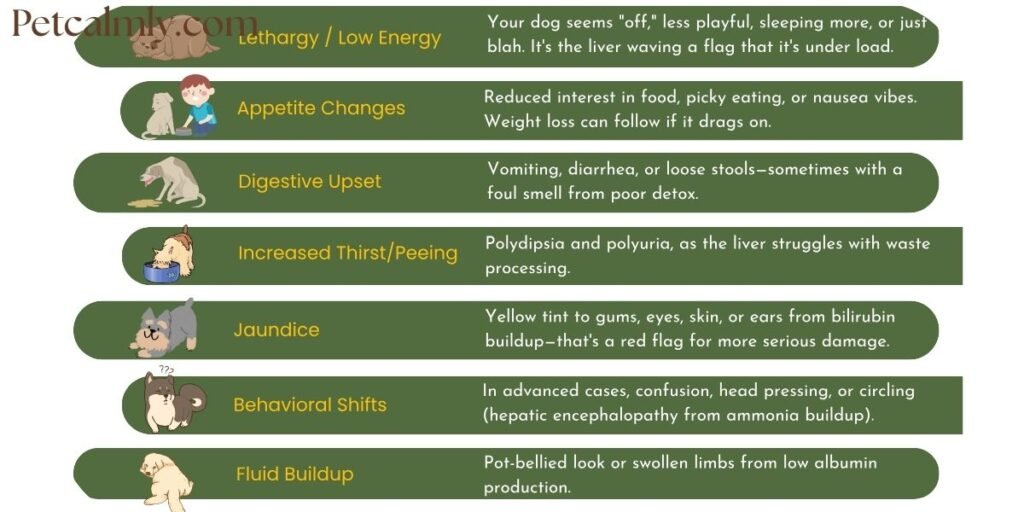
Dog Liver Enzymes: Holistic Care Tips
Behavioral and Psychological Factors Contributing to Hunger
Not all causes are physical; sometimes, it’s in your dog’s mind.
Boredom, Anxiety, or Stress
Dogs may eat out of boredom or as a stress response. Separation anxiety can manifest as destructive eating behaviors. Providing mental stimulation like toys reduces this.
Learned Begging Behaviors
If begging gets rewarded with food, it becomes habitual. Training to ignore begging reinforces better habits.
Breed tendencies, like in Beagles, amplify food motivation genetically.
Age-Related Changes: Why Older Dogs Might Seem Hungrier
In senior dogs, cognitive decline or sensory changes can alter appetite. Metabolic slowdowns mean they need fewer calories, but conditions like arthritis reduce activity, paradoxically increasing hunger signals. Regular checkups help manage this.
When to Consult a Veterinarian for Your Dog’s Constant Hunger
See a vet if hunger is sudden, with symptoms like vomiting, lethargy, or weight fluctuations. Diagnostic tests might include blood work or ultrasounds. Early intervention prevents complications.

Emergency Pet Eye Care | Veterinary Vision Specialists
How to Manage Your Dog’s Insatiable Appetite Effectively
Adjusting Diet for Better Satiety
Switch to high-fiber foods that promote fullness, like adding pumpkin or green beans. Slow-feeder bowls extend mealtime.
Increasing Exercise and Mental Enrichment
More walks or playtime burns calories and distracts from hunger. Puzzle toys make feeding interactive.
Training Techniques to Curb Begging
Use positive reinforcement to teach “leave it” or designated eating areas.
Prevention Tips to Avoid Constant Hunger Issues
Maintain a balanced diet, routine vet visits, and parasite prevention. Monitor weight and adjust as needed.
Frequently Asked Questions
1. Is it normal for dogs to always seem hungry?
Yes, many dogs are food-motivated, but excessive hunger could indicate issues.
2. What foods can I give my dog to make them feel fuller?
High-fiber options like vegetables or specialized diets help.
3. Could my dog’s hunger be due to worms?
Yes, parasites often cause increased appetite.
4. How do I know if my dog’s hunger is medical?
Look for other symptoms like thirst or weight loss; consult a vet.
5. Can anxiety make my dog hungrier?
Stress and boredom can lead to emotional eating.
6. What if my senior dog is suddenly always hungry?
Age-related changes or diseases like Cushing’s might be the cause.
More Information About Pets, Please Visit Our Website: Petcalmly.com
Conclusion
Addressing “why is my dog always hungry even after eating” involves a holistic approach, from diet to health checks. By identifying causes like poor nutrition, medical conditions, or behavioral factors, you can ensure your dog lives a fulfilled life. Regular veterinary care and mindful feeding prevent issues, keeping your pet happy and healthy. If symptoms persist, don’t hesitate to seek professional advice your dog’s well-being depends on it.