Short direct answer
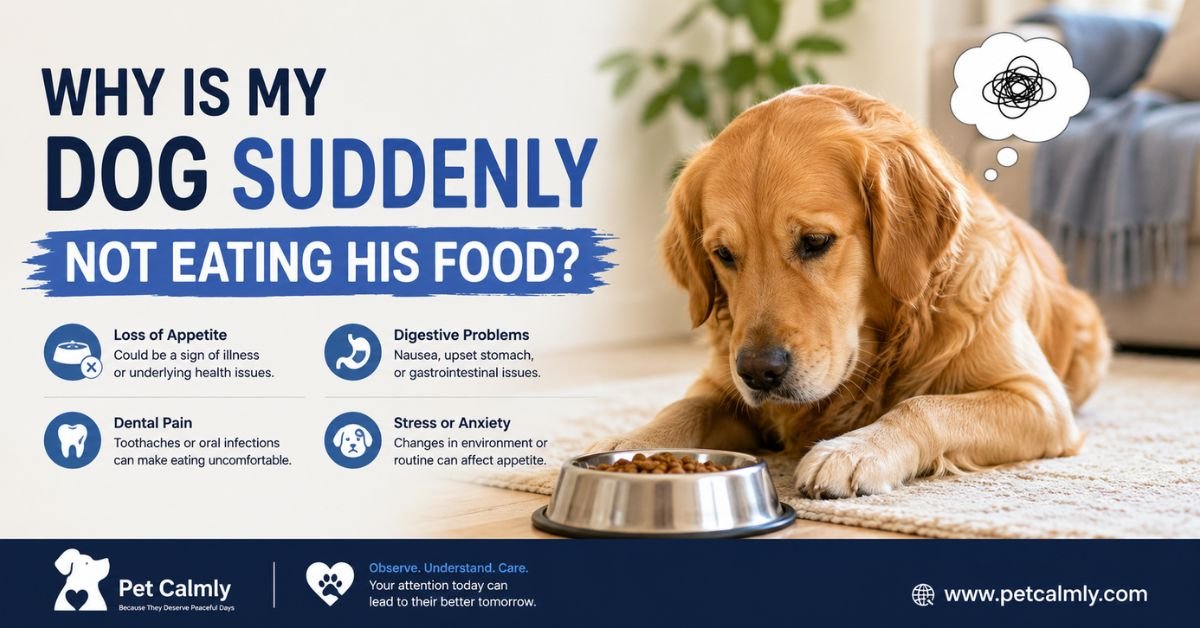
If your dog suddenly stops eating his food, the most common reasons are usually simple but important to understand. It can be caused by stress, minor stomach upset, changes in routine, dental pain, food aversion, or environmental factors like heat or anxiety. In some cases, it may also signal illness such as infections, digestive issues, or underlying health problems.
Most importantly, a sudden loss of appetite becomes concerning when it lasts more than 24–48 hours or is paired with symptoms like vomiting, diarrhea, lethargy, or weight loss. The key is to observe your dog closely and act early rather than waiting too long.
Introduction
Few things worry dog owners more than watching a dog sniff their food… and simply walk away.
It can feel confusing, even a little heartbreaking. One day your dog is excited at mealtime, and the next, the bowl sits untouched.
If you’re here searching “why is my dog suddenly not eating his food”, you’re not alone. This is one of the most common concerns pet parents face, and the reasons range from completely harmless to medically important.
The tricky part is that dogs don’t explain what’s wrong. Appetite changes are often the first silent signal that something in their body, environment, or emotions has shifted.
In this guide, we’ll go beyond surface-level answers. You’ll learn:
- The real reasons dogs suddenly refuse food
- Emotional and behavioral triggers many owners miss
- Health-related causes you should never ignore
- What you can safely do at home
- When it’s time to call a vet
- And how to prevent it from happening again
By the end, you’ll have a clear plan instead of uncertainty.
Understanding Why Dogs Stop Eating Suddenly
A dog refusing food isn’t a single problem it’s a symptom.
Think of appetite like a sensitive system connected to:
- Physical health (digestion, teeth, pain)
- Emotional state (stress, anxiety, routine changes)
- Environment (temperature, noise, household shifts)
- Food experience (taste, smell, texture changes)
Even small disruptions in any of these areas can affect eating behavior.
The important thing to remember is this:
Dogs rarely stop eating “for no reason.” There is always a trigger you just have to identify it.
Common Causes of Sudden Loss of Appetite in Dogs
Let’s break down the most frequent reasons dogs suddenly stop eating.
1. Stress or Anxiety (Very Common)
Dogs are more emotionally sensitive than many owners realize. Stress can completely shut down appetite.
Common stress triggers include:
- Moving to a new home
- New pet or baby in the house
- Loud noises (fireworks, construction, storms)
- Owner absence or schedule changes
- Boarding or travel
Even subtle changes—like feeding at a different time—can affect some dogs.
What it looks like:
- Dog acts normal but ignores food
- Eats treats but not meals (important clue)
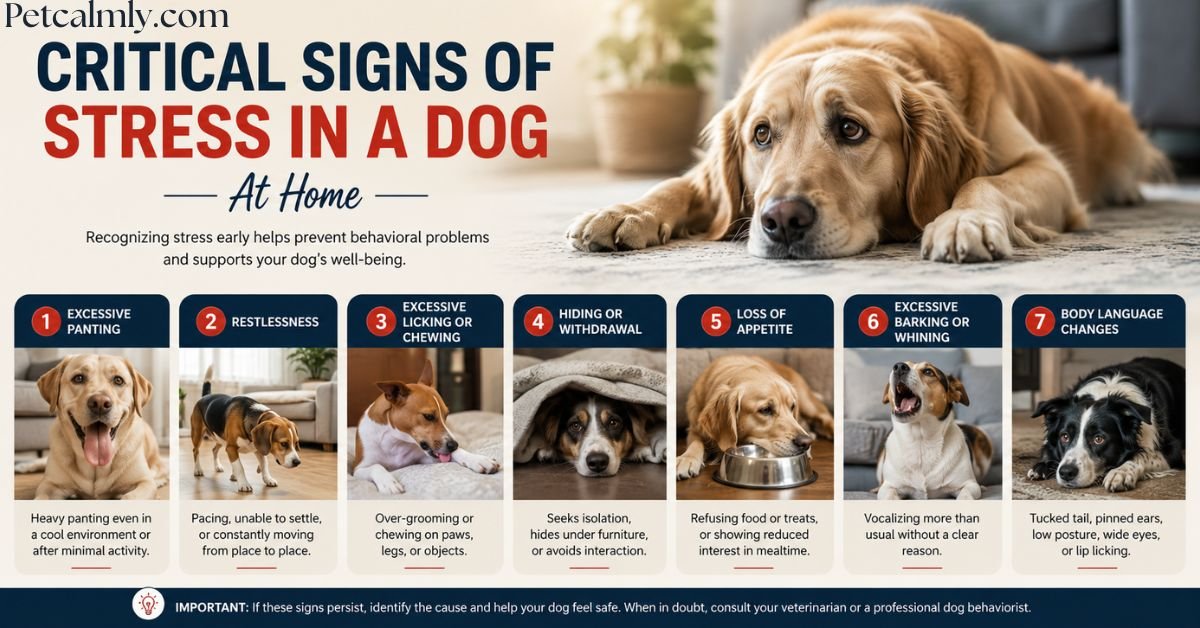
- Pacing, hiding, or clinginess
2. Dental Pain or Mouth Discomfort
A very overlooked cause.
Dogs may stop eating if chewing hurts.
Possible dental issues include:
- Gum infection
- Broken tooth
- Tartar buildup
- Mouth injuries
Signs:
- Dropping food while chewing
- Chewing on one side
- Bad breath
- Pawing at mouth
Soft treats may still be accepted while kibble is refused.
3. Digestive Upset or Mild Illness
Just like humans, dogs sometimes “lose appetite” when their stomach feels off.
This can happen due to:
- Eating something unusual
- Mild gastritis
- Sudden diet change
- Low-grade infection
You may also notice:
- Slight diarrhea
- Gurgling stomach
- Licking lips frequently
- Reduced energy
Often this resolves in 24 hours, but not always.
4. Food Fatigue or Picky Eating Behavior
Yes—dogs can get bored.
If your dog eats the same food daily, they may eventually lose interest.
But there’s another angle:
Sometimes dogs learn behaviorally that refusing food gets them something better (like treats or table scraps).
This becomes:
“If I wait long enough, something tastier appears.”
5. Heat or Weather Changes
During hot weather, dogs naturally eat less.
This is especially common in:
- Summer months
- Humid climates
- Dogs with thick coats
They may still drink water normally but show reduced appetite.
6. Medication Side Effects
Some medications can reduce appetite temporarily.
Examples include:
- Antibiotics
- Pain relief medications
- Deworming treatments
If appetite loss started after medication, this may be the reason.
7. Underlying Medical Conditions (Important to Rule Out)
Less common but serious causes include:
- Kidney or liver issues
- Pancreatitis
- Infections or fever
- Parasites
- Hormonal disorders
These usually come with other symptoms, not just appetite loss.
Emotional and Behavioral Reasons Dogs Refuse Food
Not all appetite issues are physical.
Dogs feel emotional shifts deeply, even if they don’t show them dramatically.
Separation anxiety
Dogs may refuse food when their owner leaves or returns after absence.
Depression-like behavior
Yes, dogs can show low mood after:
- Loss of companion pet
- Major routine disruption
- Lack of stimulation
Attention-seeking behavior
Some dogs learn:
“No eating = more attention from owner.”
This can unintentionally reinforce picky behavior.
Signs Your Dog’s Loss of Appetite Is More Than Just Picky Eating
Watch for patterns like:
- Refusing both meals and treats
- Drinking less water
- Sudden lethargy
- Vomiting or diarrhea
- Weight loss
- Hiding or unusual behavior
- Crying or signs of discomfort
If multiple signs appear together, it’s no longer just “picky eating.”
4 Common Mistakes Dog Owners Make (Without Realizing)
When a dog stops eating, owners often respond emotionally. That’s natural—but it can sometimes make things worse.
1. Switching foods too quickly
This can upset the stomach further and reinforce picky behavior.
2. Overfeeding treats
If treats increase, dogs may wait for them instead of eating meals.
3. Panic feeding multiple foods
Constant switching confuses the dog and disrupts digestion.
4. Ignoring subtle symptoms
Small signs like lethargy or drooling are often dismissed too early.
What You Should Do Immediately (Step-by-Step Plan)
If your dog suddenly refuses food, follow this calm approach:
Step 1: Check behavior first
Ask yourself:
- Is my dog acting normal otherwise?
- Drinking water normally?
- Energetic or tired?
Step 2: Inspect food freshness
- Check smell
- Check storage condition
- Ensure no spoilage
Step 3: Observe for 12–24 hours
If no other symptoms exist, short monitoring is okay.
Step 4: Offer simple, gentle food
Try:
- Boiled chicken and rice (plain)
- Slightly warmed food (enhances smell)
Step 5: Avoid pressure
Don’t force feeding or create stress around meals.
Step 6: Monitor closely
If appetite doesn’t return in 24–48 hours, take action.
Quick Comparison Table: Causes vs What to Do
| Possible Cause | Common Signs | What Helps |
|---|---|---|
| Stress | Avoids meals, acts normal otherwise | Calm environment, routine stability |
| Dental pain | Chews slowly, drops food | Vet dental check |
| Mild upset stomach | Soft stool, low appetite | Bland diet, hydration |
| Picky eating | Eats treats but not meals | Consistent feeding routine |
| Heat/weather | Less active eating | Cool environment, light meals |
| Illness | Lethargy, vomiting | Veterinary care |
When Should You Worry About Your Dog Not Eating?
This is the most important section.
Contact a vet if:
- No eating for more than 24–48 hours
- Refusing water
- Vomiting repeatedly
- Severe lethargy or weakness
- Blood in stool or vomit
- Visible pain or bloating
- Sudden weight loss
Emergency sign:
A bloated abdomen with restlessness can indicate a serious condition requiring immediate care.
What Should Pet Owners Do Next?
If your dog is otherwise stable, here’s a safe plan:
Keep routine consistent
Dogs thrive on predictability.
Reduce distractions during meals
Quiet feeding area helps sensitive dogs.
Avoid frequent food changes
Stick to one high-quality diet unless advised otherwise.
Encourage light activity
Short walks can stimulate appetite naturally.
Keep hydration priority
Water intake is more important than food short-term.
How to Prevent Future Appetite Issues
Prevention is often about stability.
- Feed at consistent times daily
- Avoid excessive table scraps
- Maintain dental hygiene
- Reduce environmental stress
- Introduce new foods gradually
- Keep routine stable during travel or changes
Small consistency = big improvement in appetite health.
Conclusion
When a dog suddenly stops eating, it’s rarely random. It’s communication.
Sometimes it’s as simple as stress or a mild upset stomach. Other times, it’s the earliest signal that something needs attention.
The key is not panic—but observation.
Most dogs recover their appetite quickly once the cause is addressed, especially when owners respond calmly and consistently.
You know your dog best. If something feels “off,” trust that instinct and act early.
More Information About Pets, Please Visit Our Website: Early Signs of Worms in Dogs
Best Pet Food for Sensitive Stomach 2026
Can Dogs Eat Cat Food?
Frequently Asked Questions
1. Why is my dog eating treats but not his food?
This often indicates picky behavior or learned preference. If a dog refuses meals but accepts treats, they may be holding out for tastier options. It can also still happen with mild stress or dental discomfort.
2. How long can a dog safely go without eating?
Most healthy dogs can safely skip meals for up to 24 hours. However, beyond 48 hours without food, a veterinary check is strongly recommended, especially if other symptoms appear.
3. Should I change my dog’s food if he stops eating?
Not immediately. Sudden food changes can worsen the problem. First, rule out stress or health issues before switching diets gradually if needed.
4. Can hot weather make a dog stop eating?
Yes. Many dogs naturally eat less during hot or humid conditions. Appetite usually returns when temperatures drop or activity increases.
5. What if my puppy suddenly stops eating?
Puppies should be monitored more closely than adult dogs. Appetite loss in puppies can become serious quickly, so veterinary advice is recommended within 12–24 hours.
6. Is it normal for older dogs to eat less?
Older dogs may eat slightly less due to slower metabolism, dental issues, or reduced activity. However, sudden or complete refusal of food is not considered normal and should be checked.