Short direct answer
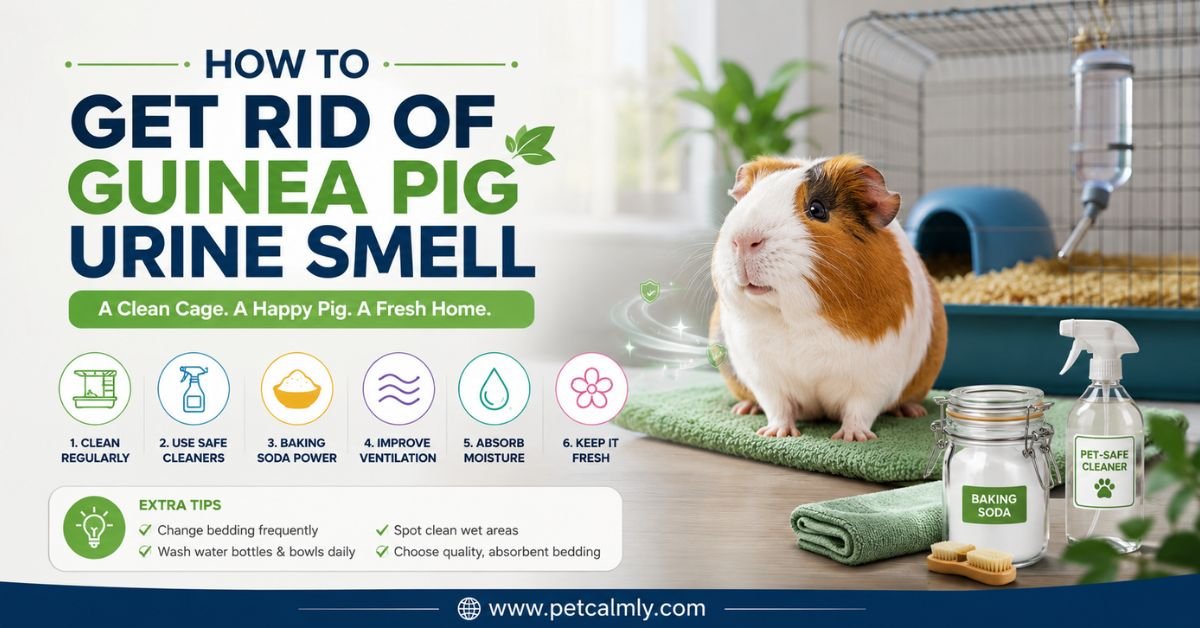
If you’re wondering how to get rid of guinea pig urine smell, the most effective solution is to clean wet bedding daily, use highly absorbent bedding, wash fleece liners regularly, improve cage ventilation, and thoroughly remove urine buildup from cage surfaces. A healthy guinea pig cage should have very little odor. Strong urine smells usually develop when moisture accumulates, bedding becomes saturated, or hidden urine deposits are left behind. With the right cleaning routine and cage setup, you can keep your guinea pig’s habitat fresh and comfortable for both pets and people.
Introduction
Many new guinea pig owners are surprised by how quickly a cage can develop a strong smell. You clean the enclosure, add fresh bedding, and within a few days the odor seems to return.
The good news is that guinea pigs themselves are not naturally smelly pets. In most cases, urine odor comes from moisture management problems rather than the animals themselves.
Guinea pig urine contains ammonia-producing compounds. As urine sits in bedding and begins to break down, bacteria convert these compounds into ammonia gas, creating the sharp smell many owners notice.
Whether you’re using fleece liners, paper bedding, wood shavings, or a combination of materials, understanding why the smell develops is the key to eliminating it.
This guide explains exactly how to get rid of guinea pig urine smell, prevent it from returning, and recognize when unusual odors could signal a health issue.
Why Does Guinea Pig Urine Smell So Strong?
Before solving the problem, it helps to understand what’s causing it.
Several factors contribute to urine odor:
- Urine soaking into bedding
- Bacteria breaking down waste
- Poor cage ventilation
- Infrequent cleaning
- Excess moisture buildup
- Small cage size
- Multiple guinea pigs sharing one enclosure
- Health conditions affecting urine concentration
A mild smell is normal, especially close to litter areas. However, a strong ammonia odor throughout the room usually indicates that the cage needs attention.
What Does Healthy Guinea Pig Urine Smell Like?
Fresh urine generally has little to no noticeable odor.
You may notice a slight musky smell when cleaning, but it should not be overwhelming. If visitors can smell the cage immediately upon entering the room, something in the setup likely needs adjustment.
How to Get Rid of Guinea Pig Urine Smell Fast
If the cage already smells strongly, follow these steps.
1. Remove All Soiled Bedding
Take out:
- Wet bedding
- Dirty hay
- Food debris
- Feces
- Damp fleece liners
Urine trapped underneath bedding layers is often responsible for lingering smells.
2. Wash the Cage Thoroughly
Use warm water and a pet-safe cleaner.
Pay special attention to:
- Cage corners
- Plastic seams
- Under hideouts
- Food stations
- Litter areas
Urine residue often remains even after bedding is removed.
3. Eliminate Hidden Urine Deposits
Many owners clean visible messes but miss dried urine.
Check:
- Cage walls
- Coroplast bases
- Plastic trays
- Ramp surfaces
- Bedding trays
A white vinegar and water solution can help dissolve urine scale safely.
4. Replace With Fresh, Absorbent Bedding
Avoid reusing damp bedding.
Fresh absorbent materials immediately reduce odor and help keep moisture under control.
5. Improve Air Circulation
Move the cage to a well-ventilated area.
Avoid placing the enclosure:
- In closets
- Against blocked walls
- In enclosed furniture
- Near heat vents
Good airflow helps moisture evaporate and reduces ammonia buildup.
The Best Bedding for Reducing Guinea Pig Urine Smell
The bedding you choose significantly affects odor control.
Paper Bedding
Paper bedding is one of the most popular options because it:
- Absorbs moisture well
- Controls odor effectively
- Produces little dust
- Is soft on feet
It works especially well for owners seeking low-maintenance odor control.
Aspen Shavings
Aspen is a safe wood bedding option that offers:
- Good absorbency
- Natural odor control
- Affordable cost
Avoid cedar and pine products that are not kiln-dried, as they may contain aromatic oils that can irritate guinea pigs.
Fleece Liners
Many experienced owners use fleece systems.
Benefits include:
- Reusable
- Cost-effective long-term
- Comfortable
- Easy spot-cleaning
However, fleece only works well when paired with absorbent layers underneath.
Without absorbent pads, urine can pool and create odor quickly.
How to Keep Fleece Cages From Smelling Like Urine
Fleece setups can stay surprisingly fresh when maintained correctly.
Spot Clean Every Day
Remove:
- Wet hay
- Droppings
- Food scraps
Daily maintenance prevents moisture accumulation.
Use Absorbent Layers Underneath
Popular options include:
- U-Haul furniture pads
- Guinea pig cage pads
- Reusable absorbent liners
These layers pull moisture away from the fleece surface.
Wash Liners Frequently
For most households:
- Spot clean daily
- Replace heavily used pads every 2–4 days
- Wash main liners every 5–7 days
Larger groups of guinea pigs may require more frequent washing.
Avoid Fabric Softeners
Fabric softeners reduce fleece absorbency.
Instead:
- Use fragrance-free detergent
- Add white vinegar during rinsing
- Skip dryer sheets
Create a Guinea Pig Potty Area to Reduce Smell
Many guinea pigs prefer urinating in specific locations.
Common favorites include:
- Hay racks
- Feeding stations
- Hideout entrances
- Corners
You can use this behavior to your advantage.
How to Set Up a Kitchen Area
Place:
- Hay
- Water bottle
- Litter tray
- Extra absorbent bedding
in one section of the cage.
Many guinea pigs naturally spend much of their bathroom time there.
This concentrates urine in a manageable area and reduces odors throughout the enclosure.
Daily Cleaning Routine for Odor Control
One of the biggest mistakes owners make is waiting for full cage cleaning day.
A quick daily routine dramatically reduces smells.
Five-Minute Daily Checklist
✔ Remove wet bedding
✔ Sweep droppings
✔ Replace soaked pads
✔ Refill hay
✔ Wipe visible urine spots
✔ Check litter areas
This simple routine often prevents major odor problems.
Weekly Deep Cleaning Routine
A deeper clean removes hidden odor sources.
Step 1: Remove Everything
Take out:
- Bedding
- Hideouts
- Food bowls
- Water bottles
- Toys
Step 2: Wash Cage Surfaces
Scrub all surfaces with warm water and pet-safe cleaner.
Step 3: Disinfect When Necessary
Occasional disinfection can help reduce odor-causing bacteria.
Always rinse thoroughly before reintroducing your guinea pigs.
Step 4: Dry Completely
Moisture left behind can contribute to odor.
Allow all surfaces to dry before replacing bedding.
Step 5: Reassemble With Fresh Materials
Add clean bedding, fresh hay, and sanitized accessories.
Common Mistakes That Make Guinea Pig Urine Smell Worse
Many odor problems are caused by well-meaning owners making small mistakes.
Using Too Little Bedding
Thin bedding becomes saturated quickly.
A deeper layer absorbs more moisture and lasts longer.
Cleaning Too Infrequently
Waiting until the cage smells bad means odor-producing bacteria have already multiplied.
Choosing a Cage That’s Too Small
Crowded cages accumulate waste faster.
More space generally means:
- Better airflow
- Less moisture concentration
- Easier odor control
Ignoring Wet Hay
Hay absorbs urine surprisingly well.
Wet hay hidden under racks often becomes a major smell source.
Using Scented Products
Strong fragrances may mask odors temporarily but do not solve the problem.
Some scented products can also irritate sensitive guinea pigs.
Does Diet Affect Guinea Pig Urine Smell?
Yes, diet can influence odor.
Hydration and nutrition affect urine concentration.
Foods That Support Healthy Hydration
Guinea pigs benefit from:
- Fresh water
- Romaine lettuce
- Bell peppers
- Cucumber in moderation
- Fresh leafy greens
Proper hydration often results in less concentrated urine.
Monitor Sudden Changes
If urine odor changes dramatically without changes in cleaning habits, investigate possible causes.
A sudden strong odor may sometimes accompany health concerns.
When Urine Smell Could Signal a Health Problem
Most odor issues are environmental.
However, unusual urine odors occasionally indicate medical concerns.
Contact a veterinarian if you notice:
- Blood in urine
- Pain during urination
- Frequent straining
- Significant odor changes
- Cloudy urine with symptoms
- Reduced appetite
- Weight loss
- Lethargy
Possible Underlying Conditions
These may include:
- Urinary tract infections
- Bladder stones
- Kidney issues
- Dehydration
Only a qualified veterinarian can diagnose these conditions.
How Often Should You Clean a Guinea Pig Cage?
Cleaning frequency depends on:
- Cage size
- Number of guinea pigs
- Bedding type
- Ventilation
- Humidity levels
General Cleaning Schedule
| Task | Frequency |
|---|---|
| Spot cleaning | Daily |
| Remove wet bedding | Daily |
| Replace litter areas | Every 1–3 days |
| Wash fleece pads | Every 3–7 days |
| Deep clean cage | Weekly |
| Clean accessories | Weekly |
Owners with two or more guinea pigs may need slightly more frequent maintenance.
Natural Ways to Reduce Guinea Pig Cage Odor
Many owners prefer avoiding harsh chemicals.
Safe natural options include:
White Vinegar
Excellent for:
- Dissolving urine scale
- Neutralizing odors
- Cleaning cage surfaces
Good Ventilation
Fresh air remains one of the most effective odor-control methods.
Frequent Spot Cleaning
Removing moisture before odors develop is better than masking smells later.
Absorbent Cage Liners
Better moisture management means less odor production.
How Humidity and Temperature Affect Urine Smell
Environmental conditions play a bigger role than many owners realize.
High Humidity
Humid environments can:
- Slow drying
- Encourage bacterial growth
- Intensify ammonia smells
Warm Temperatures
Heat accelerates bacterial activity and odor production.
If possible:
- Keep cages cool
- Improve airflow
- Use a room fan nearby (not directly on guinea pigs)
Best Cage Setup for Preventing Urine Odor
A well-designed enclosure naturally stays fresher.
Essential Components
- Large cage
- Absorbent bedding
- Dedicated hay area
- Multiple hideouts
- Daily maintenance routine
- Good room ventilation
Many experienced owners find that prevention is easier than eliminating odor after it develops.
What Should Pet Owners Do if the Smell Keeps Coming Back?
If you’ve cleaned thoroughly and the odor returns quickly:
Check These Factors
- Is bedding absorbent enough?
- Is the cage large enough?
- Are you spot-cleaning daily?
- Are fleece liners washing properly?
- Is hidden urine accumulating?
- Is ventilation adequate?
- Could a health issue be involved?
Addressing these areas usually solves persistent odor problems.
Internal Resources You May Find Helpful
To build a healthier and cleaner habitat, consider reading related guides such as:
- Guinea pig cage setup ideas for 2 guinea pigs
- Fleece vs paper bedding for guinea pigs
- How much does a guinea pig cost?
- Guinea pig squeaking meaning
- Can guinea pigs eat carrots?
These topics help create a complete care routine that supports cleanliness, comfort, and overall guinea pig wellness.
Frequently Asked Questions
1: How do I stop my guinea pig cage from smelling so fast?
Remove wet bedding daily, clean high-traffic bathroom areas frequently, use absorbent bedding, and maintain good ventilation. Most odor issues come from moisture buildup.
2: Is guinea pig urine supposed to smell bad?
Fresh urine usually has very little odor. Strong ammonia smells typically develop when urine sits in bedding and begins breaking down.
3: What is the best bedding for guinea pig urine smell?
High-quality paper bedding, aspen shavings, and properly maintained fleece systems are among the best options for controlling odor.
4: Can I use baking soda in a guinea pig cage?
Many veterinarians and guinea pig experts recommend avoiding direct exposure because guinea pigs may inhale dust particles. Safer odor-control methods include proper cleaning and absorbent bedding.
5: Why does my guinea pig cage smell even after cleaning?
Hidden urine residue, damp hay, saturated liners, poor ventilation, or insufficient absorbent materials can cause odors to return quickly.
6: When should I see a veterinarian about urine odor?
Seek veterinary advice if odor changes suddenly or occurs alongside symptoms such as blood in urine, straining, reduced appetite, weight loss, or lethargy.
More Information About Pets, Please Visit Our Website: 10 Reasons Not to Get a Guinea Pig
Conclusion
Learning how to get rid of guinea pig urine smell is mostly about controlling moisture before odors have a chance to develop. Guinea pigs are naturally clean animals, and a healthy enclosure should never produce an overwhelming smell.
Daily spot cleaning, absorbent bedding, regular deep cleaning, proper ventilation, and a thoughtfully designed cage setup can dramatically reduce urine odors. Most owners find that once they establish a consistent routine, keeping the cage fresh becomes much easier.
If strong smells persist despite good cleaning habits, take a closer look at bedding effectiveness, cage size, and your guinea pig’s overall health. A fresh-smelling habitat isn’t just more pleasant for your home—it also creates a healthier environment for your guinea pigs to thrive.