Short direct answer
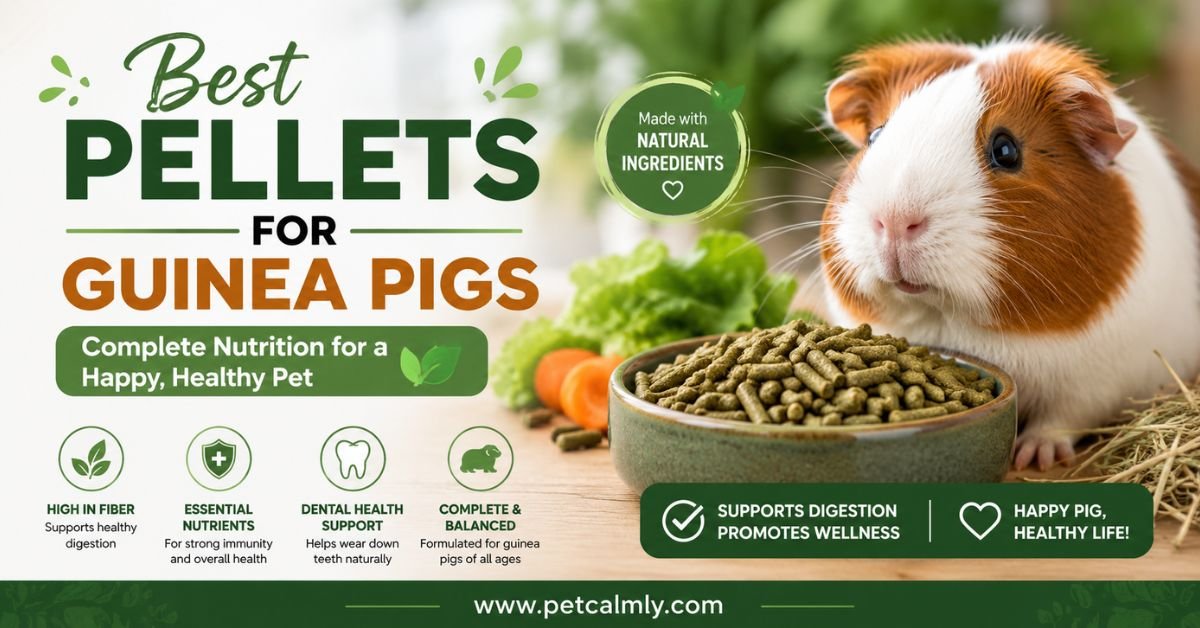
The best pellets for guinea pigs are plain, timothy hay-based pellets fortified with stabilized vitamin C and free from seeds, nuts, colorful bits, dried fruit, and sugary additives. For most adult guinea pigs, high-quality pellets should be offered in measured amounts alongside unlimited grass hay and fresh vegetables. Trusted options include Oxbow Essentials Adult Guinea Pig Food, Small Pet Select Guinea Pig Pellets, Sherwood Pet Health Guinea Pig Food, and Science Selective Guinea Pig Food.
Choosing the right pellets can support healthy digestion, proper teeth wear, stable weight, and long-term wellness. The wrong pellets, however, may contribute to obesity, digestive upset, selective eating, and nutritional imbalances.
Best Pellets for Guinea Pigs: What Matters Most?
Many guinea pig owners spend hours comparing pellet brands, only to discover conflicting advice online.
The truth is that pellets should not be the main part of a guinea pig’s diet. Hay is the foundation. Pellets act as a nutritional supplement that helps fill specific dietary gaps, especially vitamin C requirements.
When evaluating pellets, focus on:
- Timothy hay as the primary ingredient for adults
- Stabilized vitamin C
- High fiber content
- No artificial colors
- No seeds or nuts
- No dried fruit
- No sugary treats mixed into the food
- Fresh manufacturing dates when possible
A simple pellet formula is almost always better than a colorful one.
Why Guinea Pigs Need Pellets
Guinea pigs cannot produce their own vitamin C.
Unlike many animals, they rely entirely on their diet to meet this essential nutrient requirement. While fresh vegetables help provide vitamin C, quality pellets offer an additional source.
Pellets also help:
- Support digestive health
- Provide balanced nutrients
- Supplement vitamins and minerals
- Maintain healthy body condition
- Reduce the risk of nutritional deficiencies
However, pellets should complement hay, not replace it.
A healthy guinea pig diet generally consists of:
| Food Type | Approximate Diet Percentage |
|---|---|
| Grass hay | 80–90% |
| Fresh vegetables | 5–10% |
| Pellets | 5–10% |
| Treats | Minimal |
What Ingredients Should Be in the Best Guinea Pig Pellets?
Before buying any pellet food, check the ingredient list.
Timothy Hay-Based Formula
Adult guinea pigs do best on timothy hay-based pellets.
Timothy hay provides:
- High fiber
- Better digestive support
- Weight management benefits
- Natural chewing opportunities
Most healthy adults over six months old should eat timothy hay pellets.
Stabilized Vitamin C
Vitamin C degrades over time.
Look for pellets that specifically mention stabilized vitamin C. This helps ensure your guinea pig receives consistent nutrition.
High Fiber Content
Fiber is critical for:
- Gut motility
- Digestive balance
- Healthy droppings
- Dental health
Higher fiber formulas generally support healthier guinea pigs.
Simple Ingredients
The best pellets usually have short ingredient lists without unnecessary extras.
Good ingredients include:
- Timothy hay
- Soybean hulls
- Flaxseed
- Vitamin supplements
- Mineral supplements
Simple is often healthier.
Ingredients to Avoid in Guinea Pig Pellets
Not all pellets marketed for guinea pigs are actually ideal.
Watch for these red flags.
Colorful Mixed Pieces
Brightly colored shapes may look attractive to owners, but they encourage selective feeding.
Guinea pigs often pick out their favorite pieces and leave the rest.
Seeds and Nuts
These ingredients can be:
- High in fat
- Difficult to digest
- Potential choking hazards
Healthy guinea pig diets do not require seeds or nuts.
Added Sugar
Avoid foods containing:
- Molasses
- Honey
- Dried fruit
- Sugary treats
Excess sugar can upset digestive health and contribute to obesity.
Artificial Colors
Artificial coloring offers no nutritional benefit.
The healthiest pellets are usually plain and uniform in appearance.
Best Pellets for Guinea Pigs: Top Recommended Options
Below are some of the most trusted pellet choices among experienced guinea pig owners, rescue organizations, and exotic pet professionals.
Oxbow Essentials Adult Guinea Pig Food
Best Overall Pellet for Most Guinea Pigs
Oxbow remains one of the most widely recommended brands.
Benefits include:
- Timothy hay-based formula
- Stabilized vitamin C
- High fiber content
- No seeds or colorful treats
- Widely available
Pros:
- Consistent quality
- Trusted reputation
- Suitable for most healthy adults
Cons:
- Slightly more expensive than budget brands
Small Pet Select Guinea Pig Pellets
Best Premium Pellet Choice
Small Pet Select focuses heavily on ingredient quality and freshness.
Benefits include:
- Timothy hay formula
- Fresh production batches
- No unnecessary fillers
- Excellent fiber profile
Pros:
- High-quality ingredients
- Strong owner reviews
- Good digestibility
Cons:
- Availability varies by location
Sherwood Pet Health Guinea Pig Food
Best Soy-Free Option
Some owners prefer Sherwood because of its unique formulation.
Benefits include:
- High-fiber recipe
- Soy-free options available
- Quality ingredients
Pros:
- Excellent nutritional profile
- Popular among experienced guinea pig keepers
Cons:
- Requires careful storage
- Can be more expensive
Science Selective Guinea Pig Food
Best Pellet for Picky Eaters
Science Selective pellets are uniform in shape, helping prevent selective feeding.
Benefits include:
- Consistent pellet design
- Fortified with vitamin C
- Good fiber levels
Pros:
- Easy feeding
- Balanced nutrition
Cons:
- Availability depends on region
Burgess Excel Guinea Pig Nuggets
Best Option Available in Many International Markets
This pellet is especially popular in the UK and parts of Europe.
Benefits include:
- High-fiber formula
- Added vitamin C
- Uniform nuggets
Pros:
- Supports healthy digestion
- Encourages balanced eating
Cons:
- Availability varies outside Europe
Best Pellets for Baby Guinea Pigs
Young guinea pigs have different nutritional needs than adults.
Guinea Pigs Under Six Months
Growing guinea pigs need:
- Additional protein
- Additional calcium
- Growth-supporting nutrition
Many veterinarians and guinea pig rescues recommend alfalfa-based pellets during this stage.
Alfalfa supports:
- Bone development
- Muscle growth
- Healthy maturation
Once guinea pigs reach approximately six months of age, most can transition to timothy-based pellets.
Best Pellets for Senior Guinea Pigs
Older guinea pigs often benefit from dietary adjustments.
Watch for:
- Weight loss
- Dental disease
- Reduced appetite
- Digestive changes
Senior guinea pigs may still do well on standard adult pellets, but owners should monitor body condition closely.
Consult an exotic veterinarian if an older guinea pig experiences:
- Significant weight changes
- Difficulty chewing
- Chronic digestive issues
How Much Pellet Food Should a Guinea Pig Eat?
One of the biggest feeding mistakes is overfeeding pellets.
Most healthy adult guinea pigs only need:
- About 1/8 cup pellets daily
- Unlimited hay
- Daily vegetables
Overfeeding pellets may lead to:
- Obesity
- Reduced hay consumption
- Poor dental wear
- Digestive imbalance
Always prioritize hay intake.
Signs Your Guinea Pig Likes Their Pellets
A healthy response to pellets includes:
- Excitement at feeding time
- Consistent eating habits
- Normal droppings
- Healthy body weight
- Good energy levels
Remember that enthusiasm alone does not mean a pellet is healthy.
Many guinea pigs become excited about sugary foods that are not ideal for them.
Signs a Pellet Formula May Not Be Working
Sometimes a dietary change is needed.
Potential warning signs include:
- Soft stools
- Weight gain
- Weight loss
- Excessive selective eating
- Reduced hay consumption
- Digestive upset
Whenever introducing a new pellet, transition gradually over 7–14 days.
4 Common Mistakes When Choosing Guinea Pig Pellets
Even caring owners can accidentally choose inappropriate food.
Buying Rabbit Pellets
Rabbit and guinea pig nutritional needs differ significantly.
Guinea pigs require vitamin C supplementation.
Rabbit pellets generally do not provide enough.
Choosing Food Based on Packaging
Colorful bags often prioritize marketing over nutrition.
Always read ingredient labels.
Feeding Unlimited Pellets
More pellets do not equal better nutrition.
Excess pellets can discourage healthy hay consumption.
Ignoring Expiration Dates
Vitamin C degrades over time.
Old pellets may provide less nutritional value.
How to Store Guinea Pig Pellets Properly
Proper storage helps preserve freshness and nutrients.
Store pellets:
- In a cool, dry place
- Away from direct sunlight
- In airtight containers
- Away from moisture
Avoid purchasing extremely large bags if your guinea pig cannot finish them within a reasonable period.
Fresh pellets are usually more nutritious.
Hay vs Pellets: Which Is More Important?
This is one of the most common questions from new guinea pig owners.
The answer is simple:
Hay is far more important.
Hay supports:
- Digestive function
- Healthy teeth wear
- Natural foraging behavior
- Long-term health
Pellets are a supplement.
If forced to prioritize one, always choose high-quality hay first.
Practical Feeding Routine for Healthy Guinea Pigs
A simple daily feeding routine might look like this:
Morning
- Refill hay racks
- Provide fresh water
- Offer fresh vegetables
Evening
- Provide measured pellet portion
- Check hay levels
- Remove spoiled vegetables
Weekly
- Monitor body weight
- Check food freshness
- Evaluate appetite and droppings
This routine helps identify health concerns early.
When Should You Worry About Your Guinea Pig’s Diet?
Seek veterinary guidance if your guinea pig shows:
- Refusal to eat
- Rapid weight loss
- Persistent diarrhea
- Difficulty chewing
- Excessive drooling
- Changes in droppings
- Sudden appetite changes
Guinea pigs can deteriorate quickly when they stop eating, making prompt veterinary care important.
An exotic animal veterinarian is the best resource for ongoing dietary concerns.
What Should Pet Owners Do When Choosing Pellets?
Use this simple checklist.
Guinea Pig Pellet Buying Checklist
Choose pellets that:
Use timothy hay for adults
Contain stabilized vitamin C
Have high fiber content
Use simple ingredients
Avoid colorful pieces
Avoid seeds and nuts
Avoid sugary additives
Come from reputable manufacturers
Are fresh and properly stored
Support hay-based nutrition
If a pellet checks all these boxes, it is likely a strong choice.
Internal Resources You May Also Find Helpful
For a complete guinea pig care plan, consider linking this guide with related articles on PetCalmly:
- Guinea pig feeding schedule
- Best hay for guinea pigs
- Can guinea pigs eat carrots?
- Guinea pig squeaking meaning
- Guinea pig cage setup ideas for 2
- How much does a guinea pig cost?
- Fleece vs paper bedding for guinea pigs
These topics work together to create a complete care foundation for new owners.
Conclusion
The best pellets for guinea pigs are simple, high-fiber, timothy hay-based formulas that provide stabilized vitamin C without unnecessary fillers, seeds, sugars, or colorful treats. While pellets play an important nutritional role, they should never replace unlimited hay, fresh vegetables, and clean water.
For most adult guinea pigs, trusted products such as Oxbow Essentials, Small Pet Select, Sherwood Pet Health, and Science Selective offer excellent nutrition when fed in appropriate amounts. Focus on ingredient quality rather than marketing claims, and remember that a healthy guinea pig diet starts with hay first and pellets second.
More Information About Pets, Please Visit Our Website: How to Get Rid of Guinea Pig Urine Smell
Frequently Asked Questions
1: What is the healthiest pellet for guinea pigs?
Timothy hay-based pellets with stabilized vitamin C and no added sugars, seeds, or colorful treats are generally considered the healthiest option for adult guinea pigs.
2: Are Oxbow pellets good for guinea pigs?
Yes. Oxbow Essentials Adult Guinea Pig Food is widely recommended because it provides balanced nutrition, high fiber, and vitamin C without unnecessary additives.
3: How many pellets should a guinea pig eat per day?
Most healthy adult guinea pigs need approximately 1/8 cup of pellets daily alongside unlimited hay and fresh vegetables.
4: Can guinea pigs survive without pellets?
Guinea pigs can obtain much of their nutrition from hay and vegetables, but pellets help provide balanced nutrients and vitamin C. Dietary decisions should be discussed with an exotic veterinarian.
5: What pellets should baby guinea pigs eat?
Young guinea pigs under six months old often benefit from alfalfa-based pellets because they require additional calcium and protein for growth.
6: Why are colorful guinea pig pellets not recommended?
Colorful mixes encourage selective feeding and often contain unnecessary sugars, seeds, or fillers that may reduce overall dietary balance.