Short direct answer
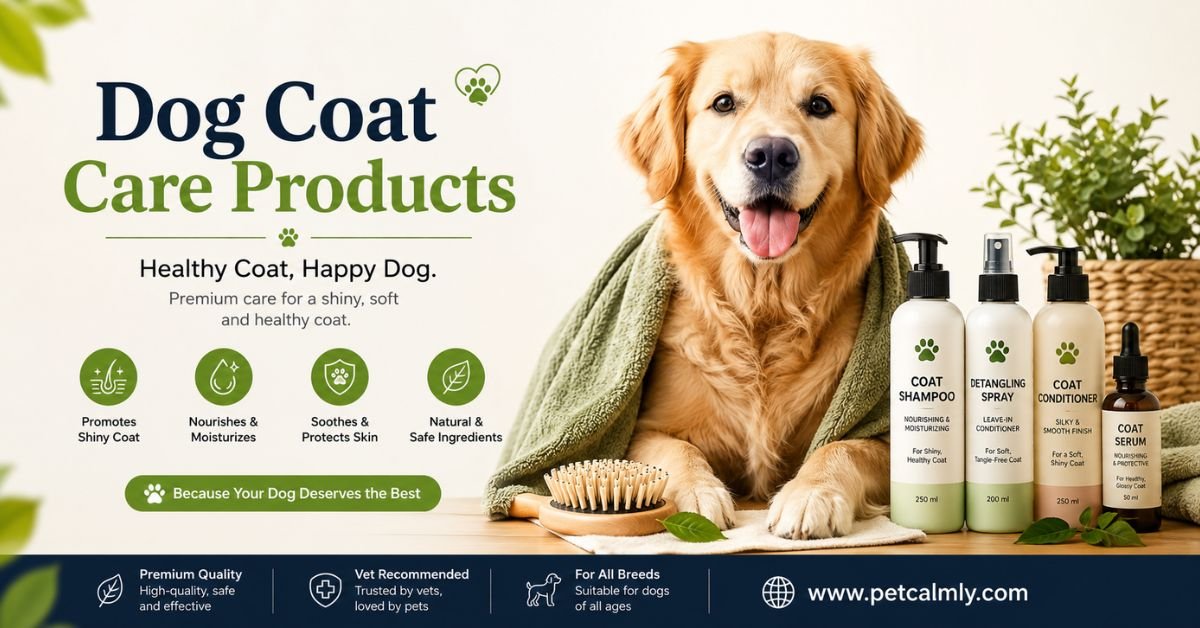
Dog coat care products help keep your dog’s skin healthy, reduce shedding, prevent matting, improve coat shine, and support overall comfort. The best products depend on your dog’s coat type, skin sensitivity, age, and lifestyle. A simple routine using the right shampoo, conditioner, brush, detangling spray, and coat supplements can make a noticeable difference while avoiding irritation caused by harsh or unsuitable products.
Dog Coat Care Products: Everything Pet Owners Need to Know
A healthy dog coat is more than just something that looks beautiful. It often reflects what’s happening beneath the surface. A soft, clean, and well-maintained coat usually goes hand in hand with healthy skin, balanced nutrition, and regular grooming.
Many dog owners quickly discover that choosing coat care products isn’t as simple as picking the first shampoo on the store shelf. There are products designed for dry skin, sensitive skin, heavy shedders, double-coated breeds, curly coats, puppies, seniors, and dogs with allergies. Using the wrong product can leave the coat dull, itchy, or difficult to manage.
The good news is that building an effective grooming routine doesn’t require buying dozens of expensive products. Most dogs thrive with a small collection of carefully selected essentials that match their individual needs.
In this guide, you’ll learn:
- Which dog coat care products actually matter
- How to choose products based on coat type
- Common grooming mistakes to avoid
- Safe ingredients to look for
- Ingredients that deserve extra caution
- How often each product should be used
- Tips for maintaining a healthy, shiny coat throughout the year
Whether you have a fluffy Golden Retriever, a curly Poodle, a short-haired Labrador, or a tiny Yorkshire Terrier, the right grooming products can make caring for your dog’s coat easier for both of you.
Why Dog Coat Care Products Matter
Many people think grooming products are mainly cosmetic, but quality coat care supports your dog’s overall health.
Healthy skin is the foundation of a healthy coat. When the skin becomes dry, inflamed, or irritated, coat quality often declines soon afterward.
Using appropriate dog coat care products can help:
- Remove dirt and allergens
- Reduce excess shedding
- Prevent painful mats
- Moisturize dry skin
- Support the skin’s natural protective barrier
- Minimize unpleasant odors
- Improve brushing comfort
- Detect skin problems earlier during grooming
Regular grooming sessions also give owners a chance to notice unusual bumps, parasites, redness, hot spots, or hair loss before they become more serious.
What Makes a Good Dog Coat Care Product?
Not every product labeled “natural” or “premium” is automatically the best choice.
Instead, look for products that match your dog’s specific needs.
High-quality dog coat care products often include:
- Gentle cleansing ingredients
- Balanced pH formulated specifically for dogs
- Skin-moisturizing ingredients
- Coat-conditioning agents
- Mild natural oils
- Easy-to-rinse formulas
- Minimal unnecessary fragrances
Dogs have different skin pH than humans. Human shampoos even baby shampoos can strip away natural oils and disrupt the protective skin barrier, making irritation more likely.
How Your Dog’s Coat Type Affects Product Choices
One of the biggest mistakes owners make is buying products based only on reviews instead of their dog’s coat.
Different coats require different care.
Short-Haired Dogs
Examples include:
- Labrador Retriever
- Beagle
- Boxer
- Doberman Pinscher
Short-haired dogs usually need:
- Mild moisturizing shampoo
- Rubber grooming brush
- Deshedding mitt
- Coat conditioning spray (occasionally)
These breeds often shed more than people expect, even though their hair is short.
Double-Coated Dogs
Examples include:
- Golden Retriever
- German Shepherd
- Siberian Husky
- Samoyed
These dogs benefit from:
- Deshedding shampoo
- Undercoat rake
- Slicker brush
- Leave-in conditioning spray
- High-quality drying towel
Avoid shaving double-coated breeds unless your veterinarian recommends it for a medical reason. Their coat helps regulate body temperature throughout the year.
Curly-Coated Dogs
Examples include:
- Poodle
- Labradoodle
- Bichon Frise
Curly coats require more maintenance because loose hair becomes trapped instead of falling away naturally.
Helpful products include:
- Moisturizing shampoo
- Rich conditioner
- Detangling spray
- Slicker brush
- Metal comb
- Coat moisturizer
Without routine brushing, mats can develop close to the skin and become uncomfortable.
Wire-Haired Dogs
Examples include:
- Miniature Schnauzer
- Wire Fox Terrier
Recommended products include:
- Texture-preserving shampoo
- Grooming spray
- Stripping tools (when appropriate)
- Coat conditioner used sparingly
Heavy conditioners may soften the coat too much, reducing its natural texture.
Long-Haired Dogs
Examples include:
- Shih Tzu
- Maltese
- Afghan Hound
- Yorkshire Terrier
Long coats often require:
- Daily detangling spray
- Hydrating conditioner
- Grooming comb
- Pin brush
- Finishing spray
Regular brushing prevents painful tangles from forming underneath the visible top layer.
Essential Dog Coat Care Products Every Owner Should Know
You don’t need an overflowing grooming cabinet. Most owners only need a few dependable products.
1. Dog Shampoo
A dog shampoo removes dirt, excess oils, environmental debris, and odors while protecting the skin.
Different formulas address different concerns.
Popular shampoo types include:
- Moisturizing shampoo
- Oatmeal shampoo
- Hypoallergenic shampoo
- Medicated shampoo (only when recommended by a veterinarian)
- Whitening shampoo
- Puppy shampoo
- Deodorizing shampoo
- Shed-control shampoo
If your dog has recurring skin infections, persistent itching, or unusual hair loss, consult your veterinarian before switching shampoos repeatedly. Sometimes the underlying cause isn’t solved by grooming products alone.
2. Dog Conditioner
Many owners skip conditioner, but it offers several benefits.
A quality conditioner can:
- Lock in moisture
- Reduce tangles
- Improve coat softness
- Reduce static
- Protect long hair from breakage
- Make brushing easier
Dogs with curly or long coats usually benefit the most.
3. Detangling Spray
Detangling sprays help loosen knots before brushing.
Benefits include:
- Less pulling
- Reduced hair breakage
- More comfortable grooming
- Faster brushing sessions
- Better coat shine
Never try brushing severe mats without proper lubrication. Pulling aggressively can be painful and may damage the skin.
4. Grooming Wipes
Grooming wipes are useful between baths.
They help clean:
- Paws
- Face
- Beard
- Belly
- Around the eyes
- Rear end
They’re especially handy after muddy walks or rainy weather.
5. Coat Moisturizing Spray
Dry indoor heating, winter weather, and frequent bathing can dry the coat.
A moisturizing spray helps:
- Reduce static
- Add softness
- Improve brushing
- Restore coat shine
- Reduce flyaway hairs
Choose sprays specifically formulated for dogs rather than human hair products.
Ingredients to Look for in Dog Coat Care Products
Reading ingredient labels can help you choose products that support healthy skin rather than simply masking problems.
Many gentle formulas contain naturally soothing or moisturizing ingredients.
Oatmeal
Oatmeal is commonly used in products for dogs with dry or mildly itchy skin because it helps soothe irritation while supporting the skin’s moisture barrier.
It is often a good option for dogs that experience seasonal dryness or mild environmental allergies.
Aloe Vera
Aloe vera is valued for its moisturizing properties and can help leave the coat feeling softer after bathing.
Only use dog-specific products that contain aloe in safe formulations. Never apply raw aloe plant gel directly unless advised by your veterinarian, as parts of the plant can be harmful if ingested.
Coconut Oil
Some grooming products include coconut oil to improve coat softness and reduce dryness.
While coconut oil may help moisturize the coat, too much can leave fur greasy or contribute to clogged pores in some dogs. Moderation is key.
Shea Butter
Shea butter is frequently added to conditioners and moisturizing sprays because it helps soften coarse or dry coats while supporting skin hydration.
It can be especially useful during colder months when indoor heating dries the skin.
Vitamin E
Vitamin E is commonly included in coat care formulas because it supports skin health and helps maintain the coat’s natural shine.
It also acts as an antioxidant in many grooming products.
Natural Plant Oils
Depending on the formula, products may include oils such as:
- Jojoba oil
- Argan oil
- Sunflower oil
- Avocado oil
These ingredients can help improve manageability without making the coat excessively oily when used in balanced amounts.
Ingredients That Deserve Extra Caution
Not every ingredient is suitable for every dog. Dogs with allergies, puppies, or sensitive skin may react more easily to certain additives.
Consider avoiding products that contain:
- Excessively strong artificial fragrances
- Harsh detergents that leave the skin feeling dry
- Unnecessary alcohol-based ingredients that may increase dryness
- Artificial dyes with no grooming benefit
If your dog develops redness, excessive scratching, or worsening skin irritation after using a new product, discontinue use and consult your veterinarian before trying another formula.
Signs Your Dog’s Coat Care Routine Is Working
Healthy grooming habits don’t just make your dog look cleaner they often improve comfort and skin condition over time.
Positive signs include:
- A soft, smooth coat that feels clean without being greasy
- Less tangling and easier brushing sessions
- Reduced loose hair between grooming appointments
- Healthy-looking skin without flakes or redness
- A natural shine rather than an oily appearance
- Minimal itching or scratching related to dry skin
- A dog that remains relaxed during regular grooming
These improvements usually develop gradually with consistent care rather than after a single bath.
How to Choose the Right Dog Coat Care Products
Walking into a pet store or browsing online can feel overwhelming. Shelves are filled with shampoos promising softer coats, conditioners claiming to stop shedding, and sprays marketed as miracle solutions. The truth is that no single product works for every dog.
The best dog coat care products are the ones that suit your dog’s individual coat, skin condition, age, and daily lifestyle.
Before buying a new product, ask yourself these questions:
- What type of coat does my dog have?
- Does my dog have sensitive skin?
- Does my dog spend a lot of time outdoors?
- Is shedding a major concern?
- Does my dog frequently develop tangles?
- Has my veterinarian diagnosed any skin condition?
- How often do I groom my dog?
Answering these questions makes it much easier to choose products that solve real problems instead of creating new ones.
Matching Coat Care Products to Your Dog’s Needs
Dogs With Dry Skin
Dry skin can leave a dog scratching more than usual and may cause flaky skin or a dull-looking coat.
Helpful products include:
- Oatmeal shampoo
- Moisturizing conditioner
- Leave-in coat moisturizer
- Gentle grooming wipes
- Hydrating grooming spray
Avoid frequent bathing, as washing too often can strip away natural oils.
Dogs With Sensitive Skin
Some dogs react to fragrances, dyes, or harsh cleansers.
Choose products that are:
- Hypoallergenic
- Fragrance-free or lightly scented
- Dye-free
- Soap-free when possible
- Formulated specifically for sensitive skin
Whenever you introduce a new product, use a small amount first and monitor your dog over the next 24 to 48 hours for signs of irritation
Heavy Shedders
Seasonal shedding is normal for many breeds, but the right grooming products can help control loose hair before it ends up on your furniture.
Useful products include:
- Deshedding shampoo
- Coat conditioner
- Undercoat rake
- Deshedding brush
- Grooming glove
Brushing regularly usually has a greater impact on shedding than bathing alone.
Dogs That Mat Easily
Long-haired and curly-coated breeds often develop mats where friction occurs, such as behind the ears, under the collar, in the armpits, and around the tail.
Helpful products include:
- Detangling spray
- Conditioning shampoo
- Leave-in conditioner
- Pin brush
- Slicker brush
- Stainless steel comb
Small tangles are much easier to remove than large, tightly packed mats.
Puppies
Puppy skin is delicate.
Choose products labeled specifically for puppies, which are usually made with gentler cleansing ingredients.
Avoid:
- Strong fragrances
- Medicated shampoos unless prescribed
- Heavy perfumes
- Adult whitening shampoos
A calm introduction to grooming during puppyhood can help build lifelong positive grooming habits.
Building a Simple Dog Coat Care Routine
Many owners believe they need an elaborate grooming schedule. In reality, consistency matters more than complexity.
Here’s an easy routine that works well for many dogs.
| Grooming Task | Recommended Frequency |
|---|---|
| Brushing | Several times each week (daily for long coats) |
| Bathing | Every 4–8 weeks, or as needed |
| Conditioner | After bathing if recommended for coat type |
| Detangling Spray | Before brushing tangled areas |
| Grooming Wipes | As needed between baths |
| Coat Moisturizer | During dry weather or if coat feels dry |
| Nail Check | Every 2–4 weeks |
| Ear Check | Weekly |
Remember that every dog is different. Dogs that swim frequently, hike often, or spend time outdoors may need adjustments to this schedule.
Step-by-Step Guide to Bathing Your Dog
Using quality dog coat care products is only half the equation. Proper bathing technique also matters.
Step 1: Brush Before Bathing
Brushing removes loose fur and helps eliminate tangles.
Water can tighten existing mats, making them harder to remove afterward.
Step 2: Use Lukewarm Water
Water that’s too hot can dry the skin.
Cold water may make the experience uncomfortable for your dog.
Lukewarm water is usually the safest choice.
Step 3: Wet the Coat Thoroughly
Dense coats often repel water initially.
Take your time making sure water reaches the skin before applying shampoo.
Step 4: Apply Shampoo Evenly
Massage the shampoo gently through the coat.
Focus on:
- Neck
- Chest
- Legs
- Belly
- Tail
- Undercoat
Avoid getting shampoo in the eyes or ears.
Step 5: Rinse Completely
Incomplete rinsing is one of the most common grooming mistakes.
Leftover shampoo can cause:
- Itching
- Dry skin
- Sticky fur
- Skin irritation
Continue rinsing until the water runs completely clear.
Step 6: Apply Conditioner if Needed
Leave the conditioner on for the recommended time before rinsing.
Conditioner works best when given enough contact time.
Step 7: Dry Carefully
Pat the coat dry with an absorbent towel.
Avoid vigorous rubbing, especially on long-haired dogs, since this may create tangles.
If using a pet dryer:
- Use a low or cool setting
- Keep airflow moving
- Avoid concentrating heat in one area
Step 8: Brush Again
Once mostly dry, gently brush the coat.
This helps:
- Prevent tangles
- Remove remaining loose hair
- Restore fluffiness
- Distribute natural oils
How Nutrition Supports Coat Health
Even the best dog coat care products cannot compensate for poor nutrition.
The coat grows from the inside out, so healthy skin and fur depend heavily on a balanced diet.
Important nutrients include:
Omega-3 Fatty Acids
These healthy fats support:
- Skin hydration
- Coat softness
- Reduced inflammation
- Healthy shedding
Natural sources include fish oil and certain marine ingredients.
High-Quality Protein
Hair is largely made of protein.
Dogs need adequate dietary protein to grow and maintain a healthy coat.
Poor-quality nutrition may contribute to:
- Brittle fur
- Slow coat growth
- Excess shedding
- Dull appearance
Zinc
Zinc supports normal skin function.
Deficiencies can contribute to skin and coat problems, although true zinc deficiency is uncommon in dogs eating balanced commercial diets.
Biotin
Biotin plays a role in maintaining healthy skin and coat quality.
It is commonly included in some veterinary-recommended skin and coat supplements.
Always speak with your veterinarian before adding supplements, especially if your dog already eats a complete and balanced diet.
Seasonal Coat Care Tips
Your dog’s grooming needs often change throughout the year.
Spring
Many breeds “blow” their winter coat during spring.
Focus on:
- More frequent brushing
- Deshedding tools
- Moisturizing after baths
- Vacuuming loose fur regularly
Summer
Sun, swimming, and outdoor play can affect coat condition.
Helpful habits include:
- Rinsing after swimming
- Removing debris
- Checking for ticks
- Using moisturizing products if the coat feels dry
Never shave double-coated dogs simply to keep them cool unless your veterinarian specifically advises it.
Autumn
Autumn is a good time to establish regular brushing before winter undercoats develop.
Check for:
- Burrs
- Seeds
- Leaf debris
- Early mat formation
Winter
Cold air and indoor heating often dry both skin and coat.
Helpful products include:
- Moisturizing shampoo
- Hydrating conditioner
- Coat conditioning spray
Bathing less frequently may also help prevent excessive dryness during winter.
Common Mistakes Dog Owners Make
Even caring owners sometimes make grooming mistakes that affect coat health.
Here are some of the most common ones.
Using Human Shampoo
Human skin has a different pH than canine skin.
Even gentle human shampoos can disrupt your dog’s skin barrier.
Always choose products formulated specifically for dogs.
Bathing Too Often
More baths don’t necessarily mean a healthier coat.
Excessive bathing may remove beneficial natural oils, leading to dryness and irritation.
Skipping Brushing
Brushing does much more than remove loose hair.
It also:
- Distributes skin oils
- Removes dirt
- Prevents mats
- Improves circulation to the skin
- Helps you notice skin problems early
Ignoring Small Mats
Tiny tangles can quickly become painful mats.
Address knots while they’re still easy to remove.
Choosing Products Based Only on Scent
A pleasant fragrance may appeal to people, but dogs have much more sensitive noses.
Strong perfumes can be overwhelming and may irritate some dogs.
Choose products for their ingredients and suitability rather than fragrance alone.
Using Too Much Product
More shampoo doesn’t mean better cleaning.
Using excessive amounts can make rinsing difficult and leave residue on the skin.
Always follow the directions on the product label.
Can You Use Natural Dog Coat Care Products?
Many owners prefer natural grooming products, and some can be excellent choices.
However, “natural” doesn’t automatically mean safer or better.
Look for products with:
- Clearly listed ingredients
- Gentle cleansing agents
- Reputable manufacturers
- Appropriate testing for pets
Be cautious with homemade grooming recipes. Ingredients that are harmless for people may not be suitable for dogs, and some essential oils can be toxic if used incorrectly.
A well-formulated commercial product designed for dogs is often a safer option than experimenting with DIY mixtures.
When Should You Worry About Your Dog’s Coat?
A healthy coat may change slightly with the seasons, but sudden or severe changes deserve attention. While grooming products can improve cleanliness and coat condition, they cannot treat underlying medical problems.
Contact your veterinarian if you notice any of the following:
- Sudden or excessive hair loss
- Bald patches
- Persistent itching or scratching
- Red, inflamed, or swollen skin
- Open sores or scabs
- An unpleasant odor that doesn’t improve after bathing
- Thick dandruff or excessive flakes
- Oily or greasy skin that keeps returning
- Lumps or unusual bumps beneath the coat
- Fleas, ticks, or signs of other parasites
- Your dog seems uncomfortable or in pain during grooming
Skin and coat problems can be linked to allergies, parasites, hormonal disorders, infections, nutritional deficiencies, or other health conditions. Early veterinary care often leads to quicker treatment and better outcomes.
What Should Pet Owners Do for Long-Term Coat Health?
The healthiest coats usually result from consistent daily care rather than expensive grooming products.
A practical long-term plan includes:
Feed a Complete and Balanced Diet
Nutrition provides the building blocks for healthy skin and hair growth.
Choose a high-quality dog food appropriate for your dog’s:
- Age
- Breed size
- Activity level
- Health needs
If you’re considering skin and coat supplements, discuss them with your veterinarian first.
Brush Regularly
Brushing remains one of the most effective coat care habits.
Benefits include:
- Removing loose fur
- Preventing mats
- Spreading natural oils
- Reducing shedding around the home
- Keeping the coat clean between baths
Even short-haired dogs benefit from regular brushing.
Bathe Only When Needed
Dogs generally don’t need weekly baths unless advised by a veterinarian or exposed to excessive dirt.
Overbathing may lead to:
- Dry skin
- Dull coat
- Increased itching
- Reduced natural oil production
Choose a gentle shampoo and rinse thoroughly every time.
Keep Grooming Positive
Some dogs love grooming, while others feel nervous.
You can make grooming more enjoyable by:
- Keeping sessions short
- Offering praise and treats
- Using gentle handling
- Introducing new products gradually
- Allowing breaks if your dog becomes stressed
A relaxed dog is much easier to groom safely.
Schedule Professional Grooming When Needed
Some breeds require regular professional grooming to keep their coats healthy.
Professional groomers can help with:
- Breed-specific trims
- Coat maintenance
- Nail trimming
- Ear cleaning
- Safe mat removal
- Seasonal coat care
If your dog develops severe matting, it’s safer to seek professional help rather than attempting to cut mats at home.
Dog Coat Care Products Checklist
Use this checklist to build a simple, effective grooming kit.
Essential Products
✔ Dog-specific shampoo
✔ Dog conditioner (if appropriate)
✔ Brush suited to your dog’s coat
✔ Stainless steel comb
✔ Nail clippers or grinder
✔ Absorbent grooming towel
Helpful Extras
✔ Detangling spray
✔ Grooming wipes
✔ Coat moisturizing spray
✔ Deshedding tool
✔ Paw balm
✔ Ear cleaner recommended for dogs
✔ Toothbrush and dog toothpaste
You don’t need every product immediately. Start with the essentials and add others as your dog’s grooming needs change.
Quick Coat Care Guide by Coat Type
| Coat Type | Best Products | Grooming Frequency |
|---|---|---|
| Short Coat | Mild shampoo, rubber brush | Brush 1–2 times weekly |
| Double Coat | Deshedding shampoo, undercoat rake, slicker brush | Brush 3–5 times weekly during shedding seasons |
| Long Coat | Conditioner, detangling spray, pin brush, comb | Daily brushing |
| Curly Coat | Moisturizing shampoo, conditioner, slicker brush | Brush daily; professional grooming every 4–8 weeks |
| Wire Coat | Texture-friendly shampoo, stripping tools | Weekly brushing; hand stripping if appropriate |
| Smooth Coat | Gentle shampoo, grooming mitt | Weekly brushing |
Frequently Asked Questions
1. What are the most important dog coat care products?
Most dogs only need a few essentials: a dog-specific shampoo, a suitable brush, a comb, and an absorbent towel. Depending on your dog’s coat, a conditioner, detangling spray, or deshedding tool may also be useful.
2. How often should I bathe my dog?
Most healthy dogs do well with a bath every four to eight weeks. Dogs that swim frequently, spend a lot of time outdoors, or have certain medical conditions may need a different schedule. Always follow your veterinarian’s advice if your dog has a skin condition.
3. Can I use human shampoo on my dog?
No. Human shampoos are formulated for human skin, which has a different pH than canine skin. Regular use may lead to dryness or irritation. Choose a shampoo made specifically for dogs.
4. Do coat supplements replace grooming products?
No. Supplements and grooming products serve different purposes. Nutrition supports coat health from within, while shampoos, conditioners, and brushes help maintain the skin and coat externally. Many dogs benefit from both a balanced diet and consistent grooming.
5. Why is my dog’s coat still dull after using quality products?
A dull coat isn’t always caused by poor grooming. Diet, allergies, parasites, underlying illness, seasonal shedding, stress, or age can also affect coat condition. If the problem persists despite proper care, schedule a veterinary examination.
6. What’s the best brush for my dog’s coat?
It depends on coat type:
- Slicker brushes work well for curly and long coats.
- Undercoat rakes help remove loose fur from double-coated breeds.
- Rubber grooming mitts suit many short-haired dogs.
- Pin brushes are ideal for long, silky coats.
Choosing the correct brush is often more important than buying the most expensive one.
More Information About Pets, Please Visit Our Website: How to Reduce Dog Anxiety During Thunderstorms
Best Calming Supplements for Dogs
Conclusion
Choosing the right dog coat care products isn’t about buying the most expensive shampoo or filling your grooming cabinet with every product available. It’s about understanding your dog’s unique coat, skin, and grooming needs.
A thoughtful routine built around gentle, dog-specific products, regular brushing, balanced nutrition, and occasional professional grooming can help keep your dog’s coat soft, healthy, and comfortable throughout every season.
Remember that grooming is also an opportunity to bond with your dog. Those quiet brushing sessions often reveal small changes—such as dry skin, lumps, parasites, or sore spots—before they become bigger concerns. By staying consistent and choosing products that suit your dog’s individual needs, you’re supporting not only a beautiful coat but also your pet’s overall well-being.
When coat problems don’t improve with proper grooming or are accompanied by persistent itching, hair loss, redness, or discomfort, don’t rely solely on grooming products. A veterinarian can help identify any underlying medical issue and recommend the safest treatment plan.
With patience, the right tools, and a routine tailored to your dog’s coat type, maintaining a healthy, shiny coat becomes less of a chore and more of a rewarding part of responsible pet care.