Short direct answer
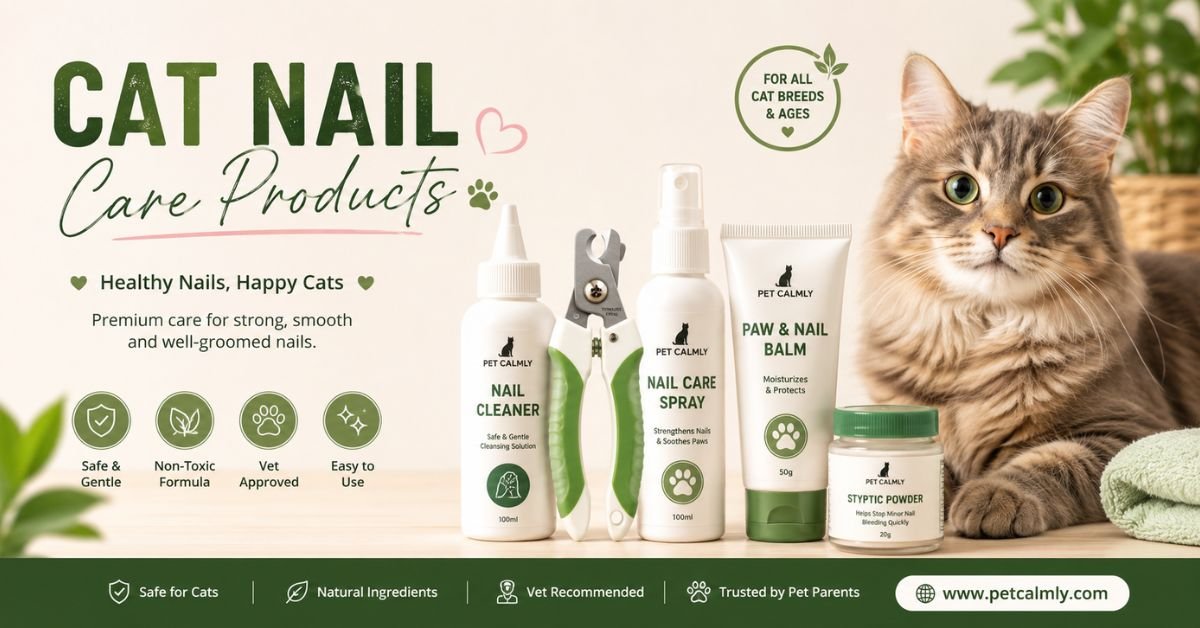
Cat nail care products include nail clippers, nail grinders designed for pets, scratching posts, nail caps, styptic powder, grooming towels, and paw-safe treats that make trimming easier. The right products help keep your cat’s claws healthy, reduce accidental scratches, protect furniture, and prevent painful overgrown nails. Choose tools based on your cat’s age, temperament, and nail thickness, and introduce them gradually with positive reinforcement for the best results.
Cat Nail Care Products: Everything You Need for Healthy, Happy Paws
Keeping your cat’s nails healthy is about much more than preventing scratches on your furniture. Healthy claws allow cats to climb, stretch, balance, defend themselves when necessary, and perform natural behaviors that support both physical and mental well-being.
Many cat owners feel nervous about trimming nails because they’re afraid of hurting their pet. That’s completely understandable. Fortunately, modern cat nail care products are designed to make the process safer, easier, and far less stressful for both cats and their owners.
Whether you’ve recently adopted your first kitten or you’re caring for a senior cat whose nails no longer wear down naturally, having the right grooming supplies can make routine nail care a simple part of your regular pet care routine.
In this guide, you’ll learn:
- Which cat nail care products are actually worth buying
- How each product works
- Which tools beginners should choose
- Safety tips for trimming nails at home
- Common mistakes to avoid
- How to build a low-stress grooming routine your cat can accept
By the end, you’ll know exactly what belongs in a complete cat nail care kit and how to use each item confidently.
Why Regular Cat Nail Care Matters
Cats naturally maintain their claws by scratching rough surfaces. In the wild, climbing trees and walking on different terrain help wear nails down.
Indoor cats, however, often don’t wear their claws down enough. This can lead to nails becoming too long, sharp, or even curling into the paw pad.
Regular nail maintenance helps prevent:
- Painful overgrown nails
- Torn claws
- Broken nails
- Nails catching on carpets
- Damage to furniture
- Accidental scratches during play
- Difficulty walking in older cats
Routine trimming also allows you to inspect your cat’s paws for cuts, swelling, infections, or foreign objects before they become serious problems.
Understanding Your Cat’s Claws
Before buying grooming products, it’s helpful to understand how a cat’s claws work.
Unlike human fingernails, cat claws are:
- Curved
- Retractable
- Constantly growing
- Made of layers that naturally shed
Inside every claw is a sensitive area called the quick, which contains blood vessels and nerves.
Cutting into the quick is painful and causes bleeding. That’s why choosing quality trimming tools—and knowing how to use them is so important.
Healthy nail care always means trimming only the sharp tip.
Essential Cat Nail Care Products Every Owner Should Have
You don’t need dozens of grooming tools. A small collection of well-made products is usually enough for years of safe nail care.
Cat Nail Clippers
Nail clippers are the foundation of every grooming kit.
They’re specifically designed to cut small animal nails cleanly without crushing them.
Good clippers provide:
- Sharp stainless-steel blades
- Comfortable grip
- Easy control
- Smooth cutting action
- Reduced splitting
There are several styles available.
Scissor-Style Clippers
These resemble small scissors.
Best for:
- Adult cats
- Beginners
- Medium-sized claws
Advantages:
- Easy handling
- Precise cuts
- Comfortable grip
Potential downside:
Some larger models may feel bulky for kittens.
Guillotine Clippers
These feature a small opening where the claw slides through before trimming.
Advantages:
- Compact
- Quick trimming
Disadvantages:
- Harder to see exactly where you’re cutting
- Less suitable for nervous beginners
Plier-Style Clippers
These are commonly used for both cats and small dogs.
Benefits include:
- Strong cutting power
- Ergonomic handles
- Better leverage
They’re ideal for thicker claws or large cats.
Cat Nail Grinders
Some owners prefer nail grinders instead of clippers.
Rather than cutting the nail, a grinder gently files it shorter.
Benefits include:
- Smooth nail edges
- Lower risk of splitting
- Rounded finish
- Gradual trimming
However, not every cat enjoys the vibration or sound.
For anxious cats, introducing a grinder slowly over several days usually works better than trying it immediately.
Scratching Posts
A scratching post isn’t just furniture protection it’s one of the most effective natural nail care products available.
Scratching helps cats:
- Remove old nail layers
- Stretch muscles
- Exercise shoulders
- Mark territory
- Reduce stress
Look for sturdy scratching posts that don’t wobble.
Popular materials include:
- Sisal rope
- Natural wood
- Corrugated cardboard
- Carpet-free scratching surfaces
Tall vertical posts allow cats to fully stretch, while horizontal scratchers appeal to cats who prefer scratching the floor.
Many households benefit from offering both.
Cat Nail Caps
Nail caps are small vinyl covers that glue onto trimmed claws.
They’re commonly used when:
- A cat scratches furniture
- There are young children in the home
- Elderly family members have delicate skin
- Cats accidentally scratch during play
Nail caps do not prevent cats from extending or retracting their claws.
They simply cover the sharp point.
Most last four to six weeks before naturally falling off as the nail grows.
Styptic Powder
Even experienced owners occasionally trim too close.
Styptic powder quickly stops minor bleeding if the quick is accidentally nicked.
Every home grooming kit should include it.
Although careful trimming usually prevents injuries, having styptic powder nearby provides peace of mind.
Grooming Towels
Some cats relax when gently wrapped in a soft towel.
This technique often called a “kitty burrito” helps reduce movement without causing fear when done gently.
A grooming towel can:
- Improve safety
- Prevent sudden jumps
- Reduce scratches
- Make trimming quicker
Never wrap a cat so tightly that breathing becomes restricted.
Paw Cleaning Wipes
Healthy nails start with healthy paws.
Pet-safe paw wipes help remove:
- Dirt
- Dust
- Litter residue
- Mud
- Allergens
Clean paws also make nail inspections much easier.
Avoid wipes containing alcohol, artificial fragrances, or harsh chemicals.
Nail Files
After trimming, some owners gently smooth sharp edges using a pet nail file.
This is especially useful if:
- Nails splinter easily
- The clipped edge feels rough
- The cat frequently snags blankets
Filing should only require a few gentle strokes.
Treats for Positive Reinforcement
Treats may not seem like nail care products, but they’re among the most valuable tools you can buy.
Positive reinforcement teaches your cat that grooming predicts good things.
Many successful grooming sessions follow this simple pattern:
- Touch paw
- Reward
- Handle nail
- Reward
- Trim one nail
- Reward
Over time, most cats become much more cooperative.
What Makes a Good Cat Nail Care Product?
Not every grooming tool offers the same quality.
When shopping, prioritize products that are:
Safe
Sharp blades reduce crushing and splitting.
Comfortable
Ergonomic handles improve control.
Durable
Stainless steel lasts longer and resists rust.
Easy to Clean
Smooth materials help prevent bacteria buildup.
Cat-Specific
Dog nail clippers are often too large for feline claws.
How to Choose the Best Cat Nail Care Products
The ideal grooming kit depends on your cat’s personality.
For Kittens
Choose:
- Small clippers
- Lightweight tools
- Soft treats
- Small scratching post
Early handling builds lifelong grooming confidence.
For Nervous Cats
Helpful products include:
- Quiet nail grinder
- Grooming towel
- High-value treats
- Pheromone diffuser (if recommended by your veterinarian)
- Comfortable grooming mat
Take breaks instead of forcing the process.
For Senior Cats
Older cats often need more frequent nail care because they’re less active.
Helpful products include:
- Sharp clippers
- Bright grooming light
- Paw wipes
- Nail file
- Soft blanket
Older cats may have thicker nails that require slower trimming.
For Multi-Cat Homes
Consider buying:
- Multiple scratching posts
- Extra nail clippers
- Backup styptic powder
- Separate grooming towels
Sharing is fine, but having dedicated supplies makes regular maintenance easier.
Must-Have vs. Nice-to-Have Cat Nail Care Products
| Must-Have | Nice-to-Have |
|---|---|
| Nail clippers | Nail grinder |
| Scratching post | Nail file |
| Treats | Grooming mat |
| Styptic powder | Paw wipes |
| Soft towel | Nail caps |
| Good lighting | Storage organizer |
If you’re just getting started, focus on the essentials first. You can always expand your grooming kit later as your confidence grows.
Signs Your Cat Needs a Nail Trim
Many owners wait until nails become noticeably sharp, but there are earlier signs to watch for.
Your cat may need a trim if you notice:
- Nails clicking on hard floors
- Claws catching on blankets or carpet
- Curved nail tips becoming longer
- Accidental scratches during gentle play
- Nails visible even when your cat is relaxed
- Difficulty retracting the claws completely
Checking your cat’s paws every two to four weeks can help you catch these signs before overgrown nails become uncomfortable.
Step-by-Step Guide to Using Cat Nail Care Products Safely
Buying the best cat nail care products is only half the job. Knowing how to use them correctly is what keeps your cat comfortable and helps nail trimming become a routine instead of a struggle.
The goal isn’t to trim every nail perfectly in one sitting. It’s to create calm, positive experiences that build trust over time.
Prepare Before You Trim Your Cat’s Nails
A few minutes of preparation can make the entire session smoother.
Gather everything you’ll need before bringing your cat over:
- Cat nail clippers
- Styptic powder
- Soft towel
- High-value treats
- Good lighting
- A comfortable chair or table
- Paw wipes (optional)
Choose a quiet room without loud noises, children running around, or other pets causing distractions.
Many cats are calmer after:
- Playing with a toy
- Eating a meal
- Waking up from a nap
Avoid trimming immediately after exciting play sessions when your cat is full of energy.
Create a Calm Environment
Cats notice changes in their surroundings. A stressful environment often leads to a stressful grooming session.
Before handling your cat:
- Speak softly.
- Move slowly.
- Avoid sudden grabbing.
- Let your cat sniff the grooming tools.
- Offer a few treats.
If your cat seems tense, spend a few minutes gently petting them before touching their paws.
Building a positive association is more important than finishing quickly.
How to Trim Your Cat’s Nails Step by Step
Step 1: Get Your Cat Comfortable
Place your cat in your lap or on a stable surface.
Some cats prefer sitting upright, while others feel safer lying on a blanket.
Don’t force a position that makes them uncomfortable.
Step 2: Handle One Paw
Hold one paw gently.
Massage the paw pads for several seconds.
If your cat stays relaxed, reward them immediately.
If they pull away, let go and try again later.
Step 3: Extend the Claw
Press gently on the top and bottom of the toe.
The claw will slide outward naturally.
There’s no need to squeeze hard.
Step 4: Find the Quick
Look carefully before trimming.
On light-colored nails, the quick appears as a pink area inside the claw.
On dark nails, trim only the thin hooked tip.
When unsure, remove less rather than more.
It’s always safer to make several tiny trims than one large cut.
Step 5: Trim the Tip
Using your cat nail clippers:
- Cut only the sharp curved end.
- Use one smooth motion.
- Avoid crushing the nail.
- Keep the blades sharp.
Most cats only need one to two millimeters removed.
Step 6: Reward Immediately
Offer praise and a favorite treat after every nail or every paw.
Positive reinforcement helps your cat remember that nail trimming leads to something enjoyable.
How Often Should You Trim Cat Nails?
Every cat is different.
A general guideline is:
| Cat Type | Typical Nail Trim Schedule |
|---|---|
| Kittens | Every 2–3 weeks |
| Healthy adult indoor cats | Every 3–4 weeks |
| Outdoor cats | Check monthly; trim only if needed |
| Senior cats | Every 2–4 weeks |
| Cats with mobility issues | More frequent checks, as advised by your veterinarian |
Rather than relying only on the calendar, inspect your cat’s nails regularly.
How to Introduce New Cat Nail Care Products
Some cats accept new tools immediately, while others need time.
Follow a gradual approach:
Day 1
Place the clippers near your cat.
Allow them to sniff the tool.
Reward curiosity.
Day 2
Touch the clippers to one paw without trimming.
Give treats.
Day 3
Handle the paws for a few seconds.
Reward calm behavior.
Day 4
Trim one nail.
Reward generously.
Following Days
Gradually increase the number of nails trimmed as your cat becomes more comfortable.
This slow introduction often works better than attempting a full trim on the first day.
Using a Cat Nail Grinder
Some owners prefer grinders because they smooth the nail instead of clipping it.
If using one:
- Let your cat hear the grinder while it’s off.
- Turn it on several feet away.
- Reward calm behavior.
- Briefly touch the grinder to one nail.
- Keep grinding sessions very short.
Avoid holding the grinder on one nail for too long, as friction can create heat and discomfort.
How to Use Nail Caps Correctly
Nail caps can be helpful for cats that accidentally scratch people or damage furniture.
To apply them safely:
- Trim the nails first.
- Choose the correct cap size.
- Fill the cap with a small amount of pet-safe adhesive.
- Slide the cap gently onto the nail.
- Hold the paw for a few seconds until the adhesive sets.
Never force a cap onto a nail that is too large or too small.
Check the caps regularly to ensure they remain secure and don’t interfere with normal movement.
How Scratching Posts Support Nail Health
Scratching is a natural behavior, not bad behavior.
A quality scratching post helps:
- Remove old nail sheaths.
- Stretch muscles.
- Strengthen shoulders.
- Reduce boredom.
- Relieve stress.
Place scratching posts in areas your cat already enjoys, such as:
- Near sleeping spots
- By windows
- Along common walking paths
- Close to favorite resting places
If your cat ignores a new post, try sprinkling catnip on it or rewarding them when they use it.
5 Common Nail Care Mistakes to Avoid
Even caring owners can make mistakes.
Here are some of the most common ones.
1: Waiting Too Long Between Trims
Overgrown nails can:
- Curl inward
- Break more easily
- Catch on fabric
- Cause discomfort while walking
Regular maintenance is easier than correcting severely overgrown nails.
2: Cutting Too Much
Removing too much nail can injure the quick.
Always trim conservatively.
If you’re uncertain, trim less.
3: Using Dull Clippers
Dull blades may:
- Crush the nail
- Cause splintering
- Make trimming uncomfortable
Replace clippers when they no longer produce clean cuts.
4: Rushing the Process
Trying to trim all nails quickly often creates stress.
It’s perfectly acceptable to trim:
- Two nails today
- Three tomorrow
- The rest later
Progress is more important than speed.
5: Punishing Your Cat
Never yell, scold, or punish your cat during grooming.
Doing so can create long-lasting fear and make future sessions much harder.
Instead:
- Stay calm.
- End the session if needed.
- Try again later.
Signs Your Cat Is Becoming Too Stressed
Watch your cat’s body language.
Signs of increasing stress include:
- Flattened ears
- Dilated pupils
- Rapid tail flicking
- Growling
- Hissing
- Heavy breathing
- Trying to hide
- Swatting
- Biting
If you notice these signs, pause the session and allow your cat to relax before trying again another day.
What If You Accidentally Cut the Quick?
It happens, even to experienced pet owners.
Stay calm.
Follow these steps:
- Apply styptic powder to the bleeding nail.
- Use gentle pressure if needed.
- Comfort your cat with a calm voice.
- Offer treats once the bleeding stops.
- End the grooming session if your cat seems frightened.
Minor bleeding usually stops within a few minutes.
If bleeding continues, or if the nail appears badly damaged, contact your veterinarian promptly.
When Cat Nail Problems Need Veterinary Attention
Routine grooming helps prevent many issues, but some situations require professional care.
Contact your veterinarian if you notice:
- A nail torn close to the toe
- Persistent bleeding
- Swelling around the nail
- Redness or discharge
- A foul odor from the paw
- Limping that lasts more than a day
- Nails growing into the paw pad
- Sudden refusal to bear weight on a paw
Prompt treatment can prevent infections and relieve pain.
A Simple Monthly Cat Nail Care Checklist
Use this checklist to stay on top of your cat’s paw health:
- ✔ Inspect each paw for injuries.
- ✔ Check nail length.
- ✔ Trim sharp tips if needed.
- ✔ Look for cracked or split nails.
- ✔ Examine paw pads for cuts or swelling.
- ✔ Clean dirty paws with pet-safe wipes.
- ✔ Inspect scratching posts for wear.
- ✔ Replace dull grooming tools when necessary.
- ✔ Reward your cat after every grooming session.
Consistent, gentle care helps make nail trimming a routine your cat can tolerate and sometimes even accept willingly.
Special Nail Care Tips for Every Stage of Your Cat’s Life
Not every cat has the same grooming needs. Age, activity level, health, and lifestyle all influence how often you’ll need to use your cat nail care products and which tools work best.
Adapting your nail care routine to your cat’s unique needs can make grooming safer, easier, and more comfortable for both of you.
Cat Nail Care Products for Kittens
Kittens have tiny, sharp claws that seem to grow overnight. Although their nails are softer than an adult cat’s, regular handling from a young age helps create positive grooming habits.
Tips for Grooming Kittens
- Start touching their paws during daily cuddle sessions.
- Keep grooming sessions under five minutes.
- Trim only the very tip of each nail.
- Reward every successful interaction with praise or treats.
- Use kitten-sized nail clippers for better control.
Early, gentle exposure often leads to a lifetime of easier nail care.
Nail Care for Adult Indoor Cats
Indoor cats typically need the most consistent nail maintenance because they don’t naturally wear their claws down on rough outdoor surfaces.
A healthy routine includes:
- Inspecting nails every two to four weeks
- Providing multiple scratching options
- Trimming sharp tips as needed
- Checking paw pads during grooming sessions
Rotating different scratching surfaces, such as sisal, cardboard, and wood, encourages natural scratching behavior and supports healthy claws.
Nail Care for Outdoor Cats
Outdoor cats naturally wear their nails through climbing, digging, and walking on different surfaces.
However, they still benefit from regular inspections.
Check for:
- Broken claws
- Cracked nails
- Splinters
- Torn dewclaws
- Embedded debris
Avoid over-trimming outdoor cats, as they rely on their claws for climbing and self-protection.
Senior Cats Need Extra Attention
As cats age, they often become less active, which means their nails wear down more slowly.
Senior cats are also more likely to develop:
- Thickened nails
- Brittle claws
- Overgrown dewclaws
- Reduced flexibility that limits natural scratching
Check their paws every two weeks and trim small amounts regularly rather than waiting until nails become excessively long.
If your senior cat has arthritis or another mobility issue, ask your veterinarian for guidance on safe handling techniques.
Nail Care for Cats With Special Needs
Some cats need extra support during grooming.
This includes cats with:
- Arthritis
- Obesity
- Vision loss
- Neurological conditions
- Chronic illness
- Anxiety
For these cats:
- Keep sessions short.
- Groom in a quiet room.
- Support their body comfortably.
- Avoid forcing uncomfortable positions.
- Stop if your cat shows signs of pain.
In some cases, your veterinarian may recommend a professional groomer or demonstrate safe restraint techniques.
Maintaining Your Cat Nail Care Products
Quality grooming tools last longer when properly maintained.
Clean Clippers After Every Use
After trimming:
- Wipe blades with a clean cloth.
- Remove nail debris.
- Dry thoroughly.
- Store in a dry place.
This helps prevent rust and keeps the blades working smoothly.
Sharpen or Replace Dull Clippers
Sharp blades make cleaner cuts and reduce discomfort.
Replace clippers if they:
- Crush nails
- Leave rough edges
- Feel difficult to close
- Show signs of rust or damage
Store Products Safely
Keep your grooming supplies together in a small container or pouch.
A well-organized kit should include:
- Nail clippers
- Styptic powder
- Nail file
- Treats
- Paw wipes
- Grooming towel
Having everything ready makes routine grooming much easier.
How to Build a Stress-Free Nail Care Routine
Cats thrive on consistency. A predictable routine can turn nail trimming from a dreaded event into a normal part of life.
A simple monthly routine might look like this:
Week 1
Inspect paws and nails.
Week 2
Trim nails if needed.
Week 3
Check scratching posts for wear.
Week 4
Inspect paws again and reward calm handling.
Short, positive sessions are usually more successful than infrequent, lengthy grooming sessions.
Frequently Asked Questions
1. What are the best cat nail care products for beginners?
Start with a high-quality pair of cat nail clippers, a sturdy scratching post, styptic powder, and tasty treats for positive reinforcement. These essentials cover the needs of most healthy cats.
2. How often should I trim my cat’s nails?
Most indoor cats benefit from a nail trim every three to four weeks. Kittens and senior cats may need more frequent checks because their nails can grow quickly or wear down more slowly.
3. Are nail grinders better than clippers?
Neither option is universally better. Clippers are faster and work well for most cats, while grinders create smoother nail edges. The best choice depends on your cat’s comfort level and your confidence using the tool.
4. Are nail caps safe for cats?
When applied correctly and fitted properly, nail caps are generally safe for healthy cats. They should be checked regularly and replaced as the nails grow. They should never be used on infected or injured nails without veterinary advice.
5. What should I do if my cat refuses nail trimming?
Take a gradual approach. Handle your cat’s paws daily, introduce grooming tools slowly, reward calm behavior, and trim only one or two nails at a time if necessary. Patience usually produces better long-term results than trying to finish everything in one session.
6. Can scratching posts replace nail trimming?
No. Scratching posts help remove the outer nail sheath and satisfy natural scratching instincts, but they don’t always keep nails short enough. Most indoor cats still require regular nail inspections and occasional trimming.
Common Myths About Cat Nail Care Products
Myth: Cats Never Need Their Nails Trimmed
Reality: Many indoor cats don’t naturally wear their nails down enough, making regular trims beneficial.
Myth: Scratching Means Your Cat Has Bad Habits
Reality: Scratching is a normal, healthy behavior that helps maintain claws, stretch muscles, and communicate through scent marking.
Myth: Trimming Nails Is Painful
Reality: When only the sharp tip is trimmed and the quick is avoided, nail trimming should not be painful.
Myth: Older Cats Don’t Need Nail Care
Reality: Senior cats often need more frequent nail checks because reduced activity can lead to overgrown claws.
Key Takeaways
Healthy nails contribute to your cat’s comfort, mobility, and overall well-being. Choosing the right cat nail care products and using them consistently can prevent many common claw problems before they start.
Remember these essentials:
- Invest in quality cat-specific nail clippers.
- Provide sturdy scratching posts to encourage natural claw maintenance.
- Introduce new grooming tools gradually.
- Trim only the sharp tip of each nail.
- Keep styptic powder on hand for minor accidents.
- Watch for signs of pain, infection, or overgrown nails.
- Reward your cat after every grooming session to build positive associations.
With patience and the right approach, nail care can become a calm, routine part of caring for your feline companion.
More Information About Pets, Please Visit Our Website: What Kind of Soap Is Safe for Kittens?
Conclusion
Caring for your cat’s nails doesn’t have to be stressful or intimidating. The right cat nail care products, combined with gentle handling and consistent routines, can make grooming easier while supporting your cat’s long-term health and comfort.
Whether you’re trimming a playful kitten’s tiny claws or helping a senior cat with slower-growing, thicker nails, focusing on safety and patience will always lead to better results. Regular nail care not only protects your furniture and skin from accidental scratches but also helps prevent painful conditions such as overgrown or broken claws.
Most importantly, remember that every cat is different. Some will happily sit through a full grooming session, while others need several short sessions spread over a few days. Respecting your cat’s comfort level and using positive reinforcement will strengthen your bond and make future nail care much more manageable.
By building a simple grooming routine and keeping your nail care tools clean and ready, you’ll be giving your cat one more important piece of lifelong preventive care.