
Short direct answer
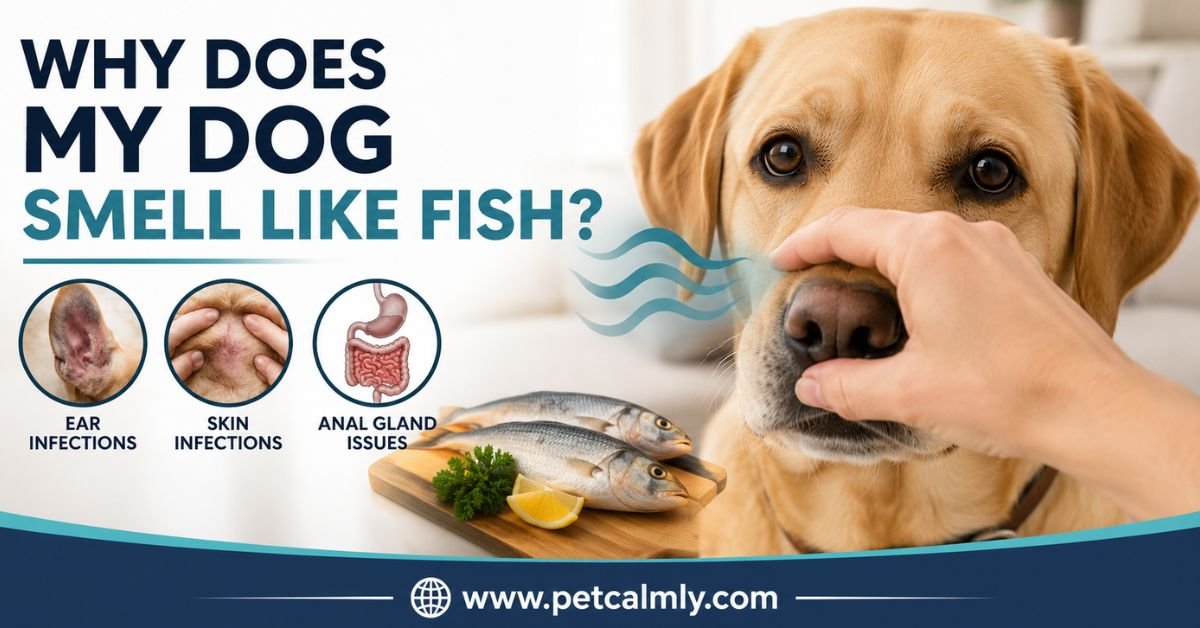
That fishy smell coming from your dog isn’t just unpleasant it’s usually your dog’s body sending a signal that something needs attention. The most common culprit is impacted anal glands, but fish-scented odor can also point to dental problems, ear infections, skin issues, or dietary factors. The good news? Once you understand what’s causing it, you can take action to help your dog feel better and get rid of the smell.
Let’s walk through the most likely causes, what they mean, and exactly what you should do about them.
What Causes Fish Smell on Dogs? The Main Reasons
Anal Glands and That Distinctive Fishy Odor
Your dog has two small glands on either side of the rectum that naturally release a fishy-scented fluid when your dog poops. This is completely normal it’s how dogs mark territory and communicate with other dogs. Think of it as a scent signature.
Here’s where problems happen: sometimes these glands don’t empty properly on their own. The fluid builds up inside the gland, creating pressure and discomfort. When this happens, you’ll often notice:
- A persistent fishy smell that seems to come from your dog’s rear end
- Your dog scooting their bottom along the carpet or grass
- Excessive licking or biting at their rear end
- A visible lump or swelling near the anus
- Your dog sitting uncomfortably or having trouble with bowel movements
This is called anal gland impaction, and it’s incredibly common in dogs especially smaller breeds, senior dogs, and dogs with soft or inconsistent stools. The fishy odor happens because the fluid inside the gland becomes concentrated and more pungent over time.
If your dog has these signs, your vet can express the glands (empty them manually), which immediately relieves the pressure and usually eliminates the smell. Some dogs need this done regularly every 4 to 12 weeks depending on their individual anatomy and diet.
Poor Dental Health and Mouth Odor
Sometimes what smells like “fish” is actually bad breath, and the odor gets amplified because it’s coming from inside your dog’s mouth, which gets warm and moist when they breathe.
Dogs with dental problems often have a strong, unpleasant fishy or sulfurous smell that seems to come from their head and neck area. Untreated dental disease can lead to:
- Plaque and tartar buildup on teeth
- Gum inflammation or infection
- Tooth decay and loose teeth
- Bacterial infections in the mouth and bloodstream
If you notice the smell is strongest near your dog’s mouth, or if your dog has:
- Difficulty eating or loss of appetite
- Drooling more than usual
- Visible tartar on teeth
- Swollen or red gums
- Brown or discolored teeth
These are signs of dental disease that definitely needs veterinary attention. Professional cleaning can resolve the odor and protect your dog’s overall health dental infections can spread to the heart, kidneys, and liver if left untreated.
Ear Infections and Yeast Overgrowth
A musty, fishy smell coming from your dog’s ears usually indicates a yeast or bacterial infection. Dogs’ ears create a warm, moist environment that yeast loves, and it often produces that distinctive fishy or corn-chip-like odor (which vets call “Frito paws” when it affects the feet).
Signs your dog might have an ear infection:
- Frequent head shaking or tilting
- Scratching or pawing at the ears
- Red, swollen ear flaps or discharge inside the ears
- A waxy or crusty buildup in the ear canal
- Unusual odor coming specifically from the ears
- Sensitivity when their ears are touched
Ear infections are usually caused by allergies, moisture trapped in floppy ears, or an overgrowth of bacteria or yeast. Dogs with droopy ears (like Cocker Spaniels, Basset Hounds, or Labrador Retrievers) are particularly prone to these infections because air can’t circulate as easily inside the ear canal.
Your vet can identify what’s causing the infection (bacterial, yeast, or both) and recommend appropriate treatment, which usually clears up the smell within a couple of weeks.
Skin Infections and Bacterial or Yeast Problems
When bacteria or yeast overgrow on your dog’s skin, they create oils and byproducts that can smell distinctly fishy or musty. This often happens in skin folds, between the toes, or in areas where your dog sweats (yes, dogs do sweat—through their paw pads).
Your dog might have a skin infection if you notice:
- Red, inflamed skin patches
- Excessive scratching, licking, or chewing at specific areas
- Greasy or oily-looking coat
- Flaking or scaly skin
- Odor that comes from the body rather than the breath or rear end
- Secondary hair loss from licking and scratching
Skin infections often start when your dog’s natural skin barrier is compromised by allergies, humidity, poor grooming, or tight or damp clothing. Once the barrier is damaged, bacteria and yeast colonize more easily.
Treatment usually involves medicated shampoos, topical antifungal or antibacterial treatments, and addressing the underlying cause (like managing allergies or keeping skin folds dry). Your vet can take a skin scraping or culture to identify exactly what’s growing on your dog’s skin and recommend the most effective treatment.
Diet and Digestive Issues
What your dog eats affects how they smell it’s that simple. Some dogs break down certain proteins or fats poorly, and the byproducts come out through their skin, breath, or stool, creating a fishy or unpleasant odor.
Dogs fed low-quality diets with excessive fillers, artificial ingredients, or poor protein sources often have stronger body odors. Similarly, some dogs are sensitive to specific ingredients like chicken, beef, or fish itself ironically, fish-based dog foods or treats can make some dogs smell more fishy.
Digestive upset (even mild) can also create an unpleasant, fishy smell. If your dog has:
- Loose stools or diarrhea
- Excessive gas
- Bloating or stomach discomfort
- A dull coat
- Body odor that improves after switching foods
These signs point to digestive sensitivity. Switching to a higher-quality, limited-ingredient diet or working with your vet or a veterinary nutritionist to identify trigger foods can make a huge difference in how your dog smells and feels.
How to Identify Which Cause Is Affecting Your Dog
The location and quality of the smell gives you big clues about what’s happening:
Fishy smell from the rear end = Most likely anal glands Bad breath or smell from the mouth area = Dental problems Musty or fishy smell from the ears = Ear infection Overall body odor, worse in skin folds = Skin infection or yeast Generalized smell that varies day-to-day = Diet or digestive issues
Pay attention to any other symptoms your dog is showing. Are they scooting? Scratching? Shaking their head? Losing appetite? The combination of smell plus other signs will help you and your vet narrow down the cause quickly.
What Should You Do Right Now?
Step 1: Schedule a Vet Visit
If the fishy smell is new or persistent, schedule an appointment with your vet. This isn’t an emergency situation in most cases, but it does need professional evaluation. Your vet can:
- Express anal glands if needed
- Check your dog’s teeth and mouth
- Look inside the ears
- Examine the skin
- Take a history about diet and digestive health
- Rule out any underlying medical issues
Bring notes about when you first noticed the smell, what areas smell the strongest, and whether your dog shows any other symptoms. This information helps your vet zero in on the cause.
Step 2: Improve Grooming Habits
While you’re waiting for or after your vet visit, good grooming can help manage the smell and keep your dog more comfortable:
For anal gland health:
- Make sure your dog has enough fiber in their diet to produce firm stools (which naturally express the glands during bowel movements)
- Regular exercise helps, too
For overall odor reduction:
- Bathe your dog every 2-4 weeks with a quality dog shampoo (more frequent bathing can dry out the skin)
- Dry thoroughly, especially in skin folds and ears
- Brush regularly to remove dead skin and hair, which trap odor
For ear health:
- Keep ears dry after bathing
- Gently wipe inside ears with a damp cloth if your dog allows it
- Trim hair inside ear flaps if needed
- Use vet-recommended ear cleaner only if advised
Step 3: Consider Diet Changes (With Vet Approval)
If digestive issues or dietary sensitivity seem to be the culprit, work with your vet to:
- Switch to a higher-quality diet with named meat proteins
- Try a limited-ingredient diet to identify trigger foods
- Add a prebiotic or probiotic to support gut health
- Increase fiber if constipation or soft stools are problems
- Ensure adequate hydration
Never make drastic diet changes all at once; transition gradually over 7-10 days to avoid digestive upset.
Step 4: Manage Underlying Allergies
If your dog has allergies (food, environmental, or contact), managing them helps prevent secondary skin and ear infections that cause odor. This might involve:
- Switching to hypoallergenic shampoos
- Using paw wipes after outdoor walks
- Wiping your dog’s coat with a damp cloth to remove allergens
- Working with your vet on allergy management
- In some cases, anti-itch medications or supplements
When Should You Be Concerned?
Fishy smell alone isn’t usually a medical emergency, but you should contact your vet promptly if your dog also shows:
- Difficulty walking or limping
- Fever or lethargy
- Loss of appetite
- Vomiting or diarrhea lasting more than a day or two
- Blood in stool
- Inability to urinate or defecate
- Severe swelling or discharge from the anal area
These signs suggest infection, inflammation, or complications that need professional attention beyond just a grooming fix.
Also contact your vet if:
- The smell is severe and came on suddenly
- Your dog seems to be in pain
- Self-care measures haven’t improved things within a week
- The problem keeps recurring (indicating a chronic issue that needs management)
Prevention: Keep Your Dog Smelling Fresh
Maintain Healthy Anal Glands
- Feed a high-quality diet with adequate fiber
- Ensure regular exercise and opportunities to poop
- Keep your dog at a healthy weight (obesity increases gland problems)
- Watch for early signs of impaction (scooting, licking, discomfort)
- Some dogs benefit from adding a fiber supplement to their diet (ask your vet)
Support Dental Health
- Brush teeth 3-4 times per week, ideally daily (yes, you really can train a dog to accept this)
- Offer dental chews designed to reduce plaque
- Feed dry kibble or dental-specific foods when possible
- Schedule professional cleanings as recommended by your vet
- Monitor for tartar buildup or bad breath as early warning signs
Keep Ears Healthy
- Dry ears thoroughly after bathing or swimming
- Trim excess hair inside ear flaps if your dog has floppy ears
- Wipe ears with a soft cloth if they get wet
- Avoid inserting anything deep into the ear canal yourself
- Use vet-recommended ear cleaner if your dog is prone to infections
Support Healthy Skin
- Bathe your dog on a regular schedule with quality shampoo
- Dry skin thoroughly after bathing, especially in folds
- Keep your dog’s weight in a healthy range (extra weight creates more skin folds and moisture)
- Manage allergies proactively
- Brush regularly to improve circulation and remove dead skin
- Ensure adequate omega fatty acids in diet for skin and coat health
Feed for Better Digestion
- Choose a high-quality dog food with named meat proteins
- Avoid foods with excessive fillers or artificial ingredients
- Feed consistent portions at consistent times
- Provide fresh water daily
- Monitor your dog’s digestion and stool quality
- Consider probiotics if your dog has sensitive digestion
- Gradually transition to new foods over 7-10 days
Common Mistakes Dog Owners Make
Over-bathing. Frequent bathing strips natural oils from your dog’s skin, which can actually make odor worse and lead to skin problems. Most dogs only need bathing every 2-4 weeks unless they’re particularly active or dirty.
Ignoring early signs. Scooting, ear scratching, and mild odor are your dog’s way of saying something’s not right. Addressing these early prevents bigger problems.
Assuming it’s normal. While some dog odor is normal, fish-scented odor isn’t. It’s a sign something needs attention, not something to ignore.
Using human hygiene products. Never use human shampoo, deodorant, or fragrance on your dog. Their skin has a different pH balance, and these products can damage the skin barrier.
Relying on fragrances instead of fixing the cause. Dog perfumes, sprays, and heavily scented products mask the problem but don’t solve it. Focus on the underlying cause instead.
Skipping dental care. Dental disease is incredibly common in dogs, and preventing it saves money and keeps your dog healthier. Don’t wait until there’s a problem.
More Information About Pets, Please Visit Our Website: Why Does My Dog Keep Sneezing?
Why Is My Dog Scratching So Much?
Why Is My Dog Not Eating His Food But Will Eat Treats?
Dog Sleeping Positions Meaning
Why Do Dogs Shake Their Bodies
Can Dogs Eat Tuna Fish?
Can Dogs Eat Watermelon?
Frequently Asked Questions
1: Is fish smell on my dog normal?
Not really. While all dogs have a mild, natural scent, a distinct fishy smell usually indicates anal gland impaction, dental problems, ear infections, or another issue that needs attention. It’s your dog’s way of communicating something’s wrong. Get it checked out by your vet.
2: Can I express my dog’s anal glands at home?
Technically yes, but most vets recommend against it unless you’ve been trained. If done incorrectly, you can rupture the gland or cause pain and infection. Your vet can show you the correct technique if your dog needs it done regularly, but professional expression is safest. Some groomers also offer this service.
3: How often do dogs need anal gland expression?
This varies. Many dogs never need manual expression if they eat a high-fiber diet and have regular, firm bowel movements. Others might need it every 4-12 weeks. Your vet can assess your individual dog’s needs and recommend a schedule.
4: Will changing my dog’s food help with the smell?
It depends on the cause. If the smell is related to digestive sensitivity or poor diet quality, switching to a higher-quality food can help significantly. If the smell is from anal glands, ear infections, or dental problems, diet changes alone won’t fix it—but they may help prevent recurrence. Always consult your vet before making major diet changes.
5: Is anal gland smell dangerous?
The smell itself isn’t dangerous, but impacted anal glands can become infected or rupture if left untreated, which is painful and does require emergency care. Regular preventive care (high-fiber diet, exercise, weight management) keeps problems from developing.
6: What’s the fastest way to get rid of the fishy smell?
If it’s anal gland impaction, professional expression by your vet provides almost immediate relief. For other causes (dental, ear, skin), the underlying problem needs to be treated first improvements in smell usually follow within 1-3 weeks. In the meantime, regular bathing and grooming help manage the odor.
Conclusion
That fishy smell is your dog’s way of telling you something needs attention. In most cases, it’s a simple, treatable issue impacted anal glands, dental disease, an ear infection, or a skin problem. None of these are emergencies, but all of them benefit from prompt attention.
Start with a vet visit. Your vet can identify the exact cause in minutes and recommend the right treatment. Then follow up with the prevention strategies above a healthy diet, regular grooming, and good preventive care to keep the smell from coming back.
Your dog will feel better, and your home will smell fresher. That’s a win for everyone.