Short direct answer
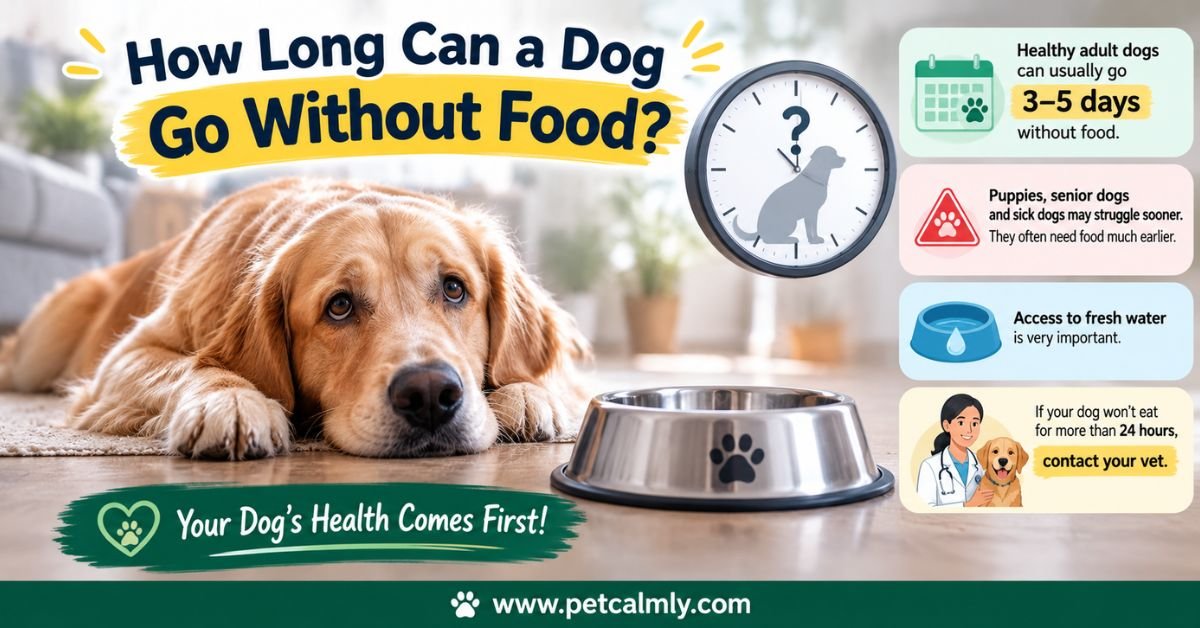
A healthy adult dog can survive approximately 5 to 7 days without food, depending on their age, weight, health status, and access to water. However, this doesn’t mean your dog should go that long without eating. Most dogs begin showing signs of malnutrition and physical decline within just 2 to 3 days. Puppies, senior dogs, small breeds, and dogs with existing health conditions are at much higher risk and can deteriorate faster sometimes within 24 to 48 hours. The real concern isn’t whether your dog can survive; it’s preventing the suffering and organ damage that comes with prolonged food deprivation.
Why Dog Owners Worry About This (And When You Should)
If you’re searching for this answer, you’re probably experiencing one of several scenarios: your dog has suddenly stopped eating, you’re concerned about an upcoming travel situation, your pet accidentally got locked in a room without access to food, or you’re simply trying to understand your dog’s nutritional needs during an emergency.
The anxiety is real, and it’s actually a sign you care deeply about your dog’s wellbeing.
What’s important to understand is that the timeframe a dog can survive without food exists on a spectrum. Your healthy three-year-old Labrador Retriever has more reserves than a 12-year-old Chihuahua with kidney disease. A dog with regular meals and good body condition will hold up differently than a malnourished rescue dog. And critically, the absence of water—not food—becomes life-threatening much faster, typically within 3 to 5 days.
Let’s dig into the real factors that determine how long your individual dog can go without food, what happens in their body, and most importantly, what you should actually do if your dog isn’t eating.
How Long Can Dogs Really Go Without Eating? The Science Behind the Timeline
The timeline for how long a dog can survive without food depends on several interconnected biological factors, not just a single number.
The 5-7 Day General Window (And Why It Matters)
When veterinarians cite the “5 to 7 days” figure, they’re describing the maximum survival window for a healthy adult dog with access to water. This estimate comes from the body’s ability to metabolize stored energy in the form of glycogen (stored carbohydrates) and fat reserves. Once those stores deplete, the body begins breaking down muscle tissue for energy—a process called catabolism.
But here’s what matters: your dog doesn’t need to reach the survival threshold to experience serious problems. Significant metabolic damage begins around day 2 or 3. Electrolyte imbalances develop. The immune system weakens. Organ function declines. By day 4 or 5, even if your dog recovers and starts eating, they may face lasting complications.
In practical terms, any dog that hasn’t eaten normally for more than 24 hours warrants a veterinary check. If it’s been 48 hours or longer, that’s an urgent situation.
Why Age Changes Everything
Puppies (under 6 months) have minimal energy reserves and faster metabolisms. A 10-week-old puppy can become dangerously hypoglycemic within 12 to 24 hours if they skip meals. Their small livers can’t store adequate glycogen, and they’re far more vulnerable to dehydration and shock.
Adult dogs (1 to 7 years) in good health have the most resilience, though breed size and health status still matter significantly.
Senior dogs (7+ years) often have pre-existing conditions like kidney disease, diabetes, or heart problems that complicate starvation’s effects. Their metabolic reserves deplete faster, and they’re more prone to complications during food deprivation.
How Body Condition Affects Survival Time
A dog with visible ribs, no fat reserves, and poor muscle tone will deteriorate much faster than a well-nourished dog with healthy body condition. Overweight dogs, conversely, have more fat reserves to draw from—though this is absolutely not an advantage, as obesity comes with its own serious health complications.
Ideal body condition is always preferable. You should be able to feel your dog’s ribs gently without pressing, see a visible waist, and observe an abdominal tuck when viewing them from the side.
Small Breed Considerations
Toy breeds and small dogs (under 10 pounds) face particular risk during food deprivation. They have smaller caloric reserves relative to their body size and are more prone to hypoglycemia. A Chihuahua cannot go without food nearly as long as a Golden Retriever, and this matters if your small breed dog becomes ill or won’t eat.
What Happens to Your Dog’s Body When Food Stops
Understanding the physical progression helps you recognize when your dog is truly at risk and why prompt action matters.
Hours 0–12: The Initial Adjustment
When your dog misses a meal, their digestive system expects the next one. During the first 12 hours, their body draws on recently digested nutrients still in circulation and initiates glycogen mobilization from the liver.
Most dogs show few signs during this window. They might seem a bit extra hungry at their regular mealtime, or their energy could seem slightly lower. This is normal and not dangerous—healthy dogs occasionally skip meals without issue.
Hours 12–48: Energy Stores Begin Depleting
As stored carbohydrates deplete, the body shifts toward using fat as primary fuel. This process, called ketosis, is actually normal during fasting. However, by the 36 to 48-hour mark, many dogs begin showing clear signs:
- Increased lethargy or seeming “sadness”
- Reduced interest in play or interaction
- Possible nausea or mild vomiting if stomach acid builds up
- Drinking more water than usual
- Somewhat diminished alertness
Days 3–5: Metabolic Stress Accumulates
This is when real danger begins. The body starts breaking down muscle tissue for amino acids. Electrolyte imbalances develop particularly potassium, sodium, and magnesium depletion which affects heart rhythm, nerve function, and kidney operation. Organs that depend on constant energy become less efficient.
Physical signs during this stage may include:
- Weakness or collapse
- Difficulty standing or walking normally
- Sunken eyes
- Dry mucous membranes
- Increased dehydration
- Potential organ dysfunction
- Behavioral changes or disorientation
Days 5+: Critical Organ Failure Risk
Beyond five days, without veterinary intervention, a dog’s organs may fail. Kidney function deteriorates rapidly. The heart struggles to maintain proper rhythm. The immune system essentially stops functioning. Infection becomes more likely, and recovery even if feeding resumes becomes complicated.
When Your Dog Won’t Eat: Common Reasons (And When It’s an Emergency)
A dog that refuses food is sending a message. Sometimes it’s minor. Often, it’s serious.
Medical Reasons Dogs Stop Eating
Gastrointestinal Issues: Vomiting, diarrhea, stomach pain, pancreatitis, or food allergies can make eating painful or unappealing. A dog with an upset stomach often refuses food entirely.
Dental Problems: A dog with a painful tooth, abscess, or severe tartar accumulation may want to eat but find it too painful. You might notice they drop food, eat only soft items, or paw at their mouth.
Infections: Bacterial, viral, or parasitic infections often cause loss of appetite as a primary symptom. Urinary tract infections, ear infections, and systemic infections all reduce appetite.
Metabolic Diseases: Kidney disease, diabetes, liver disease, and hyperthyroidism (especially in cats, but also in older dogs) frequently suppress appetite.
Medication Side Effects: Certain antibiotics, chemotherapy drugs, pain medications, and other pharmaceuticals list appetite loss as a known side effect.
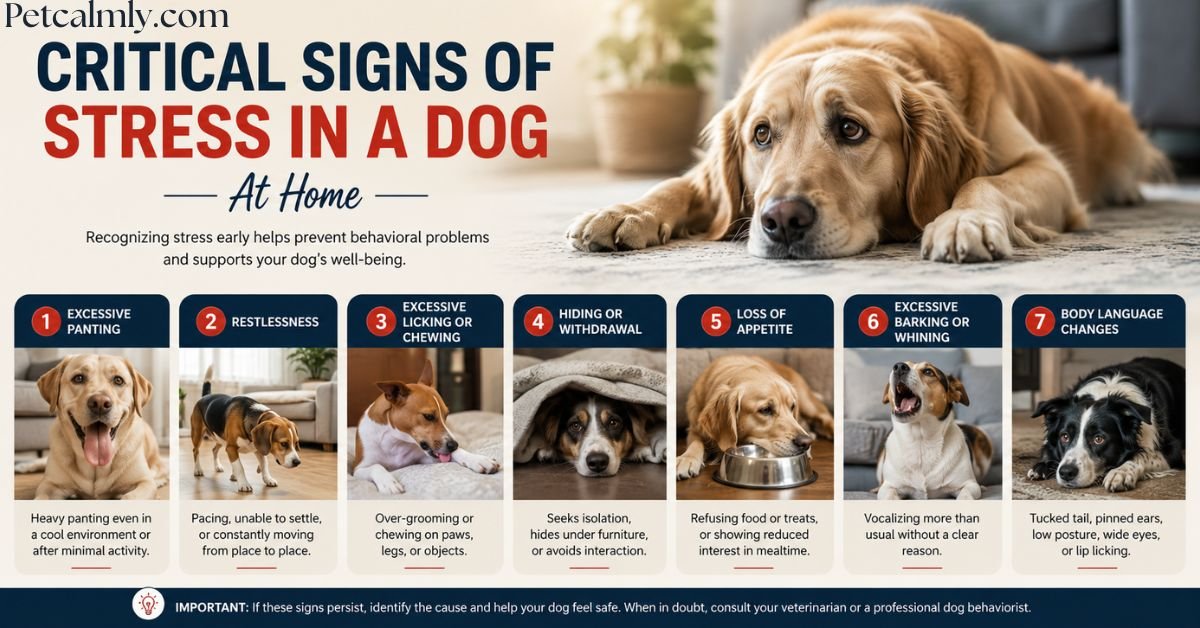
Stress, Anxiety, or Environmental Changes: A new home, new dog in the household, recent travel, or even a change in food bowl location can upset a sensitive dog enough to refuse meals temporarily.
Age and Cognitive Changes: Senior dogs sometimes forget to eat or become less interested in food, especially if experiencing cognitive dysfunction.
Post-Surgery or Post-Illness Recovery: Dogs recovering from anesthesia, surgery, or acute illness often refuse food temporarily as part of normal recovery.
Behavioral Reasons for Food Refusal
Some dogs are simply picky eaters or have learned that refusing food gets them attention or better options. This is frustrating but less immediately dangerous than medical causes. A dog that’s otherwise alert, playful, and healthy (but turning their nose up at kibble) is in a very different situation than a lethargic dog refusing all food and water.
The Critical Question: Is This an Emergency?
Contact your veterinarian immediately or visit an emergency clinic if your dog:
- Hasn’t eaten for more than 24 hours, or
- Hasn’t eaten normally for more than 12 hours and is showing other signs of illness (vomiting, diarrhea, lethargy, fever, labored breathing), or
- Is a puppy or senior dog and hasn’t eaten for more than 12 hours, or
- Refuses both food and water, or
- Shows signs of pain, difficulty swallowing, or drooling excessively, or
- Is noticeably lethargic, weak, or disoriented
Contact your regular veterinarian within 24 hours if your dog:
- Has skipped meals but seems otherwise normal and alert, or
- Is eating treats or certain foods but refusing their regular diet, or
- Has a mild decrease in appetite without other symptoms
Special Considerations for Different Life Stages
How Long Puppies Can Go Without Food
Puppies require food every 3 to 4 hours when very young (under 12 weeks), progressing to four meals daily until about 6 months, then twice daily afterward. This frequent feeding is essential because puppies lack stored energy reserves and are highly susceptible to hypoglycemia.
A hungry puppy doesn’t just feel uncomfortable low blood sugar can cause seizures, loss of consciousness, and permanent neurological damage. If your puppy hasn’t eaten in 12 hours and seems lethargic, confused, or wobbly, this is a genuine emergency.
Considerations for Senior Dogs
Older dogs often experience reduced appetite due to:
- Diminished sense of smell (affecting food appeal)
- Dental disease or tooth loss
- Chronic pain that suppresses appetite
- Cognitive dysfunction
- Multiple medications
- Underlying organ disease they may not have shown symptoms for yet
If your senior dog suddenly refuses food, the risk isn’t just malnutrition it’s that this change often signals an underlying health issue that needs diagnosis. Senior dogs should be evaluated quickly when appetite drops, as many senior conditions benefit tremendously from early intervention.
Pregnant and Nursing Dogs
Pregnant and lactating dogs have massively increased caloric needs. They cannot safely go without adequate nutrition. Starvation during pregnancy can harm developing puppies and cause serious complications for the mother. A nursing mother who doesn’t eat enough will produce insufficient milk for her litter.
If your pregnant or nursing dog refuses food, contact your veterinarian the same day. This is not a wait-and-see situation.
Small Breeds and Toy Breeds
Toy breeds are particularly vulnerable during food deprivation due to their small size and minimal energy reserves. A Chihuahua, Pomeranian, or Maltese should never be left without food for extended periods. If your small breed dog misses even one meal and shows any sign of lethargy or weakness, contact your vet.
What Pet Owners Often Get Wrong About Dog Starvation
Myth: “A Dog Will Starve Before Refusing to Eat”
This is half-true, but dangerously incomplete. Dogs will continue eating even when their bodies are signaling genuine distress but a dog that stops eating despite hunger is telling you something is seriously wrong. Respect that signal. When a dog refuses food, it’s almost always due to pain, nausea, illness, or severe psychological distress. It’s not stubbornness or pickiness; it’s a message.
Myth: “Fasting Is Detoxifying”
Some well-meaning pet owners believe periodic fasting “cleanses” a dog’s system or supports health. This idea has no veterinary support. Healthy dogs have no toxins that fasting removes. Purposefully withholding food puts unnecessary stress on your dog’s body. If your veterinarian recommends a brief fast (typically before surgery or for specific medical reasons), that’s different—but it’s a medical decision, not a wellness choice.
Myth: “My Dog Hasn’t Eaten in Days But Seems Fine”
A dog can appear relatively normal even while experiencing significant internal damage from food deprivation. The appearance of normalcy doesn’t mean your dog is okay. By the time a dog looks visibly unwell from starvation, serious damage has often already occurred.
Myth: “Skipping Meals Now and Then Isn’t Harmful”
Occasional missed meals are fine for healthy adult dogs. However, if your dog is regularly skipping meals (more than once a week), this indicates something’s wrong whether behavioral or medical. Regular meal refusal warrants investigation.
Myth: “I Should Wait to See If It Gets Worse”
When a dog doesn’t eat for 24+ hours, waiting risks complications. Dehydration develops rapidly. Electrolyte imbalances worsen hourly. The longer food deprivation continues, the harder recovery becomes, even after eating resumes. Early veterinary attention often prevents the need for more intensive treatment later.
What to Do If Your Dog Isn’t Eating: A Practical Action Plan
Step 1: Rule Out Medical Causes First (Always)
Before assuming your dog is being picky, assume they’re sick. Your first move should be scheduling a veterinary appointment ideally the same day if your dog hasn’t eaten for 24+ hours.
During the exam, your veterinarian will:
- Check for dental pain or oral issues
- Palpate the abdomen for pain or blockages
- Take your dog’s temperature
- Listen to heart and lung function
- Ask detailed questions about the timeline and any other symptoms
- Potentially recommend bloodwork or imaging to check organ function
This appointment is rarely wasted. Often, appetite loss is the first symptom of something treatable.
Step 2: Ensure Consistent Access to Fresh Water
While your dog isn’t eating, water becomes even more critical. Check that your dog has constant access to clean, fresh water. If your dog isn’t drinking either, this is an emergency—dehydration causes organ damage faster than starvation does.
Some dogs prefer running water (from a fountain) or water temperature changes. If your dog seems reluctant to drink still water, try offering water in a different bowl or from a pet water fountain. But don’t offer this as a replacement for veterinary care—it’s just supportive while you seek help.
Step 3: Don’t Change Foods Too Abruptly
If your dog refuses their current food, your instinct might be switching to something more appealing. But sudden food changes can cause digestive upset and are a mistake if a medical issue exists.
Work with your veterinarian on any food changes. If dietary adjustment is appropriate, they’ll recommend a gradual transition—typically over 7 to 10 days, mixing new food with the old in increasing proportions.
Step 4: Tempt Appetite Strategically (If Appropriate)
If your veterinarian has ruled out medical causes and your dog simply seems uninterested in their current food, try these appetite-boosting strategies:
- Warm the food: Some dogs find warm food (about room temperature or slightly warmer) more appealing than cold. Briefly warming kibble in warm water can enhance the aroma.
- Add low-sodium broth: A small amount of unsalted chicken or beef broth can make food more enticing.
- Serve smaller, more frequent meals: Instead of one large bowl, offer small portions several times daily. This feels less overwhelming and can reset appetite signaling.
- Feed at consistent times: Dogs thrive on routine. Feeding at the same times each day helps regulate their hunger cues.
- Remove uneaten food: If your dog doesn’t finish within 15 minutes, pick it up. This prevents your dog from “grazing” and helps reset their appetite for the next meal.
- Reduce treats: If your dog is eating treats but not meals, the treats are filling them up. Temporarily eliminate treats and human food until regular meals are consumed.
Importantly: These strategies are only appropriate after medical causes have been ruled out and you’re dealing with simple pickiness in an otherwise healthy, alert dog.
Step 5: Monitor Closely for Changes
Once you’ve veterinary care underway, keep detailed notes:
- What and when your dog last ate
- How much water they’re drinking
- Energy level changes
- Any vomiting, diarrhea, or other symptoms
- Behavior changes
- Temperature (if you can take it)
This information is invaluable for your veterinarian and helps track whether your dog is improving or declining.
Preventing Food Refusal: Building Resilience and Good Habits
Establish Consistent Feeding Routines
Dogs thrive on predictability. Feeding at the same times each day typically twice daily for adult dogs helps regulate their appetite and digestion. Avoid free-feeding (leaving food out all day), as this disrupts appetite signals and makes it harder to notice when something’s wrong.
Maintain Ideal Body Condition
Dogs at healthy weights handle occasional food disruption better than those who are underweight or overweight. Work with your veterinarian to determine your dog’s ideal weight and body condition score. Regular exercise and portion-controlled, balanced nutrition keep your dog metabolically resilient.
Provide Regular Veterinary Care
Annual wellness exams (twice yearly for senior dogs) catch many conditions early before appetite loss becomes severe. Dental care is particularly important; many dogs refuse food due to dental pain that could have been prevented with regular cleaning.
Manage Stress and Anxiety
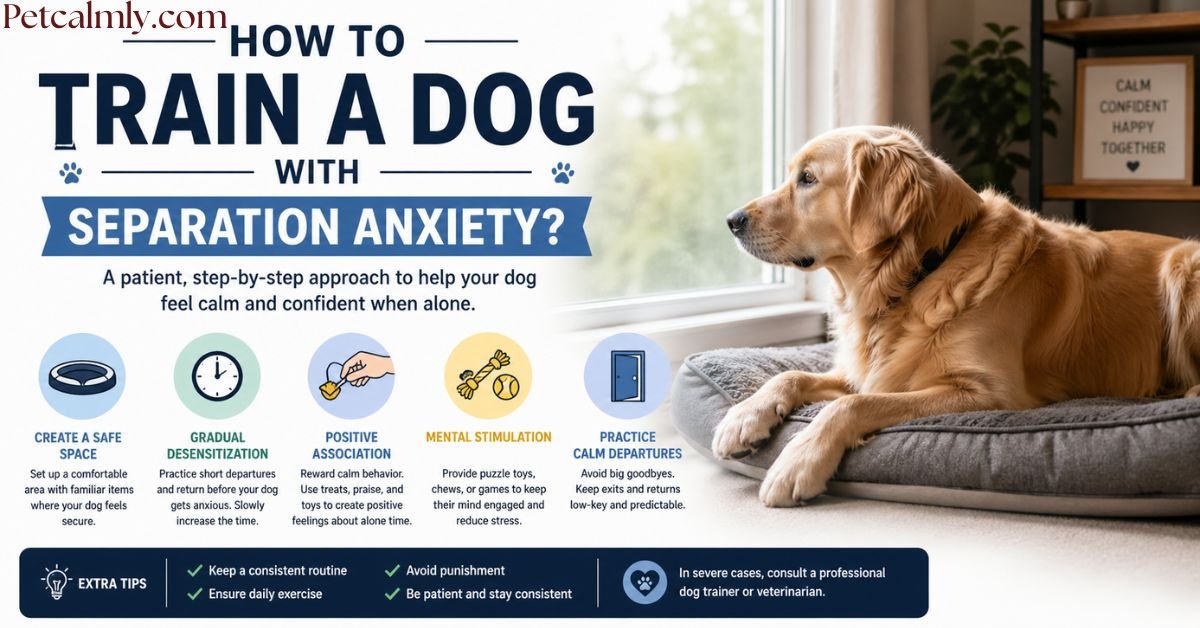
Dogs with anxiety or stress sometimes refuse food. Creating a calm environment, maintaining routines, and addressing anxiety with your veterinarian or a certified animal behaviorist can prevent stress-related appetite loss.
Emergency Preparedness
If disaster strikes—evacuation, natural disaster, sudden travel know how to keep your dog’s routine as normal as possible:
- Keep several weeks of your dog’s regular food at home
- Have backup food in your emergency kit
- Know the locations of emergency veterinary clinics in your area and nearby towns
- Keep your dog’s medical records in an accessible, portable format
- Ensure your dog has ID tags and microchip registration is current
Real-Life Scenarios: What Actually Happens
Scenario 1: The Picky Rescue Dog
Sarah adopted Murphy, a three-year-old hound mix, six weeks ago. Murphy has never been reliably interested in his food. He’ll eat treats enthusiastically but often leaves his kibble bowl untouched. Sarah worries he might be undernourished.
What’s likely happening: Murphy probably learned in his previous situation that being picky gets him attention, better food options, or hand-feeding. This is behavioral, not medical.
The right approach: Sarah should schedule a vet check to rule out medical issues (dental problems, GI upset). Once cleared, she should implement a consistent feeding routine: place his bowl down for 15 minutes, remove uneaten food, offer nothing else until the next meal. No treats between meals, no hand-feeding. Most behavioral picky eating resolves within 2-3 weeks of this consistency.
Scenario 2: The Suddenly Ill Dog
Tom’s 8-year-old Labrador, Max, has been eating normally for years. On Wednesday, Max refuses breakfast. He seems quieter than usual but not visibly ill. Tom figures Max will eat dinner once he gets hungry.
Thursday, Max still refuses food. He’s now more lethargic. Tom finally calls the vet and gets a same-day appointment.
What actually happened: Bloodwork reveals Max has early kidney disease—now caught early enough that dietary management and medications can help significantly. Without that Wednesday appointment, Max might have progressed to crisis-level kidney failure within days, requiring hospitalization.
The lesson: Appetite loss in a previously reliable eater is never normal, even if your dog seems otherwise okay. The cost and stress of a vet visit for “just” appetite loss is nothing compared to emergency care later.
Scenario 3: The Puppy’s Hypoglycemia Scare
Jessica’s 10-week-old Golden Retriever puppy, Leo, skipped a meal one afternoon because he was playing. Jessica figured he’d eat at dinner. But dinner came and Leo was wobbly, disoriented, and wouldn’t respond to his name.
Jessica rushed Leo to the emergency clinic. Blood work showed severe hypoglycemia. The vet gave Leo IV dextrose immediately. He recovered but required overnight monitoring.
What went wrong: Young puppies can’t miss meals. A single skipped meal led to dangerously low blood sugar that could have caused permanent neurological damage.
The lesson: Puppies need consistent meals on a schedule. Skipping even one meal isn’t an option. Jessica now sets phone reminders for every meal and never lets Leo go longer than 4 hours without eating.
More Information About Pets, Please Visit Our Website: Why Does My Dog Smell Like Fish?
Why Is My Dog Losing Hair?
What Are Signs That Your Dog Has Separation Anxiety?
Can Dogs Eat Cucumber?
Can Dogs Eat Watermelon?
Can Dogs Eat Mango?
Early Signs of Worms in Dogs
Frequently Asked Questions
1: Can a Dog Die from Not Eating for a Few Days?
In most healthy adult dogs, death from starvation alone takes longer than a few days. However, “survival” and “health” are different things. Three days without food causes measurable organ damage and electrolyte imbalances. Additionally, if a dog isn’t eating, there’s usually an underlying reason—illness, pain, or stress—that can become life-threatening faster than simple starvation. A dog dying from not eating for “just a few days” often wasn’t dying from starvation itself but from the condition that prevented eating in the first place.
2: How Can I Tell If My Dog Is Dangerously Hungry?
True hunger (the physical sensation of needing food) is distinct from dangerous starvation. A hungry dog might seem more interested in food or willing to eat less-preferred items. A starving dog shows weakness, lethargy, behavioral changes, or collapse. If your dog acts normal but just refuses their regular meal, they’re not dangerously hungry—something else is suppressing their appetite.
3: Is It Okay to Skip Meals for Weight Management?
No. Intentional meal-skipping is not an appropriate weight-loss strategy for dogs. Safe weight loss happens through portion control and exercise under veterinary guidance. Skipping meals can lower your dog’s metabolism, cause muscle loss rather than fat loss, and increase hunger-related stress and anxiety.
4: Can Stress Really Stop a Dog from Eating?
Absolutely. Anxiety, fear, major environmental changes, or separation anxiety can genuinely suppress appetite. Some dogs respond to stress by refusing food entirely. If your dog has just experienced a stressful event (moving, change in household, travel) and is skipping meals, the stress is likely contributing. Work on reducing stress while ensuring your dog has access to food, and contact your vet if the appetite loss continues beyond a few days.
5: What About Intermittent Fasting for Dogs?
Some people recommend intermittent fasting for dogs based on the idea that it mimics ancestral feeding patterns. This is controversial and lacks substantial veterinary support. Healthy dogs benefit from consistent, balanced nutrition—not fasting protocols. Intermittent fasting can be appropriate for specific medical reasons, but only under veterinary direction. For otherwise healthy dogs, regular feeding schedules are preferable.
6: If My Dog Eats Their Food Immediately, Are They Starving?
Not necessarily. Some dogs have a “vacuum cleaner” eating style and inhale their food regardless of hunger level. This is often breed-related (many retrievers and hounds do this) or learned behavior from competition in litters or rescues. Fast eating doesn’t indicate starvation; it’s a feeding style. However, fast eating can cause bloat in large-breed dogs a dangerous condition where the stomach fills with air. If your dog eats too quickly, use a slow-feeder bowl to pace their eating.
When to Contact Your Vet vs. When to Seek Emergency Care
Call Your Regular Veterinarian Within Business Hours If:
- Your dog skipped one meal but seems otherwise normal and alert
- Your dog has had a slight decrease in appetite for 1-2 days but has no other symptoms
- Your dog eats treats but refuses their regular diet
- Your dog seems picky but maintains energy and normal behavior
Schedule an Emergency Vet Visit If:
- Your dog hasn’t eaten for more than 24 hours
- Your dog hasn’t eaten for more than 12 hours and shows other symptoms (lethargy, vomiting, diarrhea)
- Your dog is a puppy or senior and hasn’t eaten for more than 12 hours
- Your dog refuses food and water
- Your dog shows signs of pain, difficulty swallowing, or excessive drooling
- Your dog is weak, disoriented, or seems to be in distress
- Your dog has vomited multiple times or has severe diarrhea along with not eating
Trust your instincts. If something feels wrong, it probably is. Veterinarians would rather see a dog for a “false alarm” than have something serious go untreated.
Supporting Your Dog Through Appetite Loss: Emotional and Practical Care
If your dog is genuinely going through a period of reduced appetite due to illness or recovery, remember that this is stressful for you and your dog.
Reduce Pressure Around Mealtimes
Stop making a big deal out of uneaten meals. Your anxiety about your dog not eating can actually increase your dog’s stress, which suppresses appetite further. Place the bowl down, let your dog approach it at their own pace, and calmly remove it after 15 minutes if it’s untouched. No frustration, no pressure.
Maintain Routine Where Possible
Continue your regular walking, play, and sleep schedules. Routine provides comfort and signals to your dog that life is stable, which can help appetite recovery.
Be Patient with Recovery
Once your dog starts eating again after a period of not eating, recovery takes time. Gradually increase food amounts over several days. Your dog’s digestive system needs time to reactivate. Your veterinarian will give you specific guidance based on what caused the appetite loss.
Recognize When to Ask for Help
If you’re feeling overwhelmed by your dog’s health crisis, reach out. Talk to your veterinarian about your concerns. Some practices have veterinary nutritionists or behaviorists who can help. Pet support communities can offer emotional support (though always verify medical advice with your vet).
Conclusion
The answer to “how long can a dog go without food” matters less than understanding what drives that question. If you’re asking because your dog isn’t eating, that’s your real concern not the survival timeline, but getting your beloved pet the help they need.
A dog that stops eating is trying to tell you something. Listen. Get veterinary care quickly. Support your dog through the evaluation and treatment process. And remember that the vast majority of appetite-loss cases resolve well when caught early.
Your dog relies on you to interpret their signals and respond with care. The fact that you’re searching for answers suggests you’re already doing that. Trust your instincts, contact your veterinarian, and work together to get your dog back to their normal, healthy self.