Short direct answer
The best dog food for your dog depends on their age, size, activity level, health status, and any dietary sensitivities. Look for foods with named protein sources (like chicken or beef) listed first, AAFCO certification, and consistent energy levels in your dog after eating. Talk to your vet before making major changes, especially if your dog has health conditions.
Why Choosing Dog Food Matters More Than You Think
If you’ve ever stood in front of a wall of dog food options wondering which bag to grab, you’re not alone. The dog food aisle can feel overwhelming—packed with marketing claims, competing price points, and conflicting advice from friends, family, and the internet.
Here’s what matters: your dog’s nutrition directly affects their energy, coat quality, digestion, immune system, and long-term health. The right food isn’t necessarily the most expensive one or the one with the prettiest packaging. It’s the one that keeps your individual dog thriving.
This guide walks you through exactly what to look for so you can make a confident choice that fits your dog’s needs and your budget. You won’t need to guess anymore.
Understanding Your Dog’s Nutritional Needs
Before you can choose the right food, it helps to understand what your dog actually needs nutritionally.
Dogs are facultative carnivores, which means they’re built to eat meat but can also digest plant-based foods. Their bodies require:
Protein: Essential for muscle development, tissue repair, and immune function. Dogs need quality protein sources, not just “protein” from any source. A dog’s protein requirements vary by age and activity level—puppies and active adult dogs typically need more than senior dogs.
Fat: Provides energy and supports skin and coat health. Healthy fats like omega-3 and omega-6 fatty acids are especially important for skin quality and reducing inflammation.
Carbohydrates: Not essential (dogs can thrive without them), but they provide energy and fiber. Quality carbs like sweet potatoes and oats are different from cheap fillers like corn meal.
Vitamins and minerals: Including calcium, phosphorus, and a complete B-vitamin profile. These support bone health, metabolism, and nervous system function.
Water: This one’s obvious but crucial. Fresh water should always be available.
Different life stages have different needs. A growing puppy needs different ratios than a senior dog. An active border collie needs different nutrition than a low-energy bulldog. Recognizing these differences helps you choose food that matches your specific dog.
How to Read a Dog Food Label Like a Pro
Dog food labels can be confusing, but once you know what to look for, they tell you everything you need to know about quality.
The Ingredient List Matters Most
Ingredients are listed by weight, so what comes first matters most.
Look for named protein sources. “Chicken” or “beef” is specific and good. “Poultry meal” or “meat by-products” is vague and lower quality. Avoid foods where the first ingredient is corn, wheat, or soy—these are cheaper fillers, not primary nutrition sources.
A good ingredient list looks something like this: Chicken, chicken meal, brown rice, chicken fat, sweet potato, peas…
A questionable one looks like this: Corn, soybean meal, meat by-products, corn meal, animal fat…
Can your dog thrive on the second option? Sometimes. But you’re paying for filler, not nutrition.
Guaranteed Analysis: What the Numbers Mean
The “Guaranteed Analysis” section shows minimum protein and fat percentages and maximum fiber and moisture.
- Protein: Most adult dogs do well on 18-25% protein. Puppies and active dogs benefit from 22-32%. Senior dogs often do well with 18-25% (excessive protein doesn’t cause kidney disease in healthy dogs, despite old myths).
- Fat: Most adult dogs need 10-15% fat minimum. Active dogs benefit from 15-25%. Senior or overweight dogs may do better with 8-12%.
- Fiber: Dogs need some fiber for healthy digestion, but too much (over 5%) can reduce nutrient absorption. 1-4% is typically ideal.
These numbers give you a quick snapshot, but they don’t tell you quality. A food can meet minimum protein requirements with cheap protein sources. This is why the ingredient list matters just as much.
The AAFCO Statement: Your Quality Assurance
Look for the Association of American Feed Control Officials (AAFCO) statement. It says something like: “This food is formulated to meet the nutritional levels established by the AAFCO Dog Food Nutrient Profiles.”
This means the food meets basic nutritional standards. You want this statement on any food you buy. It’s not a guarantee of excellence, but it’s a baseline for adequacy.
Different Types of Dog Food: Pros and Cons
Not all dog food is created equal. Here’s what you’re choosing between.
Dry Kibble
What it is: Hard, crunchy pieces typically containing 10-12% moisture. Most commercially available dog food is kibble.
Pros:
- Most affordable option
- Long shelf life once opened
- Convenient—scoop and serve
- Some believe the chewing action helps teeth
- Widest variety available
Cons:
- Lowest moisture content, so less natural hydration
- Often contains more fillers and preservatives
- Quality varies dramatically by brand
- Some dogs with sensitivities struggle with it
Best for: Budget-conscious owners, dogs without digestive sensitivity, those wanting convenience.
Wet or Canned Food
What it is: Food in gravy or sauce containing 70-80% moisture, usually sold in cans or pouches.
Pros:
- High moisture content supports hydration
- Often more palatable (dogs usually find it tasty)
- Easier for senior dogs or those with missing teeth
- Ingredients are typically easier to recognize
- Good option for picky eaters
Cons:
- More expensive per serving
- Spoils quickly once opened
- Takes up more storage space
- Less convenient for travel
- Can contribute to dental plaque buildup
Best for: Dogs needing extra hydration, senior dogs, picky eaters, or those with digestive issues.
Fresh or Refrigerated Food
What it is: Minimally processed food kept refrigerated, often with fresher ingredients than kibble.
Pros:
- High-quality ingredients often visible
- Better ingredient transparency
- Good middle ground between kibble and raw
- Often results in shinier coats
- Easier digestion for some dogs
Cons:
- Significantly more expensive
- Requires refrigerator space
- Shorter shelf life
- Less research on long-term effects
- Not always nutritionally complete
Best for: Dogs with documented digestive issues, owners willing to invest in premium nutrition, or as a supplement to kibble.
Raw Diets
What it is: Uncooked meat, organs, bones, and sometimes vegetables in various formulations.
Pros:
- Mimics ancestral diet
- High moisture content
- Visible whole ingredients
- Some owners report health improvements
Cons:
- Risk of bacterial contamination (for dog and human)
- Requires careful handling and storage
- Can be expensive
- Nutritional imbalances common if not formulated by nutritionists
- AAFCO doesn’t regulate raw diets
- FDA and CDC warn against raw diets due to safety concerns
- Requires significant owner education
Best for: Owners with veterinary nutritionist guidance and strong food safety practices. Not recommended without professional nutritional oversight.
Home-Cooked Diets
What it is: Food you prepare at home with whole ingredients.
Pros:
- Complete ingredient control
- No preservatives or additives
- Can tailor to dog’s preferences
Cons:
- Time-intensive
- Difficult to balance nutritionally without expert help
- Can be more expensive than commercial food
- Risk of nutritional deficiencies if not properly formulated
Best for: Owners willing to work with a veterinary nutritionist to ensure balance.
Choosing the Right Food for Your Dog’s Age and Life Stage
Your dog’s age dramatically changes their nutritional needs.
Puppy Nutrition (Birth to 12 Months)
Growing puppies need more calories, protein, and specific mineral ratios than adults. Their bones are developing, their immune systems are establishing, and their brains are forming.
Look for puppy-formulated foods with:
- 22-32% protein
- Balanced calcium and phosphorus (crucial for proper bone development)
- AAFCO certification for “puppy” or “growth” stage
Don’t overfeed puppies—especially large-breed puppies. Excess calories can cause growth too fast, stressing developing joints and potentially leading to hip dysplasia later. Feed measured amounts rather than free-feeding.
Large-breed puppies (dogs that will weigh over 50 lbs) need specially formulated food with controlled calcium levels. Regular puppy food can have too much calcium for them.
Transition to adult food around 12 months (sometimes 18-24 months for giant breeds).
Adult Dog Nutrition (1-7 Years)
Most adult dogs do well on food with:
- 18-25% protein (or higher for very active dogs)
- 10-15% fat
- Complete and balanced AAFCO adult formula
This is the longest life stage. The right food supports consistent energy, healthy weight, and disease prevention.
Consider your dog’s activity level:
- Sedentary dogs (low activity, indoor): May need lower-calorie formulas to prevent weight gain
- Moderately active dogs (daily walks, regular play): Standard adult formula works well
- Very active dogs (running, agility, working dogs): Higher protein and fat support performance and recovery
Senior Dog Nutrition (7+ Years)
Senior dogs often thrive with different nutrition than adults.
Common changes:
- Slower metabolism
- Less activity (often)
- Lower protein needs are not necessary healthy seniors need adequate protein to maintain muscle mass
- Joint support becomes important
- Digestion sometimes becomes more sensitive
Look for senior formulas with:
- Adequate protein (18-25%) to maintain muscle
- Lower calories if weight gain is an issue
- Added glucosamine or chondroitin for joint support
- Fiber content supporting digestive health
- Antioxidants (like vitamin E) supporting cognitive health
- Omega fatty acids supporting skin and joint health
Many senior dogs actually do great on regular adult food “senior formulas” aren’t always necessary. What matters is that your dog maintains healthy weight and energy.
Special Dietary Considerations: When Standard Food Isn’t Enough
Some dogs need tailored nutrition for health or digestive reasons.
Food Allergies and Sensitivities
True food allergies (immune system reaction) are less common than sensitivities (digestive upset without immune involvement), but both are frustrating for owners.
Common signs:
- Chronic itching or skin issues
- Ear infections
- Vomiting or diarrhea
- Gas or upset stomach after eating
- Paw licking or face rubbing
What to do: Talk to your vet before assuming food allergy. They can help rule out other causes (like environmental allergies or parasites) and guide proper elimination diets.
Common trigger proteins: beef, chicken, dairy Common trigger grains: wheat, corn, soy (though grain-free doesn’t automatically mean better)
If your vet suspects food sensitivity, work with them on an elimination diet removing common triggers and slowly reintroducing to identify the culprit. This takes patience but reveals exactly what your dog tolerates.
Limited ingredient or novel protein diets (using less common proteins like duck, venison, or kangaroo) help some dogs. Quality matters—look for whole-meat protein sources, not meal or by-products.
Important note: Grain-free diets became popular based on the assumption that grains cause allergies, but research doesn’t consistently support this. Grain-free diets have also been associated with heart health concerns in some dogs. If your dog doesn’t have a diagnosed grain sensitivity, grain inclusion isn’t a problem.
Digestive Sensitivities and GI Issues
Dogs with sensitive stomachs often do better with:
- High-quality, digestible proteins
- Limited ingredient formulas
- Moderate fiber (not too high, not too low)
- Probiotics and digestive enzymes
- Foods without artificial additives or colors
Some dogs improve with fish-based diets (more digestible) or limited ingredient formulas. Others need prescription diets from their vet for specific GI conditions.
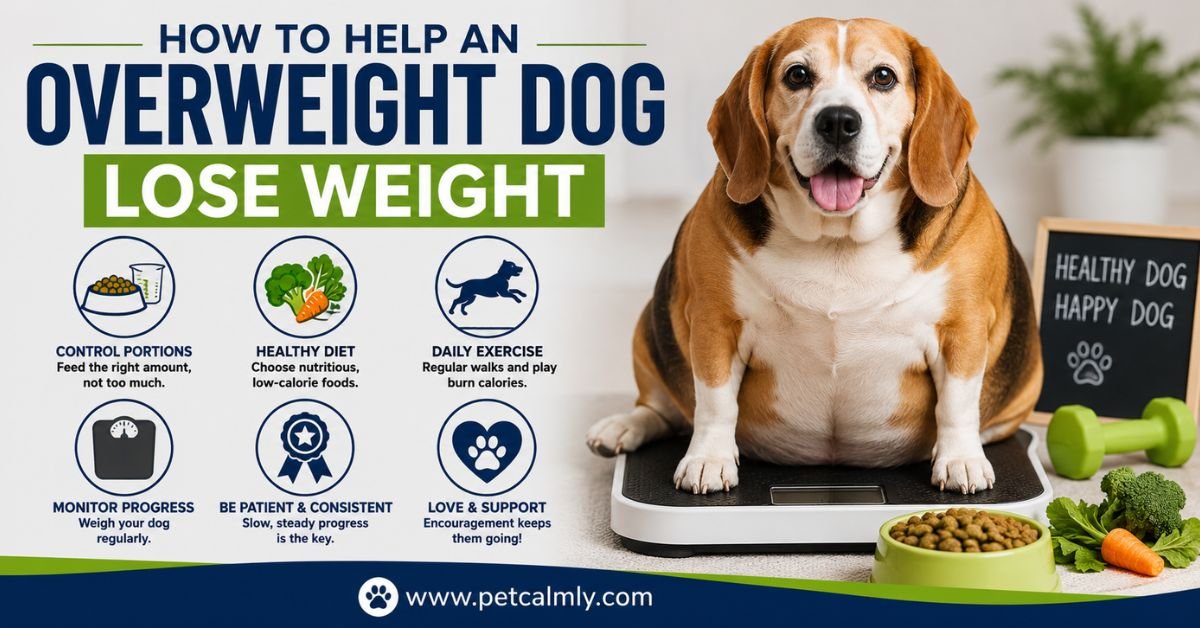
Weight Management
Overweight dogs are extremely common and impact lifespan and quality of life.
If your vet says your dog needs to lose weight:
- Feed measured portions (use a cup or scale, not “until full”)
- Choose lower-calorie options (some dogs do well on lower-fat or higher-fiber formulas)
- Use vegetables as low-calorie treats or meal toppers
- Be consistent—treats and table scraps add up fast
- Increase exercise gradually
Don’t fall for “weight management” formulas alone. Portion control and activity matter far more than the food type.
Joint and Mobility Support
Senior dogs or those with joint issues sometimes benefit from diets containing:
- Glucosamine and chondroitin
- MSM
- Omega-3 fatty acids
- Appropriate protein for muscle maintenance
These supplements in food help, but talk to your vet about additional joint support if needed.
How to Transition to New Dog Food Safely
Switching dog food too quickly causes digestive upset. A proper transition takes 7-10 days.
The Transition Schedule
Days 1-2: 75% old food, 25% new food Days 3-4: 50% old food, 50% new food Days 5-6: 25% old food, 75% new food Days 7-10: 100% new food
What to watch for:
- Loose stools or diarrhea (common during transition)
- Vomiting (less common, worth checking with vet if severe)
- Refusal to eat (some dogs are picky; give it a few days)
- Changes in energy or behavior (usually temporary)
If your dog has digestive upset, slow the transition further extend to 14 days.
Never switch food abruptly unless your vet specifically tells you to. Even if the old food was causing issues, gradual transition helps their digestive system adjust.
6 Common Mistakes When Choosing Dog Food
After years of conversations with dog owners, these are the biggest mistakes I see.
Mistake 1: Choosing Based Purely on Price
The cheapest food costs less for a reason usually lower-quality ingredients and more fillers. You might save $5 on a bag but end up paying more in vet bills for digestive issues.
That said, the most expensive food isn’t always best either. Mid-range brands with quality ingredients often offer the best value.
Mistake 2: Assuming “Natural” or “Grain-Free” Automatically Means Better
These marketing terms don’t guarantee quality. A grain-free food with poor-quality ingredients isn’t better than a grain-inclusive food with excellent ones.
Focus on actual ingredients and AAFCO certification, not marketing buzzwords.
Mistake 3: Switching Foods Too Frequently
Some owners rotate brands thinking variety is good. Constant switching stresses your dog’s digestive system and makes it impossible to know if food is actually working well.
Pick a good food and stick with it. One consistent, quality diet is better than rotating through five mediocre ones.
Mistake 4: Overfeeding Without Realizing It
Most dogs get too many calories. Measure portions, count treats, and ask your vet for feeding guidelines based on your dog’s weight, not what the bag says.
The bag feeding guidelines are often generous. Your individual dog might need less.
Mistake 5: Making Diet Changes Without Veterinary Guidance
If your dog has health issues, allergies, or digestive problems, talk to your vet before changing food. While some changes help, others can make conditions worse.
Prescription diets exist for a reason. If your vet recommends one, there’s usually solid reasoning behind it.
Mistake 6: Trusting Internet Reviews Over Observing Your Dog
One person’s experience doesn’t mean the same food will work for your dog. Some dogs thrive on food that makes others sick.
What matters: How does YOUR dog do on the food? Energy level? Coat quality? Digestive health? Weight stability? These observations matter far more than online reviews.
Budget-Friendly vs. Premium Food: Finding Your Sweet Spot
You don’t need to buy the most expensive food to feed your dog well.
Budget-Friendly Options ($20-40/month)
Mainstream brands like Purina Pro Plan, Hill’s Science Diet, and Royal Canin budget lines are AAFCO-certified and formulated by nutritionists. They’re not fancy, but they’re solid.
These brands:
- Support millions of dogs successfully
- Have rigorous quality testing
- Are often recommended by vets
- Cost less but still provide complete nutrition
Good budget picks often come from brands backed by major companies with quality control and research departments.
Mid-Range Options ($40-80/month)
Brands like Merrick, Taste of the Wild, Instinct, and others offer better ingredient quality than budget lines without the premium price tag.
These often feature:
- Named protein sources
- Limited ingredient formulas
- Better ingredient transparency
- Slightly higher quality overall
Premium Options ($80-150+/month)
High-end brands, fresh food services, and prescription diets fall here.
Sometimes worth it if your dog has specific needs (digestive issues, allergies, or health conditions where prescription food helps). Often not necessary for healthy dogs—you might just be paying for marketing.
The truth: A healthy dog on a budget-friendly food AAFCO-certified food with good ingredients often does just as well as one on premium food costing 3x more. Your dog’s genes, exercise, and overall care matter more than food price.
Spend what you can afford on quality ingredients and consistent, measured feeding rather than stretching your budget for premium brands that leave you unable to afford vet care.
Reading Between the Marketing: Claims That Don’t Mean What You Think
Dog food marketing is sophisticated. Here’s what common claims actually mean.
| Claim | What It Really Means | Red Flag |
|---|---|---|
| “Natural” | Fewer synthetic additives (legally defined, but vague) | Not regulated consistently; “natural” can still include low-quality ingredients |
| “Grain-Free” | No grains (not necessarily better for most dogs) | Doesn’t mean higher quality; often contains other fillers |
| “Human-Grade” | Ingredients meet human food standards (not legally regulated for pet food) | Misleading; no guarantee of digestibility or nutrition for dogs |
| “Holistic” | Marketing term with no legal definition | Largely meaningless; focus on actual ingredients |
| “Premium” | Undefined marketing term | Often just justifies higher price |
| “Ancestral” or “Wolflike” | Appeals to emotions about natural diet | Dogs aren’t wolves; they’ve evolved differently over 15,000 years |
Focus on facts (ingredients, AAFCO certification, guaranteed analysis) rather than marketing language.
How to Know If Your Dog’s Food Is Actually Working
The best way to judge food quality isn’t the marketing or price—it’s how your dog actually does on it.
Signs of good food fit:
- Consistent energy throughout the day
- Shiny, healthy coat
- Firm, consistent stools
- Healthy weight (you can feel ribs without pressing hard)
- No chronic gas or digestive upset
- Clear eyes
- Good muscle tone
Signs your dog might need a different food:
- Chronic digestive issues despite transition
- Dull, flaky, or itchy coat
- Excessive shedding
- Weight gain despite proper portions
- Low energy or lethargy
- Gas or poor stool quality
- Skin issues or excessive scratching
If you notice concerning signs, give any new food at least 4-6 weeks before assuming it’s not working (unless reactions are severe). Digestive systems take time to adapt. But if issues persist after proper transition, talk to your vet. Sometimes it’s not the food it could be allergies, parasites, or other health issues.
Frequently Asked Questions
1: How Much Should I Feed My Dog?
Feeding amounts depend on your dog’s age, weight, activity level, and metabolism. The bag provides guidelines, but they’re often generous.
Ask your vet for a personalized recommendation. A typical adult dog needs about 25-30 calories per pound of ideal body weight daily, but this varies. An overweight or sedentary dog might need less; an active dog might need more.
Start with the bag recommendation, then adjust based on your dog’s weight and energy after 2-3 weeks. You should be able to feel your dog’s ribs easily without pressing hard, but not see them prominently.
2: Is Expensive Dog Food Really Better?
Not necessarily. Price doesn’t always correlate with quality. A mid-range food from a reputable company might be better than premium food from a company prioritizing marketing over nutrition.
Compare ingredient lists and guaranteed analysis. A $30 bag with quality ingredients often serves your dog better than a $70 bag with mediocre ones.
3: Can I Mix Wet and Dry Food?
Yes. Many dogs do great on a mix dry food for convenience and wet food for hydration and palatability. Mix them together or feed separately. This is especially helpful for dogs needing extra water intake or picky eaters.
Just adjust portions so total daily calories remain consistent.
4: How Do I Know If My Dog Has a Food Allergy?
True food allergies are less common than owners think. Symptoms include chronic itching, skin issues, ear infections, or digestive upset.
Don’t assume it’s a food allergy without talking to your vet. Allergies, parasites, skin conditions, and other health issues have similar symptoms. Your vet can help rule out other causes.
If food allergy is likely, ask your vet about an elimination diet removing likely culprits and slowly reintroducing to identify triggers.
5: What If My Dog Is a Picky Eater?
Dogs aren’t naturally picky; they’re usually responding to food quality, temperature, or getting treats elsewhere.
Before assuming pickiness:
- Check the food’s freshness (old kibble loses appeal)
- Make sure your dog isn’t getting too many treats or table scraps
- Try warming wet food slightly (increases aroma)
- Don’t switch foods constantly trying to please them
- Skip the snacks between meals to build appetite
If your dog suddenly becomes picky after eating happily, that can signal health issues. Talk to your vet if appetite changes suddenly.
6: Do Dogs Need Grain-Free Food?
Only if your dog has a diagnosed grain sensitivity. Grain-free isn’t inherently better. Some grain-free diets have been associated with heart health concerns in certain dogs.
If your dog does well on a grain-inclusive diet, there’s no reason to switch. If your dog struggles with grains, work with your vet on an elimination diet to confirm which grains (if any) are problematic.
More Information About Pets, Please Visit Our Website: How to Tell If Your Dog Has a Fever
How Often Should Dogs Eat Raw Meat?
How Long Can a Dog Hold its Pee
How Long Can a Dog Go Without Food
Why Does My Dog Keep Sneezing?
Why Is My Dog Breathing Fast?
Conclusion
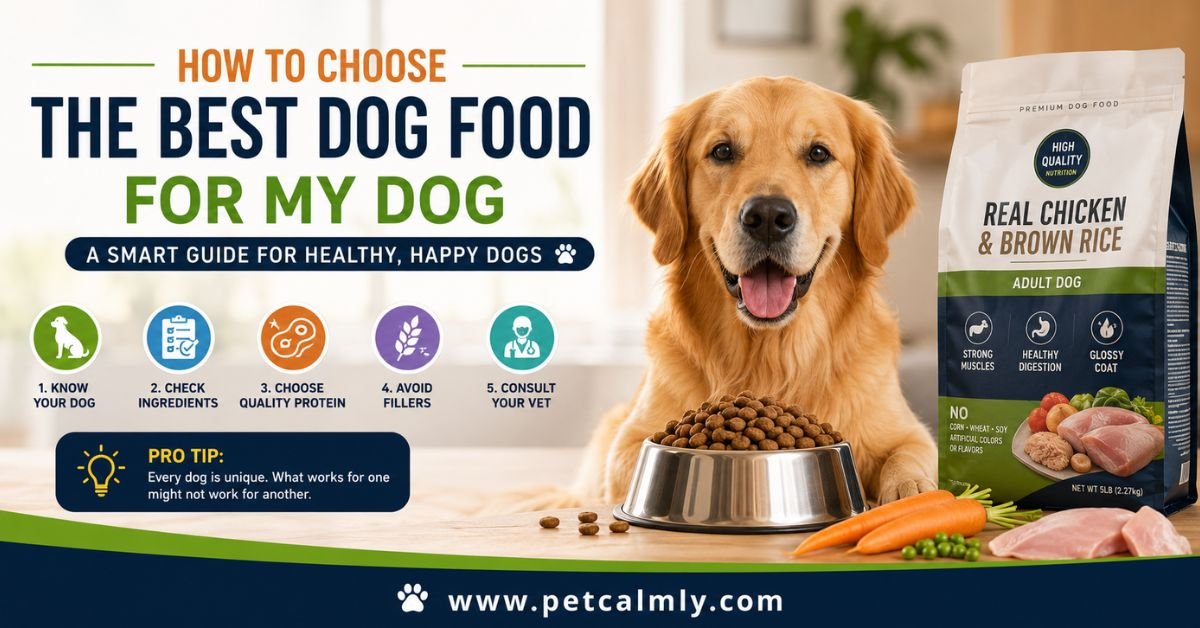
Choosing dog food doesn’t require a veterinary degree, but it does require you to think critically about your individual dog’s needs rather than following trends.
Here’s your action plan:
Start by knowing your dog: Age, weight, activity level, health status, and any known sensitivities.
Read actual ingredients and guaranteed analysis: Skip the marketing. Focus on named protein sources, AAFCO certification, and numbers that make sense for your dog.
Choose a food type that fits your lifestyle: Budget matters. Kibble is convenient and affordable. Wet food helps hydration. Fresh or raw requires more research and money.
Transition properly: Take 7-10 days to switch foods. Watch for digestive adjustment.
Observe your dog: After 4-6 weeks, assess how your dog actually does. Energy, coat, digestion, and weight tell you whether food is working.
Talk to your vet for specific issues: If your dog has allergies, digestive problems, or health conditions, get professional guidance rather than guessing.
The best food for your dog might not be the most expensive, the most trendy, or the one your friend recommends. It’s the one that keeps your dog healthy, energetic, and thriving within your budget.
That’s actually achievable. Trust your observation of your dog over marketing claims, work with your vet when needed, and stop second-guessing your choice once you’ve found something that works.