Short direct answer
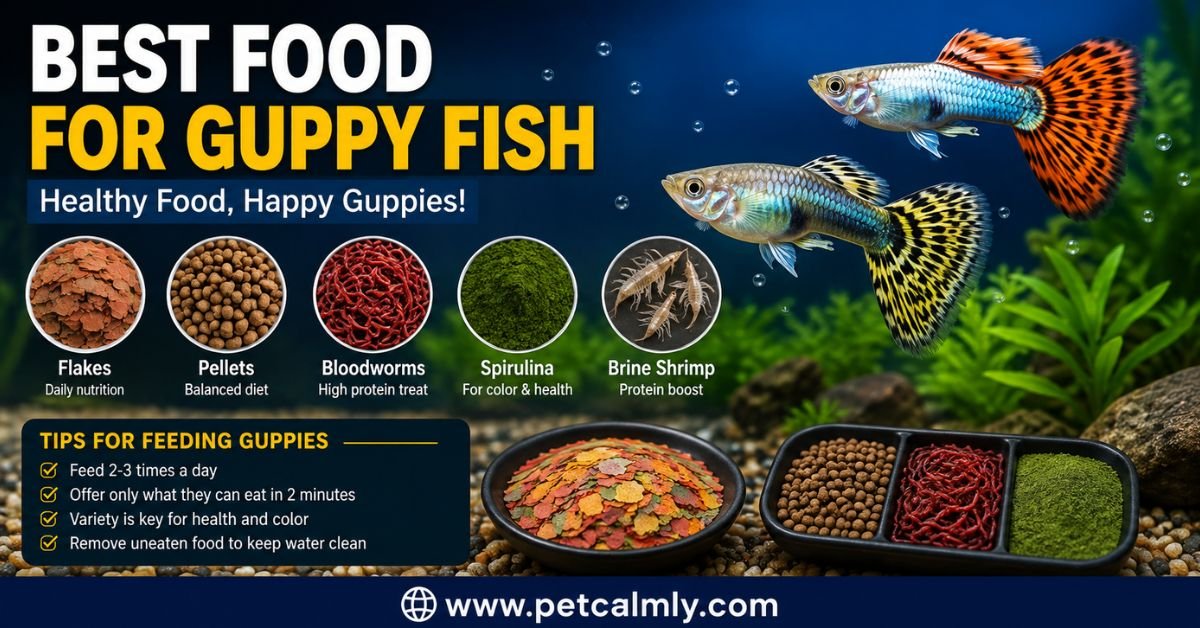
The best food for guppy fish combines high-quality flake food as a staple with regular supplements of live or freeze-dried foods like brine shrimp, bloodworms, and daphnia. Most guppies thrive on a varied diet that includes vegetable matter and protein-rich foods fed in small amounts once or twice daily. Quality commercial guppy pellets with 40-60% protein content work well for daily feeding, but variety prevents nutritional deficiencies and keeps your fish healthier and more vibrant.
Why Guppy Nutrition Matters More Than You Think
When you first set up a guppy tank, feeding seems straightforward just sprinkle some food and watch them eat. But what actually goes into their bellies determines whether they develop vibrant colors, maintain energy, resist disease, and live their full 2-3 year lifespan. Poor nutrition makes guppies susceptible to infections, causes color fading, stunts growth in young fish, and reduces their ability to spawn successfully if you’re breeding.
I’ve watched countless aquarists struggle with fish that seem lethargic, develop white spots, or simply don’t look as colorful as they should. Often, the issue traces back to nutrition either overfeeding, underfeeding, or feeding the same low-quality food repeatedly. Guppies are small but active fish with fast metabolisms. They need regular nutrition tailored to their needs, not just random flakes scattered on the water surface.
This guide walks you through everything that makes guppies healthy: what they eat in nature, what commercial foods deliver real nutrition, how much to feed them, and how to spot when something’s nutritionally off.
What Do Guppies Eat in Their Natural Habitat?
Understanding wild guppy diet helps explain why variety matters so much in captive feeding. Guppies are opportunistic omnivores native to South America (Trinidad and parts of Venezuela). In streams and small water bodies, they eat whatever is available: tiny aquatic insects, insect larvae, small crustaceans, zooplankton, algae, and plant matter.
This natural diversity explains why aquarium guppies do best on varied diets. A guppy fed only flakes is missing nutritional components they’d naturally consume. When you replicate that variety in captivity, you’re not just feeding them—you’re supporting their natural feeding instincts and nutritional requirements.
Wild guppies also eat constantly throughout the day in small amounts rather than large meals. Their digestive systems evolved for frequent, varied snacking, not single daily meals of the same food. This is crucial for understanding proper feeding practices in captivity.
Types of Fish Food for Guppies: What Actually Works
High-Quality Flake Foods
Flake food remains the staple for most guppy keepers because it’s convenient and covers basic nutritional needs when you choose quality brands. But not all flakes are equal.
Look for flake foods specifically formulated for small tropical fish or community fish, with protein content between 40-60%. The best options include recognized brands that list fish meal or fish protein as primary ingredients rather than plant-based fillers.
Why flakes often disappoint: Cheap flake food loses nutritional value during storage (fish oil oxidizes), contains excessive fillers, and offers incomplete amino acid profiles. A flake that clouds the water or creates thick sediment usually means low quality real nutrition shouldn’t require constant water changes.
Premium flake foods cost slightly more but deliver better color enhancement, less waste, and noticeably healthier fish. Your water stays cleaner, and you use less food overall, so the cost difference often balances out.
Pellet Foods for Targeted Nutrition
Pellets specifically formulated for guppies or small community fish offer precise nutrition and create less water pollution than flakes. They sink more slowly than flakes, allowing every fish a fair chance to eat before food reaches the bottom.
Quality guppy pellets contain balanced nutrition with adequate protein (45-55%) and include essential vitamins and pigment-enhancing ingredients. The advantage over flakes: pellets often include better vitamin retention because water doesn’t immediately break them down.
Some guppies need coaxing to eat pellets if they’ve only had flakes. Be patient—most switch quickly once they realize pellets are food, and mixed feeding (both flakes and pellets) often provides the best results.
Live Foods: Why They Matter
Live or freshly prepared foods trigger natural feeding responses in guppies and provide nutrition that dried foods can’t match. The most accessible live foods include:
Brine Shrimp: High in protein and easy to culture at home using simple salt water and shrimp eggs. Live brine shrimp simulate natural prey movement, exciting guppies and encouraging their natural hunting behavior. You can also buy frozen brine shrimp for convenience.
Bloodworms: Mosquito larvae are incredibly protein-rich and make guppies display vibrant colors within days. Most aquarists use freeze-dried or frozen bloodworms rather than live, which is safer for your tank.
Daphnia: Small crustaceans that provide natural fiber, essential for healthy digestion. Daphnia is particularly valuable for young guppies and pregnant females. Some aquarists culture their own daphnia, which is affordable and sustainable.
Micro Worms: Almost invisible to the human eye but perfect for fry (baby guppies) and adult guppies’ jaws. Micro worms are easy to culture in small containers using oatmeal medium.
The reality: most home aquarists don’t have time to culture multiple live foods. A combination of quality flakes, occasional frozen brine shrimp, and freeze-dried bloodworms creates excellent variety without requiring complex cultures.
Vegetable Matter and Plant-Based Foods
Guppies need vegetable matter even though they’re not herbivores. Wild guppies eat algae, plant detritus, and microorganisms on plants. In aquariums, this need is often overlooked.
Algae wafers or spirulina-based foods provide the vegetable component, especially important for color enhancement and digestive health. Some aquarists blanch peas or zucchini—place a small piece in the tank, remove after a few hours.
Plant-based foods alone won’t sustain guppies (they’re primarily carnivorous), but incorporating them prevents nutritional deficiencies and supports natural feeding behaviors.
How Much Should You Feed Your Guppies?
Overfeeding is the #1 mistake home aquarists make, and it’s worse than underfeeding. Uneaten food decays, releasing ammonia and nitrites that poison your fish. Overfed guppies become sluggish, develop constipation, and produce excess waste that fouls their water.
The Rule of Thumb: Feed an amount your guppies can consume in 2-3 minutes, once or twice daily.
For most established tanks with 5-10 adult guppies, this means a small pinch of flake food in the morning and a second small pinch in the evening. If you use pellets, count approximately 10-15 pellets per fish, twice daily.
Signs You’re Overfeeding:
- Uneaten food on the tank bottom after feeding
- Water becomes cloudy or develops a haze
- Guppies appear bloated or move slowly
- Ammonia or nitrite spikes on your water test kit
Signs You Might Be Underfeeding:
- Guppies appear very thin (you can see their backbone spine prominently)
- Fish seem to follow your hand constantly at feeding time
- No spawning activity in females (proper nutrition supports breeding)
- Color fades or appears dull
Young guppies and pregnant females need more frequent feeding up to three times daily in smaller amounts. Fry need constant grazing on micro foods. But healthy adult guppies do fine on once or twice daily feeding with proper portion control.
Creating a Balanced Weekly Feeding Schedule
Rotating food types throughout the week prevents boredom and ensures nutritional completeness. This approach isn’t complicated it’s just thoughtful feeding.
Sample Weekly Schedule:
- Monday & Tuesday: High-quality flakes (morning and evening)
- Wednesday: Quality pellets (morning) + frozen brine shrimp (evening)
- Thursday & Friday: Flakes (morning and evening)
- Saturday: Pellets (morning) + freeze-dried bloodworms (evening)
- Sunday: Light feeding with spirulina-based food or occasional vegetable matter
This simple rotation provides variety without requiring daily decisions or complex food management. You’re hitting different nutritional categories carbs from flakes, protein from live foods, and micronutrients from supplements.
Feeding Young Guppies and Fry: Special Considerations
Baby guppies have proportionally huge nutritional needs relative to their size. A fry three days old needs different feeding than a juvenile four weeks old.
Fry (0-2 weeks old): Require foods small enough to fit in their tiny mouths. Microworms, infusoria (tiny microorganisms cultured in water), or specialized fry powders are essential. They graze constantly and need feeding 4-5 times daily.
Young Guppies (2-6 weeks old): Can handle newly hatched brine shrimp and finely crushed flakes. Feeding three times daily supports healthy growth.
Juveniles (6+ weeks): Transition gradually toward adult feeding schedules. By 8-10 weeks, they can eat most foods adults eat, though portions remain smaller.
Many aquarists separate fry into a breeding net or nursery tank within the main aquarium. This protected space allows frequent feeding and observation without competition from adults or predation risk.
The investment in proper fry nutrition pays off. Well-fed young guppies grow faster, display better colors, and have stronger immune systems. Poorly fed fry often don’t reach adulthood or develop hidden health issues that emerge months later.
6 Common Feeding Mistakes and How to Avoid Them
1: Feeding the Same Food Every Single Day
It’s convenient, but nutritionally incomplete. Guppies are like any animal they need variety. Even quality food lacks certain components when fed exclusively. Rotation prevents nutritional deficiencies while keeping fish interested in eating.
2: Assuming Bigger Portions Equal Healthier Fish
This backward thinking causes more problems than it solves. Overfeeding leads to waste, poor water quality, and fish that are technically overfed but nutritionally imbalanced. Healthy guppies are moderately sized, active, and maintain clear water conditions.
3: Neglecting Protein During Breeding Season
Female guppies preparing to birth fry need extra protein. Increasing high-protein foods (bloodworms, brine shrimp) during breeding season supports healthy females and robust fry. Males, too, benefit from protein for color development and energy during breeding displays.
4: Ignoring Individual Fish Behavior
Some guppies are aggressive eaters; others are shy. In mixed-size tanks, larger males sometimes monopolize food. Watch your tank during feeding. If smaller fish or certain individuals consistently miss meals, feed more carefully or create separate feeding areas.
5: Feeding at Inconsistent Times
Guppies have incredible memories and adjust feeding behavior to your schedule. Inconsistent feeding disrupts their digestion and creates stress. Pick feeding times and stick to them. Morning and evening work well for most setups.
6: Using Outdated or Stored Food Improperly
Fish food degrades over time, especially flakes exposed to moisture, light, or heat. Store food in cool, dark places in airtight containers. Discard any food older than 6 months or anything that smells rancid. Old food loses vitamins and can introduce harmful mold.
Special Dietary Needs for Different Guppy Conditions
Breeding Females
Pregnant females (gravid females) need extra calories and protein to support the energy demands of producing fry. Their abdomen visibly enlarges, and they’re often seen hiding near plants or structures—a sign they’re about to spawn.
Increase feeding frequency to three times daily during this period, emphasizing protein sources. Quality pellets with 50%+ protein combined with frozen bloodworms or brine shrimp provide ideal nutrition. Many breeders notice improved fry health and larger spawn sizes when females eat well before delivery.
Stressed or Newly Purchased Fish
New guppies often refuse food for 24-48 hours after arriving home. This is normal—they’re adjusting to new water chemistry, light, and environment. Don’t panic or overfeed trying to “encourage” them. Their stress responses suppress appetite.
Offer very small amounts of high-quality food but don’t be surprised if they ignore it. Once they settle, appetite returns. Stressed fish are more vulnerable to disease, so maintaining excellent water conditions is more important than pushing food.
Older Guppies (18+ months)
As guppies age, they become less active and have lower metabolic rates. Older fish benefit from slightly reduced portions and continued variety. Some aged guppies develop constipation—reduce pellet feeding and increase vegetable matter to help.
Watch older guppies closely at feeding time. Declining ability to compete for food is normal aging, not a sign something’s wrong (unless combined with other symptoms). Many aquarists feed older fish in separate areas or ensure slower-sinking foods reach them.
Nutritional Deficiencies: How to Spot Them
Understanding signs of poor nutrition helps you course-correct before problems become serious.
Color Fading: Guppies naturally display brilliant colors when well-nourished. Fading colors, especially in males, indicate nutritional inadequacy. Increase protein and include spirulina or astaxanthin-based foods to restore color within 2-3 weeks.
Poor Growth or Stunted Fry: Young guppies fed insufficient protein or variety grow slowly and remain undersized. Juveniles should roughly double in size within 4-6 weeks. Stunting is often permanent even after nutrition improves.
Lethargy and Reduced Activity: Underfed or poorly nourished guppies move slowly, hide frequently, and show little interest in exploration. This differs from resting behavior healthy fish rest but become active during feeding time.
Ragged or Torn Fins: While fin damage often results from aggression or poor water quality, nutritional deficiency prevents proper fin repair. Supporting nutrition with excellent water conditions helps fins heal.
Constipation and Swim Bladder Issues: Overfeeding or feeding only dry foods can cause digestive problems. Guppies may float abnormally, struggle to maintain depth, or produce long stringy waste. Reduce feeding amounts, include vegetable matter, and skip feeding one day per week.
Weak Immune Response: Well-nourished guppies resist common fish diseases. Poorly fed fish develop ich, fungal infections, or bacterial diseases despite reasonable water conditions. Improving nutrition is crucial for recovery.
Water Quality Impact of Improper Feeding
Feeding practices directly affect water chemistry something many beginners don’t realize. Uneaten food decays and increases ammonia. Overfed fish produce excess waste, raising nitrites and nitrates.
Maintaining Healthy Conditions Through Proper Feeding:
- Feed only amounts consumed in 2-3 minutes
- Remove uneaten food with a small net or siphon after 5 minutes
- Test ammonia and nitrite weekly; any elevation suggests overfeeding
- Perform 20-30% water changes weekly to manage accumulated waste
- Use quality foods that produce less waste than cheap alternatives
Some aquarists report they can reduce water change frequency simply by correcting overfeeding habits. Better water quality means healthier guppies that need less frequent maintenance overall.
Choosing Guppy Food: What to Look For
Reading labels separates good nutrition from marketing hype.
Quality Indicators:
- Fish meal or fish protein listed as first ingredient (not plant-based fillers)
- Protein content 40-60% for general feeding, 50%+ for breeding
- Includes multiple protein sources (fish, shrimp, insect)
- Contains vitamin A, C, and D3
- Lists date of manufacture or expiration
- Minimal dust or powder when shaken (indicates stability)
Brands to Consider (based on aquarist consensus and nutritional profiles):
- Hikari (consistent quality, proven formulas)
- Tetra (reliable, well-researched)
- New Life Spectrum (premium nutrition, high-quality ingredients)
- San Francisco Bay Brand (freeze-dried foods)
- Northfin (clean ingredients, less waste)
Budget brands with 35% protein and plant-based fillers work short-term but often contribute to water quality issues and visible fish decline. The cost difference of premium foods is minimal over months, and water change frequency often decreases.
Feeding During Tank Cycling and Establishment
New tanks require special feeding consideration. During the first 4-6 weeks while beneficial bacteria establish, feeding less than you would with mature tanks prevents water quality crashes.
Feed established guppies in new setups once daily in very small amounts. Skip one or two days per week. This conservative approach gives bacteria time to colonize while minimizing ammonia spikes.
Once your aquarium is established (ammonia and nitrite consistently zero), gradually increase to normal feeding. But prioritize water testing over feeding if ammonia or nitrite register above zero despite underfeeding, reduce portions further.
Seasonal Feeding Adjustments
Temperature changes with seasons (or tank heater adjustments) affect guppy metabolism.
Warmer Water (78-82°F): Guppies are more active and require more food. Increase to twice-daily feeding or slightly larger portions. Breeding activity increases, so females need extra protein.
Cooler Water (72-76°F): Activity decreases and metabolism slows. Some aquarists reduce feeding to once daily or use slightly smaller portions. Cold water can suppress appetite entirely if fish ignore food, skip feeding and retest temperature.
Most tropical fish thrive at 76-78°F—warm enough for activity without stressing guppies. Maintaining stable temperature with a reliable heater reduces feeding complications.
More Information About Pets, Please Visit Our Website: How Often to Feed Betta Fish?
Best Food for Aquarium Fish
Betta Fish Water Temperature Range
Best Aquarium Fish for Beginners
Best Fish for 10 Gallon Tank
Freshwater Aquarium Maintenance
Frequently Asked Questions
1: Can I feed guppies tropical fish flakes meant for all fish?
A: Generally, yes, but dedicated guppy or small fish flakes are better. Universal tropical flakes sometimes contain ingredients guppies don’t need and may lack specific nutrients for guppy health. Guppy-specific formulas cost the same and deliver better results.
2: How often should I feed my guppies?
A: Once or twice daily works for healthy adults in established tanks. Feed small amounts they consume in 2-3 minutes. Young guppies and breeding females benefit from three times daily feeding in smaller portions.
3: Is live food necessary or just recommended?
A: Not strictly necessary, but highly beneficial. Quality flakes and pellets sustain guppies, but live foods dramatically improve color, energy, and overall health. Many aquarists view live foods as worthwhile investments.
4: What do I do if my guppies won’t eat pellets?
A: Guppies accustomed to flakes may ignore pellets initially. Mix pellets with familiar flake food and gradually increase pellet proportion over 1-2 weeks. Most switch eventually. If not, stick with high-quality flakes—it’s not worth the stress.
5: Should I supplement with vitamins?
A: Quality commercial foods contain adequate vitamins for most guppies. Vitamin supplements are beneficial for breeding programs, fry nutrition, or fish recovering from illness. For casual aquarists, varied feeding prevents deficiency without additional supplements.
6: What happens if I feed guppies too much?
A: Overfeeding causes water quality decline, digestive problems, and constipation. Fish may become bloated or develop swim bladder issues. The bigger problem is polluted water harming all inhabitants. If you’ve overfed, skip feeding entirely for one day and perform a 25% water change.
When to Worry: Signs of Serious Nutritional Problems
While most nutrition issues respond to diet adjustments, certain signs warrant closer attention.
Contact a Veterinarian or Experienced Aquarist If:
- Guppies show sudden loss of appetite despite proper conditions (water parameters normal, temperature stable, no visible aggression)
- Persistent fin rot, despite improved nutrition and water changes
- Extreme lethargy that doesn’t improve within a week of dietary changes
- Continuous floating or sinking despite reduced feeding and vegetable matter
- Fry consistently die despite improved breeding female nutrition and feeding
These situations may indicate infections, water quality problems beyond what feeding addresses, or genetic issues requiring professional assessment.
What You Should Do Right Now
- Assess your current feeding practice: How often are you feeding? How much? Are you varying food types?
- Upgrade to quality food if needed: If you’re using bargain-bin flakes, switch to a premium brand. You’ll notice the difference within 2-3 weeks.
- Introduce food variety this week: Add frozen brine shrimp or one high-quality pellet option to your current rotation.
- Reduce portions slightly: Start with the assumption you might be overfeeding. Most guppies actually thrive on less food than their owners believe.
- Establish a feeding schedule: Pick specific times (say, 8 AM and 6 PM) and feed consistently.
- Test your water after one week: Check ammonia and nitrite levels. If they’re climbing despite your current maintenance, overfeeding is likely the culprit.
- Watch for improvement: Within 2-4 weeks of better nutrition and proper portions, you should notice improved color, activity, and water clarity.
Conclusion
Feeding seems simple because guppies eat eagerly and constantly beg for food. But thoughtful nutrition separates aquarists who keep guppies alive from those who keep them thriving. Your guppies’ colors, energy, lifespan, and breeding success all trace back to what you put in their water.
The good news: proper guppy feeding isn’t complicated or expensive. Quality flakes, occasional live foods, consistent portions, and a simple rotation create happy, healthy, vibrant fish. Start small, observe your fish, adjust based on what you see, and trust that you’re making the right choices.
Your guppies will reward attention to their nutrition with brilliant colors, active personalities, and the kind of vitality that makes aquarium keeping genuinely rewarding.