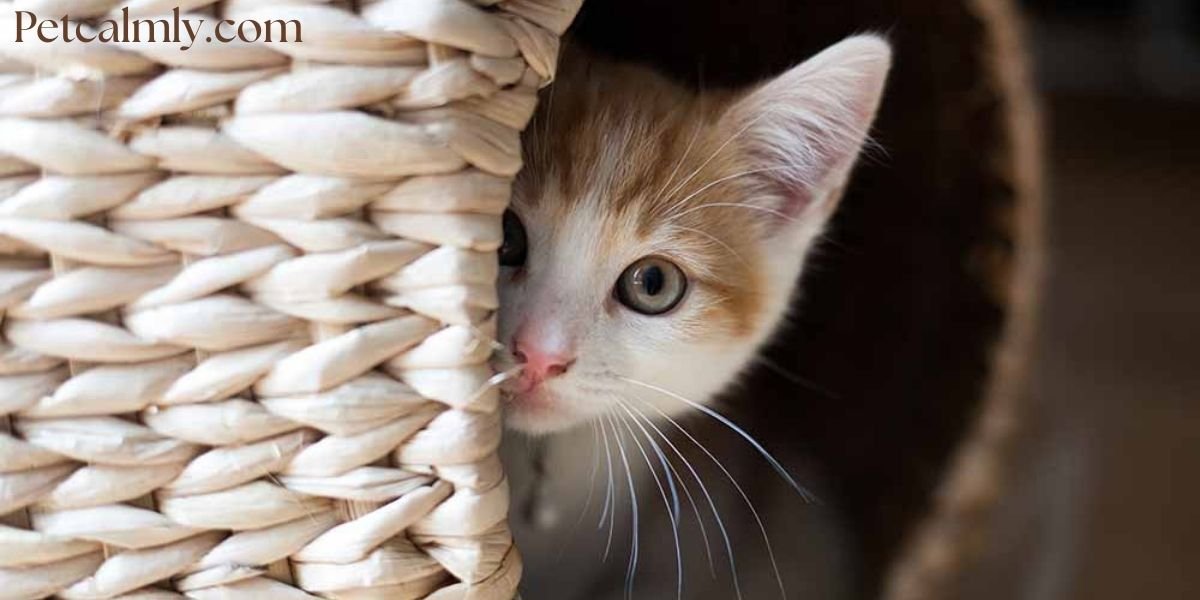
If you’ve ever wondered, “Why is my cat running away from me and hiding?” you’re not alone. Cat owners worldwide experience this puzzling behavior, where their once-affectionate feline suddenly darts under the bed or into a closet at the sight of them. This can be heartbreaking and confusing, but it’s often rooted in natural instincts, stress, or underlying issues. In this comprehensive guide, we’ll explore the reasons behind cat hiding behavior, why cats run away, and practical steps to help your furry friend feel secure again. Drawing from expert insights on feline behavior, we’ll cover everything from normal habits to potential health concerns, ensuring you get the answers you need to strengthen your bond with your cat.
Whether your cat is a playful kitten or a senior companion, understanding these behaviors is key to a happy home. Let’s dive into the world of scared cats, stressed felines, and how to address hiding in cats effectively.
The Basics of Cat Behavior: Why Hiding and Running Are Instinctual
Cats are mysterious creatures, and their actions often stem from evolutionary traits. Before assuming something’s wrong, it’s essential to recognize that hiding and running can be perfectly normal parts of feline behavior.
Instinctual Reasons for Hiding in Cats
In the wild, cats are both predators and prey. This dual role means they instinctively seek out safe, concealed spots to avoid danger or ambush prey. Hiding provides a sense of security, allowing them to observe their environment without being seen. Domestic cats retain this trait, often choosing warm, dark places like under furniture or in boxes for relaxation and napping.
For instance, if your cat hides occasionally during the day, it might simply be enjoying a peaceful retreat from household noise. This behavior is healthy and stress-reducing, especially in multi-pet homes where a cat might want to escape a boisterous dog or curious child. However, if the hiding becomes excessive or is paired with running away from you specifically, it could signal something more.
Playful Running: Is Your Cat Just Being a Cat?
Not all running away is negative. Cats are playful by nature, and darting away could be an invitation to chase or engage in fun. Kittens, in particular, exhibit this zoomie-like behavior as they burn off energy. If your cat runs but then peeks out or returns shortly after, it’s likely playtime rather than fear.
Observe body language: A playful cat might have dilated pupils, a twitching tail, and no flattened ears. In contrast, a scared cat running away will show signs like a puffed-up tail or low crouch. Understanding these cues helps differentiate between harmless antics and genuine avoidance.
Common Reasons Why Your Cat Is Running Away from You and Hiding
When a cat suddenly starts avoiding you, it’s time to investigate. Several factors can trigger this shift in behavior, from emotional stressors to physical ailments. Let’s break down the most frequent causes.
Stress and Anxiety in Cats
Stress is a top reason cats hide or run away. Felines are sensitive to changes in their environment, and what seems minor to us can overwhelm them. Common stressors include:
- New Household Members: Introducing a baby, another pet, or even frequent visitors can make your cat feel threatened, leading to hiding behavior.
- Routine Disruptions: Moving homes, rearranging furniture, or altering feeding schedules disrupts their sense of security.
- Loud Noises: Fireworks, construction, or vacuum cleaners can send a stressed cat scurrying for cover.
If your cat is stressed, they might also exhibit other signs like excessive grooming, loss of appetite, or inappropriate elimination. Addressing the root cause early prevents long-term issues.

Fear Triggers: Why Cats Get Scared Easily
Fear often manifests as running away, especially if your cat associates you with something unpleasant. Sudden movements, raised voices, or even unfamiliar scents on your clothes can trigger this response. For outdoor cats or those with access to the yard, external threats like neighborhood dogs or cars might amplify indoor fears.
A cat that’s been startled repeatedly may develop avoidance behaviors. For example, if you’ve accidentally stepped on their tail or scolded them, they might run preemptively. Building positive associations through gentle interactions is crucial here.

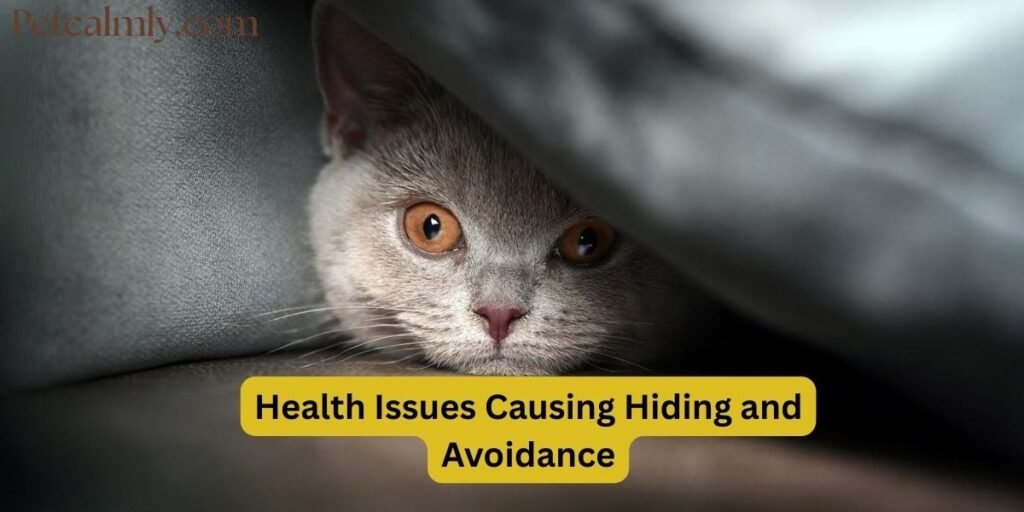
Health Issues Causing Hiding and Avoidance
One of the most serious reasons for a cat hiding is illness or pain. Cats are masters at masking discomfort, but sudden behavioral changes like running away or prolonged hiding are red flags. Possible health problems include:
- Dental Pain or Injuries: Toothaches or sprains make movement painful, prompting retreat.
- Infections or Chronic Conditions: Issues like urinary tract infections, arthritis, or hyperthyroidism can cause withdrawal.
- Age-Related Decline: Senior cats might hide due to cognitive dysfunction or sensory loss.
If hiding is accompanied by lethargy, vomiting, or weight loss, a vet visit is non-negotiable. Early
detection can make all the difference.
Environmental and Social Factors
Your home setup plays a big role in cat behavior. A lack of vertical space (like cat trees) or hiding spots can make a cat feel exposed, leading to improvised hiding. Similarly, if your cat lacks socialization perhaps from a feral background or early separation they may run away due to inherent shyness.
For multi-cat households, territorial disputes can cause one cat to hide from others, indirectly affecting their interaction with you.

How to Tell If Your Cat’s Behavior Is a Problem
Not all hiding is worrisome, but monitor for patterns. Normal hiding lasts short periods and occurs in familiar spots. Problematic behavior includes:
- Sudden onset after a previously outgoing personality.
- Hiding for days without eating or using the litter box.
- Aggression or hissing when approached.
Track these changes in a journal to share with your vet, helping pinpoint triggers.
Practical Solutions: How to Stop Your Cat from Running Away and Hiding
The good news? Most cases of cat running away and hiding are fixable with patience and adjustments. Here’s a step-by-step guide.
Schedule a Veterinary Check-Up
Rule out medical issues first. A thorough exam, including bloodwork, can identify hidden problems. If cleared, your vet might recommend behavioral consultations.
Create a Cat-Friendly Environment
Design safe zones with cozy beds, boxes, or tunnels where your cat can hide without isolating. Use pheromone diffusers like Feliway to promote calm. Ensure multiple litter boxes and feeding areas to reduce competition.
Build Trust Through Positive Interactions
Approach slowly and let your cat come to you. Use treats, toys, and gentle petting to associate you with good things. Avoid forcing interactions respect their space to rebuild confidence.
Reduce Stress Triggers
Minimize loud noises and introduce changes gradually. Play calming music or provide enrichment like puzzle feeders to keep your cat engaged and less prone to stress hiding.
Enrichment and Playtime Strategies
Regular play sessions mimic hunting, reducing boredom-related running. Interactive toys like laser pointers or feather wands encourage bonding without overwhelming your cat.
Prevention Tips for Long-Term Harmony
To prevent future episodes:
- Spay/neuter to curb territorial instincts.
- Microchip your cat in case they escape outdoors.
- Maintain consistent routines for feeding and play.
- Socialize kittens early to build resilience.
By implementing these, you’ll foster a secure environment where your cat feels safe emerging from hiding.
More Information About Pets, Please Visit Our Website: Petcalmly.com
Conclusion
Understanding “why is my cat running away from me and hiding” boils down to recognizing their instincts, stressors, and needs. From natural hiding behaviors to serious health concerns, addressing the root cause with empathy and action can transform your relationship. Remember, patience is key—cats thrive on trust, and with the right approach, your elusive feline can become your cuddly companion again. If issues persist, consult professionals for tailored advice. Your cat’s well-being is worth the effort, leading to a happier, healthier home for both of you.
Frequently Asked Questions
1. Is it normal for cats to hide sometimes?
Yes, hiding is a normal feline behavior rooted in their instincts as both predators and prey. It’s often for relaxation or safety, but excessive hiding warrants attention.
2. Why has my cat suddenly started running away from me?
Sudden changes could stem from stress, fear, or illness. Common triggers include environmental changes or health issues consult a vet if it persists.
3. How can I coax my hiding cat out?
Use gentle encouragement like treats or toys, but avoid forcing them. Create positive associations and provide safe spaces to build confidence gradually.
4. Could my cat’s hiding be due to pain?
Absolutely cats often hide when in pain from injuries or illnesses. Look for other signs like lethargy and seek veterinary care promptly.
5. What if my cat runs away outdoors?
Outdoor cats might hide nearby due to displacement or fear. Use humane traps, food lures, and check neighbors microchipping helps recovery.
6. How do I reduce stress in my cat to prevent hiding?
Minimize changes, provide enrichment, and use calming aids like pheromone sprays. Consistent routines and playtime go a long way in keeping your cat relaxed.