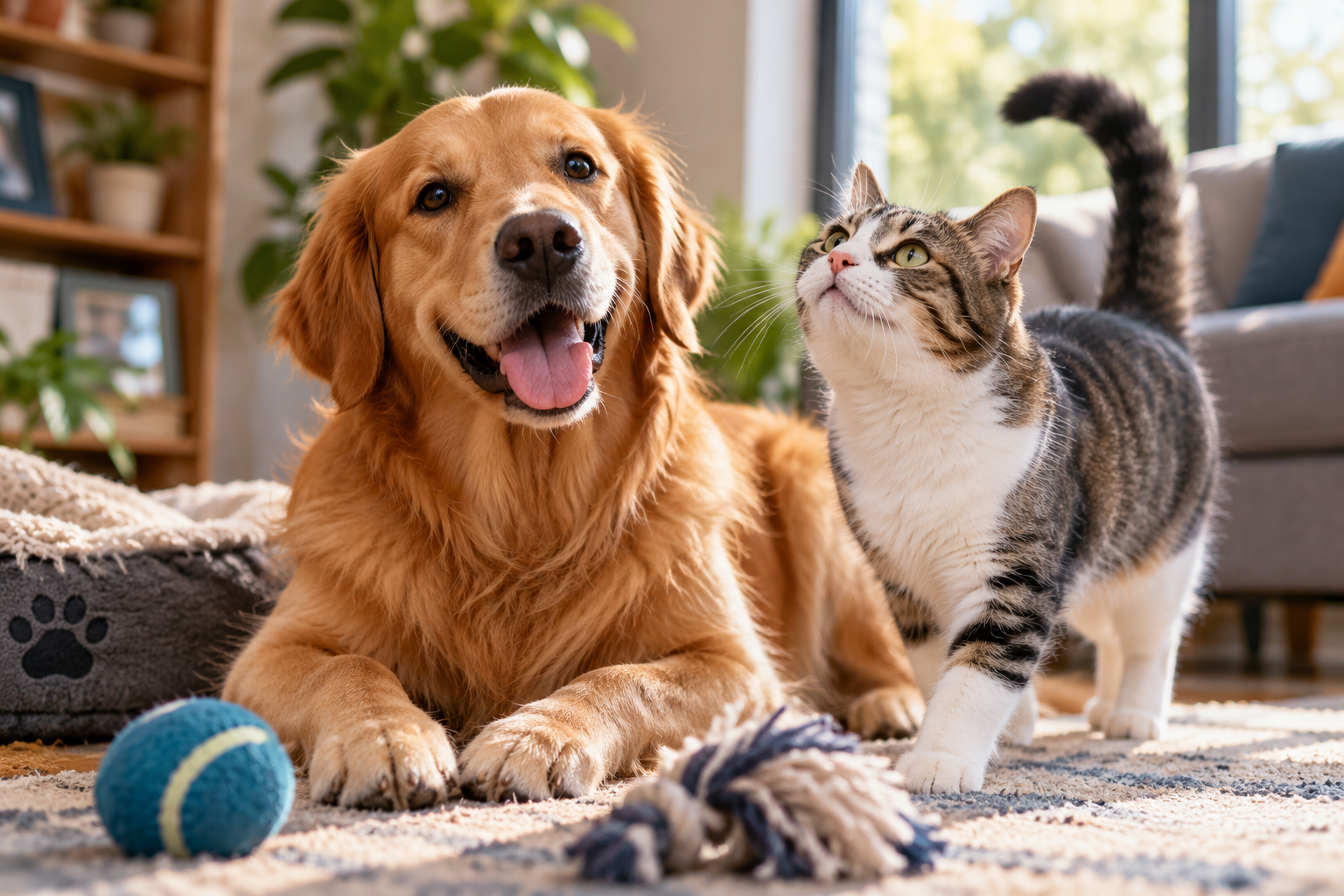
Every pet has a unique personality, but capturing it in a photograph can be surprisingly difficult. Your dog might be playful, your cat might be curious, or your rabbit might prefer peaceful moments, yet these traits do not always appear in posed pictures. The secret to great pet photography is to observe natural behavior, use comfortable settings, and capture genuine expressions. With a little patience, smart camera techniques, and thoughtful editing, you can turn simple everyday moments into meaningful photographs that reflect who your pet truly is.
Why Is Capturing Your Pet’s Personality More Important Than Getting a Perfect Photo?
A beautiful photograph does not always tell a meaningful story. You might capture a sharp image with perfect lighting, but it may still fail to show what makes your pet special. Personality-focused photography goes beyond appearance. It captures the habits, expressions, and little moments that make your companion unique.
For example, a dog that carries its favorite toy everywhere reveals more personality through that habit than through a perfectly posed portrait. Likewise, a cat curled up in its usual sunny corner can tell a story about its love for comfort. These natural moments often create a stronger emotional connection than carefully arranged photographs.
You can also use a photo filter tool to improve brightness, soften harsh shadows, or balance colors without changing your pet’s natural appearance. However, editing should support the moment rather than replace it. When your pet looks and behaves naturally, the photograph becomes a lasting memory instead of just another attractive image.
Key Takeaway: The best pet photographs capture authentic behavior and familiar habits rather than perfect poses or complicated editing.
How Can You Understand Your Pet’s Personality Before Taking Pictures?
Understanding your pet’s personality helps you recognize the moments worth photographing. Every animal has different preferences, habits, and responses to its surroundings. Some pets love attention and movement, while others feel happiest in quiet spaces.
Start by observing your companion during daily activities. Notice what excites them, where they enjoy resting, and how they interact with family members. Does your dog tilt its head when hearing a familiar word? Does your cat stretch dramatically after waking up? These small behaviors can become the most memorable photographs.
Also, consider your pet’s comfort level. Animals may show signs of stress when they face unfamiliar equipment, loud sounds, or unwanted attention. The ASPCA’s pet care resources offer helpful guidance on understanding and supporting different pets’ everyday needs.
What Personality Traits Should You Look For?
Focus on these common characteristics when planning your pictures:
- Playfulness: Running, jumping, chasing toys, and exploring.
- Curiosity: Sniffing objects, looking through windows, or investigating sounds.
- Affection: Leaning against family members, cuddling, or resting nearby.
- Calmness: Sleeping, stretching, or relaxing in favorite places.
- Independence: Exploring familiar areas or watching the world quietly.
Keep your camera nearby during activities that bring out these traits. Over time, you will learn when your pet naturally shows its most recognizable expressions.
Key Takeaway: Observe your pet’s regular habits and comfort signals before taking photographs. Familiar behavior reveals personality more clearly than forced poses.
What Is the Best Lighting for Natural Pet Photography?
Lighting affects how your pet’s fur, eyes, and expressions appear in photographs. Harsh light can create deep shadows, while poor lighting may hide important details. Fortunately, you do not need expensive equipment to create attractive pictures.
Natural light is often the easiest option. A window, shaded garden, or softly lit room can provide enough brightness for clear, comfortable photographs. Position yourself so the light falls gently across your pet’s face. This helps reveal facial features and fur texture without creating distracting shadows.
For indoor photography, open curtains and let daylight enter the room. Avoid placing your pet directly under strong overhead lighting when possible. If your companion enjoys sitting near a window, use that familiar location rather than moving them somewhere unfamiliar.
When Should You Take Outdoor Pet Photos?
Early morning and late afternoon often provide softer sunlight than midday. Photographers commonly call the period shortly after sunrise or before sunset the golden hour. Its warm, gentle light can add depth to outdoor portraits.
However, your pet’s routine matters more than the clock. If your dog becomes excited during a morning walk, photograph that natural enthusiasm. If your cat prefers watching birds during the afternoon, capture that moment instead.
Avoid using direct flash close to your pet’s face. Sudden bright light may startle sensitive animals and can produce unnatural-looking eyes in photographs.
Key Takeaway: Use soft natural light and familiar environments to capture clear expressions while keeping your pet comfortable.
How Do Camera Angles Help Show Your Pet’s True Character?
Camera angles can completely change the feeling of a photograph. Taking every picture from a standing position may make your pet appear distant or smaller than necessary. Instead, try photographing from different heights to create a more personal perspective.
Getting down to your pet’s eye level is one of the simplest improvements you can make. This angle lets viewers connect with your companion’s expression and see the world from its perspective. It also makes small movements, such as a curious head tilt or playful glance, more noticeable.
You can experiment with wider shots that include your pet’s surroundings. A dog beside its muddy walking boots or a cat surrounded by favorite toys creates a sense of place and personality. Keep the background simple so attention stays on your pet.
Which Camera Angles Work Best?
| Camera angle | Best use |
| Eye level | Expressive portraits and emotional connection |
| Low angle | Playful, energetic, or adventurous moments |
| Overhead | Sleeping positions and amusing body shapes |
| Close-up | Whiskers, paws, eyes, and facial expressions |
| Wide shot | Daily routines and interactions with surroundings |
Try several perspectives without interrupting your pet’s activity. Sometimes the most interesting picture comes from an unexpected position.
Key Takeaway: Shoot at eye level for emotional connection, then experiment with other angles to highlight your pet’s habits and expressions.
How Can You Capture Natural Expressions Without Forcing Poses?
The easiest way to photograph natural expressions is to let your pet behave normally. Animals rarely understand why people want them to sit still for pictures. Repeatedly asking them to pose can create frustration and reduce their willingness to participate.
Instead, turn photography into part of everyday life. Keep your phone or camera ready while your pet plays, rests, or explores. Use a favorite toy to encourage natural interest, but avoid making your companion perform unfamiliar actions just for a photograph.
For active pets, burst mode can be especially useful.
Burst mode is a camera setting that captures several pictures in quick succession. It helps you record brief expressions and fast movements that might disappear before you press the shutter.
Key Takeaway: Burst mode increases your chances of capturing spontaneous expressions during fast movement without requiring your pet to remain still.
How Can You Make Photography Feel Relaxed?
Follow these practical steps:
- Choose a place your pet already enjoys.
- Keep photography sessions short and flexible.
- Let your pet approach the camera naturally.
- Use toys or familiar sounds to attract attention gently.
- Stop when your pet shows signs of discomfort or wants to leave.
Avoid loud noises, excessive commands, or repeated interruptions. A relaxed pet is more likely to show genuine behavior.
Key Takeaway: Create opportunities for natural expressions instead of demanding poses. Patience and gentle interaction produce more authentic photographs.
How Do You Photograph Playful Pets Without Blurry Results?
Photographing movement can be challenging, especially when your pet loves running, jumping, or chasing toys. Fast actions often create blurred pictures because the camera cannot capture the movement quickly enough.
Start by photographing playful activities in well-lit areas. More light allows many cameras to use faster shutter speeds, which can reduce motion blur. A shutter speed controls how long the camera collects light for each photograph. Faster shutter speeds freeze movement more effectively.
If your camera offers manual controls, try a shutter speed around 1/500 of a second as a starting point for active pets. You may need a faster setting for quick movement or a different setting in low light. Smartphone users can experiment with action modes, continuous shooting, and available focus controls.
What Everyday Activities Make Great Action Photos?
Consider photographing your pet while:
- Running toward a familiar person.
- Playing with a favorite toy.
- Exploring the garden or another safe outdoor area.
- Stretching after a nap.
- Jumping onto a familiar, safe surface.
- Interacting naturally with another household pet.
Focus on moments that your companion already enjoys. Do not encourage risky jumps or exhausting activity just to create an exciting photograph.
Key Takeaway: Combine good lighting, fast shutter speeds, and familiar activities to capture lively pictures with less motion blur.
How Can Simple Photo Editing Improve Pet Pictures Without Losing Their Natural Look?
Editing can make everyday pet photographs clearer and more visually appealing. However, excessive filters may change fur colors, hide natural features, or make an ordinary moment look artificial. The goal is to improve image quality while preserving personality.
Start with small adjustments to brightness, contrast, and color balance. If a photograph looks too dark, gently increase exposure. If the fur appears unusually yellow or blue, adjust the white balance to restore natural colors. Cropping can also help remove clutter and guide attention toward your pet’s face.
A photo filter tool can simplify these adjustments by applying preset visual styles. Choose subtle options that enhance the existing photograph rather than dramatically changing its mood. Compare the edited image with the original before saving your final version.
Which Editing Adjustments Work Best for Pet Photos?
| Adjustment | Purpose | Practical tip |
| Brightness | Makes details easier to see | Avoid washing out light-colored fur |
| Contrast | Adds depth and definition | Keep shadows soft enough to show detail |
| White balance | Corrects unwanted color tones | Preserve natural fur colors |
| Crop | Removes distracting objects | Leave room around ears, paws, and tails |
| Sharpness | Improves visible detail | Avoid excessive sharpening around fur |
For more technical guidance, Adobe’s pet photography guide explains practical approaches to lighting, composition, and photographing animals.
Key Takeaway: Use gentle editing to improve clarity, color, and composition while keeping your pet’s appearance realistic and recognizable.
How Can Everyday Routines Become Meaningful Pet Photo Stories?
You do not need birthdays, holidays, or special occasions to capture memorable pet photographs. Everyday routines often reveal more personality because your companion feels comfortable and behaves naturally.
Think about the small moments that repeat throughout the week. Your dog might wait beside the door before a walk. Your cat may claim the same chair every afternoon. Your rabbit might investigate a familiar cardboard tunnel. Photographing these habits creates a visual record of your pet’s character.
You can also build a simple photo story around a daily routine. For example, document your dog’s morning walk by capturing an excited expression before leaving, a curious sniff along the route, and a peaceful rest afterward. Together, these photographs reveal different sides of the same personality.
How Do You Create a Simple Pet Photo Journal?
Choose a recurring theme, such as morning habits, favorite toys, or resting places. Capture two or three photographs each week and add a brief description of what happened.
Organize the pictures by date or activity. Over time, your journal can show how your pet’s interests, routines, and behavior change.
It can also help you appreciate quieter moments that might otherwise go unnoticed.
Key Takeaway: Photograph ordinary routines consistently to create a meaningful visual story of your pet’s habits, preferences, and personality.
What Common Mistakes Should You Avoid in Pet Photography?
Many pet photography problems come from rushing or focusing too much on technical perfection. One common mistake is taking photographs only when an animal looks directly at the camera. Although eye contact can create lovely portraits, natural interactions often tell a richer story.
Another mistake is using distracting backgrounds. Busy furniture, bright objects, and clutter can pull attention away from your pet. Move your own position or change the camera angle to simplify the scene without disturbing the animal.
Finally, avoid extending sessions when your pet loses interest. Watch for changes in body language, such as moving away, hiding, freezing, or showing other signs of discomfort. Different species express stress differently, so learn your own pet’s signals.
Quick Checklist for Better Everyday Pet Photos
- Choose a familiar, comfortable location.
- Use soft light whenever possible.
- Focus on your pet’s eyes or main expression.
- Capture natural activities rather than forced poses.
- Keep distracting objects out of the frame.
- Take several pictures and select the strongest moment.
- Make small edits while preserving natural colors.
Remember that a technically imperfect image can still become a treasured memory if it captures a meaningful expression.
Key Takeaway: Prioritize comfort, natural behavior, and simple composition. A genuine moment often matters more than a flawless photograph.
Frequently Asked Questions
1. How do I take better pet photos using only my smartphone?
Use natural light, clean your phone’s camera lens, and photograph your pet at eye level. Tap the screen to focus on the face, and try burst mode when your pet moves quickly.
Quick Answer: Good lighting, eye-level angles, and careful focus can improve smartphone pet photos without extra equipment.
2. What is the best time to photograph my pet?
The best time is when your pet feels relaxed or naturally active. Soft morning or evening light often helps outdoors, but your companion’s normal routine should guide your timing.
Quick Answer: Photograph your pet during comfortable, familiar activities when suitable light is available.
3. How can I make my pet look natural in pictures?
Avoid repeated posing commands and allow your pet to explore, play, or rest as usual. Keep sessions short and photograph spontaneous behavior.
Quick Answer: Let your pet act naturally and capture genuine expressions without forcing attention toward the camera.
4. Should I use filters on my pet’s photographs?
Yes, subtle filters can improve brightness, tone, and overall appearance. Avoid strong effects that alter natural fur colors or hide facial details.
Quick Answer: Use subtle filters to enhance the photograph while preserving your pet’s recognizable features.
5. How many photographs should I take to capture a good moment?
There is no fixed number. Take several photographs during a natural activity, then choose the image that best represents your pet’s behavior and expression. Stop when your pet needs a break.
Quick Answer: Capture several natural moments and select the most expressive image rather than aiming for a specific number.
Understanding your pet’s expressions is just as important as capturing them on camera. Learning how to read pet body language signals can help you recognize when your companion feels relaxed, playful, curious, or uncomfortable during photography sessions.
Conclusion: Make Every Pet Photograph Tell a Personal Story
Capturing your pet’s personality is less about owning professional equipment and more about paying attention to everyday behavior. The most meaningful photographs often come from familiar routines, spontaneous expressions, and moments when your companion feels completely comfortable.
By understanding your pet’s habits, using gentle lighting, exploring different camera angles, and practicing thoughtful editing, you can create pictures that feel genuine and personal. Whether your pet is chasing a toy, watching the world through a window, or sleeping peacefully beside you, every moment offers an opportunity to preserve part of its unique character.
Most importantly, let photography strengthen your connection with your pet rather than interrupting it. Enjoy the experience, respect your companion’s comfort, and remember that the most valuable photographs are often the ones that tell the simplest stories.
Final Takeaway: Authentic pet photography combines patience, natural behavior, comfortable environments, clear composition, and subtle editing. Focus on telling your pet’s story, not creating a perfect pose.