Short direct answer
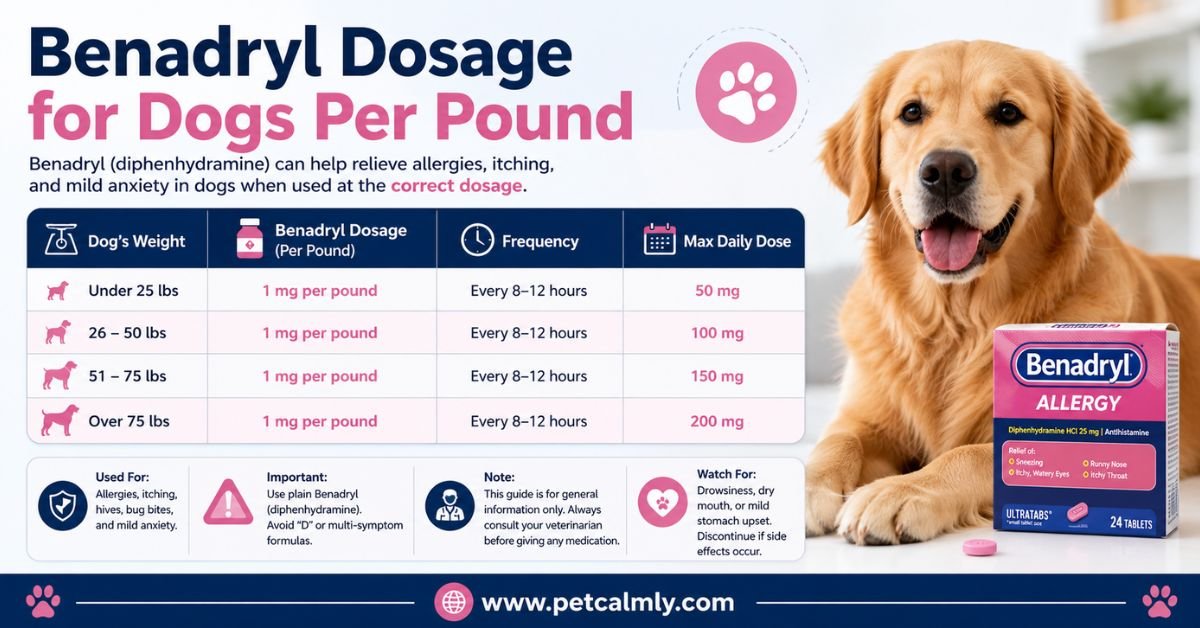
The commonly recommended Benadryl dosage for dogs is 1 milligram (mg) per pound of body weight, given every 8–12 hours, unless your veterinarian advises otherwise. This guideline applies only to plain Benadryl containing diphenhydramine as the active ingredient. Because every dog has different health needs, age, medications, and medical conditions, it’s always safest to confirm the correct dose with your veterinarian before giving Benadryl.
Understanding Benadryl for Canine Use
What is Benadryl?
Benadryl is a brand name for diphenhydramine, an antihistamine primarily designed for human use but commonly recommended for dogs by veterinarians. It works by blocking histamine receptors in the body, which are responsible for triggering allergic reactions. For dogs, Benadryl is often used to alleviate symptoms like itching, swelling, hives, and watery eyes caused by allergies. It’s available in various forms, including tablets, capsules, liquid, and even topical creams, making it versatile for different administration preferences.
Diphenhydramine has been a go-to option for pet allergy relief since its approval for human use in the 1940s, and its application in veterinary medicine has grown over the decades. According to veterinary sources, it’s one of the most frequently suggested over-the-counter medications for canine allergies. However, not all formulations are safe for dogs avoid products with added ingredients like decongestants (e.g., Benadryl-D), as they can be toxic.
The Role of Antihistamines in Dog Health
Antihistamines like Benadryl play a vital role in managing allergic responses in dogs. Histamines are chemicals released by the immune system during an allergic reaction, leading to inflammation and discomfort. By inhibiting these, Benadryl provides quick relief, often within 30 minutes to an hour after administration. This makes it particularly useful for acute situations, such as a bee sting or exposure to pollen.
In the context of dog health, antihistamines are part of a broader category of treatments for conditions like atopic dermatitis, food allergies, and environmental sensitivities. Pet owners often turn to Benadryl as a first-line defense because it’s affordable and readily available. However, it’s not a cure-all; chronic issues may require more advanced veterinary interventions.
When Should You Give Benadryl to Your Dog?
Common Allergic Reactions in Dogs
Dogs can experience a wide range of allergic reactions, and Benadryl is frequently used to manage them. Common triggers include pollen, dust mites, mold, insect bites, and certain foods. Symptoms might manifest as excessive scratching, red skin, ear infections, or even gastrointestinal upset. For instance, breeds like Bulldogs, Labrador Retrievers, and Golden Retrievers are more prone to allergies due to genetic factors.
If your dog shows signs of an allergic reaction such as hives, facial swelling, or incessant paw licking Benadryl can help reduce the histamine response. It’s also sometimes used for motion sickness during car rides or mild sedation for anxiety-inducing events like thunderstorms or fireworks. Always observe your dog’s behavior closely; if symptoms persist or worsen, seek professional veterinary advice immediately.
Other Uses of Benadryl for Dogs
Beyond allergies, Benadryl has off-label uses in veterinary care. Veterinarians may recommend it for mast cell tumors, where it helps control histamine release from cancerous cells. It’s also employed in emergency situations for anaphylactic shock, though injectable forms are preferred in clinics. Additionally, some pet owners use it for sleep aid in dogs with insomnia-like behaviors, but this should only be done under vet supervision to avoid dependency or masking underlying issues.
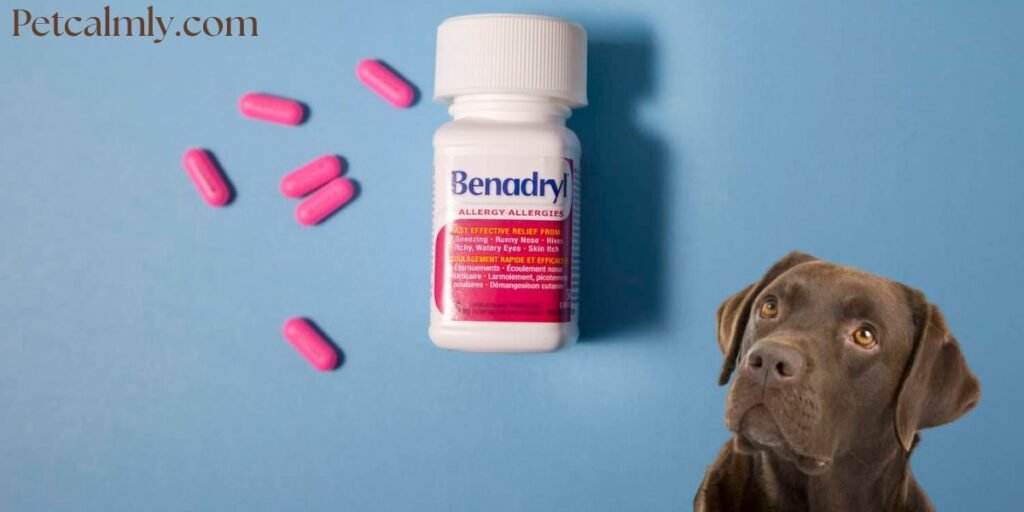
In holistic pet care approaches, Benadryl is sometimes combined with natural remedies like omega-3 fatty acids or herbal supplements for enhanced allergy management. However, integrating such treatments requires careful consideration of interactions and dosages.
Calculating the Correct Benadryl Dosage for Dogs
Standard Dosage Guidelines Per Pound
The standard Benadryl dosage for dogs is approximately 1 mg per pound of body weight, administered every 8 to 12 hours, or two to three times a day. This equates to about 2.2 mg per kilogram for those using metric measurements. For example, a 25-pound dog would typically receive 25 mg of diphenhydramine.
Veterinary experts emphasize that while 1 mg per pound is a general rule, dosages can vary slightly based on the dog’s age, health status, and the severity of symptoms. Some sources suggest a range of 1-2 mg per pound for milder cases, while others recommend up to 0.9-1.8 mg per pound for more intense reactions. Always start with the lower end and monitor your dog’s response.
Benadryl Dosage Chart for Dogs
To make dosing easier, here’s a simple chart based on common dog weights. Remember, this is for informational purposes only consult your vet for personalized advice.
| Dog Weight (Pounds) | Recommended Dosage (mg) | Frequency |
|---|---|---|
| 5-10 | 5-10 | Every 8-12 hours |
| 11-20 | 11-20 | Every 8-12 hours |
| 21-30 | 21-30 | Every 8-12 hours |
| 31-40 | 31-40 | Every 8-12 hours |
| 41-50 | 41-50 | Every 8-12 hours |
| 51-60 | 51-60 | Every 8-12 hours |
| 61-70 | 61-70 | Every 8-12 hours |
| 71-80 | 71-80 | Every 8-12 hours |
| 81-90 | 81-90 | Every 8-12 hours |
| 91-100 | 91-100 | Every 8-12 hours |
For dogs over 100 pounds, calculate 1 mg per pound and divide into appropriate pill sizes (e.g., 25 mg tablets). Liquid Benadryl (children’s formula) is ideal for smaller dogs, with a concentration of 12.5 mg per 5 ml teaspoon.
Forms of Benadryl and How to Choose
Benadryl comes in tablets (25 mg or 50 mg), capsules, and liquid forms. For precise dosing in small dogs, the liquid version is preferable as it allows for easier measurement. Avoid extended-release capsules, as they can lead to uneven absorption in dogs. When selecting a product, ensure it’s plain diphenhydramine without additives like acetaminophen, which is highly toxic to dogs.
Calculating dosage involves weighing your dog accurately use a pet scale or visit your vet. Multiply the weight by 1 mg, then round to the nearest available pill strength. For instance, a 15-pound dog gets 15 mg; you might use half a 25 mg tablet or the equivalent in liquid.
How to Administer Benadryl to Dogs
Administering Benadryl can be straightforward with the right techniques. For tablets, hide them in treats like peanut butter or pill pockets. Liquid forms can be mixed with food or given directly via syringe. Always give with a meal to reduce stomach upset.

Timing is key: Administer doses consistently to maintain effectiveness. If your dog refuses medication, consult your vet for alternatives like flavored compounding. Never force medication, as it can cause stress or injury.
Potential Side Effects of Benadryl in Dogs
While generally safe, Benadryl can cause side effects. Common ones include drowsiness, dry mouth, urinary retention, and hyperactivity (paradoxical reaction in some dogs). Less common but serious effects are rapid heartbeat, seizures, or respiratory issues, especially in overdose.
Monitor your dog for the first hour after dosing. If side effects occur, stop use and contact your vet. Puppies, senior dogs, and those with pre-existing conditions like glaucoma or heart disease are more susceptible.
Precautions and Warnings When Using Benadryl for Dogs
When Not to Use Benadryl
Avoid Benadryl if your dog has conditions like glaucoma, hypertension, or prostate issues, as it can exacerbate them. Pregnant or nursing dogs should not receive it without vet approval. Also, if allergies are severe or involve breathing difficulties, seek emergency care instead.
Drug Interactions and Overdose Risks
Benadryl can interact with sedatives, tranquilizers, or other antihistamines, leading to excessive drowsiness. Inform your vet of all medications your dog is on. Overdose symptoms include vomiting, diarrhea, and lethargy treat as an emergency.
For safety, store Benadryl out of reach and use child-proof containers.
Alternatives to Benadryl for Dog Allergies
If Benadryl isn’t suitable, consider alternatives like cetirizine (Zyrtec) at 0.5 mg per pound or loratadine (Claritin) at 0.2 mg per pound. Natural options include quercetin supplements or oatmeal baths. For chronic allergies, prescription meds like Apoquel or immunotherapy may be better.
Discuss with your vet to find the best fit based on your dog’s needs.
Consulting Your Veterinarian: Why It’s Essential
No article replaces professional advice. Your vet can assess your dog’s health, confirm the diagnosis, and adjust dosages. Regular check-ups ensure safe, effective treatment.
Frequently Asked Questions
1. Is Benadryl safe for all dog breeds?
Benadryl is generally safe for most breeds, but brachycephalic dogs (e.g., Pugs) may have breathing issues due to drowsiness. Always consult a vet.
2. Can I give my puppy Benadryl?
Puppies can receive Benadryl, but at lower doses (0.5-1 mg per pound) and only under vet guidance, as they’re more sensitive.
3. How long does Benadryl take to work in dogs?
It typically starts working within 30-60 minutes, with effects lasting 4-8 hours.
4. What if my dog overdoses on Benadryl?
Seek immediate veterinary care. Symptoms include seizures and coma; treatment may involve activated charcoal.
5. Can Benadryl be used for dog anxiety?
Yes, for mild cases like travel anxiety, but it’s not a long-term solution. Consider behavioral training or vet-prescribed anxiolytics.
6. Is generic diphenhydramine the same as Benadryl for dogs?
Yes, as long as it’s pure diphenhydramine without additives, generics are equivalent and often cheaper.
More Information About Pets, Please Visit Our Website: Senior Dog Anxiety at Night Symptoms
Conclusion
Understanding the Benadryl dosage for dogs per pound empowers you to provide timely relief for your pet’s allergies and discomfort. With a standard guideline of 1 mg per pound every 8-12 hours, combined with careful monitoring and veterinary consultation, you can safely incorporate this antihistamine into your dog’s care routine. Remember, while Benadryl offers effective symptom management for issues like itching, hives, and mild anxiety, it’s not a substitute for addressing underlying causes. Prioritize your dog’s health by scheduling regular vet visits and exploring holistic options if needed. By following these tips, you’ll help your furry friend lead a happier, itch-free life. If symptoms persist, don’t hesitate to seek professional help your dog’s well-being is worth it.