
Short direct answer
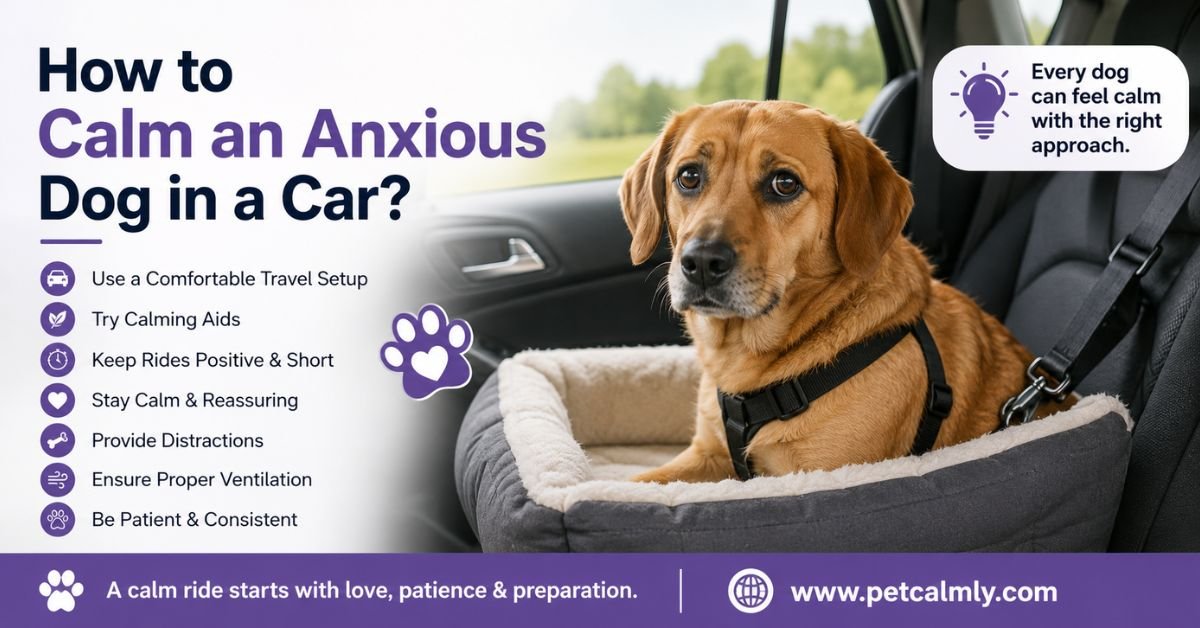
If your dog is panicking in the car, the fastest relief comes from combining three things: creating a secure, comfortable space in your vehicle, practicing short, positive trips before longer drives, and helping your dog associate the car with good things rather than stress. Start with even 30-second car sessions where you just sit in a parked vehicle together. Many owners see meaningful improvement within 2-4 weeks of consistent, gentle exposure but some anxious dogs benefit from professional help or calming supplements recommended by a vet.
The reality is this: car anxiety in dogs is incredibly common, deeply frustrating for owners, and absolutely manageable with the right approach. You’re not alone, and your dog isn’t broken.
Why Dogs Get Anxious in Cars
Before addressing how to calm an anxious dog in a car, it’s essential to understand the underlying reasons. Dogs aren’t born fearing cars; anxiety often stems from negative experiences, lack of exposure, or inherent sensitivities. Common triggers include motion sickness, unfamiliar noises like traffic or engine sounds, and associations with unpleasant destinations such as the veterinarian’s office.
Common Causes of Dog Car Anxiety
Motion sickness is a primary culprit, especially in puppies or breeds prone to nausea. The inner ear imbalance caused by movement can lead to dizziness and discomfort, mimicking human car sickness. Past traumas, like a car accident or rough handling during transport, can also create lasting fears. Additionally, separation anxiety amplifies the problem if your dog associates car rides with being left alone.
Breeds like Chihuahuas, Dachshunds, or rescue dogs with unknown histories may be more susceptible. Environmental factors, such as hot temperatures inside the vehicle or sudden stops, exacerbate the issue. Recognizing these causes is the first step in tailoring effective calming strategies for your anxious dog during car travel.
Signs Your Dog is Anxious in the Car
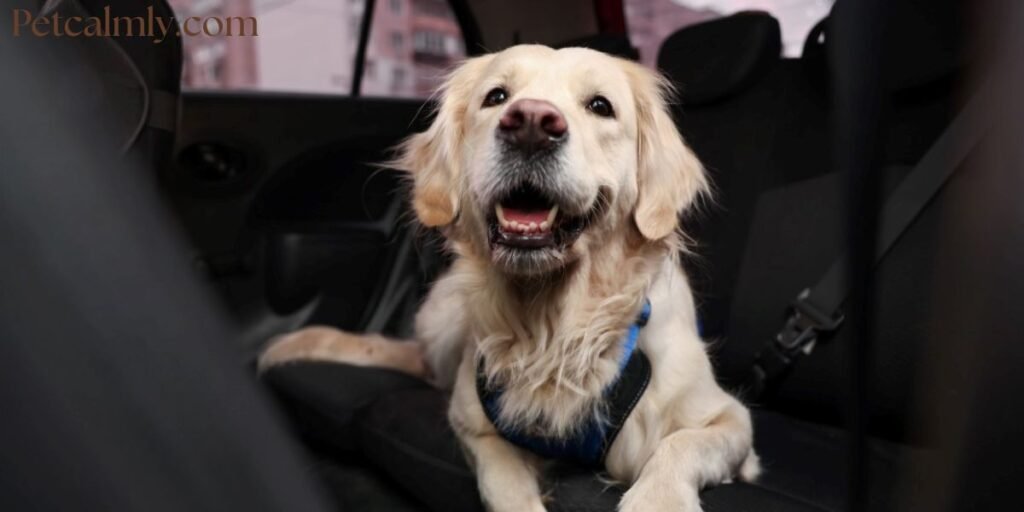
Spotting anxiety early allows for quicker intervention. Look for physical symptoms like excessive drooling, trembling, or pacing. Behavioral cues include whining, barking, or attempting to escape the vehicle. More severe signs might involve vomiting, diarrhea, or destructive chewing on seat belts.
If your dog refuses to enter the car or hides when you grab the keys, that’s a clear indicator of car phobia. Monitoring these signs helps you gauge the severity and choose appropriate methods to calm your dog in the car, ensuring rides become less daunting over time.
Preparing Your Dog for Calm Car Rides
Preparation is key to preventing anxiety before it escalates. Start by building positive associations with the car through gradual exposure. This desensitization process can significantly reduce fear and make future trips smoother.
Desensitization Training Techniques
Desensitization involves slowly introducing your dog to the car environment without overwhelming them. Begin by letting your dog explore the parked car with the engine off. Offer treats and praise to create positive memories. Gradually progress to short sits inside the vehicle, then turn on the engine without moving.
Counter-conditioning pairs the car with rewards, like favorite toys or meals. For instance, feed your dog in the car or play games there. Over weeks, extend to brief drives around the block, always ending on a positive note. Consistency is crucial aim for daily sessions to reinforce calm behavior.
Creating a Comfortable Car Environment
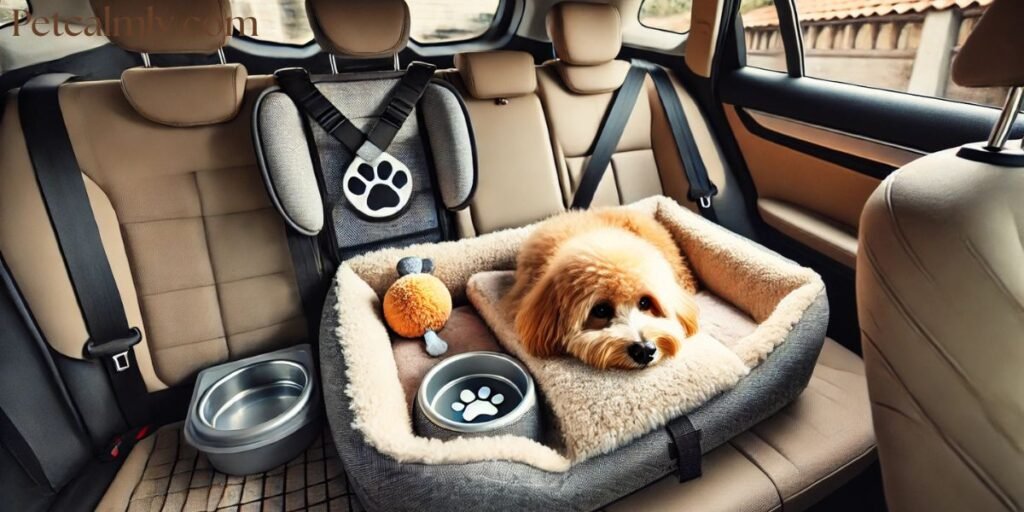
Transform the car into a safe haven. Use familiar bedding or blankets with your scent to provide comfort. Ensure proper ventilation and temperature control; dogs can overheat quickly. Secure your dog with a crash-tested harness or crate to prevent injury and reduce anxiety from instability.
Avoid feeding large meals before trips to minimize nausea. Hydration is important, so bring water and stop for breaks on longer journeys. These preparations lay the foundation for calming an anxious dog in a car effectively.
Effective Calming Techniques During Car Rides
Once on the road, employ real-time strategies to soothe your dog. These methods range from natural remedies to behavioral cues, helping manage anxiety in the moment.
Natural Remedies and Supplements
Herbal options like chamomile or valerian root can promote relaxation. Consult your vet before using supplements, as dosages vary by size and breed. CBD oil for dogs has gained popularity for its calming effects without sedation; look for pet-specific products free of THC.
Pheromone diffusers, such as Adaptil collars or sprays, mimic calming scents from nursing mothers. These can be plugged into car adapters or applied to bedding. Essential oils like lavender should be used cautiously, diluted, and never ingested, as some are toxic to dogs.
Behavioral and Distraction Methods
Distraction works wonders. Provide chew toys or puzzle feeders filled with treats to keep your dog occupied. Soft, classical music or dog-specific playlists on apps like Spotify can drown out scary noises and induce calm.
Practice deep pressure therapy by wrapping your dog in a thunder shirt or anxiety wrap, which applies gentle pressure like a hug. If safe, have a passenger offer gentle petting or massage. Avoid punishment for anxious behaviors, as it can worsen the fear.
Managing Motion Sickness
For nausea-prone dogs, medications like Cerenia (prescribed by vets) can prevent vomiting. Ginger treats or acupressure bands designed for pets offer natural alternatives. Drive smoothly, avoiding sharp turns, and open windows slightly for fresh air. Frequent stops allow your dog to regroup and relieve themselves.
Recommended Products for Calming Anxious Dogs in Cars
Investing in the right gear can make a big difference. From safety restraints to calming aids, these tools support your efforts to calm an anxious dog in a car.
Safety Harnesses and Crates
Crash-tested harnesses from brands like Sleepypod or Ruffwear secure your dog while allowing movement. Crates provide a den-like space; choose ventilated, airline-approved models for security. Place the crate in the back seat or cargo area, covered partially to reduce visual stimuli.
Calming Aids and Accessories
ThunderShirts apply acupressure for instant calm. Adaptil diffusers release pheromones via car vents. Interactive toys like Kongs stuffed with peanut butter distract during rides. GPS trackers add peace of mind if your dog bolts during stops.
Tech Gadgets for Pet Travel
Pet cameras like Furbo allow monitoring via app, with treat-dispensing features. Cooling mats prevent overheating, while portable fans maintain airflow. Always prioritize vet-recommended products to ensure safety.
When to Seek Professional Help for Dog Car Anxiety
If home remedies fall short, professional intervention may be needed. Severe cases, like aggression or extreme phobia, warrant a visit to a veterinarian or certified animal behaviorist.
Consulting a Veterinarian
Vets can rule out medical issues like ear infections contributing to anxiety. They may prescribe anti-anxiety meds like trazodone for short-term use. Blood tests ensure no underlying health problems.
Working with a Dog Trainer or Behaviorist
Certified trainers use positive reinforcement to address root causes. Programs like those from the Certification Council for Professional Dog Trainers focus on customized plans. Group classes for anxious pets build socialization skills.

In extreme scenarios, consider holistic approaches like acupuncture or hydrotherapy to reduce overall stress levels.
Frequently Asked Questions
1. What are the first signs of anxiety in dogs during car rides?
Early signs include panting, yawning, lip licking, or avoiding eye contact. More obvious indicators are whining, trembling, or hiding. Monitoring these helps intervene early when calming an anxious dog in a car.
2. Can I use human anxiety medication for my dog’s car phobia?
No, human medications like Xanax can be toxic to dogs. Always consult a vet for pet-safe options, such as fluoxetine or natural supplements tailored for canine use.
3. How long does it take to desensitize a dog to car rides?
It varies by dog, but with consistent training, improvement can be seen in 2-4 weeks. Start slow and be patient; rushing can set back progress in calming dog anxiety in cars.
4. Are there breeds more prone to car anxiety?
Yes, small breeds like Toy Poodles or those with brachycephalic (flat-faced) features, such as Bulldogs, may experience more issues due to breathing difficulties or sensitivity. However, any dog can develop anxiety.
5. What if my dog vomits every time we drive?
This could indicate motion sickness. Try vet-prescribed anti-nausea meds, fasting before trips, or natural remedies like ginger. Ensure the car is cool and well-ventilated.
6. Can music really help calm an anxious dog in a car?
Absolutely. Studies show reggae or soft rock can lower heart rates in dogs. Apps offer playlists designed for pet relaxation, making it a simple, effective tool.
More Information About Pets, Please Visit Our Website: What Kills Fleas on Dogs Instantly Without Bathing
Do Cats Remember Their Siblings When They Die?
What to Use to Clean Dogs Ears Home Remedies
Conclusion
Calming an anxious dog in a car requires patience, understanding, and a multi-faceted approach. By identifying causes, preparing through desensitization, and using techniques like pheromones, distractions, and safe products, you can significantly reduce your dog’s stress. Remember, every dog is unique what works for one may need tweaking for another. If anxiety persists, don’t hesitate to seek veterinary or behavioral expertise.
With these strategies, car rides can become bonding opportunities rather than ordeals. Prioritize your dog’s well-being, and soon you’ll both enjoy the open road. Safe travels!