Short direct answer
To stop your dog from pulling on the leash, start with consistent loose-leash training: Stop walking when they pull, and reward them with treats and praise when the leash is slack. Use a front-clip harness to reduce pulling power. Practice in low-distraction areas first, gradually increasing challenges. Patience and short sessions (10-15 minutes) are key for success.
Walking your dog should be a joyful bonding experience, not a frustrating tug-of-war. For many pet owners in the USA, leash pulling leads to sore arms, shorter walks, and even safety risks like your dog darting into traffic. Addressing this common behavior early improves your dog’s manners, enhances your control, and makes outings more enjoyable for both of you.
Why Do Dogs Pull on the Leash? 6 Reasons
Dogs pull for various instinctive and learned reasons. Understanding these helps you tailor your approach effectively.
1: Excitement and Eagerness to Explore
Many dogs pull because they’re thrilled about the walk. Scents, sights, and sounds excite them, making them forge ahead. For example, a young Labrador might lunge toward a park, ignoring your pace.
This eagerness stems from their natural curiosity. Without training, they learn that pulling gets them where they want faster.
2: Lack of Proper Training
If a dog hasn’t been taught leash manners from puppyhood, pulling becomes a habit. Owners who allow it unintentionally reinforce the behavior.
Think of it like this: Every time your dog pulls and you follow, it’s like rewarding them. Breeds like Huskies, bred for pulling sleds, may need extra guidance.

3: Fear or Anxiety Triggers
Some dogs pull to escape scary situations. Loud noises, unfamiliar people, or other dogs can trigger this reactive pulling.
A rescue dog might yank away from a busy street due to past trauma. Signs include flattened ears, tucked tail, or wide eyes during walks.
4: Breed-Specific Tendencies
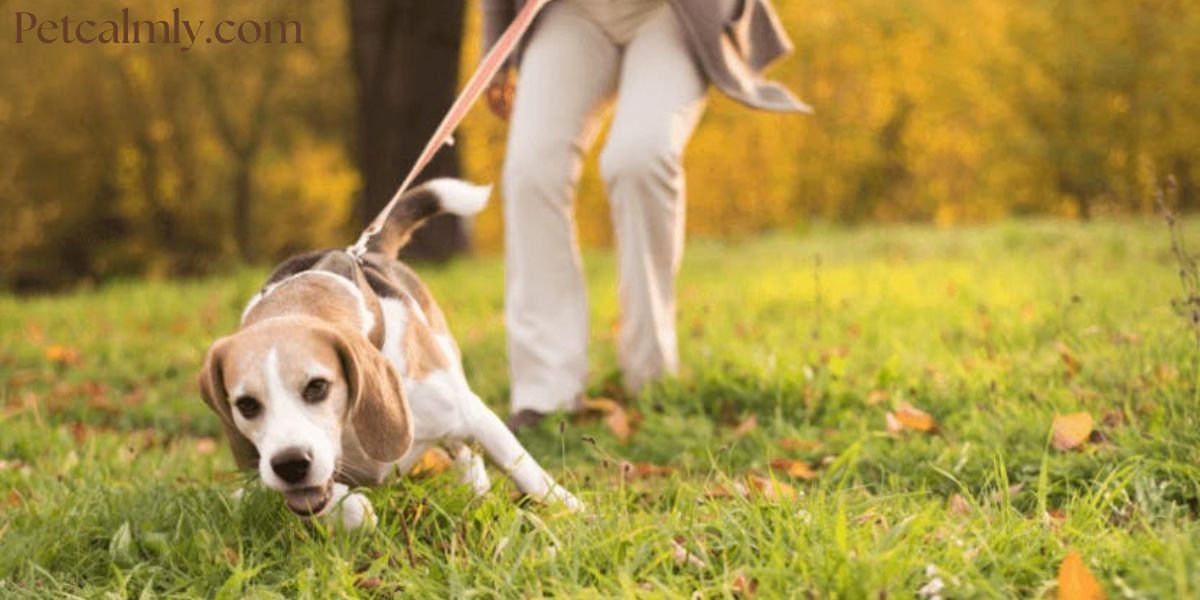
Certain breeds are prone to pulling due to genetics. Scent hounds like Beagles follow their nose, while working dogs like German Shepherds have high energy.
It’s not just big dogs small ones like Jack Russell Terriers can pull hard too. Recognizing breed traits helps set realistic expectations.
5: Medical Issues Causing Discomfort
Pain or health problems can make dogs pull. Arthritis, ear infections, or allergies might cause them to rush home or avoid certain paths.
Watch for limping, excessive panting, or reluctance to walk. A vet check-up rules out these hidden causes.
6: Inconsistent Owner Handling
Mixed signals confuse dogs. If one family member allows pulling while another corrects it, the dog won’t learn consistently.
Real-life example: Weekday walks with a strict routine work well, but weekend leniency undoes progress.
Signs Your Dog’s Pulling Is a Problem
Spotting early signs prevents escalation. Constant tension on the leash strains your dog’s neck and your shoulders.
Look for chafing on their throat, coughing after walks, or you feeling exhausted. If pulling leads to near-misses with cars or other dogs, it’s urgent.
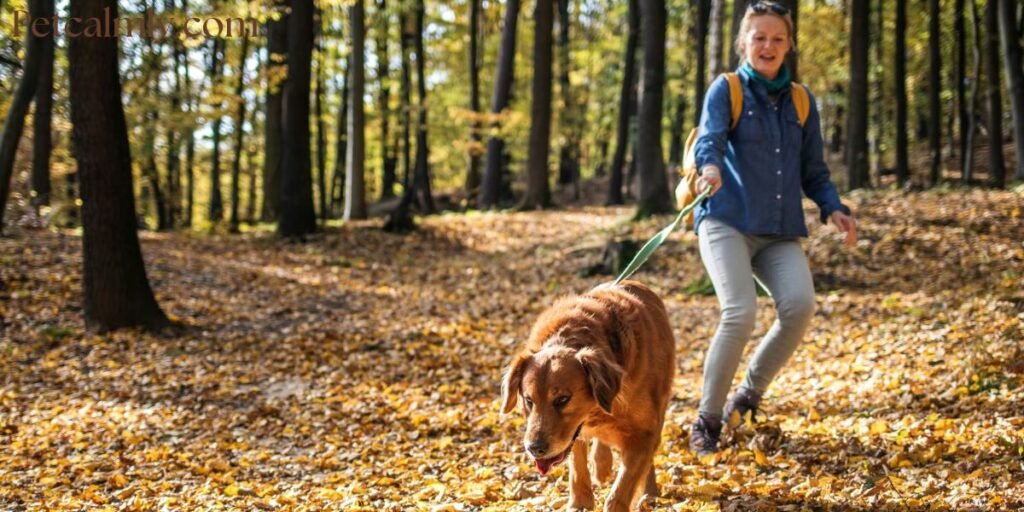
Behavioral clues include ignoring commands, lunging at stimuli, or pulling that worsens over time. These indicate the need for immediate intervention.
Common Concerns for Pet Owners
Leash pulling raises safety worries. A strong dog can pull you off balance, risking falls especially for seniors or kids.
It limits social interactions; pulled dogs seem unruly, deterring playdates. Plus, it shortens walks, reducing exercise for overweight pets.
Emotionally, it frustrates owners, leading to skipped outings. This affects your dog’s mental health, as walks provide essential stimulation.
When Should You Be Concerned ?
Be alert if pulling persists despite basic training efforts. Sudden onset in a well-behaved dog might signal pain or illness.
Concern rises if it involves aggression, like pulling toward other dogs with growling. This could indicate fear-based reactivity needing pro help.
If your dog chokes themselves or shows distress signs like yelping, stop walks and consult a vet. Prioritize safety pulling can lead to escapes or injuries.
What Should Pet Owners Do ? About this
Take proactive, kind steps to curb pulling. Focus on positive reinforcement for lasting results.
Choose the Right Equipment
Switch to a front-clip harness; it redirects pulling without harming the neck. Avoid retractable leashes they encourage pulling.
For strong pullers, try a head halter like a Gentle Leader, but introduce it gradually with treats to build positive associations.
Master Loose-Leash Walking Techniques
Teach “heel” by stopping when the leash tightens. Wait for slack, then reward and continue. Practice turns to keep them attentive.
Start indoors or in your yard. Use high-value treats like chicken bits. Sessions should be fun, not punitive.
Use Positive Reinforcement Training
Reward good behavior immediately. Clicker training helps mark the exact moment the leash loosens.
Ignore pulling by standing still don’t yank back. Consistency turns this into a habit within weeks for most dogs.
Address Underlying Causes
If excitement drives it, tire them out with play before walks. For fear, desensitize gradually: Expose to triggers from a distance with treats.
Track patterns in a journal. Note what sparks pulling to customize solutions, like avoiding busy times.
Incorporate Distraction Management
Teach “look at me” for focus. Hold a treat near your face; reward eye contact. This redirects from temptations.
Gradually add distractions: Start in quiet areas, then busy parks. Shorten walks if needed to maintain success.
Avoid Common Mistakes
Don’t use choke chains they cause injury and fear. Never punish physically; it erodes trust.
Be patient; older dogs may take longer. Involve the whole family for uniform rules.
Seek Professional Help When Needed
If DIY methods fail after 4-6 weeks, hire a certified trainer. Look for force-free methods via the Certification Council for Professional Dog Trainers.
For medical suspicions, vet visits are essential. They might recommend behaviorists for complex cases.
Real-Life Examples from Pet Owners
Sarah from Texas shared: Her Beagle pulled nonstop until she used a front harness and stopped on pulls. In two weeks, walks improved dramatically.
Mike in California fixed his Lab’s fear-pulling by counter-conditioning with treats near traffic. Now, they enjoy relaxed strolls.
These stories show persistence pays off. Adapt techniques to your dog’s personality for best results.
More Information About Pets, Please Visit Our Website: How Long Will My Dog Act Weird After Grooming?
How Long to Train a Dog to Be Alone? Real Timeline (2026)
Conclusion
Stopping your dog from pulling transforms walks into peaceful adventures. By understanding causes, using gentle tools, and applying consistent training, you’ll build a stronger bond. Remember, every dog learns at their pace celebrate small wins. If issues persist, professional guidance ensures safety. Happy walking!
Frequently Asked Questions
1: Why does my dog pull more when seeing other dogs?
This reactive pulling often stems from excitement or fear. Distract with treats and teach “leave it.” Practice at a distance to build calm responses.
2: Can puppies learn not to pull on the leash?
Yes, start early with short, positive sessions. Use puppy harnesses and rewards. Puppies under 6 months pick up loose-leash walking quickly with consistency.
3: What harness is best for a strong pulling dog?
A front-clip harness like the Freedom No-Pull works well, reducing leverage. Fit it snugly and pair with training for optimal control.
4: How long does it take to stop leash pulling?
Most dogs improve in 2-4 weeks with daily practice. Factors like age, breed, and consistency affect timing be patient and track progress.
5: Is it okay to use treats forever for no-pulling?
No, phase them out gradually. Start with constant rewards, then intermittent, switching to praise. This maintains behavior without dependency.
6: What if my dog pulls only on certain walks?
Identify triggers like specific routes or times. Adjust schedules or use desensitization. Journaling helps pinpoint and resolve patterns effectively.