Short direct answer
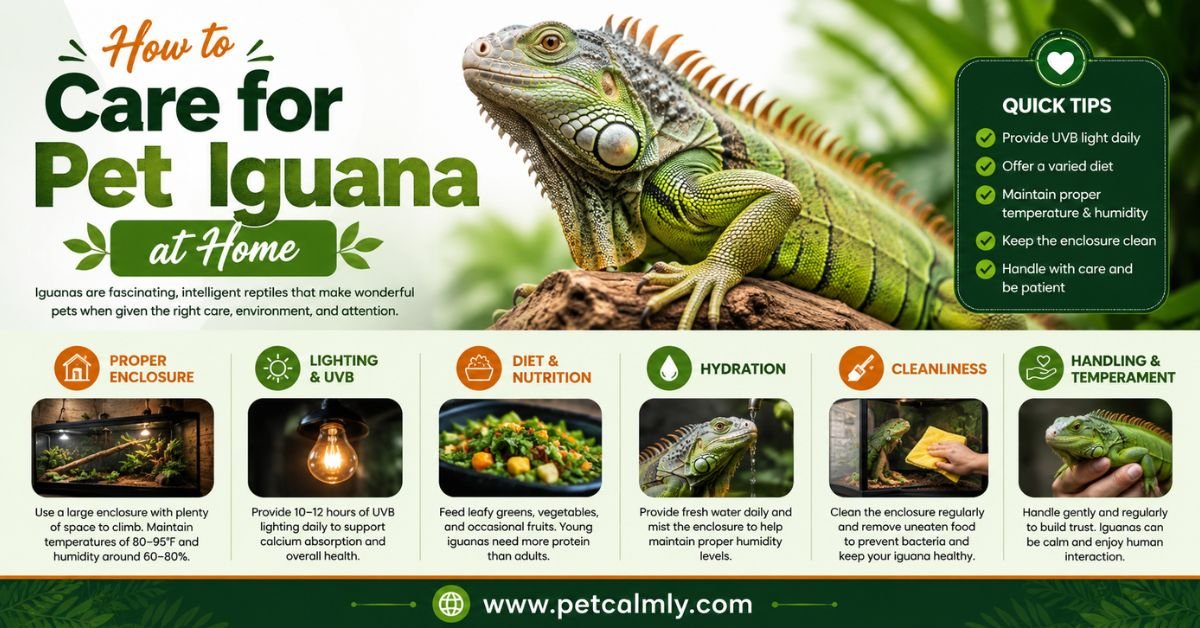
To care for a pet iguana at home, provide a large enclosure (at least 12x6x6 feet for adults) with UVB lighting, basking temps of 95-120°F, ambient 75-88°F, and 60-80% humidity. Feed a herbivorous diet of 60% leafy greens, 30% veggies, and 10% fruits with calcium supplements. Handle gently to build trust, clean daily, and schedule exotic vet check-ups.
Caring for a pet iguana is a big commitment that rewards you with a smart, engaging companion. These tropical lizards can live 15-20 years or more, but many end up in rescues due to unmet needs. Proper home care prevents health issues and helps your iguana thrive, just like in the wild. As a USA pet owner, you’ll want to find an exotic vet nearby and check local laws on owning reptiles.
Setting Up the Right Enclosure for Your Iguana
Iguanas grow fast from cute babies under 18 inches to adults up to 7 feet long and 20 pounds. They need space to climb, turn, and move freely. A small tank won’t cut it; think custom-built or room-sized setups.
Start babies in a 20-gallon tank, but upgrade quickly. For adults, aim for at least 10x5x6 feet bigger is always better. Use screened enclosures for good airflow in humid USA climates like Florida. Avoid housing multiple iguanas together; they can fight and cause serious injuries.
Add sturdy branches, shelves, and ramps for climbing. They’re arboreal, so vertical space matters more than floor area. Include a hiding spot like a wooden box for security without it, your iguana may stress out and get sick.
Lighting, Heating, and Temperature Needs
Iguanas come from sunny tropics, so mimic that at home. Provide 12-13 hours of light daily on a timer synced to natural day cycles.
UVB lighting is non-negotiable it helps them make vitamin D for strong bones. Use high-output bulbs like Arcadia T5 HO Dragon 14% or Zoo Med ReptiSun 10.0, placed 12-24 inches from basking spots. Replace every 6-12 months, even if they still glow.
For heat, create a gradient: basking surface at 120°F, cool side 75-88°F, nights no lower than 73°F. Use halogen flood bulbs or infrared lamps over a sturdy branch. Monitor with digital thermometers and an infrared temp gun iguanas thermoregulate by moving around.
Wrong temps cause digestion problems or respiratory issues. For example, if your iguana won’t eat, check if the basking area hits 85°F for proper food processing.
Maintaining Humidity and the Environment
Keep humidity at 60-80% daytime, up to 100% at night low levels lead to shedding troubles or dehydration. Use a digital hygrometer to track it.
Mist the enclosure twice daily with a pump sprayer. Add a large shallow water tub for soaking; some iguanas love bathing. In dry USA areas, like the Southwest, run a cool mist humidifier before dawn. Automatic misters save time.
Good ventilation prevents mold. Use distilled water to avoid mineral buildup. If humidity drops, your iguana might rub against things excessively, signaling skin discomfort.
Choosing Substrate and Decor
Substrate cushions falls and holds humidity. Go for 2-4 inches of coconut fiber, cypress mulch, or a bioactive mix of topsoil, sand, and leaf litter. Avoid sand alone or small particles they can cause impactions if swallowed.
Decor should include live plants like pothos, ficus, or hibiscus for cover and nibbling. They’re safe and boost humidity. Add rocks for basking, but make them flat and stable. Skip fake plants; iguanas might chew them and get sick.
For bioactive setups, add clean-up crew like springtails. This mimics nature and reduces cleaning. Spot-clean daily, full change monthly.
Diet and Nutrition for a Healthy Iguana
Iguanas are strict herbivore no insects or meat, as high protein causes kidney failure. Feed daily, as much as they’ll eat in 15-20 minutes.
Base the diet on 60% dark leafy greens like collards, mustard greens, dandelion, or kale. Add 30% veggies: squash, bell peppers, green beans, carrots. Limit fruits to 10%: berries, mango, banana for treats.
Chop food small they swallow whole. Dust with calcium powder 2-3 times weekly and a multivitamin once a week. Commercial pellets like Repashy can supplement, but fresh is best.
Discard uneaten food after 24 hours to avoid bacteria. If your iguana loses weight, it might be from poor variety rotate greens to prevent boredom.

Water and Hydration Tips
Always provide fresh water in a large, shallow bowl iguanas drink and soak. Change daily, scrub weekly with reptile-safe disinfectant.
Many iguanas hydrate by licking mist off leaves or bathing. Offer supervised baths 2-3 times weekly in lukewarm water up to their shoulders. This helps shedding and prevents constipation.
Watch for signs of dehydration: sunken eyes or wrinkled skin. In hot USA summers, increase misting.
Handling and Socializing Your Iguana
Iguanas can become affectionate with patience, but they’re not cuddly like dogs. Start slow: leave new ones alone for 2 weeks to settle.
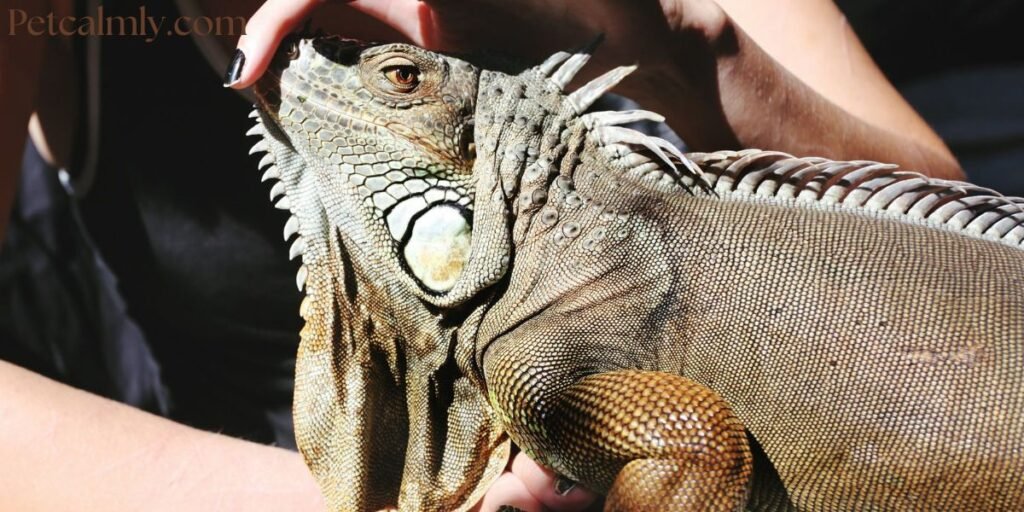
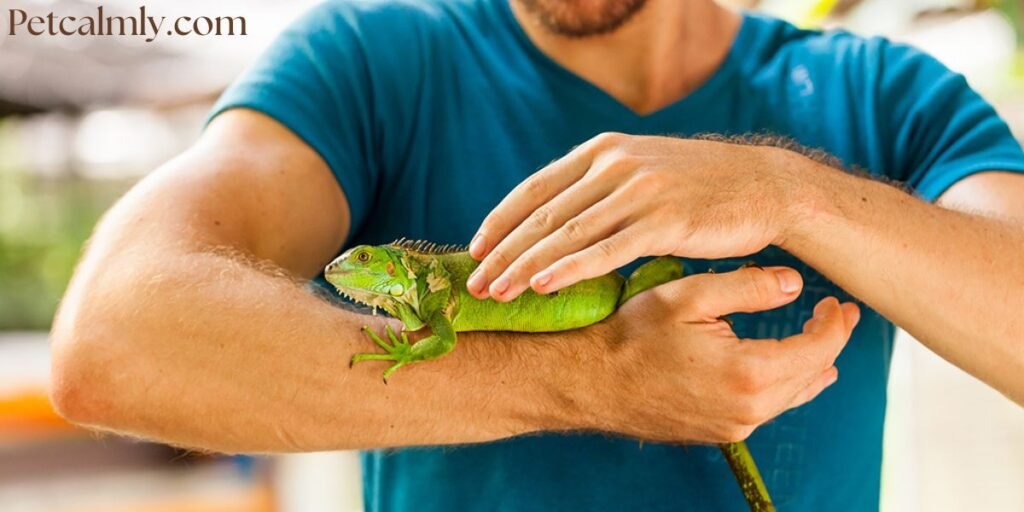
Handle daily for short sessions. Scoop from below, support the body never grab the tail. Wear long sleeves; claws are sharp. Hand-feed treats to build trust.
Males may get territorial during breeding season watch for head-bobbing or aggression. Free-roam supervised in a safe room, but most time should be in the enclosure for UVB and heat.
Bites happen if scared; use gloves if needed. Kids under 12? Supervise closely iguanas carry salmonella.
Cleaning and Maintenance Routine
Daily: Remove waste, uneaten food, and dirty water. Weekly: Full clean move iguana out, scrub surfaces with pet-safe cleaner, replace substrate.
Keep everything dry to avoid infections. Wash hands after handling to prevent salmonella spread. Trim claws monthly with pet clippers if they snag.
Regular vet visits: Annual check-ups with an exotic specialist. Spay females to prevent egg-binding issues.
Common Health Issues and Prevention
Metabolic bone disease from poor UVB/calcium shows as soft jaws or limping prevent with proper lighting and diet.
Kidney problems arise from dehydration or protein; symptoms include swelling or lethargy. Respiratory infections from cold temps cause wheezing.
Shedding issues: Stuck skin means low humidity help with baths. Parasites: Fecal tests at vet visits.
Always quarantine new iguanas. Buy from rescues or breeders, not wild-caught check for clear eyes, alert behavior.
When Should You Be Concerned ?
Watch for red flags like not eating for days, which could signal improper temps or illness. Lethargy, diarrhea, or nasal discharge means a vet visit ASAP.
Swollen limbs or trembling point to bone issues. Tail whipping or hiding more? Stress from small enclosure or poor handling.
Darkening color or frequent scratching indicates discomfort. If your iguana seems “off,” don’t wait exotic vets in the USA can diagnose quickly.
What Should Pet Owners Do ???
First, research thoroughly before buying iguanas aren’t beginner pets. Set up the enclosure fully before bringing one home.
Daily routine: Feed fresh salad, mist, check temps/humidity. Handle gently 10-15 minutes to tame.
Prevent issues: Rotate diet, provide UVB, clean often. Budget for vet care initial exam within 48 hours.
If problems arise, isolate and call a vet. Join USA iguana groups for tips, like on Reddit or Facebook. Always prioritize your pet’s well-being over convenience.
Conclusion
With dedicated home care, your pet iguana can be a loyal friend for decades. Focus on spacious housing, balanced diet, and regular interaction to keep them healthy and happy. Remember, this is a long-term commitment done right, it’s incredibly rewarding. Consult your local exotic vet for personalized advice.
More Information About Pets, Please Visit Our Website: How Often Should I Feed My Bearded Dragon Vegetables? Daily
Frequently Asked Questions
1: How big do pet iguanas get?
Pet green iguanas typically reach 5-7 feet long, including the tail, and weigh up to 20 pounds. Females stay smaller than males. Provide ample space from the start to avoid stress.
2: What do iguanas eat every day?
Offer a mix of chopped greens like collards and dandelions, veggies such as squash, and occasional fruits. Avoid protein sources stick to herbivore pellets as backups. Supplement with calcium.
3: Are iguanas good pets for beginners?
No, they’re challenging due to specific needs like large enclosures and UVB. They’re best for experienced owners willing to invest time and money. Kids may need supervision.
4: How do I tame my pet iguana?
Start with short, gentle sessions daily. Hand-feed and talk softly. Build trust over months—avoid forcing it. Some become cuddly, but respect their space.
5: What are common mistakes in iguana care?
Underestimating size, skipping UVB, or feeding protein-rich foods. Also, poor humidity leads to health woes. Always double-check setup with a vet.
6: How long do pet iguanas live?
With proper care, 15-20 years or more. Many reach 25 in ideal conditions. Lifespan drops with neglect, so commit long-term.