Short direct answer
Yes, you can make safe homemade cat treats using vet-approved ingredients like plain cooked chicken, tuna in water, eggs, pumpkin, or catnip. Stick to simple recipes with no salt, sugar, onions, garlic, chocolate, or dairy (many cats are lactose intolerant). These treats should be occasional rewards limit to 10% of daily calories and always check with your vet first, especially if your cat has health issues.
Making homemade cat treats gives you control over what goes into your furry friend’s snacks. Commercial treats often hide fillers, artificial flavors, or too many carbs. When you bake at home, you choose fresh, wholesome ingredients. This builds trust and strengthens your bond nothing beats seeing your cat’s eyes light up over a treat you made yourself.
Cats are obligate carnivores. They thrive on protein and need limited carbs. Homemade treats let you emphasize meat while adding safe extras for flavor or texture. Many pet parents turn to these recipes to avoid allergens or support weight management.
Why Choose Vet-Approved Homemade Cat Treats?
Veterinarians recommend homemade options when they’re simple and use cat-safe foods. Sources like PetMD and ASPCA highlight plain proteins (chicken, turkey, fish) and eggs as top choices. Avoid toxic ingredients: no onions, garlic, grapes, raisins, chocolate, caffeine, or xylitol.
These treats help during training, medication hiding, or just pampering. For picky eaters, a fresh homemade bite often works better than store-bought ones.
One owner shared how her senior cat refused kibble toppers but gobbled tuna-based treats she made. Small wins like that make all the difference.
Benefits of Making Cat Treats at Home
Control ingredients: Skip preservatives and mystery meats. Save money: Basic pantry items stretch far. Customize: Adjust for allergies, age, or diet needs. Fun bonding: Involve the family (keep cats away from raw dough).
Fresh treats smell amazing to cats their sense of smell drives appetite. A warm, just-baked batch can turn a lazy afternoon into playtime.

Key Safe Ingredients for Vet-Approved Recipes
Use these vet-recommended items:
- Proteins: Plain cooked chicken, turkey, tuna/salmon in water (drained, no salt/oil).
- Binders: Eggs (cooked), oat flour, whole wheat flour (small amounts).
- Veggies/Extras: Plain pumpkin (canned, no spices), shredded carrot, catnip.
- Avoid: Raw eggs (salmonella risk), excessive oils, salt, dairy, grains if your cat has sensitivities.
Always cook proteins fully. Portion small cats need tiny treats.
When Should You Be Concerned?
Watch for issues even with homemade treats.
Signs of trouble: Vomiting, diarrhea, lethargy, or refusal to eat after a new treat. Allergic reactions show as itching, ear infections, or paw licking.
Overfeeding treats leads to obesity common in indoor cats. If your cat has diabetes, kidney disease, or urinary issues, homemade treats may need vet tweaks (low phosphorus, controlled carbs).
New ingredients? Introduce one at a time. If symptoms appear, stop and call your vet. Better safe than sorry.
What Should Pet Owners Do? Step-by-Step Guide
- Consult your vet first especially for kittens, seniors, or cats with conditions.
- Gather simple tools: Bowl, baking sheet, oven (or freezer for no-bake).
- Choose a recipe below. Start small to test.
- Bake or prepare, cool completely.
- Store in airtight container (fridge 5–7 days, freeze longer).
- Offer 1–3 small pieces daily max. Use as rewards during play or grooming.
- Monitor: Watch for changes in stool, energy, or weight.
5 Easy Vet-Approved Homemade Cat Treat Recipes
These draw from trusted sources like PetMD, ASPCA, and vet blogs. They’re simple, use safe ingredients, and cats love them.
1. Classic Tuna Bites (3-Ingredient Favorite)
Ingredients (makes ~30 small treats):
- 1 can (5–6 oz) tuna in water, drained
- 1 egg
- 1 cup oat flour or whole wheat flour
Steps: Preheat oven to 350°F (175°C). Mix ingredients into dough. Roll into small balls or flatten and cut shapes. Bake 15–20 minutes until crisp. Cool fully.
Why it works: Tuna’s strong scent drives cats wild. Egg binds naturally. Low-carb option if using oat flour.
2. Chicken & Pumpkin Crunchies
Ingredients:
- 1 cup cooked chicken breast, shredded
- ⅓ cup plain canned pumpkin
- 1 egg
- ½ cup oat flour (add more if needed)
Steps: Mix all. Form small patties or balls. Bake at 350°F for 20–25 minutes.
Great for digestion pumpkin soothes tummies. High protein, low fat.
3. Sardine Cookies (Fish Lovers’ Delight)
Ingredients:
- 1 small can sardines in water or olive oil (drained)
- 1 egg
- ½ cup flour (oat or whole wheat)
Steps: Mash sardines. Mix with egg and flour. Roll thin, cut shapes. Bake 10–15 minutes at 350°F.
From PetMD-inspired recipes cats adore the omega-3s for coat health.
4. Carrot & Catnip Bites
Ingredients:
- ¾ cup shredded carrot
- 1 tbsp dried catnip
- 1 egg
- 1 cup flour
- 1–2 tbsp water or oil
Steps: Combine. Add water for dough. Cut into tiny pieces. Bake 12–15 minutes at 350°F.
Fun for zoomies catnip excites without overdoing it.
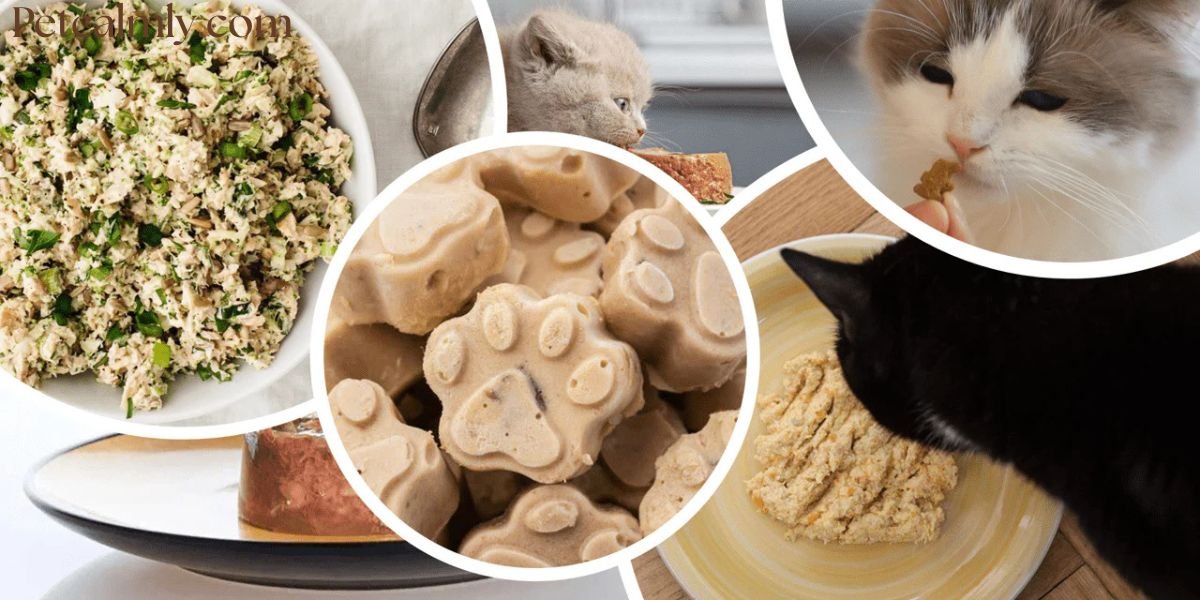
5. Frozen Tuna Yogurt Pops (No-Bake Refresh)
Ingredients:
- 1 can tuna, drained
- Plain unsweetened yogurt (lactose-free if possible) or water
- Optional: Sprinkle catnip
Steps: Blend tuna with yogurt/water. Spoon into ice cube trays. Freeze 2–3 hours.
Perfect for hot days. Hydrating and cooling.
Tips for Success & Common Mistakes to Avoid
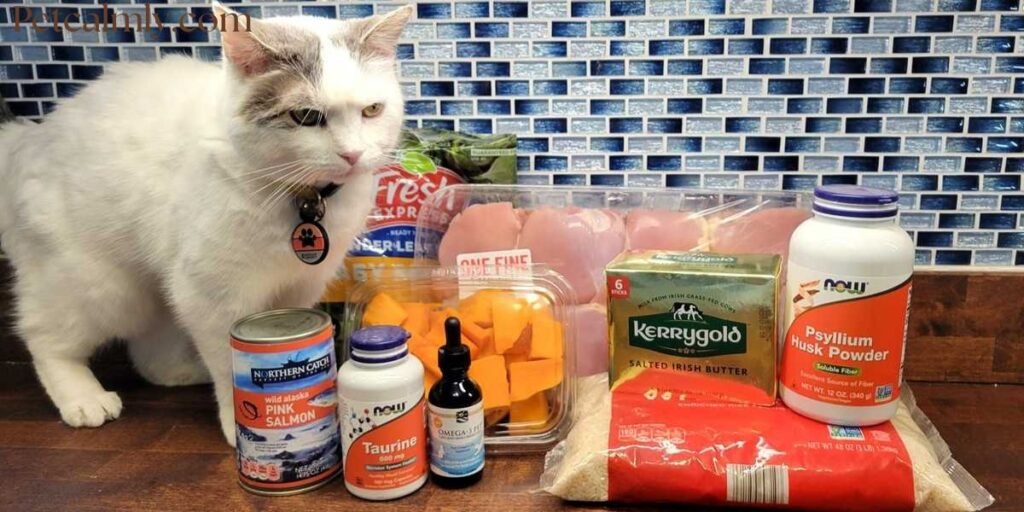
Use small portions treats shouldn’t replace meals. Avoid overbaking (burnt bits upset stomachs). No salt, spices, or sweeteners. Test allergies: Start with 1 treat. Clean tools to prevent cross-contamination. Freeze extras for freshness.
One mistake? Giving too many. Track calories treats max 10% daily intake.
Conclusion
Homemade cat treats recipes vet approved let you show love safely. Focus on protein-rich, simple ingredients like tuna, chicken, eggs, and pumpkin. Always prioritize your vet’s advice for your cat’s needs.
These snacks build joy without risks. Start with one recipe today your cat will thank you with purrs and head bumps. Happy treating!
More Information About Pets, Please Visit Our Website: Best Cat Food for Indoor Cats with Sensitive Stomachs
Frequently Asked Questions
Are homemade cat treats better than store-bought?
Often yes if made with fresh, safe ingredients. You avoid additives and customize. But vet-approved commercial treats work well too. Balance both.
Can kittens eat homemade cat treats?
Yes, in tiny amounts after weaning. Use soft recipes like mashed tuna. Consult vet for growing kittens.
What if my cat has allergies?
Stick to single-protein recipes (e.g., chicken only). Avoid common triggers like grains or dairy. Test slowly and watch reactions.
How many homemade treats can I give daily?
1–5 small pieces, depending on size and calories. Treats should not exceed 10% of daily food intake to prevent weight gain.
Do I need to cook all ingredients?
Yes cook proteins fully to kill bacteria. Eggs should be baked or boiled. No raw meat for safety.
Can I freeze homemade cat treats?
Absolutely. Freeze in portions up to 3 months. Thaw small batches. Frozen treats make great summer snacks.