Short direct answer
Here’s a complete, vet-aligned guide packed with home remedies for dogs scared of fireworks. Many pet owners notice real improvement by preparing a secure indoor safe space, playing background noise or calming music to mask the bangs, using a gentle pressure wrap like a ThunderShirt, offering long-lasting chews or lick mats for distraction, exercising their dog earlier in the day, staying calm themselves, and layering natural calming aids such as pheromones or vet-approved supplements. For moderate to severe cases, combine these with gradual desensitization training and consult your veterinarian some dogs benefit from short-term medication alongside these natural strategies. Start implementing these steps weeks ahead of noisy events for the best outcome. Every dog is unique, so test remedies on quiet days and adjust what works for your pup.
Fireworks trigger intense fear in many dogs because of their unpredictable loud booms (often exceeding 150 decibels), bright flashes, and sulfur smells none of which have any positive meaning in a dog’s world. This fear can escalate quickly, leading to panic that affects not just the night of the event but your dog’s overall well-being. The good news is that with consistent, caring preparation, most dogs can learn to feel safer and more secure during fireworks season.
Why Fireworks Cause Such Strong Fear in Dogs
Dogs perceive the world far more intensely than we do. Their hearing is much more sensitive, picking up sounds at higher frequencies and greater distances. A single firework explosion combines sudden, sharp noise with visual flashes and chemical odors, creating a sensory overload that feels like an immediate threat. Unlike routine household sounds they grow accustomed to, fireworks arrive without warning and seem random, activating the ancient fight-or-flight response hardwired into their brains.
Some dogs show sensitivity from puppyhood, while others develop it after one frightening experience. Genetics play a role herding breeds, gun dogs, or rescues from noisy environments often react more strongly. Age can worsen things too; senior dogs with declining hearing or joint pain may find the vibrations especially distressing. Even confident adult dogs can gradually become fearful if repeated exposures happen without positive associations.
Picture this: You’re relaxing at home when sudden, deafening cracks shake the windows with no explanation. Your body tenses, heart races, and you instinctively look for safety. That’s exactly how many dogs experience fireworks. Without tools to help them cope, the fear can build, sometimes generalizing to similar sounds like thunder, car backfires, or even loud celebrations.
Recognizing the Signs Your Dog Is Scared of Fireworks
Learning to spot early signs helps you step in before panic fully sets in. Common behaviors include:
- Trembling, shaking, or full-body quivering
- Restless pacing back and forth
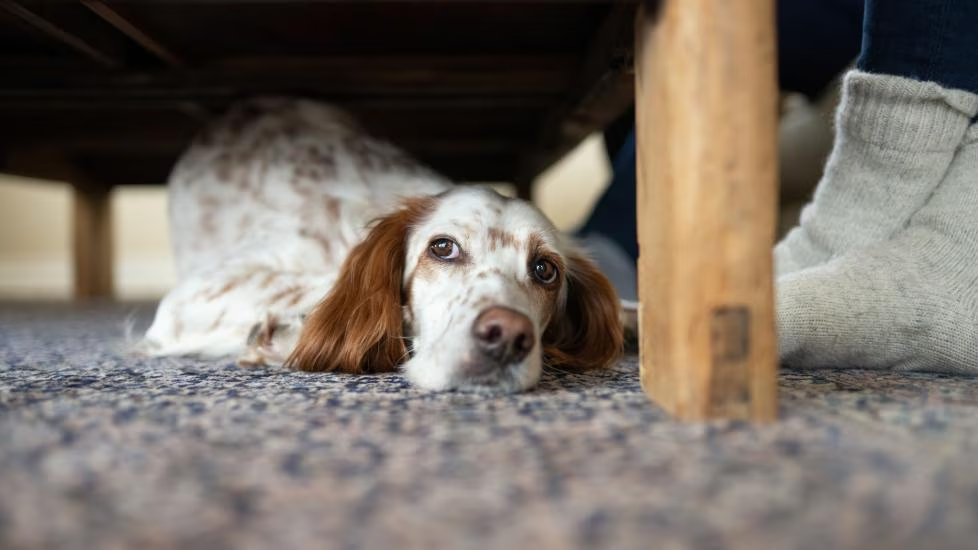
- Hiding in closets, under beds, behind furniture, or in tight corners
- Excessive whining, barking, howling, or vocalizing
- Heavy panting, drooling, or refusing food and water
- Attempts to escape—scratching doors, digging at floors, or bolting if possible
- Clinginess (following you everywhere) or sudden withdrawal and shutdown
- Inappropriate elimination indoors or destructive chewing
One common story involves a usually outgoing Labrador who, during a neighborhood display, wedged himself so tightly into a bathroom cabinet that his owners needed help to gently coax him out. He panted heavily and ignored his favorite treats until the noises stopped hours later. These reactions aren’t drama they’re genuine distress signals that can lead to injuries from frantic escape attempts or long-term stress effects.
Mild fear might fade once the event ends, but repeated scary episodes often make the phobia worse over time. Pay attention to subtle early cues like lip-licking, yawning, or ears pinned back these are your window to intervene calmly.
Understanding the Causes and Why It Matters
Noise phobias, including fear of fireworks, stem from a combination of genetics, lack of early sound socialization, and learned associations. Puppies not exposed gradually to varied noises may view loud bangs as life-threatening. Traumatic single events can imprint fear quickly, and without intervention, the brain strengthens that negative pathway with each exposure.
Beyond the immediate panic, concerns include self-injury (broken windows, cut paws from digging, or getting lost after bolting), dehydration from refusing water, gastrointestinal upset from stress, and elevated cortisol levels that affect immune function and heart health. In severe cases, the fear spills over into other areas, creating broader anxiety or even aggression when cornered.
Not every dog needs intensive help some simply retreat quietly and recover quickly. However, if fear disrupts eating, sleeping, or daily routines, or if it worsens each year, proactive steps make a meaningful difference in your dog’s quality of life.
When Should You Be Concerned and Seek Professional Help?
Monitor your dog closely and contact your veterinarian right away if you notice any of these warning signs:
- Escape attempts that risk serious injury, such as jumping through windows or breaking through doors
- Panic behaviors lasting several hours or even days after the noise stops
- Complete refusal to eat, drink, or go outside to eliminate for extended periods
- Self-harm, like excessive paw-licking leading to raw skin or chewing at their own body
- Progressive worsening of reactions year after year, or new fears developing around similar sounds
- Signs of underlying health issues (heart problems, arthritis, or cognitive changes in seniors) that could be aggravated by extreme stress
Severe noise phobia functions much like a panic disorder and often responds best to a combined approach of behavior modification, environmental management, and, when needed, medication. Don’t wait for the next holiday schedule a vet visit now to discuss options. Your vet can rule out medical causes, recommend safe short-term anxiolytics (like trazodone or alprazolam used situationally), or refer you to a board-certified veterinary behaviorist for tailored plans.
Early action prevents the problem from becoming deeply entrenched and harder to manage. Many dogs improve dramatically when owners address fear proactively rather than reactively.
What Pet Owners Should Do: Proven Home Remedies and Strategies
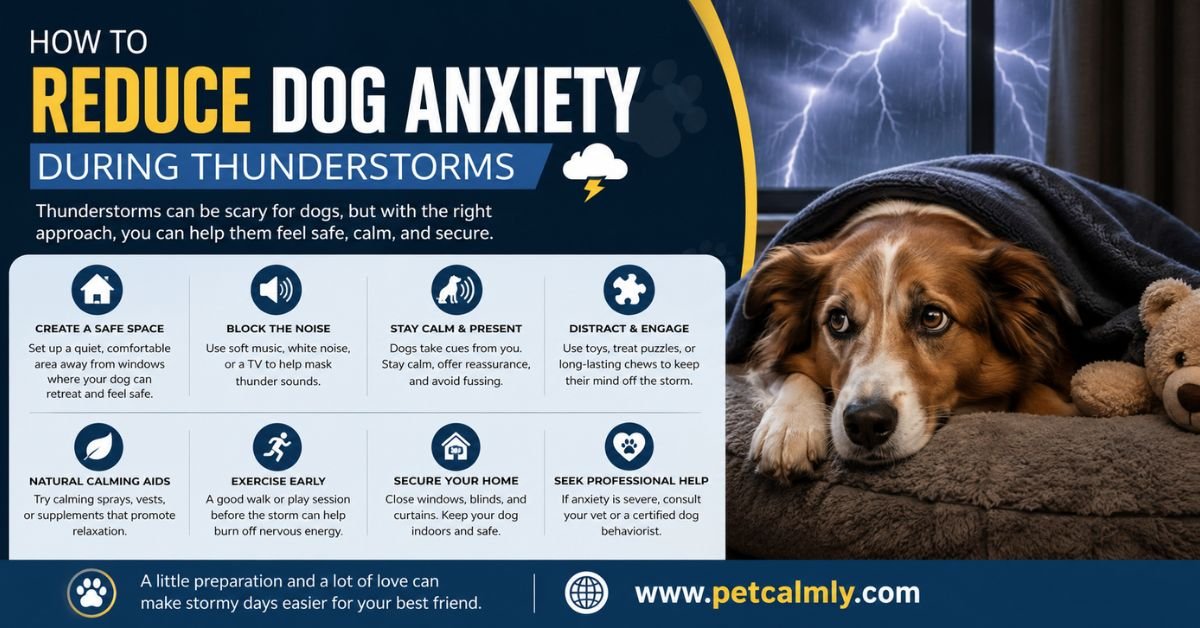
Helping your dog feel safer during fireworks involves preparation, environmental control, distraction, and emotional support. Here’s a comprehensive set of actionable steps that many owners and vets recommend combining for better results.
Create a Secure Safe Haven in Advance
Choose an interior room or space farthest from windows and exterior walls think a bathroom, laundry room, basement, or large closet. Make it cozy with your dog’s favorite bed, familiar blankets carrying their scent, toys, a water bowl, and perhaps a covered crate if they already view it positively.
Block light by closing curtains or using blackout blinds. Dim the lights inside. Test this space on ordinary calm days so your dog associates it with comfort and safety, not punishment. Some owners add a blanket draped over a sturdy table to create a den-like feel that mimics natural hiding spots. The goal is a low-stimulation zone where your dog can retreat instinctively.
Mask Unpredictable Noises Effectively
Play steady background sounds to cover the sharp cracks and booms. Options include a white noise machine, a loud fan, a television at moderate volume, or specially designed calming music playlists (such as “Through a Dog’s Ear” with slow tempos and minimal percussion). Layer sounds—soft classical music plus rain or ocean tracks for better coverage without overwhelming your dog.
Start this routine several days before expected fireworks so it feels normal. Keep the volume loud enough to muffle bangs but comfortable. Free apps and YouTube channels offer dog-specific calming audio tracks. This simple step reduces the startling effect of sudden loud noises for many pets.
Apply Gentle Pressure with Anxiety Wraps
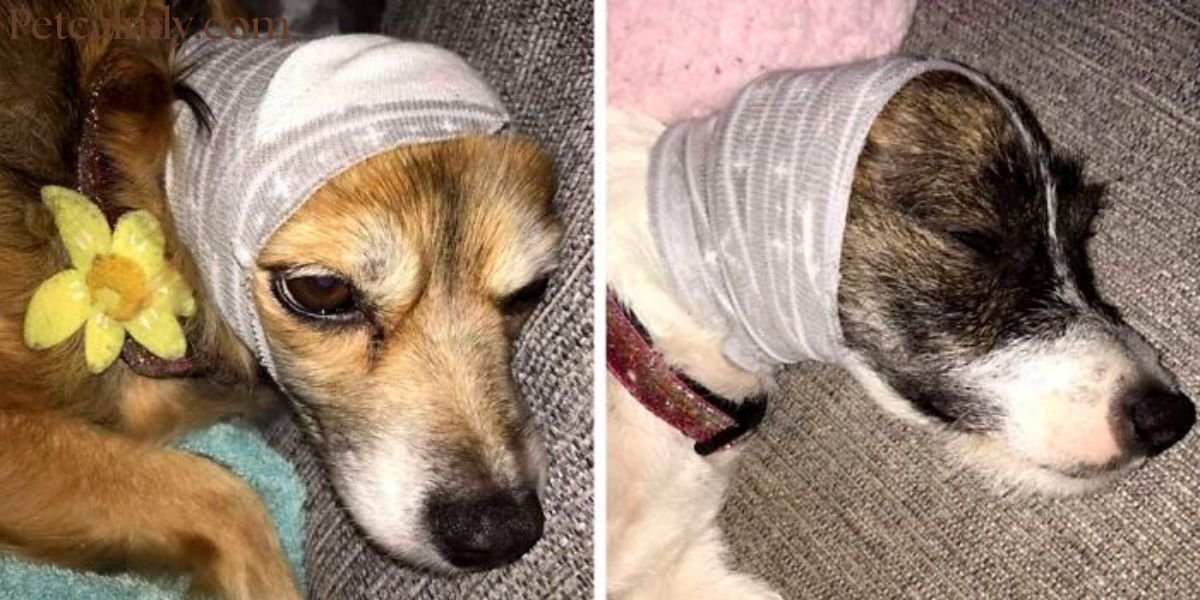
Anxiety vests or wraps, like the popular ThunderShirt, use gentle, constant pressure around the chest and torso similar to swaddling a baby or a weighted blanket for humans. Many dogs show noticeable relaxation within 15–30 minutes. Proper fit is crucial; practice putting it on during quiet times to ensure comfort.
No commercial vest? A snug-fitting cotton t-shirt or carefully applied elastic bandage (never too tight) can provide similar deep-pressure benefits. Monitor breathing and remove if your dog seems more anxious with it on. Owner reports and some studies suggest this helps a significant percentage of noise-sensitive dogs by promoting a sense of security.
Use Food-Based Distractions and Enrichment
Redirect focus with activities that encourage natural calming behaviors like licking, chewing, and sniffing. Prepare frozen Kongs stuffed with peanut butter (xylitol-free), plain yogurt, or wet food. Spread treats on lick mats or use snuffle mats to hide kibble. Long-lasting chews, puzzle toys, or even scattered high-value treats around the safe space keep many dogs occupied for 20–40 minutes at a time.
Rotate options to maintain interest. These activities release endorphins that naturally lower stress. Combine them with the safe haven and background noise for a powerful multi-sensory distraction package.
Exercise and Maintain Routine Earlier in the Day
Tire your dog out physically and mentally well before dark with a longer walk, play session, or training games while it’s still quiet. A well-exercised dog often handles stress better. Stick to normal feeding and potty schedules as much as possible, but shift outdoor time to safer daylight hours and always use a leash in the yard during peak fireworks times.
Avoid fireworks displays entirely and never leave your dog unsupervised outdoors.
Stay Calm and Use Counterconditioning Carefully
Your demeanor influences your dog. Speak in normal tones, continue household routines, and avoid excessive coddling or petting during peak panic, as this can unintentionally reinforce fear. Instead, gently guide them to their safe space and reward calm settling with quiet praise or a treat.
For long-term progress, practice counterconditioning and desensitization off-season. Play low-volume recordings of fireworks sounds while offering high-value rewards for relaxed behavior. Gradually increase volume and duration over many short sessions, always stopping before fear appears. This rewires the brain to associate the sounds with positive outcomes. Apps and free online sound files make this accessible at home, but patience and consistency are key results often build over weeks or months.
Explore Natural Calming Aids with Veterinary Guidance
Several drug-free options may support your dog:
- Pheromone products: Diffusers, collars, or sprays (like Adaptil) mimic calming signals from mother dogs and can create a reassuring environment when plugged in near the safe space.
- Calming chews and supplements: Look for formulas with L-theanine, chamomile, valerian root, or melatonin. Introduce them on quiet days first.
- Aromatherapy: Pet-safe lavender sprays or diffusers used lightly on bedding (never apply essential oils directly without expert advice).
- Hemp or CBD products: Vet-formulated options for pets may help some dogs relax; choose third-party tested items and follow dosing carefully.
- Homeopathic remedies: Options like Phosphorus or Borax have anecdotal support for sudden noise fears discuss with a holistic veterinarian.
Always check with your vet before trying supplements, especially if your dog takes other medications or has health conditions. What works varies widely between individuals.
Additional Practical Tips for Success
- Close all windows and curtains to minimize light flashes and sound entry.
- Provide familiar items with your scent (an old t-shirt) in the safe space.
- Consider dog-specific ear muffs or hoods for extra sound dampening in some cases.
- Keep identification tags and microchip information updated in case of accidental escape.
- For multi-dog households, separate anxious dogs from confident ones if needed to prevent stress transfer.
Many owners find that layering several remedies safe space plus noise masking plus pressure wrap plus enrichment delivers better results than relying on any single tool.
Common Mistakes to Avoid When Helping Dogs Scared of Fireworks
Well-intentioned actions can sometimes backfire. Never punish fearful behavior it heightens stress and damages trust. Avoid forcing your dog outside or exposing them directly to fireworks hoping they’ll “get used to it”; this usually intensifies the phobia. Don’t leave them completely alone during peak times if possible, and resist hovering with constant soothing, which may reward panic.
Skipping advance preparation is another frequent error. Last-minute setups feel less safe to your dog. Test wraps, audio, and safe spaces well ahead. Finally, don’t expect one remedy to solve everything experiment with combinations and track what helps your individual dog most.
Real-Life Success Stories and Expert-Backed Tips
Many families have transformed their dogs’ experiences with consistent effort. One owner described their anxious rescue Beagle who previously destroyed door frames on New Year’s Eve. After creating a blanket-fort safe zone in the laundry room, adding white noise, using a properly fitted anxiety wrap, and providing frozen stuffed Kongs, his reactions became much milder he still trembled slightly but stopped frantic escape attempts.
Another household with a senior Golden Retriever plays curated calming playlists early, diffuses pheromones, and maintains normal evening routines with the TV on. Their dog settles faster when the family remains relaxed rather than overly attentive. Trainers emphasize starting desensitization small: play faint firework sounds during meals or playtime, rewarding calm focus. Over months, many dogs shift from dread to indifference or even mild curiosity.
Start today, even if the next big event feels far away. Small, positive exposures build resilience gradually.
More Information About Pets, Please Visit Our Website: How to Calm a Restless Dog at Night
Best Dog Grooming Kit for Beginners 2026 – Top 5 Picks
Top 7 Best Calming Treats for Dogs With Separation Anxiety
Conclusion
Home remedies for dogs scared of fireworks center on creating security, masking threats, providing healthy distractions, and supporting your dog emotionally while addressing the root fear through training. Prepare a cozy safe haven, use background sounds and pressure wraps, offer engaging chews, exercise ahead of time, stay composed, and explore natural aids as needed. For lasting change, invest time in desensitization and work closely with your veterinarian.
With patience and the right mix of strategies, most dogs show clear improvement and enjoy better quality of life during noisy seasons. Your consistent, caring approach makes all the difference—protecting them from distress and strengthening your bond. Plan ahead, observe what works best for your unique pup, and celebrate small wins along the way. Fireworks season doesn’t have to mean fear; it can become just another manageable evening with the proper support in place.
Frequently Asked Questions
1: How can I quickly calm my dog during sudden fireworks if I haven’t prepared ahead? Focus on immediate management: move them to an interior room, close curtains, turn on loud TV or music, offer a frozen chew toy, and stay calm yourself. A snug t-shirt wrap can help in a pinch. For future events, prepare earlier for better results.
2: Will comforting or petting my scared dog during fireworks make the fear worse?
Gentle guidance to their safe space is okay, but avoid excessive fussing that might reinforce panic. Instead, reward calm moments with quiet praise or treats. Long, slow strokes can soothe some dogs if they seek contact, but keep your energy relaxed and matter-of-fact.
3: Are pheromone diffusers or calming music actually effective for fireworks anxiety?
Yes, many dogs respond well. Dog-appeasing pheromones mimic maternal calming signals, while layered music or white noise masks unpredictable booms. Start using them days in advance so your dog links them with normal, safe routines.
4: Can I give my dog human calming supplements or medications for fireworks?
Never use human products without veterinary guidance the dosage and ingredients can be dangerous or toxic. Stick to vet-approved calming chews, pheromones, or prescribed situational medications tested safely first.
5: How long does desensitization training take to reduce fireworks fear?
It varies but often requires several weeks of short, consistent sessions starting at very low volumes. Progress is gradual always pair sounds with rewards and never push past your dog’s comfort level. Combine with other remedies for faster visible relief.
6: What if none of the home remedies seem to help my dog’s severe fireworks phobia?
Consult your veterinarian promptly. Severe cases often need a professional behavior plan, possibly including short-term anti-anxiety medication alongside training and management tools. Don’t hesitate your dog’s welfare is worth expert support, and many improve significantly with the right combined approach.