Short direct answer
The best toys for large dogs are extra-durable, oversized options built to handle powerful jaws and endless energy. Leading choices include the KONG Extreme (black rubber, stuffable for long-lasting mental engagement), West Paw Zogoflex toys like the Hurley bone or Jive ball (flexible, buoyant, and dishwasher-safe), Goughnuts MaXX rings or sticks (with a visible safety core that signals replacement time), Jolly Pets Tug-n-Toss or Romp-n-Roll balls (bounce even when punctured), and Playology scented dual-layer bones (peanut butter aroma dogs love but humans barely notice). These promote safe chewing, fetching, tugging, and puzzle-solving while minimizing choking risks. Always match size to your dog’s breed and supervise initial play.
Large dogs bring tremendous love, loyalty, and laughter into our lives, but they also come with unique needs. Breeds like Labrador Retrievers, German Shepherds, Rottweilers, Great Danes, Mastiffs, and Saint Bernards have strong jaws, high stamina, and natural instincts that demand more from their toys than smaller companions require. A flimsy ball or thin rope meant for a Beagle can turn into a dangerous mess in minutes with a big dog.
Many owners discover this the hard way. After watching their giant furry friend shred a “heavy-duty” toy in one afternoon, they realize that size and strength matter enormously. The right toys do far more than entertain they keep muscles toned, minds sharp, teeth cleaner, and destructive habits at bay. They also create opportunities for bonding during play sessions that strengthen the human-dog relationship.
As someone who has spent years advising pet parents on caring for big breeds, I’ve learned that choosing wisely saves money, prevents vet visits, and leads to happier households. This guide walks you through everything you need to know about the best toys for large dogs, from why they matter to practical recommendations and safety tips.
Why Large and Giant Breed Dogs Require Specialized Toys
Large dogs don’t just play harder their entire physiology differs. Their jaws exert significantly more pressure, and their energy levels often stay high well into adulthood. Regular pet store toys, even those labeled “durable,” frequently fail because they weren’t engineered for 70- to 150-pound animals that treat playtime like a full-contact sport.
Imagine handing a powerful workhorse the same equipment given to a pony. The mismatch leads to frustration, broken items, and potential injuries. Big dogs need toys that are proportionally larger, made from tougher materials, and designed to satisfy instincts like chewing for stress relief, fetching for exercise, and tugging for interactive fun.
Without suitable outlets, these dogs may redirect their energy toward furniture, shoes, or doors. Boredom in large breeds can also contribute to anxiety, excessive barking, or digging. Quality toys channel that natural drive into positive, healthy activities that support both physical fitness and mental well-being.
Understanding Your Dog’s Play Style and Needs
Every large dog has a unique personality that influences toy preferences. Some are aggressive power chewers who can demolish nylon in record time. Others are fetch fanatics who will chase a ball until they drop from exhaustion. Tug enthusiasts crave interactive games that let them use their strength safely with their favorite human.
Observe your dog for a few days. Does he carry toys around the house like prized possessions? Does she shake plush items violently as if “killing” prey? Does he settle down happily after a good chew session? These clues help match toys to individual needs.
Age and health also play roles. Puppies of large breeds need toys that support teething without damaging developing teeth. Senior dogs with arthritis benefit from softer, low-impact options that don’t require high jumping or intense tugging. Dogs with separation anxiety often do best with stuffable puzzle toys that keep them occupied when alone.
Essential Factors to Consider When Shopping for Best Toys for Large Dogs
Selecting the right toy involves more than grabbing the biggest item on the shelf. Here are the key elements that separate good choices from great ones:
Size Matters Most: The toy must be large enough that your dog cannot swallow it whole, yet manageable for carrying and playing. For most large breeds, look for balls at least 4 to 6 inches in diameter and chews that exceed the width of their mouth when fully open.
Material Strength and Safety: Heavy-duty natural rubber, flexible yet tough polymers like Zogoflex, and reinforced designs stand up best. Avoid cheap hard plastics that can crack into sharp shards or thin fabrics that tear easily. Non-toxic, BPA-free, and phthalate-free labels provide extra peace of mind.
Versatility and Engagement: The best toys for large dogs often serve multiple purposes. A stuffable KONG can be a chew toy, puzzle, and slow feeder. A buoyant ball works for land fetch and pool play. Interactive tug toys with handles protect your hands while satisfying the dog’s need for opposition.
Ease of Cleaning and Maintenance: Toys that go in the dishwasher or wash easily reduce bacteria and odors. This detail matters hugely in busy households with big drooling breeds.
Scent and Flavor Appeal: Some modern options, like Playology’s dual-layer bones, use subtle scents detectable only to dogs. These keep interest high without filling your home with artificial smells.
Budget and Longevity: While premium toys cost more upfront, they often last months or years instead of days. Calculate cost per month of use rather than sticker price.
Check manufacturer guidelines for weight ranges. A 120-pound Mastiff needs heavier construction than a 65-pound Labrador, even if both qualify as large dogs.
Detailed Reviews of the Best Toys for Large Dogs in 2026
After testing feedback from owners of giant breeds and reviewing current recommendations, these stand out as reliable performers:
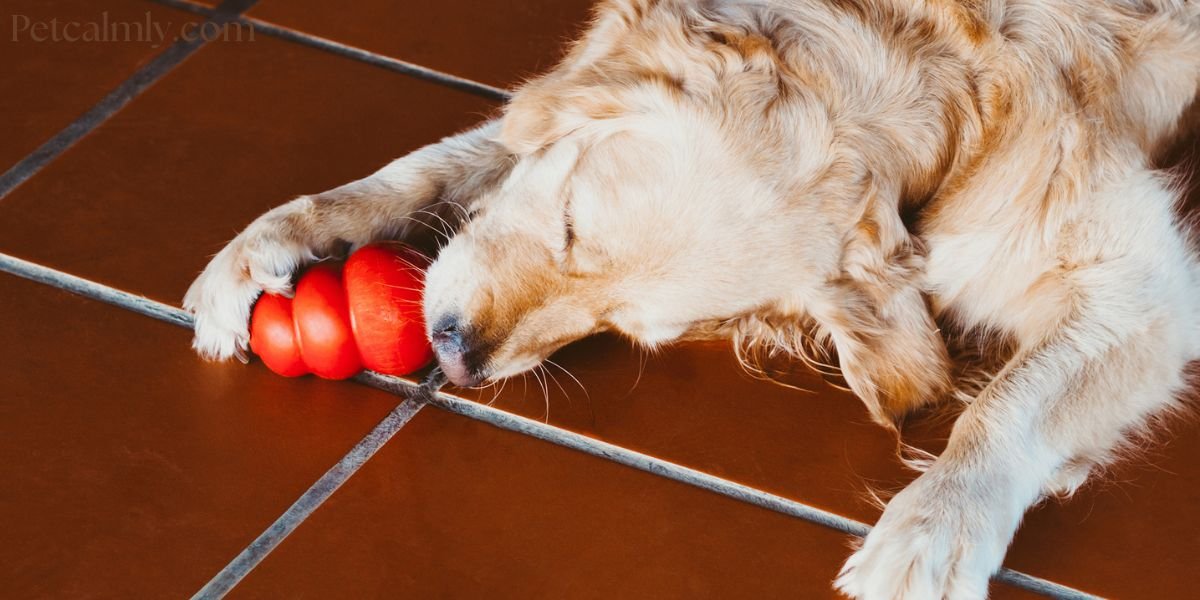
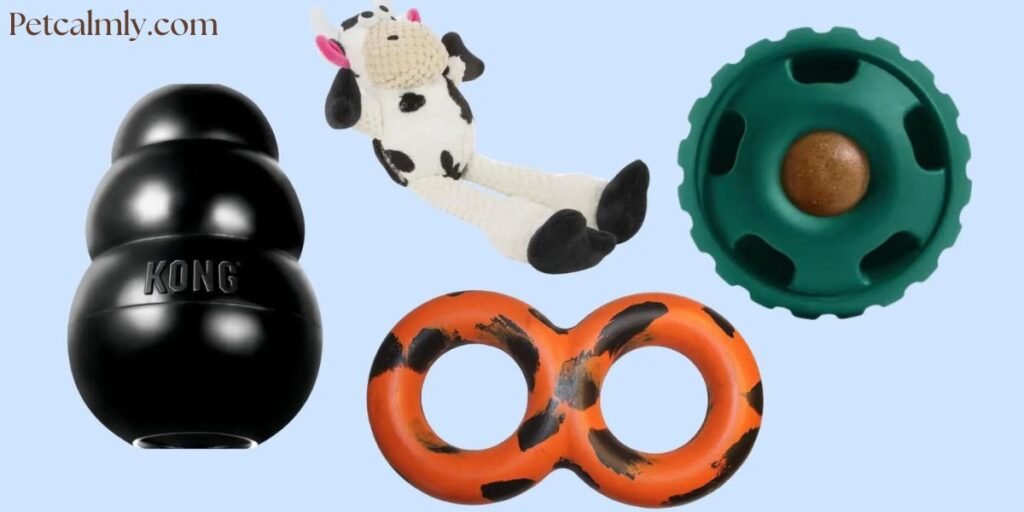
KONG Extreme Series remains a top favorite for good reason. The black rubber version offers exceptional toughness in XL sizes suitable for dogs over 85 pounds. Stuff the hollow center with kibble mixed with peanut butter or yogurt, then freeze it. Many owners report their dogs stay happily occupied for 30-60 minutes, making it ideal for crate time or when leaving the house. The unpredictable bounce also adds fetch excitement. KONG toys have helped countless dogs transition from destructive chewing to focused play.
West Paw Zogoflex Collection shines for its American-made quality and innovative material. The Hurley bone mimics a stick but won’t splinter or stain floors. The Jive ball bounces erratically to keep herding breeds engaged, while the Qwizl puzzle toy challenges problem-solvers. All are buoyant for water play, recyclable, and safe in the dishwasher. Their flexibility prevents tooth damage while resisting even determined chewers. Owners of Labs and Shepherds often praise how these toys maintain shape after years of heavy use.
Goughnuts MaXX Line features a brilliant safety innovation: a colored core that becomes visible as the outer layer wears down. When you see the core, it’s replacement time — no guessing about hidden weaknesses. The large rings and sticks suit power chewers like Pit Bulls, Rottweilers, and Mastiffs. Many come with guarantees that give peace of mind. These toys encourage healthy jaw exercise without encouraging swallowing dangerous fragments.
Jolly Pets Tug-n-Toss and Romp-n-Roll Balls were originally inspired by horse toys, which explains their resilience. The thick plastic construction means they keep bouncing even after puncture marks appear. The handle versions double as tug toys, perfect for interactive sessions. Herding breeds especially love carrying the larger sizes around the yard. Available in multiple bright colors and sizes up to 10 inches, they provide hours of outdoor fun.
Playology Scented Dual-Layer Toys bring a fresh approach with light peanut butter, chicken, or beef scents that motivate dogs without bothering human noses. The bone shape offers good grip for large mouths, and the layered design adds durability. These have proven surprisingly tough even against serial destroyers.
Chuckit! Max Launchers with Large Balls solve the problem of throwing far enough for big dogs without tiring your arm. The balls come in sizes that fit giant mouths safely and glow for evening play. Pairing the launcher with durable balls creates excellent cardiovascular workouts.
Additional Strong Contenders: Benebone or Nylabone Power Chews for flavored, long-lasting gnawing sessions; thick Mammoth Tire Biter-style rings for ultimate chew satisfaction; and reinforced rope toys from brands like Tug-E-Nuff when supervised tugging is the goal. Some owners also report success with Bite Force or DogTuff lines for extreme cases.
Rotate between five to seven different toys to prevent boredom. A dog that ignores a ball one week may love it after a break. Keep a mix of solo chew toys and interactive options for varied daily routines.
Health and Behavioral Benefits of Proper Toys
Quality playtime with the best toys for large dogs delivers multiple advantages. Physical activity from fetch or tug helps maintain ideal weight, reducing strain on joints especially important for breeds prone to hip dysplasia or arthritis.
Mental stimulation from puzzle or stuffable toys tires the brain, leading to calmer behavior. Many trainers note that dogs who receive daily enrichment show fewer signs of separation anxiety or nuisance behaviors like counter-surfing.
Chewing on appropriate textures can massage gums and reduce plaque, supporting dental health. Interactive play sessions also reinforce training commands like “drop it,” “take it,” and “leave it” in a positive context.
One Labrador owner described how introducing a frozen KONG Extreme during work-from-home transitions stopped frantic pacing and door-scratching. The dog focused on extracting treats, then settled for a nap instead of seeking trouble. Another Mastiff family found that daily tug sessions with a Goughnuts ring improved their dog’s focus during obedience training.
Common Mistakes Pet Owners Make with Toys for Large Dogs
Even caring owners sometimes choose poorly. Here are frequent errors to avoid:
Buying toys that are too small remains the most dangerous mistake. A tennis ball that fits easily in a large dog’s mouth can lodge in the throat during excited play. Always size up when in doubt.
Choosing cheap “bargain” options often backfires. They break quickly, creating sharp pieces or loose fibers that risk internal blockages. Spending more on proven brands saves money and worry over time.
Leaving any toy unsupervised for extended periods invites trouble. No product is truly indestructible against every dog. Aggressive chewers can eventually wear down even tough rubber.
Sticking with only one type of toy leads to boredom. Variety combining chews, fetch items, and puzzles keeps engagement high and works different skills.
Ignoring cleaning routines allows bacteria and odors to build up. Dirty toys lose appeal and can cause stomach upset if licked excessively.
Failing to match the toy to the dog’s current life stage or health needs also causes issues. A high-energy young adult needs different stimulation than a senior with joint concerns.
When Should You Be Concerned About Toys or Play Habits?
Pay close attention to these warning signs that something isn’t right:
- Your dog swallows pieces, small parts, or tries to ingest the entire toy.
- Sudden vomiting, diarrhea, loss of appetite, or lethargy after playtime.
- Toys developing cracks, sharp edges, or frayed strands that could injure mouths or intestines.
- Excessive drooling, pawing at the mouth, or signs of dental discomfort.
- Growing aggression around toys or resource guarding behavior.
- Complete disinterest in play despite adequate exercise and rest.
If your large-breed puppy shows obsessive destruction or an older dog suddenly loses interest in previously loved toys, consult your veterinarian. Underlying issues like pain, nutritional deficiencies, or anxiety may need addressing first.
For dogs recovering from surgery or with medical conditions, choose softer, gentler options and get professional guidance on safe play levels.
What Should Pet Owners Do? Practical Action Steps
Start by honestly evaluating your dog’s daily routine and play preferences. Spend one week noting how long different activities hold attention and what triggers the most joy.
Purchase two or three high-quality toys from different categories to begin testing. Introduce them one at a time during supervised sessions. Use play as training opportunities — practice “leave it” when your dog drops a toy or “fetch” with clear commands.
Establish a simple daily schedule. Morning fetch burns off overnight energy. Midday puzzle toy provides mental work. Evening tug or chew session winds down before bed. For working owners, frozen stuffed toys offer reliable independence.
Clean toys weekly or as needed. Most rubber options tolerate dishwasher cycles on the top rack. Rope toys can go in a mesh laundry bag on gentle cycle or be hand-washed.
Monitor wear and tear closely. Replace toys at the first sign of significant damage. Many brands offer replacement programs or guarantees that make this easier.
Involve all family members in playtime for consistency. Teach children safe interaction rules, like no teasing with toys or pulling them from the dog’s mouth forcefully.
Consider your living situation. Apartment dwellers might focus on quieter indoor puzzles, while yard owners can emphasize outdoor fetch and tugging.
If budget allows, set aside a small “toy rotation fund” to refresh options every few months. This small investment yields big returns in behavioral benefits.
For dogs with specific challenges such as anxiety or obesity discuss toy strategies with your vet or a certified trainer. They may recommend slow-dispensing treat toys or low-impact activity options.
Additional Tips for Long-Term Success with Best Toys for Large Dogs
- Introduce new toys during calm moments rather than high-excitement times to reduce overstimulation.
- Pair toys with positive reinforcement. Praise calm chewing or successful “drop it” commands generously.
- Use outdoor space whenever possible for fetch to prevent indoor chaos and provide fresh air.
- Adapt for seasons: buoyant toys for summer swimming, cozy chew items for cold winter days indoors.
- Combine toys creatively. Hide a stuffed KONG inside a larger puzzle for extended challenge.
- Track what works in a simple notebook. Over time, you’ll build a personalized “greatest hits” list for your dog.
- Consider donating gently used but still safe toys to shelters if your dog loses interest — many big breeds there need enrichment too.
The most successful owners treat toy selection as an ongoing conversation with their dog rather than a one-time purchase. Regular observation and willingness to adjust keep playtime fresh and beneficial.
Conclusion
Finding the best toys for large dogs ultimately comes down to prioritizing durability, proper sizing, and alignment with your individual dog’s personality and needs. Trusted options from KONG, West Paw, Goughnuts, Jolly Pets, and Playology consistently deliver safe, engaging experiences that stand up to powerful play while supporting overall health.
By avoiding common pitfalls, supervising play, and rotating selections thoughtfully, you can minimize destruction, reduce boredom, and strengthen the special bond you share with your big companion. A well-chosen toy collection transforms a restless giant into a content, well-behaved family member who feels fulfilled and loved.
Take that first step today. Assess your dog’s play style, invest in one or two proven durable toys, and watch the positive changes unfold. Your large dog deserves entertainment that matches their magnificent size, strength, and spirit. With the right choices, playtime becomes one of the most rewarding parts of caring for these wonderful animals.
Every big breed has unique quirks, but they all share one thing: the capacity for deep loyalty and joy when their needs are met. Quality toys are one of the simplest, most effective ways to show you understand and care.
More Information About Pets, Please Visit Our Website: Safe Home Remedies for Dogs Scared of Fireworks
How to Take Good Care of Pets
Frequently Asked Questions
1: What makes a toy truly suitable for large and giant breed dogs?
Suitable toys must be oversized, constructed from heavy-duty materials, and designed to withstand strong jaws without breaking into dangerous pieces. They should also match the dog’s specific play preferences for maximum engagement and safety.
2: Are there any completely indestructible toys for aggressive chewers?
No toy is 100% indestructible for every dog, but options like Goughnuts with safety cores, West Paw Zogoflex, and black KONG Extreme come closest. Regular inspection and timely replacement remain essential regardless of brand claims.
3: How frequently should toys for large dogs be replaced?
Inspect toys weekly for cracks, fraying, or worn areas. Replace immediately if pieces can break off or if the safety core shows on Goughnuts models. Well-made toys can last many months with proper care and rotation.
4: Can I give my large dog regular-sized toys or tennis balls?
Generally no. Standard tennis balls and small toys present serious choking hazards for large mouths. Always select XL or giant sizes specifically rated for big breeds to stay safe.
5: Which toys work best for keeping large dogs mentally stimulated and less bored?
Stuffable puzzle toys like the KONG Wobbler or West Paw Qwizl, snuffle mats, and treat-dispensing balls provide excellent mental challenges. Combining these with physical play creates balanced enrichment that reduces destructive behaviors.
6: Are thick rope toys safe for large dogs who love to chew?
Thick, reinforced rope toys can be safe for supervised tugging sessions, but they pose risks if your dog likes to shred and swallow fibers. For heavy chewers, rubber or nylon alternatives are usually a wiser long-term choice.
7: What should I do if my large dog destroys even “indestructible” toys quickly?
Try rotating more challenging options like frozen stuffed KONGs, Goughnuts, or professional-grade lines. Also evaluate whether increased exercise, training, or a vet check for underlying issues might help channel energy better.