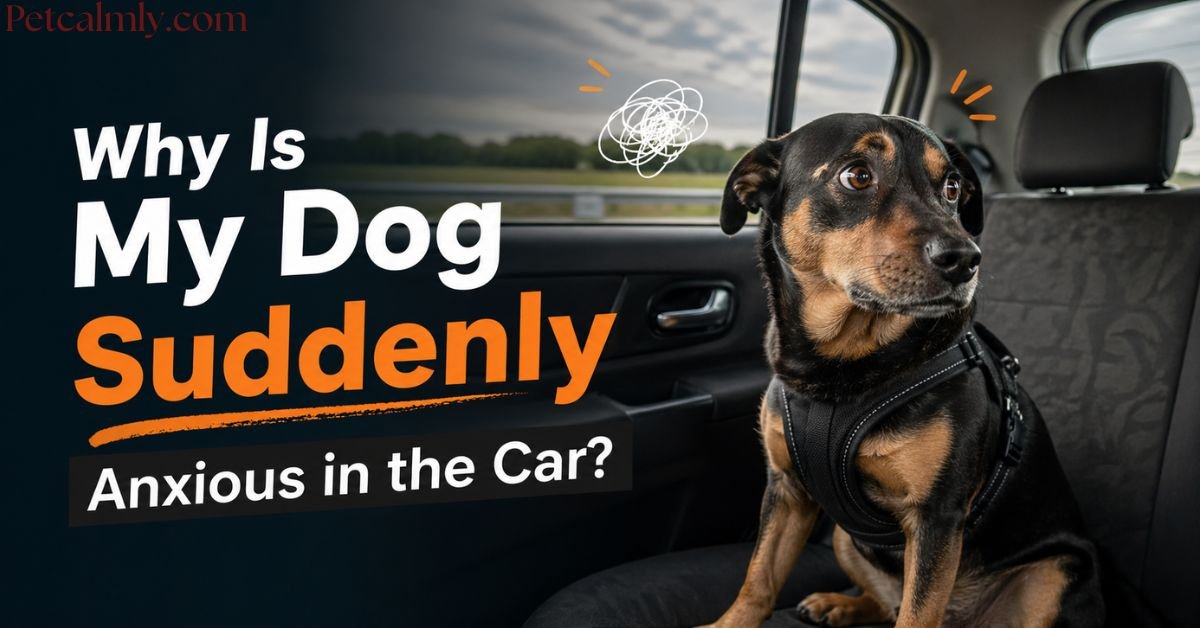
Short direct answer
Your dog’s sudden car anxiety often stems from a mix of motion sickness, a recent negative experience, or building negative associations with car rides. Many dogs develop this fear seemingly overnight after one bad trip, an unnoticed discomfort, or even subtle changes in their health or routine. The good news? With patience and the right steps, most dogs can learn to feel calm and safe in the car again.
Why Sudden Car Anxiety Hits Dogs Hard
Picture this: Your once-happy traveler, who used to stick his head out the window with glee, now trembles at the sight of the car door. It’s heartbreaking and frustrating, especially when car rides are part of daily life vet visits, park trips, or family adventures.
Dogs experience the world through their senses far more intensely than we do. The car’s motion, noises, vibrations, and confined space can quickly turn from neutral or fun into overwhelming. When something shifts maybe a bumpy ride, a scare, or physical unease the brain links the car with stress. That link can form fast, making the anxiety appear “sudden.”
This issue affects countless pet owners. Understanding why your dog is suddenly anxious in the car helps you address the root instead of just managing symptoms. Early action prevents the fear from worsening and turning necessary trips into ordeals for both of you.
6 Common Causes of Sudden Dog Car Anxiety
Several factors can trigger or worsen car anxiety seemingly out of nowhere. Here’s a breakdown of the most frequent reasons:
(Motion Sickness and Nausea) Just like humans, dogs can feel queasy from the car’s movement. Puppies and young dogs are especially prone because their inner ear balance system is still developing. But older dogs can develop it too, often due to inner ear issues, vestibular disease, or even medication side effects.
Symptoms of motion sickness (drooling, lip licking, yawning, vomiting) mimic anxiety so closely that many owners mistake one for the other. If untreated, repeated nausea creates a strong negative association: “Car feeling sick.” This explains why a dog who once loved rides suddenly dreads them.
(Negative Past Experiences or Trauma) A single scary event can flip the switch. Think of an emergency brake, a loud truck honking nearby, a minor fender-bender, or even a stressful vet visit where the car ride led to something unpleasant. Dogs have excellent memories for associations. If the car only takes them to the groomer, boarding, or vet, they may start anticipating discomfort every time.
Sudden changes amplify this. Maybe you recently moved to a busier area with more traffic noise, or your driving style changed (faster highways, curvier roads). Even something as simple as a new car smell or different seat cover can unsettle a sensitive dog.
(Fear of Confinement or Unfamiliar Sensations) Some dogs struggle with enclosed spaces or feeling unsteady. Without proper restraint, they slide around on turns or stops, heightening panic. Engine vibrations, road noise, or wind from open windows can feel threatening if the dog is already on edge.
(General Anxiety or Fear Periods) Dogs go through developmental fear periods, often around 6–18 months or again in senior years. During these times, anything new or slightly off can spark bigger reactions. If your dog is generally more anxious (thunderstorms, strangers, separation), the car becomes one more trigger.
(Underlying Health Issues) Sudden onset deserves a closer look. Pain from arthritis, ear infections, vision changes, or neurological problems can make movement uncomfortable, leading to anxiety. Older dogs or those with recent illnesses are more vulnerable. A quick vet check rules these out before assuming it’s purely behavioral.
Real-life example: Sarah’s 4-year-old Labrador, Max, always enjoyed short drives to the park. After one long highway trip with heavy traffic and sudden stops, Max started whining and pacing before even reaching the car. It turned out a combination of mild motion sickness and the stressful ride created the perfect storm.
Recognizing the Signs of Car Anxiety in Dogs
Spotting anxiety early helps you intervene before it escalates. Watch for these common behaviors:
- Reluctance or refusal to enter the car (backing away, freezing, or needing coaxing)
- Whining, barking, or yelping once inside or during motion
- Excessive panting, drooling, or lip licking (even without heat)
- Yawning repeatedly, even when not tired
- Pacing, restlessness, or trying to climb into your lap
- Trembling, shaking, or tucked tail
- Looking for escape (scratching doors, jumping at windows)
- In severe cases: vomiting, urination, or defecation
These signs can appear before the engine starts or only after movement begins. Motion sickness often shows more physical symptoms like vomiting, while pure anxiety leans toward escape attempts and vocalization. Many dogs show a blend.
Pay attention to timing. If symptoms hit right at the start of the ride regardless of destination, fear or negative association is likely at play. If they worsen with longer or curvier drives and improve when the car stops, motion sickness may be the main culprit.
When Should You Be Concerned?
Mild whining on occasional trips is common and often manageable at home. But seek professional help if:
- Anxiety interferes with necessary travel (vet visits, moving, emergencies)
- Your dog injures himself trying to escape or becomes aggressive out of panic
- Symptoms include severe vomiting, diarrhea, lethargy between rides, or refusal to eat
- The behavior appeared suddenly and coincides with other changes (appetite loss, limping, head tilting)
- Home desensitization efforts make things worse or show no progress after 2–3 weeks
A veterinarian visit is the first step for sudden changes. They can rule out medical causes like ear infections, pain, or vestibular issues. If it’s behavioral, they might refer you to a certified animal behaviorist or suggest short-term medication to make training easier.
Don’t wait too long untreated anxiety can generalize. A dog fearful in the car might start dreading the garage, leash walks near the car, or even hearing keys jingle.
What Should Pet Owners Do? Practical Steps to Help Your Anxious Dog
Helping your dog overcome sudden car anxiety takes consistency, but the process is rewarding. Focus on two pillars: addressing any physical discomfort first, then rebuilding positive associations through gradual training.
Step 1: Rule Out and Treat Motion Sickness Visit your vet. They may prescribe anti-nausea medication like Cerenia, which is highly effective and doesn’t cause drowsiness in most dogs. In the meantime:
- Withhold food for 8–12 hours before rides (water is usually fine in small amounts)
- Keep the car cool and well-ventilated crack windows or use AC
- Encourage your dog to face forward
- Use a stable, secure spot (crate, harness, or elevated seat) so they don’t slide
Step 2: Create a Safe and Comforting Environment Make the car feel like a cozy den rather than a trap:
- Use a familiar blanket or bed with your scent
- Try calming aids: Adaptil pheromone spray or collar, calming chews (vet-approved), or a Thundershirt
- Play soft, familiar music or white noise to mask traffic sounds
- Secure your dog safely never let them roam free, as it increases both danger and anxiety
Step 3: Desensitization and Counter-Conditioning (The Gold Standard) This science-backed method changes your dog’s emotional response from fear to neutrality or excitement. Go slow rushing sets you back.
Start with the car parked and engine off:
- Walk near the car and reward calm interest with high-value treats (chicken, cheese).
- Open the door; toss treats inside without forcing entry.
- Sit inside together for short periods, feeding treats and staying relaxed.
- Start the engine for a minute or two while offering praise and food.
- Take very short drives (to the end of the driveway and back) to fun or neutral places.
Only advance when your dog stays relaxed and eats treats eagerly. If he shows stress (lip licking, turning away), go back a step. Sessions should last 5–10 minutes and end on a positive note.
Aim for many short, positive trips to parks or ice cream spots instead of only the vet. This rebuilds the “car good things” link.
Additional Tips for Success
- Exercise your dog before rides to burn off nervous energy.
- Avoid comforting fearful behavior with excessive petting or “it’s okay” in a worried voice this can reinforce anxiety. Stay calm and confident instead.
- For multi-dog households, travel anxious dogs separately at first.
- Consider professional help: A positive-reinforcement trainer or behaviorist can customize the plan and accelerate progress.
Patience is key. Some dogs improve in weeks; others need months. Celebrate small wins, like entering the car without hesitation.
Avoiding Common Mistakes When Dealing with Car Anxiety
Many well-meaning owners accidentally make anxiety worse:
- Forcing the dog into the car or using punishment
- Taking long trips too soon during training
- Only using the car for unpleasant destinations
- Ignoring motion sickness and assuming it’s “just behavioral”
- Giving up too early consistency beats sporadic efforts
Instead, focus on prevention for future puppies: Start positive car experiences young with short, fun rides and proper restraint.
Conclusion
Sudden car anxiety in dogs is distressing but rarely permanent. By identifying whether motion sickness, negative associations, or health factors are at play and tackling them with veterinary guidance plus patient, positive training you can restore peaceful rides.
Remember, every dog is different. What works quickly for one may take longer for another. Stay consistent, celebrate progress, and prioritize safety for both of you. With time and care, many dogs go from dreading the car to hopping in eagerly once more.
Your bond with your dog is worth the effort. If symptoms persist or worry you, consult your veterinarian or a certified behavior professional sooner rather than later. Safe travels ahead!
More Information About Pets, Please Visit Our Website: Why Is My Dog Suddenly Anxious at Night?
Frequently Asked Questions
1: Why did my dog suddenly start hating car rides?
Sudden dislike often comes from a negative experience, developing motion sickness, or subtle health changes that make movement uncomfortable. A vet check helps identify if it’s physical before focusing on behavior training.
2: Can motion sickness cause long-term car anxiety in dogs?
Yes. Repeated nausea creates a strong fear association. Treating the sickness with medication or management while doing positive car training usually resolves both issues effectively.
3: How long does it take to desensitize a dog to the car?
It varies by dog and consistency. Some show improvement in 1–2 weeks with daily short sessions; others need 4–8 weeks or more. Never rush the process.
4: Are there safe medications for dog car anxiety?
Yes your vet may recommend anti-nausea drugs like Cerenia or short-term anti-anxiety medication. Never use human meds or over-the-counter options without professional advice.
5: Should I crate my anxious dog in the car?
A properly sized, secure crate can help many dogs feel safer by providing a den-like space. Introduce it gradually with positive associations. Some prefer a harness instead choose what keeps your dog calmest and safest.
6: What if my dog still panics after trying training?
Seek help from a veterinary behaviorist. They can combine behavior modification with targeted medication if needed. In rare cases, limiting car travel or finding alternatives (like pet transport services) may be necessary while continuing work.