Short direct answer
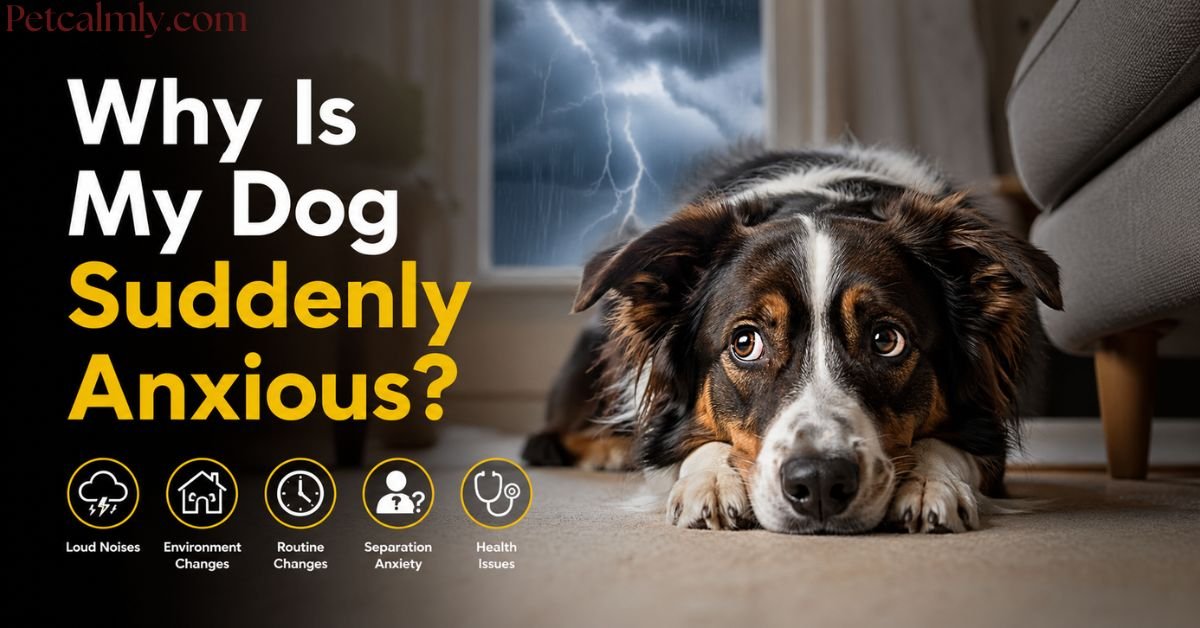
Your dog can suddenly become anxious for several common reasons: an underlying medical issue like pain or illness, a recent change in routine or environment, a scary experience that created a negative association, aging-related cognitive changes, or heightened sensitivity to noises and separation. The key is to rule out health problems first with a vet visit, then address triggers through calm routines, positive reinforcement, and gradual desensitization. Most dogs improve significantly with the right support and patience.
Why Sudden Anxiety Hits Hard for Dog Owners
Watching your once-confident dog start trembling at everyday sounds or pacing restlessly around the house feels worrying and heartbreaking. One day your pup greets you with tail wags and zoomies; the next, they seem on edge, avoiding eye contact or hiding under furniture. This shift often leaves owners feeling helpless, wondering what changed overnight.
Sudden anxiety in dogs is more common than many realize. It can stem from subtle shifts that humans barely notice but dogs perceive intensely. Understanding it quickly helps you act before the behavior worsens or affects your bond. The good news? With careful observation and targeted steps, most dogs regain their calm and happy demeanor.
Common Causes of Sudden Anxiety in Dogs
Several factors can trigger sudden anxiety in dogs. Identifying the root cause is the first step toward effective help.
1: Medical conditions often hide behind behavioral changes. Dogs instinctively mask pain or discomfort, so anxiety-like symptoms may appear before obvious signs of illness. Conditions such as arthritis, dental pain, gastrointestinal upset, urinary tract infections, thyroid imbalances, or neurological issues can make a dog feel unsettled and fearful. Even skin irritations from allergies or parasites like fleas can cause constant itching that manifests as restlessness or irritability.
Imagine your dog suddenly starts whining and pacing at night. It might not be “just anxiety”it could signal joint pain that worsens when lying down or an ear infection affecting balance. A thorough vet exam, including bloodwork if needed, rules these out or catches them early.
2: Changes in routine or environment disrupt a dog’s sense of security. Dogs thrive on predictability. A new work schedule that leaves them alone longer, a household move, the arrival of a baby or new pet, or even rearranged furniture can spark sudden worry. Post-pandemic shifts, where owners returned to offices after months of constant companionship, triggered separation anxiety in many dogs.
One owner shared how her calm Labrador became clingy and destructive after she started evening classes. The dog associated the owner’s departure with prolonged isolation, leading to barking and chewed shoes until a consistent routine and enrichment toys helped rebuild confidence.
3: Traumatic or negative experiences create lasting associations. A single frightening event like a loud car backfiring during a walk, an aggressive encounter with another dog, or a scary vet visit can cause generalized fear. Dogs may link the car, certain streets, or even specific sounds to danger.
For example, if a dog once experienced motion sickness on a long trip and vomited, future car rides might immediately trigger drooling, panting, and refusal to enter the vehicle. Past abuse or neglect in rescue dogs can also resurface unexpectedly, especially during similar situations.
4: Noise sensitivities and phobias develop or intensify suddenly. Thunder, fireworks, construction sounds, or even household appliances like vacuums can provoke intense reactions. Some dogs startle at these noises from puppyhood, but others develop phobias later due to a particularly loud event or cumulative exposure.
Senior dogs or those with hearing changes may become startled by sounds they once ignored. A gentle Golden Retriever who previously slept through storms might suddenly hide and tremble after a severe thunderstorm that rattled windows unusually hard.
5: Aging and cognitive dysfunction syndrome (CDS). In older dogs, brain changes similar to human Alzheimer’s can cause confusion, disorientation, and new fears. A dog might stare at walls, forget familiar routes on walks, or seem anxious in once-comfortable spaces. This often appears gradually but can seem sudden if owners miss early subtle signs.
6: Separation anxiety as a standalone or contributing factor. Affecting a significant percentage of dogs, this involves distress when left alone or even when owners move to another room. It can emerge after routine changes, rehoming, or loss of a family member (human or another pet).
7: Genetic predisposition and lack of early socialization. Some breeds or individual dogs have a nervous temperament. Puppies who missed key socialization windows (due to illness, pandemic restrictions, or shelter life) may react fearfully to new stimuli as adults.
8: Hormonal or developmental stages. Adolescent dogs (around 6-18 months) sometimes show increased caution as they reach social maturity. Spaying or neutering can occasionally influence behavior, though effects vary.
Less common but possible triggers include toxin exposure, vision or hearing loss, or even reactions to medications. Tracking when symptoms started and any recent changes helps narrow possibilities.
Recognizing the Signs of Anxiety in Dogs
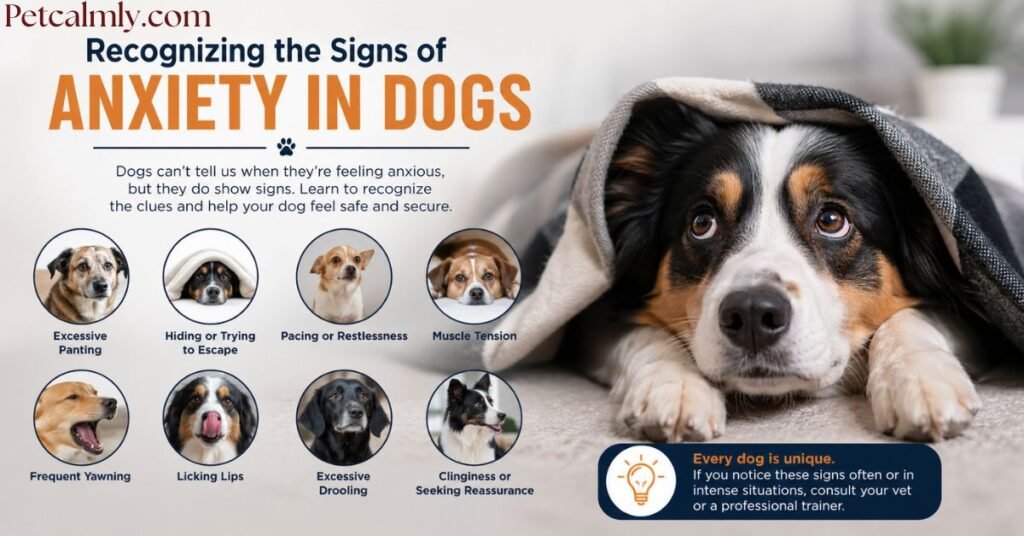
Anxious dogs display a range of behaviors, from subtle to dramatic. Early recognition prevents escalation.
Common physical signs include:
- Excessive panting when not hot or exercised
- Trembling or shaking
- Drooling or lip licking
- Dilated pupils or wide eyes showing more white
- Pacing or restlessness
- Yawning repeatedly (a calming signal)
- Changes in posture, like tucked tail or lowered ears and head
Behavioral indicators often involve:
- Whining, barking, or howling excessively
- Clinginess or following owners room to room
- Hiding or trying to escape
- Destructive chewing, especially around doors or windows
- House soiling in previously trained dogs
- Loss of appetite or selective eating
- Aggression (growling, snapping) when approached or in certain situations
In severe cases, dogs may self-harm by breaking nails while trying to escape crates or injuring themselves in panic.
Pay attention to context. If your dog only pants and paces during thunderstorms, that’s likely noise phobia. Constant restlessness might point to pain or medical issues. A mini-story: A family noticed their Beagle suddenly refusing to eat and hiding under the bed. It turned out to be separation anxiety triggered by the kids returning to school after summer break. Once they added short alone-time training with food puzzles, the behavior eased.
Body language provides clues too. A dog that freezes, avoids eye contact, or displaces with sniffing the ground may feel overwhelmed.
Real-Life Examples of Sudden Onset Anxiety
Consider Max, a 4-year-old mixed breed who was always easygoing. After a minor car accident (no injuries), he refused car rides and trembled at traffic sounds. Desensitization with short, positive trips plus vet-recommended calming aids resolved it over weeks.
Or Luna, a senior Cocker Spaniel who started barking at night and staring blankly. Blood tests revealed thyroid issues; medication restored her calm within days.
These stories show how varied triggers can be and how solvable many cases prove with proper steps.
When Should You Be Concerned About Your Dog’s Sudden Anxiety?
Not every fearful moment signals a problem. Normal stress passes quickly once the trigger ends. Seek professional help when:
- Anxiety appears suddenly with no obvious cause
- Symptoms persist or worsen over days/weeks
- Your dog shows physical signs like vomiting, diarrhea, lethargy, or appetite loss alongside behavior changes
- Destructive or self-injurious behavior occurs
- Quality of life suffers—your dog avoids walks, play, or normal interactions
- Aggression emerges toward people or other pets
- The dog is senior or has pre-existing health conditions
Sudden changes always warrant a vet visit first. Rule out pain, illness, or neurological issues before assuming purely behavioral causes. Early intervention prevents anxiety from becoming chronic and harder to treat.
If your vet clears medical causes, they may refer you to a certified animal behaviorist or veterinary behaviorist for tailored plans.
What Should Pet Owners Do? Practical Steps to Help an Anxious Dog
Helping your dog starts with empathy and consistency. Avoid punishment it increases fear.
Step 1: Schedule a veterinary examination. Share a detailed timeline of changes, symptoms, diet, and environment. Request a full physical, possibly bloodwork or other diagnostics.
Step 2: Create a predictable daily routine. Feed, walk, play, and rest at consistent times. Predictability reduces uncertainty.
Step 3: Provide a safe space. Set up a quiet “den” area with your dog’s bed, familiar toys, and blankets carrying your scent. Use white noise or calming music to mask external sounds.
Step 4: Increase exercise and mental stimulation. Daily walks, puzzle toys, scent games, or training sessions burn energy and release feel-good endorphins. A tired dog is often a calmer dog.
Step 5: Use counter-conditioning and desensitization. Gradually expose your dog to triggers at low intensity while pairing with high-value rewards (treats, praise, play). For car anxiety, start with sitting in a parked car with treats, then short drives to fun places.
For noise phobias, play recordings of thunder at very low volume during mealtimes, slowly increasing over weeks.
Step 6: Consider calming aids. Options include:
- Pheromone diffusers or collars (Adaptil)
- Anxiety wraps like Thundershirts
- Vet-approved supplements (L-theanine, chamomile, or CBD where legal and safe)
- Prescription medications for moderate-severe cases
Never use human medications without vet guidance.
Step 7: Manage separation anxiety specifically. Practice short absences, starting with seconds, using food-stuffed toys. Gradually build duration. Avoid dramatic goodbyes or greetings.
Step 8: Maintain calm energy. Dogs mirror owner emotions. Stay relaxed during triggers your confidence helps them feel safe.
Track progress in a journal: triggers, behaviors, and what helps. Celebrate small wins.
For car-specific anxiety (a common sudden issue), rule out motion sickness first. Use anti-nausea medication if needed, secure the dog safely with a harness or crate, and make rides positive with treats and favorite destinations.
Avoiding Common Mistakes When Dealing with Anxious Dogs
Many well-meaning owners unintentionally worsen anxiety. Don’t comfort excessively during fear episodes this can reinforce the behavior. Instead, redirect gently or remove the dog from the trigger calmly.
Skip “flooding” by forcing exposure to fears. This heightens trauma. Gradual, positive steps work better.
Don’t ignore subtle signs hoping they’ll pass. Early action yields faster results.
Resist quick-fix gadgets or unproven remedies without vet input. Evidence-based approaches last longer.
Long-Term Management and Prevention
Once acute anxiety eases, focus on building resilience. Continue socialization through positive experiences. Regular vet check-ups catch health issues early.
For puppies or new dogs, prioritize proper socialization during key developmental windows. Maintain routines even during life changes.
Many dogs live happily with managed anxiety. Some need ongoing support, like periodic medication or behavior sessions, but thrive with loving owners.
Conclusion
Sudden anxiety in dogs often signals an underlying need whether physical comfort, environmental stability, or emotional reassurance. By addressing medical causes first, then implementing consistent, positive strategies, you can help your dog feel secure again.
Be patient. Progress takes time, but the bond you strengthen through this process often grows deeper. If symptoms feel overwhelming, reach out to your vet or a behavior professional promptly. With care and the right tools, most dogs bounce back to their playful, confident selves.
Your attentive response already shows how much you care that’s the foundation for real improvement.
More Information About Pets, Please Visit Our Website: Why Is My Dog Suddenly Anxious in the Car?
Why Is My Dog Suddenly Anxious at Night?
Frequently Asked Questions
1: Why is my dog suddenly anxious at night?
Nighttime anxiety often links to separation (even in the same house), pain that worsens when resting, cognitive changes in seniors, or sensitivity to household sounds. A vet check rules out medical issues, while a consistent bedtime routine and calming music can help.
2: Can pain or illness cause my dog to act anxious suddenly?
Yes very commonly. Discomfort from arthritis, infections, dental problems, or internal issues frequently shows as restlessness, whining, or fearfulness before other symptoms appear. Always start with a veterinary exam.
3: How long does it take for dog anxiety to improve?
Mild cases may show progress in days to weeks with routine changes and desensitization. Moderate to severe anxiety often needs 4–12 weeks or longer of consistent training, possibly with medication. Patience and tracking help measure success.
4: Is sudden aggression part of dog anxiety?
It can be. Fear-based anxiety sometimes leads to defensive growling or snapping when a dog feels trapped or overwhelmed. Address the root fear rather than punishing, and consult a professional if aggression appears.
5: Should I use medication for my dog’s sudden anxiety?
Medication helps in many moderate-severe cases alongside behavior modification. Your vet determines suitability after ruling out other causes. Short-term or as-needed options exist for specific triggers like storms or travel.
6: What home remedies work best for calming an anxious dog?
Effective options include exercise, puzzle toys for mental stimulation, pheromone products, pressure wraps, white noise, and consistent routines. Always combine with vet guidance and avoid unproven supplements without approval.