Short direct answer
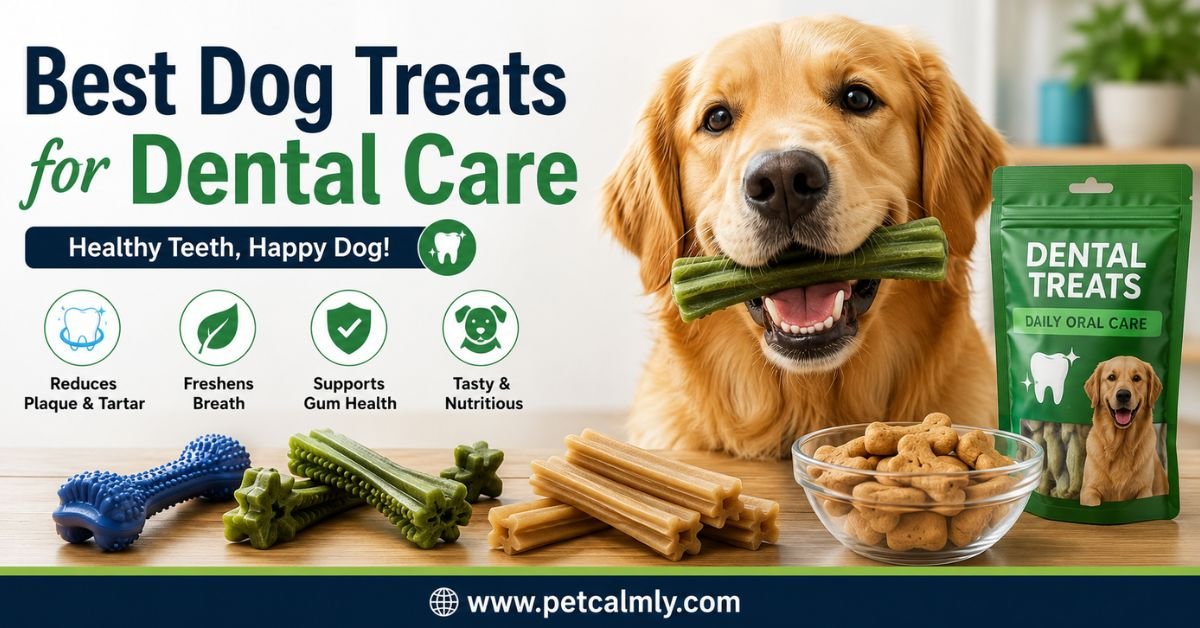
The best dog treats for dental care are ones with a textured, chewy consistency that scrapes plaque off teeth as your dog gnaws, combined with ingredients that reduce bacteria and freshen breath. Look for treats carrying the VOHC (Veterinary Oral Health Council) seal, such as Greenies Dental Chews, Virbac CET Enzymatic Chews, Whimzees, or OraVet Dental Chews. These work best as part of a full routine that also includes brushing and regular vet checkups no treat alone can replace daily dental care.
That’s the short version. If you want to actually understand why some treats work and others are just marketing, and how to pick one that’s safe for your specific dog, keep reading.
Why Dog Dental Health Deserves More Attention Than It Gets
Most dog owners think about dental care the way they think about nail trims something to get around to eventually. But a dog’s mouth tells you a lot about what’s happening in the rest of their body, and it’s one of the most commonly neglected parts of pet care.
What’s Actually Happening Inside Your Dog’s Mouth
Plaque starts forming on a dog’s teeth within hours of eating. Left alone, it hardens into tartar within a few days, and tartar is where things get harder to reverse. Bacteria trapped under the gumline can trigger inflammation, which is the start of periodontal disease — a condition that, according to the American Veterinary Medical Association (AVMA), affects a large portion of dogs by the time they’re just a few years old.
This isn’t just a cosmetic issue. Chronic gum inflammation can allow bacteria to enter the bloodstream, and over time this has been linked to stress on organs like the heart and kidneys. That’s not meant to alarm you it’s meant to explain why dental chews aren’t a “nice to have.” They’re a genuine part of preventive health.
Signs Your Dog’s Teeth Might Need Attention
You don’t need special training to catch early warning signs. Watch for:
- Breath that smells noticeably sour, not just “dog breath”
- Yellow or brown buildup along the gumline
- Red, puffy, or bleeding gums
- Pawing at the mouth or reluctance to chew on one side
- Dropping food while eating
- Visible tooth loss or loose teeth in older dogs
If you notice more than one of these at once, that’s usually a sign tartar has already built up past the point where treats alone will fix it, and a professional cleaning may be needed.
What Actually Makes a Dental Treat Effective (Not Just Marketed That Way)
Pet food aisles are full of treats with “dental” printed on the bag, but the label doesn’t always mean much. Here’s what genuinely matters.
The Mechanical Action of Chewing
A treat’s shape and texture matter more than most owners realize. Ridged or textured surfaces create friction against the tooth as your dog chews, physically scraping away soft plaque before it hardens. This is why a soft, crumbly biscuit does far less for teeth than a firm, ridged chew that takes a few minutes of steady gnawing to finish.
The chewing motion itself also matters. Dogs that gulp down a treat in two bites get almost none of the mechanical cleaning benefit the treat needs to be worked on with the back molars, where most plaque tends to build up.
Ingredients That Support Oral Health
Beyond texture, some ingredients do real work:
- Enzymatic compounds (like those in Virbac CET chews) help break down plaque-forming bacteria
- Sodium hexametaphosphate binds to calcium in saliva, making it harder for tartar to form
- Chlorophyll or parsley extract can help with breath odor, though this is cosmetic rather than a dental health fix
- Cellulose or fiber-based textures (used in Whimzees) provide chewing resistance without excess calories
Why the VOHC Seal Matters
The Veterinary Oral Health Council is an independent body that reviews dental products against actual plaque and tartar reduction data submitted by manufacturers. A treat carrying the VOHC seal has met a testing standard it’s not just a trust badge for marketing. When you’re comparing treats, this seal is one of the few objective ways to separate genuinely effective products from ones riding on the word “dental” alone.
Best Types of Dog Treats for Dental Care
Rather than chasing whichever brand tops a “best of” list this month, it helps to understand the categories, since your dog’s size, chewing style, and health history matter more than any single product name.
Dental Chews
These are the most common category long, ridged chews meant to be worked on for several minutes. Greenies, OraVet, and Virbac CET fall here. They’re a solid daily option for most healthy adult dogs, but portion size matters since many are calorie-dense.
Dental Bones and Sticks
Firmer than chews, these are meant for more aggressive chewers. Whimzees’ brushzees shape and similar firm dental sticks fall in this group. They tend to last longer, which is good for mental engagement but means you should supervise the first few uses to make sure your dog isn’t trying to swallow large pieces whole.
Rawhide and Natural Chews
Bully sticks, yak milk chews, and rawhide alternatives offer a chewing outlet and some plaque removal through sheer mechanical friction, though most haven’t gone through VOHC testing. These can be a reasonable supplement to a dental-specific chew, but shouldn’t be your only dental strategy.
Dental Treats for Small or Toy Breeds
Small dogs are actually more prone to dental disease, not less, because their teeth are often crowded in a smaller jaw. Look for treats sized specifically for small breeds a Greenies “Teenie” or similar small-format chew rather than breaking a large chew into pieces, since that removes the mechanical scraping benefit entirely.
How to Introduce Dental Treats Safely
A dental treat is only useful if your dog can actually eat it the way it’s designed to be eaten. Here’s how to introduce one without setbacks.
- Start with supervised sessions. The first few times you give any new chew, stay in the room. You want to see how quickly your dog works through it and whether they’re chewing or trying to gulp.
- Match size to your dog. A chew too small for a large dog becomes a swallowing hazard; one too large for a small dog can be abandoned or cause frustration.
- Introduce one new treat at a time. This helps you spot any digestive upset — loose stool or vomiting — and know exactly which product caused it.
- Account for calories. Many dental chews add meaningful calories to a daily diet. If your dog is on a weight management plan, ask your vet how to adjust meals to compensate.
- Watch for aggressive gulping. Some dogs, especially food-motivated breeds, will try to swallow chews in large pieces. If this happens consistently, that product isn’t a good match regardless of its dental benefits.
Common Mistakes Owners Make With Dental Treats
- Assuming treats replace brushing. Even VOHC-approved chews are a supplement, not a substitute, for actual toothbrushing.
- Giving chews to dogs with existing dental pain. If your dog already has loose or painful teeth, a hard chew can cause more damage. Get a vet check first.
- Buying based on “grain-free” or “natural” labeling alone. Neither term has anything to do with dental effectiveness.
- Ignoring size guidelines to save money. A chew too big or small either becomes a hazard or does nothing useful.
- Skipping puppies and seniors. Puppies need age-appropriate softer chews during teething, and senior dogs with worn or fragile teeth may need gentler dental support rather than hard chews at all.
Building a Realistic Daily Dental Care Routine
Treats work best as one piece of a broader routine, not the whole plan. A workable daily approach looks like this:
| Step | Frequency | Purpose |
|---|---|---|
| Brushing with dog-safe toothpaste | Daily, or at minimum 3–4x/week | Removes plaque before it hardens into tartar |
| Dental chew or treat | Daily | Mechanical plaque scraping between brushings |
| Water additive or dental rinse (optional) | Daily | Reduces bacteria in saliva |
| Mouth check (lips, gums, breath) | Weekly | Catches early warning signs |
| Professional dental cleaning | As recommended by your vet | Removes tartar below the gumline that treats and brushing can’t reach |
If daily brushing feels unrealistic, know that even three times a week makes a measurable difference over doing nothing. The goal isn’t perfection — it’s consistency you can actually maintain.
When Dental Treats Aren’t Enough
There’s a point where no amount of chewing fixes what’s already happened, and it’s worth being honest about that. Dental treats work on the tooth surface above the gumline. They don’t reach tartar that’s already hardened below the gum, and they can’t repair gum recession, loose teeth, or infection that’s already set in.
If your dog’s breath has changed suddenly and sharply, if you see a swollen area on the face near the jaw, or if your dog stops eating hard food but still wants soft food, that’s a pattern that usually points to a specific painful tooth rather than general plaque buildup — and it needs a vet visit, not a new bag of chews.
When Should You Worry? Signs That Need a Veterinarian, Not a Treat
Some signs cross the line from “something to manage at home” to “something a vet needs to see.” Contact your veterinarian if you notice:
- Bleeding gums that don’t resolve within a day or two
- A visibly broken or fractured tooth
- Facial swelling, especially under one eye
- Your dog suddenly refusing all food, including soft food
- Pawing at the face combined with whimpering or reluctance to be touched near the mouth
- A lump or growth anywhere in the mouth
None of these are things a dental chew can resolve, and pushing forward with hard chewing while a dog is in pain can make things worse. According to Cornell University College of Veterinary Medicine, dental disease that’s left untreated tends to progress rather than plateau, so earlier veterinary attention generally means a simpler, less invasive fix.
What Pet Owners Should Do Right Now: A Simple Action Checklist
If you’re feeling a little behind on your dog’s dental care, here’s a realistic starting point rather than an overwhelming overhaul:
- Look inside your dog’s mouth today and note any redness, odor, or buildup
- Pick one VOHC-approved dental chew appropriate for your dog’s size
- Introduce it under supervision this week
- Set a recurring reminder to brush teeth 3–4 times a week
- Book a vet dental check if it’s been over a year since the last one
- Keep a mental note of your dog’s normal breath smell, so you notice if it changes
Small, consistent steps here matter far more than finding a single “perfect” product.
Conclusion
Dental treats genuinely help but only the right ones, used the right way, as part of a bigger routine. A VOHC-approved chew, matched to your dog’s size and chewing habits, combined with regular brushing and a watchful eye for warning signs, covers most of what a healthy dog needs. The moment something looks off bleeding, swelling, sudden appetite changes that’s your cue to loop in a vet rather than trying to solve it with another bag of treats. Dental care isn’t about doing everything perfectly; it’s about doing a few things consistently, and catching problems while they’re still small.
More Information About Pets, Please Visit Our Website: Melatonin for Dogs Dosage Chart by Weight
Best Dog Anxiety Medication Over the Counter
Best Calming Treats for Dogs With Separation Anxiety
Frequently Asked Questions
1: Do dental chews really work, or is it just marketing?
Chews with the VOHC seal have been tested for measurable plaque and tartar reduction, so those genuinely work as intended. Chews without that seal may still offer some mechanical benefit from chewing, but the effect is less predictable.
2: How often should I give my dog a dental treat?
Most dental chews are designed for daily use, but check the packaging for calorie guidance, especially for smaller dogs or dogs managing their weight.
3: Can puppies have dental chews?
Puppies can have dental chews designed specifically for their age and teething stage, but avoid very hard chews until adult teeth are fully in, since teething teeth and gums are more sensitive.
4: My dog’s breath still smells bad even with dental treats — what should I do?
Persistent bad breath despite regular dental chews usually means tartar has already built up beyond what a treat can address. This is a good sign to schedule a vet dental check.
5: Are rawhide chews as good as dental-specific treats for oral health?
Rawhide can offer some mechanical plaque removal through chewing, but most rawhide products haven’t been tested against VOHC standards, so their dental benefit is less consistent than purpose-made dental chews.
6: Can dental treats replace brushing my dog’s teeth?
No. Dental treats are a helpful supplement, but brushing remains the most effective way to prevent plaque buildup, especially along the gumline where chews have the least reach.