Short direct answer
The leopard gecko is the easiest pet reptile to take care of. It is small, calm, and does not need special UV lighting. It eats insects, lives in a simple tank setup, and tolerates gentle handling well. Bearded dragons and corn snakes are also great beginner options if you want something slightly different.
Why Choosing the Right Reptile Matters
Imagine bringing home a beautiful reptile, only to realize it needs a temperature-controlled misting system, UV-B lights, live feeder insects every day, and a tank the size of your wardrobe. That is the reality for many first-time reptile owners who pick the wrong species.
Reptiles are not all the same. Some are easy, affordable, and calm. Others are demanding, sensitive, and expensive to keep properly.
If you are a beginner or buying a reptile for a child starting with a forgiving, low-maintenance species makes all the difference between a wonderful experience and a stressful one.
The Easiest Pet Reptile to Take Care Of: Leopard Gecko
The leopard gecko (Eublepharis macularius) consistently tops every beginner reptile list — and for good reason.
It is native to dry, rocky regions of South Asia. In captivity, it adapts beautifully to a simple tank setup. Unlike many reptiles, leopard geckos are crepuscular, meaning they are most active at dawn and dusk. This fits a school or work schedule perfectly.
Here is what makes them so beginner-friendly:
- Small size: Adults reach about 7–10 inches. Easy to handle, easy to house.
- No UV-B lighting required: Most geckos get enough D3 from gut-loaded insects and supplements. A simple heat mat under one side of the tank is usually enough.
- Quiet and docile: They do not bite unless stressed, and they get used to handling quickly.
- Low feeding frequency: Adults only need feeding every 2–3 days.
- Long lifespan: With basic care, they live 10–20 years, making them a long-term companion.
Think of a leopard gecko like a beginner’s houseplant low-demand, rewarding, and surprisingly hardy.
Other Easy Reptiles for Beginners
If the leopard gecko is not the right fit, here are a few other excellent beginner options.
Bearded Dragon
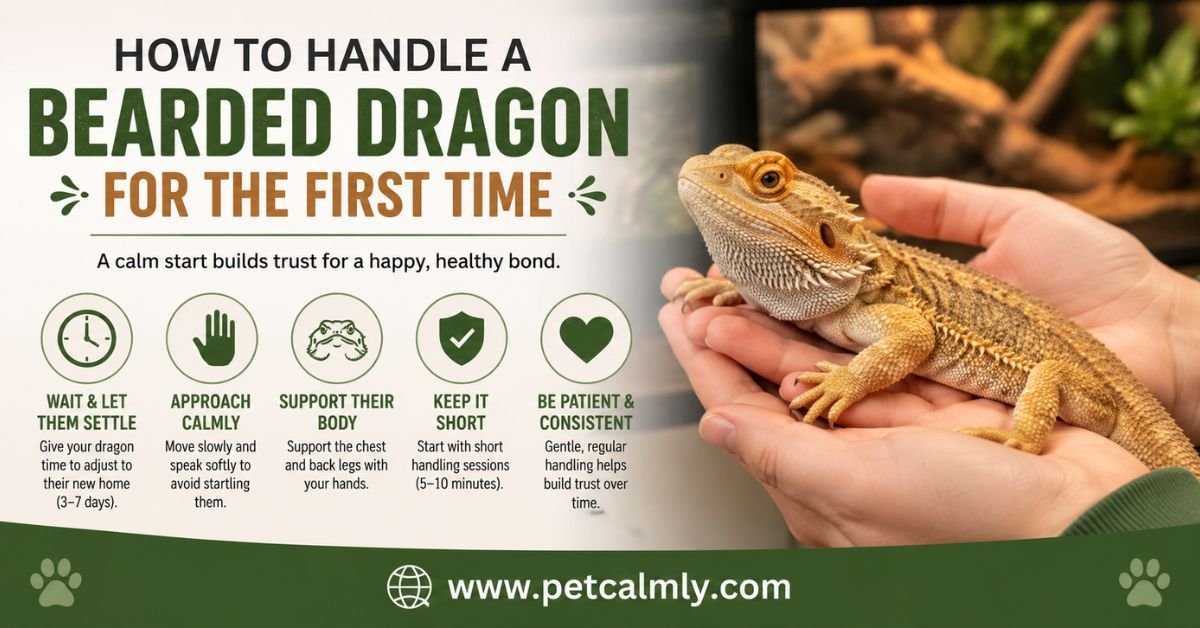
The bearded dragon is one of the most popular pet reptiles in the world. It is friendly, curious, and tends to enjoy human interaction more than most reptiles do.
Beardies do need a larger tank (40+ gallons for adults), UV-B lighting, and a varied diet of insects and leafy greens. The setup cost is higher than a gecko, but day-to-day care is still manageable.
They are ideal for families with children because they are calm and rarely bite. Many bearded dragon owners say their dragon acts more like a dog than a reptile watching TV with them, sitting on their shoulder, and recognizing familiar faces.
Corn Snake
For people who want a snake, the corn snake is the undisputed beginner choice.
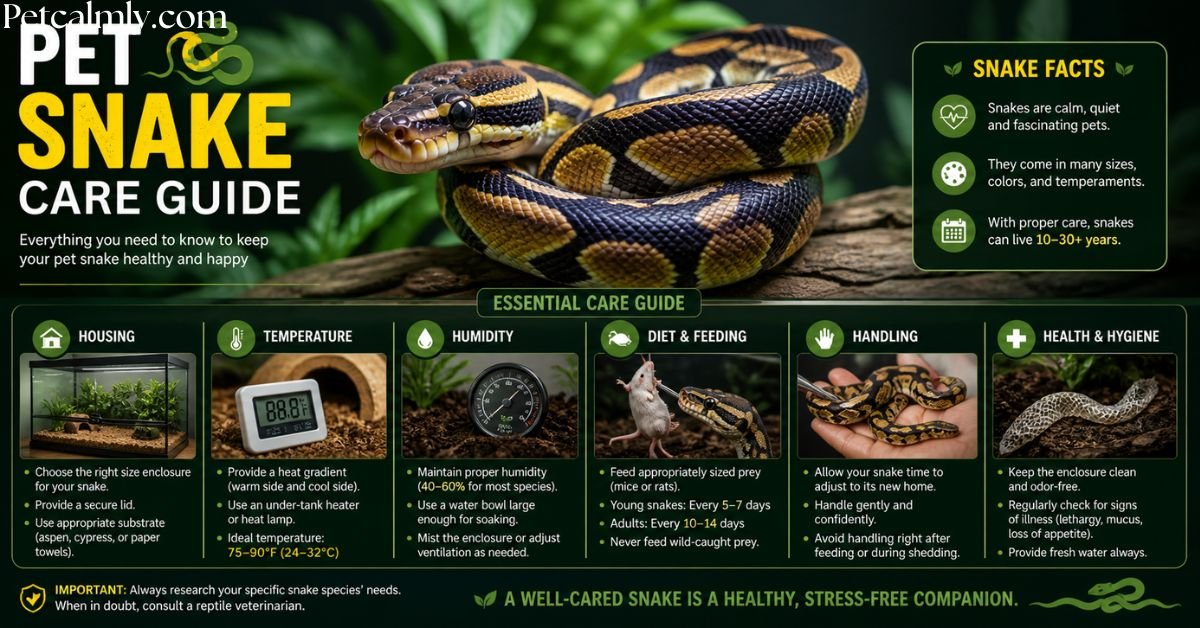
Corn snakes are slender, gentle, and rarely aggressive. They eat pre-killed or frozen-thawed mice, which is safer and more convenient than live prey. Adults only need feeding once every 7–10 days.
A 20-gallon tank with a secure lid, a heat source, and some hides is all they need. They are escape artists, so the lid must latch properly but beyond that, they are wonderfully easy to keep.
Corn snakes come in dozens of color morphs, so you can find one that suits your taste.
Blue-Tongued Skink
The blue-tongued skink is a bit less common but deserves a mention. It is a chunky, slow-moving lizard with a striking blue tongue that it flashes as a defense display.
Despite the dramatic tongue, skinks are calm and enjoy being handled. They eat a wide variety of foods including vegetables, fruits, protein, and even cat food which makes feeding simple.
They do need UV-B lighting and a temperature gradient, but their personality makes the effort worthwhile for beginners who want something a little different.
Russian Tortoise
If you have always dreamed of a tortoise, the Russian tortoise is the most beginner-friendly option in that category.
Russian tortoises are small (6–8 inches), hardy, and can even spend time outdoors in temperate climates. They eat leafy greens and vegetables, and a basic indoor enclosure with UV-B lighting is sufficient for most of the year.
Keep in mind tortoises live for 40+ years. Adopting one is a serious, long-term commitment.
What to Look for When Choosing a Beginner Reptile
Not sure how to compare options? Here are the four key factors to consider.
1. Feeding simplicity Does the reptile eat frozen/thawed prey, pellets, or vegetables? Or does it require live insects every day? Simpler diets mean less hassle.
2. Temperature and lighting needs Some reptiles need precise temperature gradients, UV-B lights, and high humidity. Others like the leopard gecko do well with a basic heat mat and no special lighting. Match the setup to your comfort level.
3. Temperament Does the species tolerate handling? Is it shy, aggressive, or somewhere in between? Bearded dragons and leopard geckos are among the most tolerant reptiles of human interaction.
4. Space requirements A corn snake needs a 40-gallon tank by adulthood. A leopard gecko does fine in a 20-gallon. Think realistically about the space you have available.
Beginner Reptile Comparison Table
| Reptile | Tank Size | Feeding | UV-B Needed? | Handling |
|---|---|---|---|---|
| Leopard Gecko | 20 gal | Insects (2–3x/week) | Optional | Very calm |
| Bearded Dragon | 40–75 gal | Insects + veggies | Yes | Very friendly |
| Corn Snake | 20–40 gal | Frozen mice (weekly) | No | Gentle |
| Blue-Tongued Skink | 40 gal | Varied diet | Yes | Calm |
| Russian Tortoise | 40+ gal or outdoor | Leafy greens | Yes | Slow, calm |
When Should You Be Concerned?
Even the “easiest” reptiles can run into health problems if their basic needs are not met. Here are the warning signs to watch for.
In leopard geckos: Watch for weight loss, lethargy, failure to eat, or watery droppings. Metabolic bone disease (from calcium deficiency) is one of the most common problems in geckos kept without calcium supplementation.
In bearded dragons: Black beard, mouth gaping, and unusual puffing can signal stress or illness. Parasites are common in bearded dragons, so a vet visit within the first few weeks is a good idea.
In corn snakes: Wheezing, mucus around the mouth, or refusal to eat for more than 4–6 weeks may signal respiratory infection or stress. Ensure temperatures are correct snakes are very sensitive to cold enclosures.
General rule: If your reptile has not eaten in more than 2–3 weeks, is losing weight, or shows unusual behavior, consult a reptile-experienced vet. Do not wait and hope it improves.
What Should You Do Before Buying a Reptile?
These simple steps will save you time, money, and heartache.
Research before you buy. Spend at least one week reading about the species you want. Visit forums like Reddit’s r/reptiles or species-specific Facebook groups. Real owners will tell you the honest pros and cons.
Set up the enclosure first. Do not buy your reptile and then scramble to build the tank. Have the enclosure fully set up, temperatures stable, and hides in place for at least 48 hours before your new pet arrives.
Buy from a reputable breeder. Wild-caught reptiles carry parasites and stress easily. A captive-bred animal from a trusted breeder will be healthier, calmer, and better adjusted.
Find a reptile vet before you need one. Not all vets see reptiles. Search your local area for exotic or “herp” vets now, so you are not frantically searching in an emergency.
Start with one species. Reptile keeping can become addictive. But learning the needs of one species well is better than juggling three tanks and feeling overwhelmed.
Conclusion
The easiest pet reptile to take care of is the leopard gecko hands down. It is affordable to set up, gentle, and forgiving of minor keeper mistakes. Bearded dragons, corn snakes, blue-tongued skinks, and Russian tortoises are also excellent beginner choices depending on your preferences and space.
Whatever you choose, the key to success is the same: research the species fully, set up the habitat correctly before bringing your reptile home, and find a reptile vet in your area.
Reptiles are fascinating, rewarding pets. Starting with the right species makes the whole journey enjoyable from day one.
More Information About Pets, Please Visit Our Website: What Is the Easiest Pet Reptile to Take Care Of?
Frequently Asked Questions
1: What is the easiest reptile to own for a beginner?
The leopard gecko is widely considered the easiest reptile for beginners. It is small, does not need UV-B lighting, eats insects every few days, and tolerates gentle handling well. It is also widely available and relatively affordable to set up.
2: Is a bearded dragon easy to take care of?
Bearded dragons are easy to care for relative to many reptiles, but they need a larger tank, UV-B lighting, and a mixed diet. They are one of the most interactive and friendly reptiles you can own, which makes the extra effort worthwhile for many owners.
3: What reptile is best for a child?
Bearded dragons and leopard geckos are the best reptile choices for children. Both are calm, tolerant of handling, and unlikely to bite. A bearded dragon may be slightly better for younger children because it is larger and less delicate.
4: Do reptiles need a lot of attention every day?
Most beginner reptiles do not need daily attention beyond feeding and spot-cleaning. Corn snakes eat once a week. Leopard geckos eat every 2–3 days. Daily checks to confirm temperatures and water freshness take only a few minutes.
5: Are reptiles expensive to keep?
The biggest cost for reptiles is the initial setup tank, lighting, thermostat, hides, and décor. Ongoing costs (food, supplements, electricity) are usually low. A leopard gecko is one of the cheapest reptiles to maintain long-term.
6: Can I keep a reptile in a small apartment?
Yes. Leopard geckos and corn snakes are excellent apartment reptiles. They live in compact tanks, do not make noise, and do not produce strong odors when the enclosure is kept clean. Many apartment-dwellers successfully keep these species with no issues.