Short direct answer
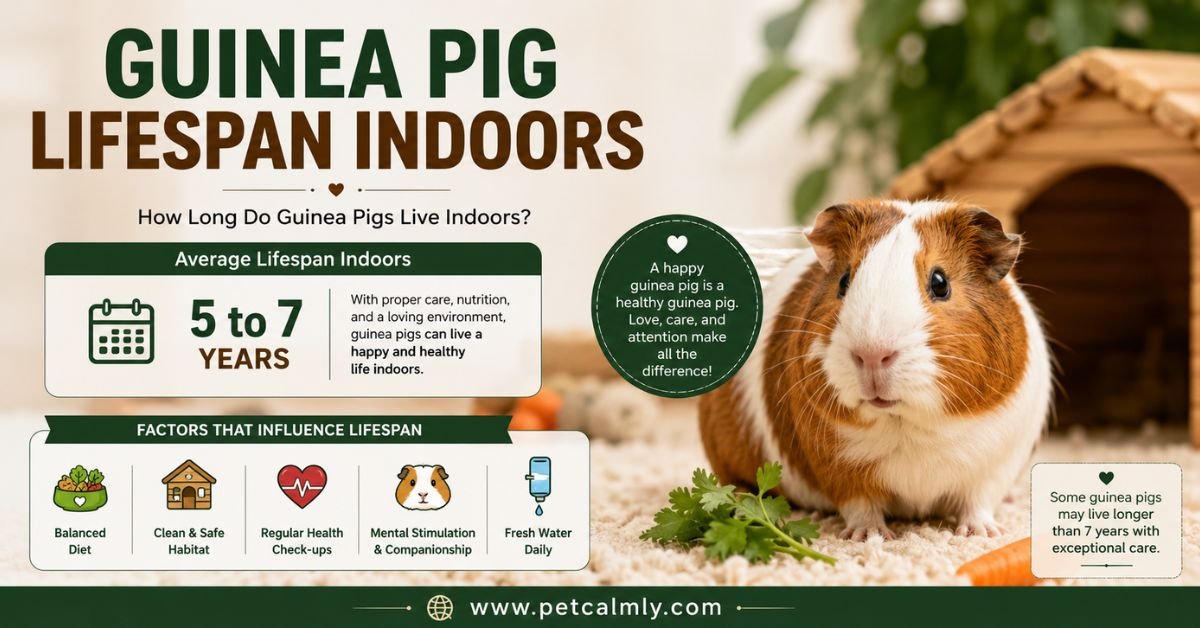
Indoor guinea pigs typically live 5 to 8 years, with some well-cared-for pets reaching 9 years or more. Their lifespan depends heavily on diet, cage conditions, genetics, stress levels, and veterinary care. Indoor living usually helps them live longer than outdoor setups because they are protected from extreme temperatures, predators, and infections. However, longevity is not just about environment it’s about daily care, nutrition balance, and early detection of health issues.
Introduction
When someone brings home a guinea pig, the first question is often about lifespan. But what many owners don’t realize is that indoor living completely changes the quality and length of their life.
A guinea pig is not a low-maintenance pet. It’s a sensitive, social, and emotionally responsive small animal that depends on consistent care. Indoors, they are safer from weather changes, parasites, and predators but they also rely fully on you for diet, enrichment, and health monitoring.
Understanding the guinea pig lifespan indoors helps you make better choices from day one: what to feed, how to set up their cage, and how to recognize early warning signs when something is wrong.
This guide explains everything in a practical, real-world way so you can help your guinea pig live a longer, healthier, and calmer life.
Understanding Guinea Pig Lifespan Indoors
What Is the Average Lifespan of an Indoor Guinea Pig?
Most indoor guinea pigs live between:
- 5–6 years: Average care conditions
- 6–8 years: Good nutrition and stable environment
- 8–10 years: Excellent care, genetics, and early vet intervention
While genetics play a role, environment and daily care usually make the biggest difference.
Indoor guinea pigs tend to live longer because:
- No exposure to extreme heat or cold
- Lower risk of respiratory infections from damp outdoor environments
- Reduced predator stress
- More consistent feeding schedules
- Easier health monitoring
Indoor vs Outdoor Lifespan: What Really Changes?
Many owners assume the difference is small, but it’s actually significant.
Indoor Guinea Pigs
- Stable temperature
- Cleaner environment
- Easier to monitor illness
- Less stress from predators or noise
- Better social interaction with humans
Outdoor Guinea Pigs
- Higher risk of parasites
- Weather stress (heatstroke or cold shock)
- More hidden illnesses
- Shorter average lifespan in many cases
In most real-world situations, indoor guinea pigs live 1–3 years longer than outdoor ones.
The Emotional Side of Lifespan
Guinea pigs are social animals. Loneliness and stress can shorten lifespan dramatically.
A guinea pig that feels safe, bonded, and stimulated indoors often shows:
- Better appetite
- More activity
- Stronger immunity
- Longer overall lifespan
Stress, on the other hand, can silently reduce health over time.
Key Factors That Affect Guinea Pig Lifespan Indoors
Diet: The Most Important Lifespan Factor
Food directly affects longevity more than anything else.
A healthy guinea pig diet includes:
- Unlimited timothy hay
- Fresh vegetables daily (especially vitamin C-rich foods)
- High-quality guinea pig pellets (in moderation)
- Clean, fresh water
Common dietary mistakes that shorten lifespan:
- Too many sugary fruits
- Lack of vitamin C (leading to scurvy)
- Overfeeding pellets
- No hay access
- Sudden diet changes
Vitamin C deficiency is one of the most common preventable health issues in indoor guinea pigs.
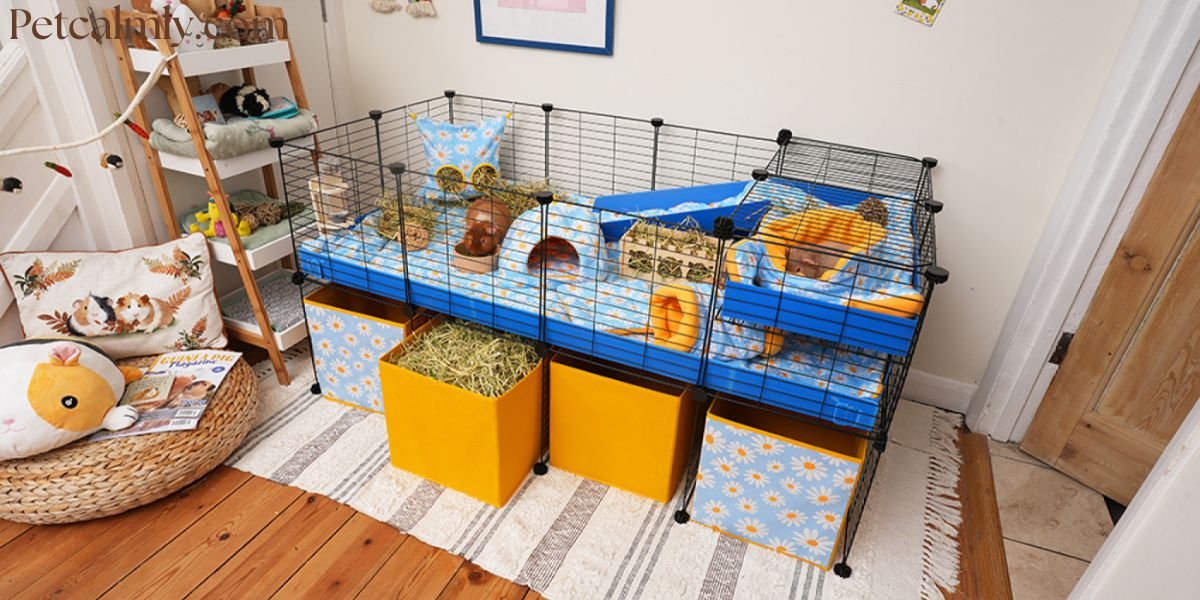
Cage Size and Living Space
A small cage is one of the fastest ways to reduce quality of life.
Minimum recommended size for 1 guinea pig:
- At least 7.5 square feet, but larger is always better
For 2 guinea pigs:
- Ideally 10.5–13 square feet or more
Poor space leads to:
- Obesity
- Stress
- Reduced movement
- Shortened lifespan
Temperature and Indoor Environment
Guinea pigs are extremely sensitive to temperature.
Ideal range:
- 18°C to 24°C (64°F to 75°F)
Danger signs:
- Below 15°C: risk of hypothermia
- Above 27°C: heat stress or heatstroke
Indoor heating or cooling stability helps extend lifespan significantly.
Social Interaction and Bonding
Guinea pigs should never live alone.
Lonely guinea pigs often develop:
- Depression-like behavior
- Loss of appetite
- Reduced activity
- Weak immune response
A bonded pair or small group often lives longer and healthier lives.
Veterinary Care and Early Detection
Regular checkups help detect:
- Dental problems
- Respiratory infections
- Digestive issues
- Tumors (common in older guinea pigs)
Even small symptoms matter. Guinea pigs hide illness naturally, so early detection is key.
Signs Your Guinea Pig Is Aging Normally
As guinea pigs get older (4–6+ years), changes are expected.
Normal aging signs include:
- Slightly reduced activity
- Longer sleeping periods
- Slower movement
- Minor weight changes
- More selective eating
These are not always alarming if gradual.
When Aging May Indicate a Problem
Watch for:
- Sudden weight loss
- Refusing food
- Breathing difficulty
- Persistent lethargy
- Overgrown teeth
- Bald patches or skin issues
These require veterinary attention quickly.
How to Extend Guinea Pig Lifespan Indoors
1. Focus on a High-Fiber Diet
Hay should make up 80% of their diet.
Good hay = better digestion = longer life.
2. Keep Their Environment Stress-Free
Avoid:
- Loud noises
- Frequent cage moving
- Rough handling
- Overcrowding
A calm environment supports long-term health.
3. Encourage Daily Movement
Guinea pigs need space to:
- Run
- Explore
- Forage
- Hide and feel secure
Exercise prevents obesity and improves heart health.
4. Monitor Weight Weekly
Weight changes are often the first sign of illness.
Even a small drop can signal:
- Dental issues
- Digestive problems
- Stress
5. Provide Vitamin C Daily
Since guinea pigs cannot produce vitamin C naturally:
- Bell peppers
- Leafy greens
- Vet-approved supplements (if needed)
6. Keep Bedding Clean and Dry
Dirty bedding increases risk of:
- Respiratory issues
- Skin infections
- Parasites
Clean cages = healthier lungs and longer lifespan.
5 Common Mistakes That Reduce Guinea Pig Lifespan Indoors
1. Keeping a single guinea pig
This leads to loneliness and stress.
2. Poor-quality pellets
Cheap feed often lacks proper nutrients.
3. Ignoring subtle symptoms
Guinea pigs rarely show pain clearly.
4. Overfeeding treats
Fruit should be occasional, not daily.
5. Small cages
Movement is essential for long-term health.
Realistic Example: Indoor Care Impact
A guinea pig living in a small cage with limited hay might only reach 4–5 years due to recurring health issues and stress.
Meanwhile, a guinea pig with:
- Large cage space
- Proper hay diet
- Bonded companion
- Regular vet checkups
can easily reach 7–9 years, sometimes more.
The difference is not luck it’s daily care consistency.
When Should You Worry About Your Guinea Pig?
Seek veterinary help if you notice:
- Not eating for more than 8–12 hours
- Rapid weight loss
- Labored breathing
- Severe diarrhea
- Continuous hiding or inactivity
- Swollen body parts or lumps
Guinea pigs can decline quickly, so timing matters.
What Every Guinea Pig Owner Should Do Daily
Simple daily checklist:
- Check food and water
- Observe behavior changes
- Offer fresh vegetables
- Ensure hay is available
- Spend a few minutes interacting
Weekly checklist:
- Weigh your guinea pig
- Clean cage thoroughly
- Check nails and fur condition
Conclusion
The guinea pig lifespan indoors is not fixed it is shaped by everyday care decisions. While genetics set a range, your actions decide where within that range your pet falls.
A safe indoor environment, proper nutrition, companionship, and attentive care can add years of healthy life. More importantly, it improves the quality of those years.
A guinea pig that feels safe, well-fed, and emotionally secure doesn’t just live longer it lives better.
More Information About Pets, Please Visit Our Website: Why Is My Guinea Pig Hiding More Than Usual?
Frequently Asked Questions
1. How long do indoor guinea pigs live on average?
Most indoor guinea pigs live 5 to 8 years, depending on care, diet, and genetics.
2. Can guinea pigs live more than 8 years indoors?
Yes, with excellent care some can reach 9–10 years, but this is less common.
3. What shortens a guinea pig’s indoor lifespan the most?
Poor diet, lack of vitamin C, stress, and small cages are the biggest factors.
4. Do guinea pigs live longer indoors or outdoors?
Indoor guinea pigs usually live longer due to better temperature control and safety.
5. How do I know if my guinea pig is aging normally?
Gradual slowing down, slight weight changes, and more rest are normal signs.
6. What is the most important factor for guinea pig longevity?
A consistent high-fiber hay-based diet combined with a stress-free environment.